1.The Menace of the Ordinary
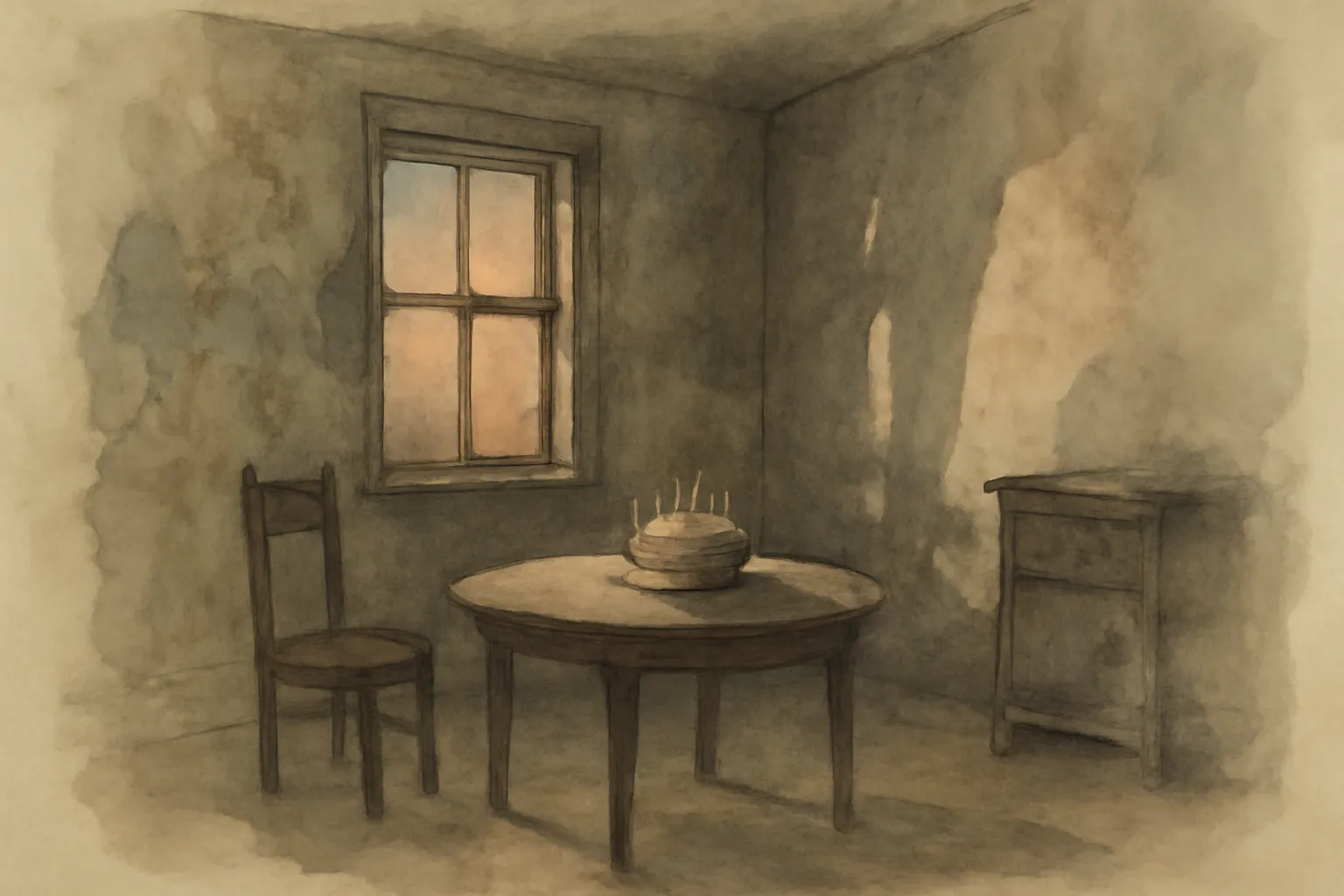
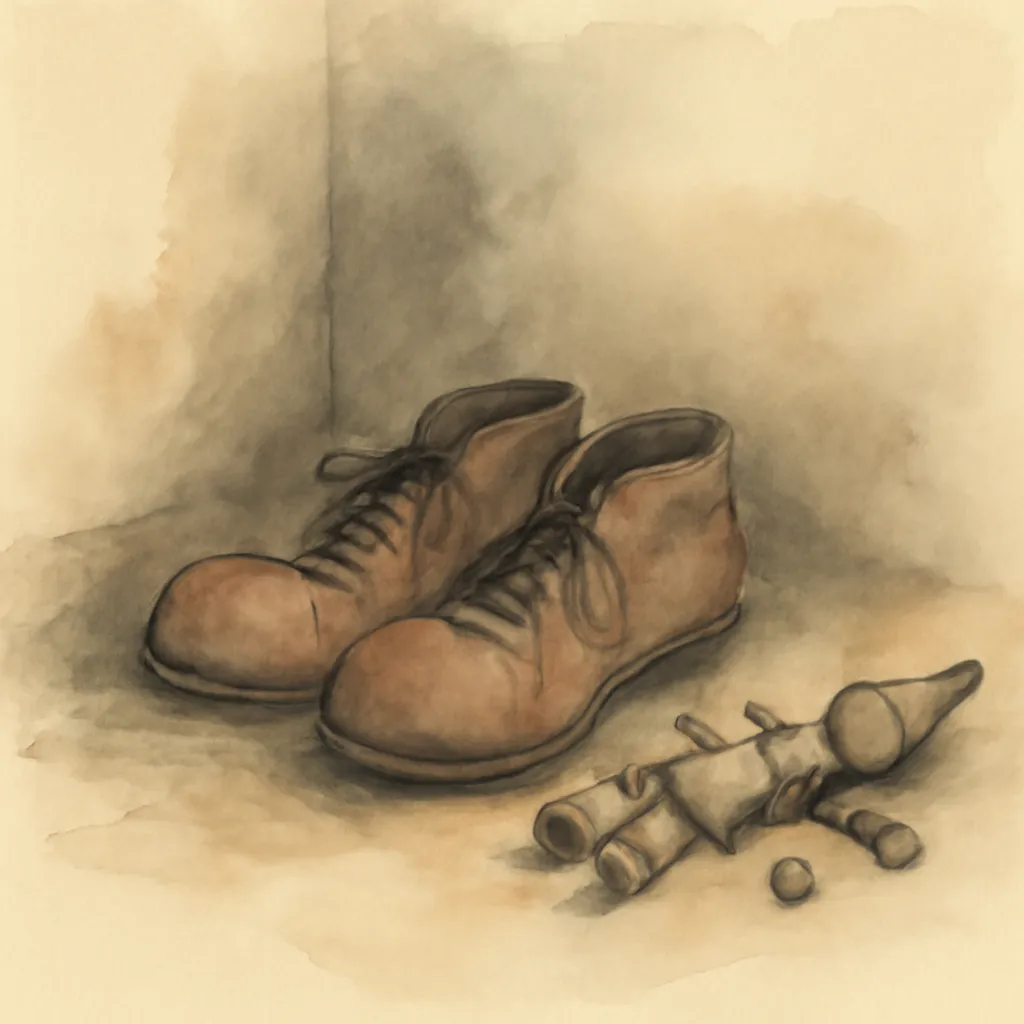
Pinter sets his play in a drab seaside boarding house, a setting that appears safe and mundane. However, this ordinariness is quickly subverted as two mysterious strangers arrive, turning the everyday into a site of threat and anxiety. The play’s power lies in how it transforms the familiar into something deeply unsettling, suggesting that menace can lurk beneath the surface of daily life.
2.Ambiguity and Uncertainty
The Birthday Party is famously ambiguous. Characters’ motives, histories, and even identities are left unclear, and the truth is constantly out of reach. This uncertainty is not accidental; Pinter uses it to challenge audiences’ expectations and force them to confront the instability of meaning itself. The result is a play that resists easy interpretation and lingers in the mind.
3.Power and Psychological Manipulation
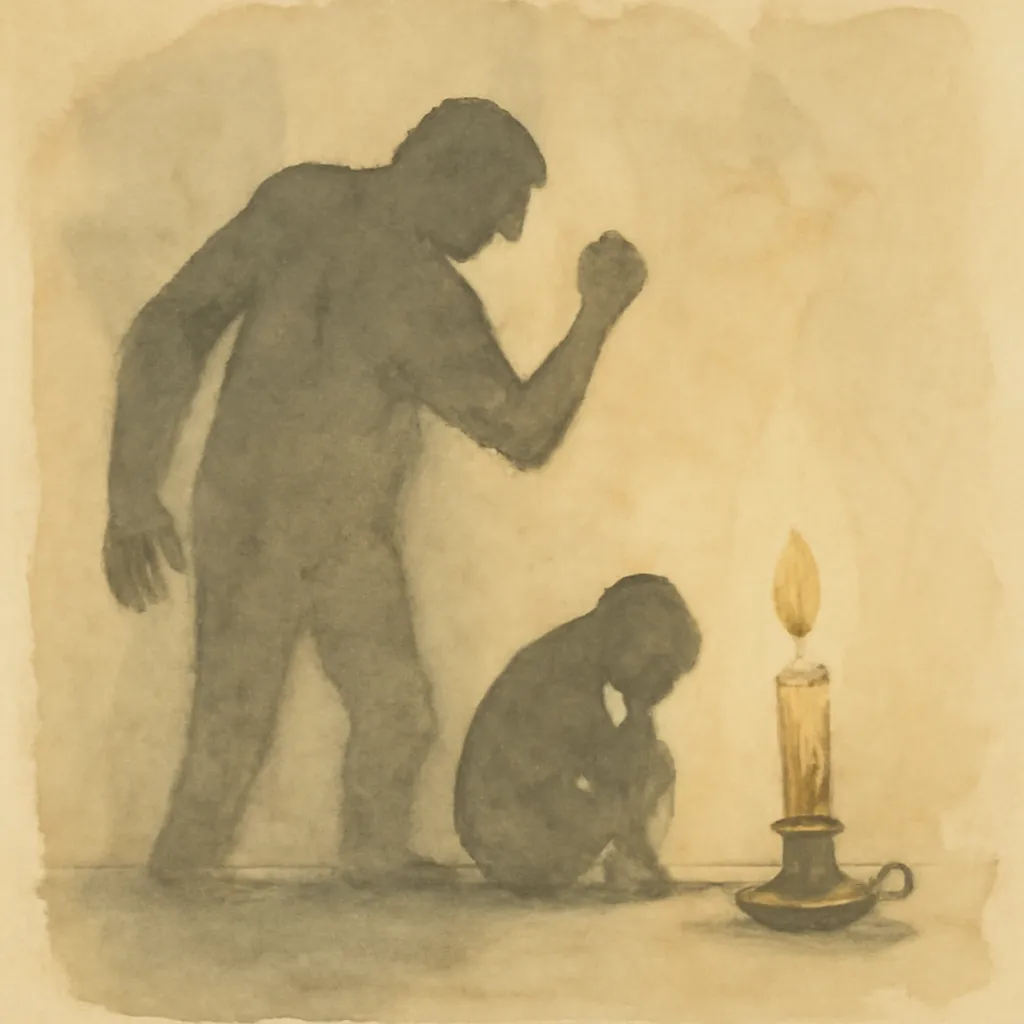
The arrival of Goldberg and McCann introduces a dynamic of interrogation and intimidation. Their psychological games with Stanley, the hapless lodger, reveal how power can be wielded through language, silence, and suggestion. The play becomes a study in how individuals and systems can break down resistance and enforce conformity through fear and confusion.
4.Identity Under Siege
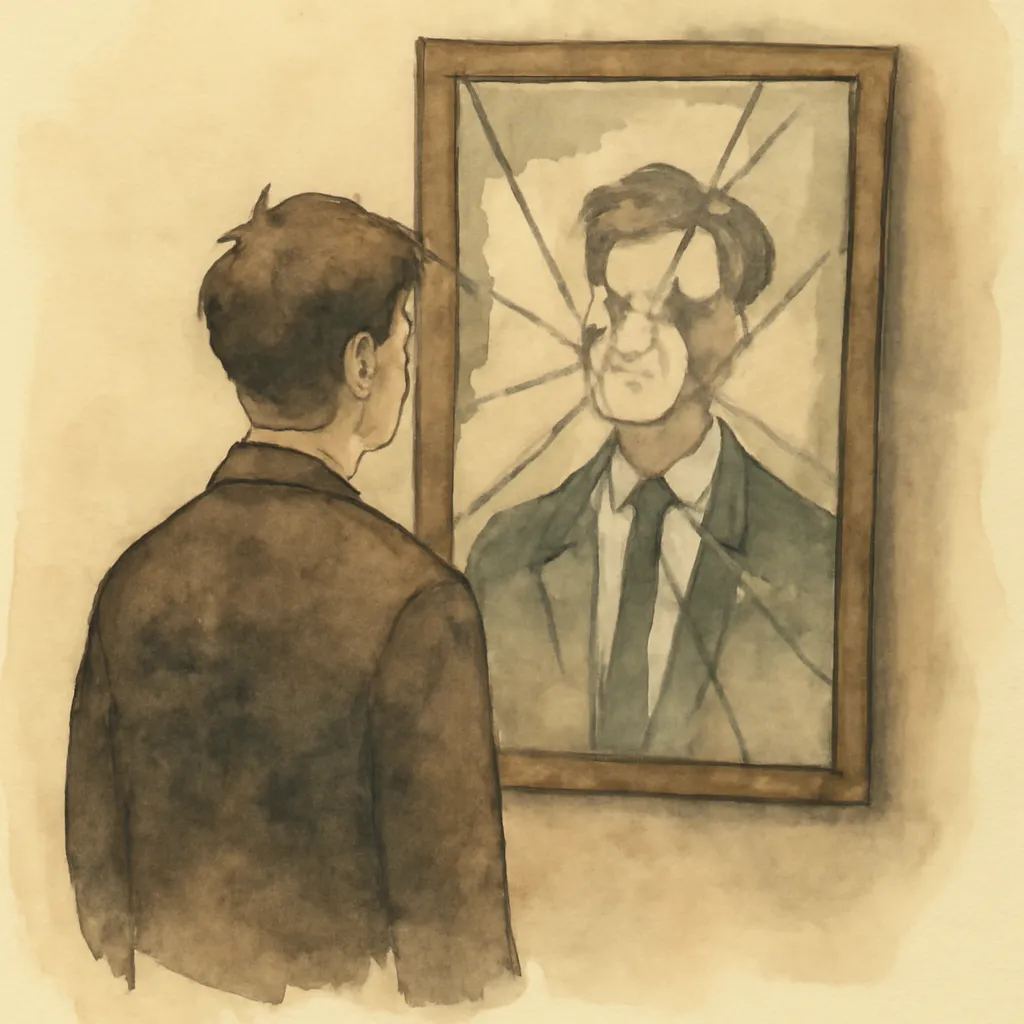
Stanley’s identity is systematically dismantled by his interrogators. The play explores how fragile personal identity can be when subjected to external pressure and how easily it can be rewritten or erased. This theme resonates with broader anxieties about individuality and the forces—social, political, or psychological—that threaten it.
5.The Absurdity of Communication
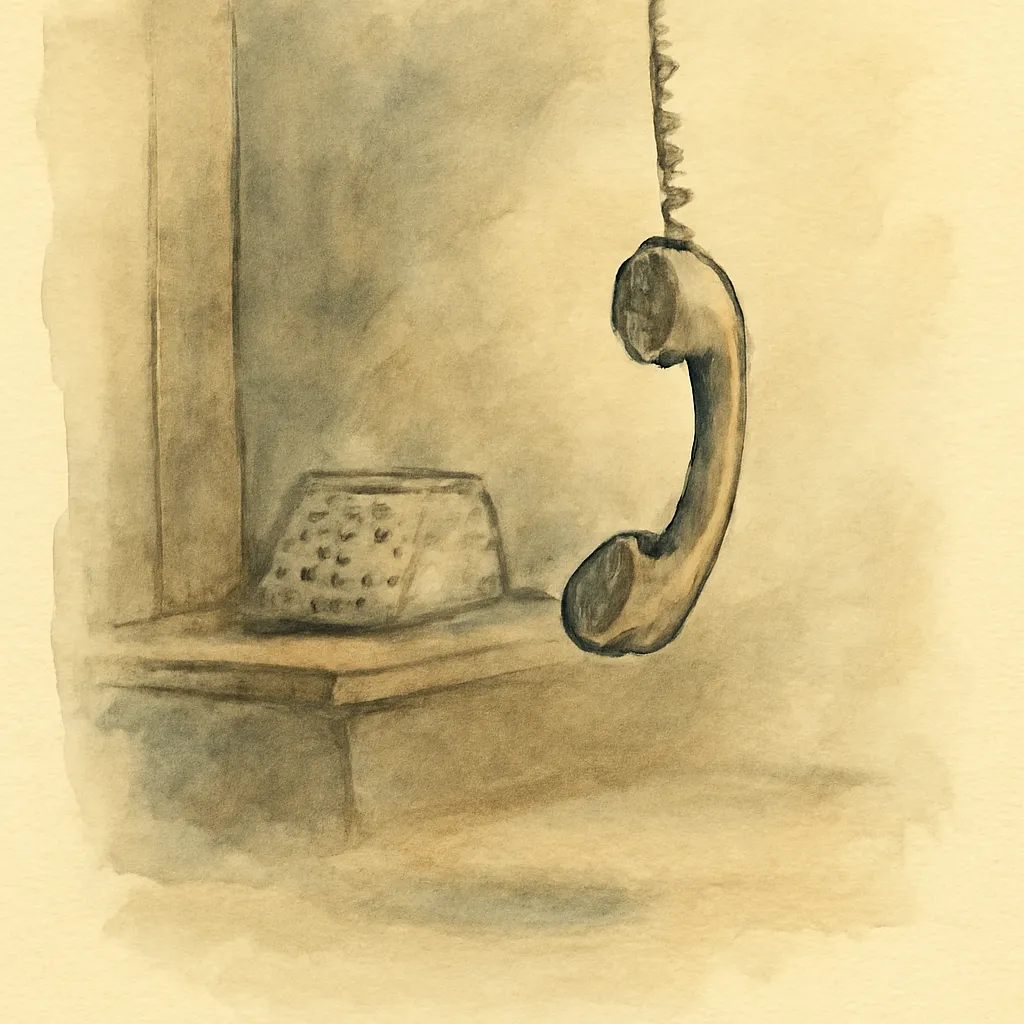
Dialogue in The Birthday Party is often circular, evasive, or nonsensical. Pinter’s famous pauses and silences heighten the sense that real communication is impossible, or at least deeply unreliable. This aligns the play with the Theatre of the Absurd, reflecting postwar existential doubts about language and meaning.
6.Comedy Amidst Dread
Despite its dark themes, the play is laced with humor—often of a bleak or absurd variety. The comedy serves to heighten, rather than relieve, the underlying tension, making the moments of menace even more jarring. Pinter’s unique blend of the comic and the sinister is a hallmark of his style.