1.The Complexity of Human Relationships

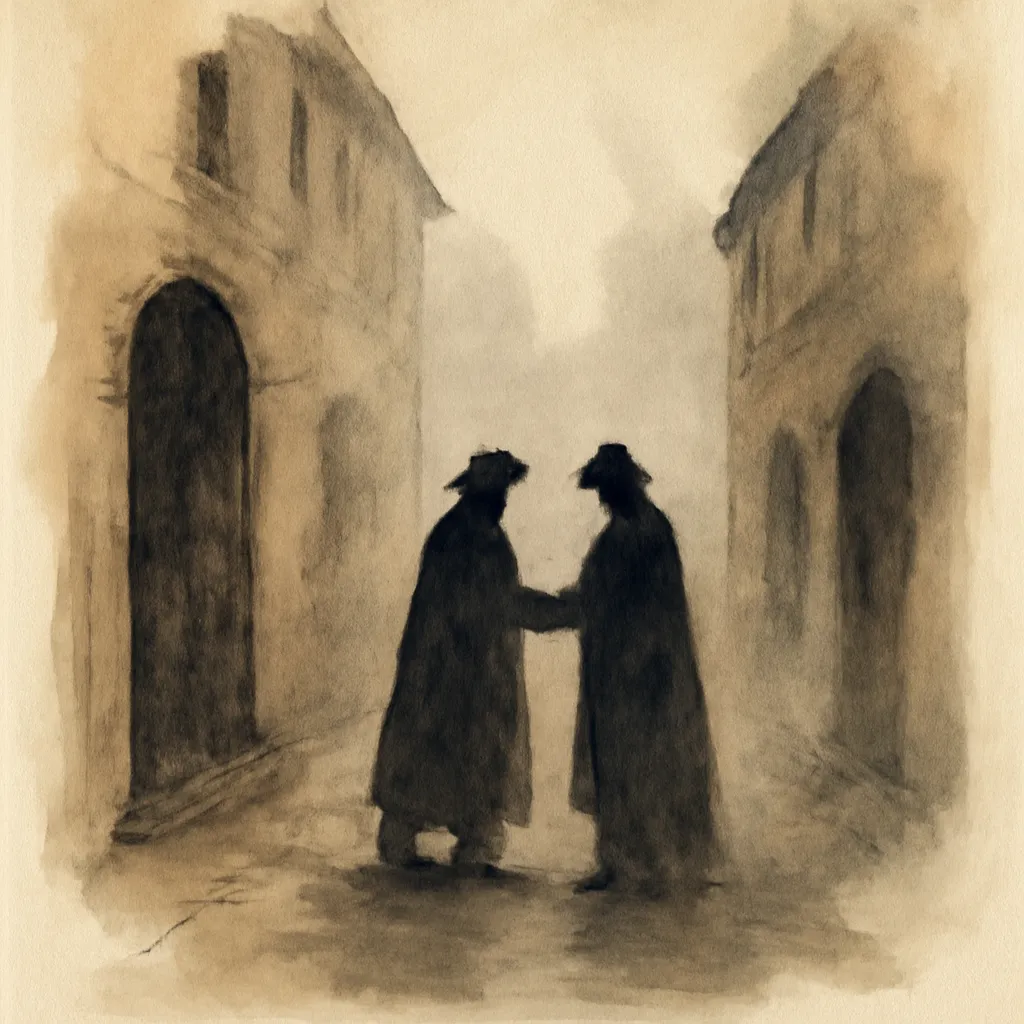
Hume's narrative intricately portrays the relationships between characters, revealing how personal ambitions and hidden agendas can complicate even the simplest interactions. The friendship between Bishop Pendle and his sons is strained by societal expectations and personal desires, particularly regarding Gabriel Pendle's secret engagement to Bell Mosk, a barmaid. This engagement highlights the class distinctions prevalent in Beorminster, where social status plays a significant role in personal relationships. The characters' motivations often clash, leading to conflicts that drive the plot forward. For instance, Mrs. Pansey's domineering personality creates friction among the clergy and townsfolk alike, illustrating how one person's ambition for control can ripple throughout a community. As the story progresses, it becomes evident that the characters' actions are influenced by their pasts and societal pressures, showcasing the complexity of human nature in a tightly-knit community.
2.The Role of Gossip and Reputation
Gossip serves as a powerful force in 'The Bishop's Secret,' shaping the characters' lives and the community's perception of them. Mrs. Pansey, a notorious social bully, exemplifies how rumors can destroy reputations and manipulate social dynamics. Her character embodies the small-town mentality where every whisper can lead to scandal and public shaming. The impact of gossip can be seen when the scandal surrounding Bell and Gabriel's relationship threatens to unravel their lives. Hume illustrates the dangers of a society that prioritizes reputation over truth, leading to misunderstandings and tragic consequences. The social landscape of Beorminster is painted vividly, revealing how gossip can serve as both a weapon and a lifeline. This theme resonates with readers, reminding them of the weight of words and the fragility of human dignity in the face of public scrutiny.
3.The Bishop's Duality
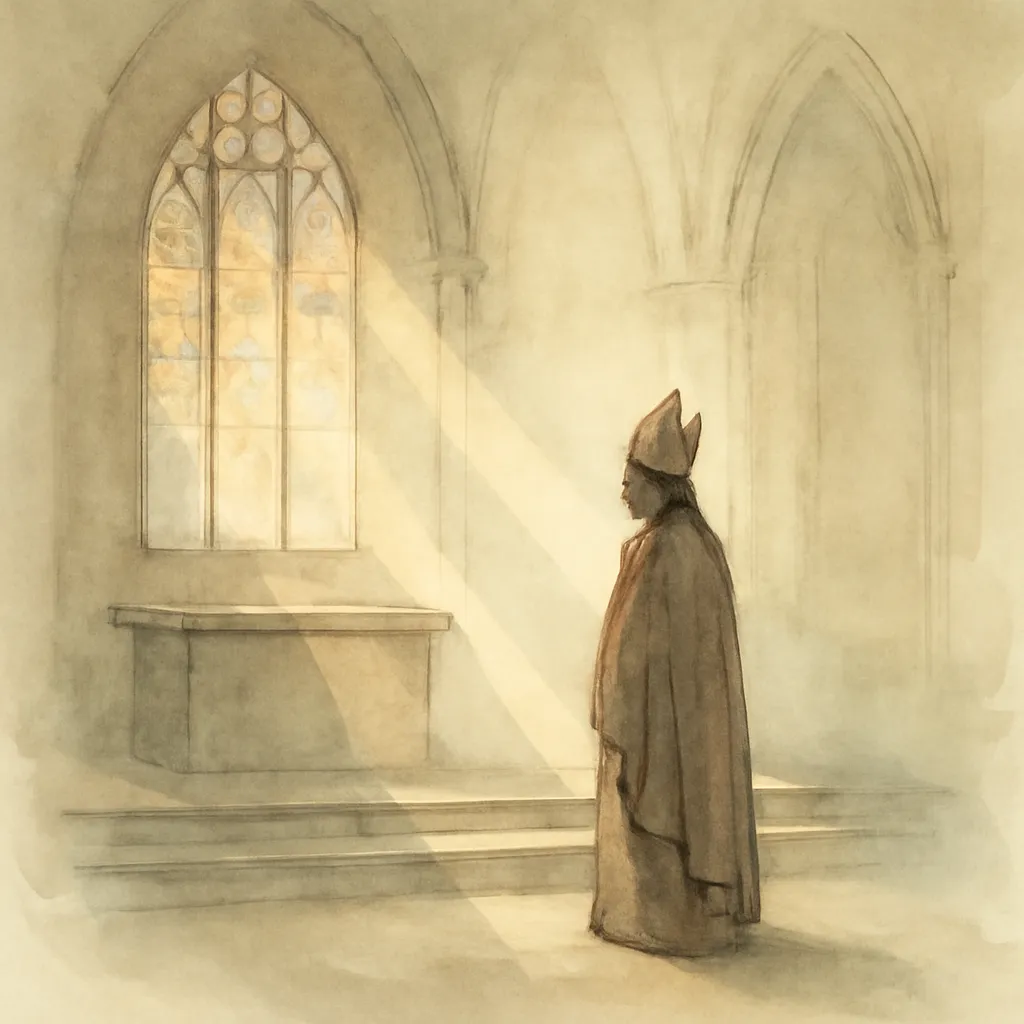
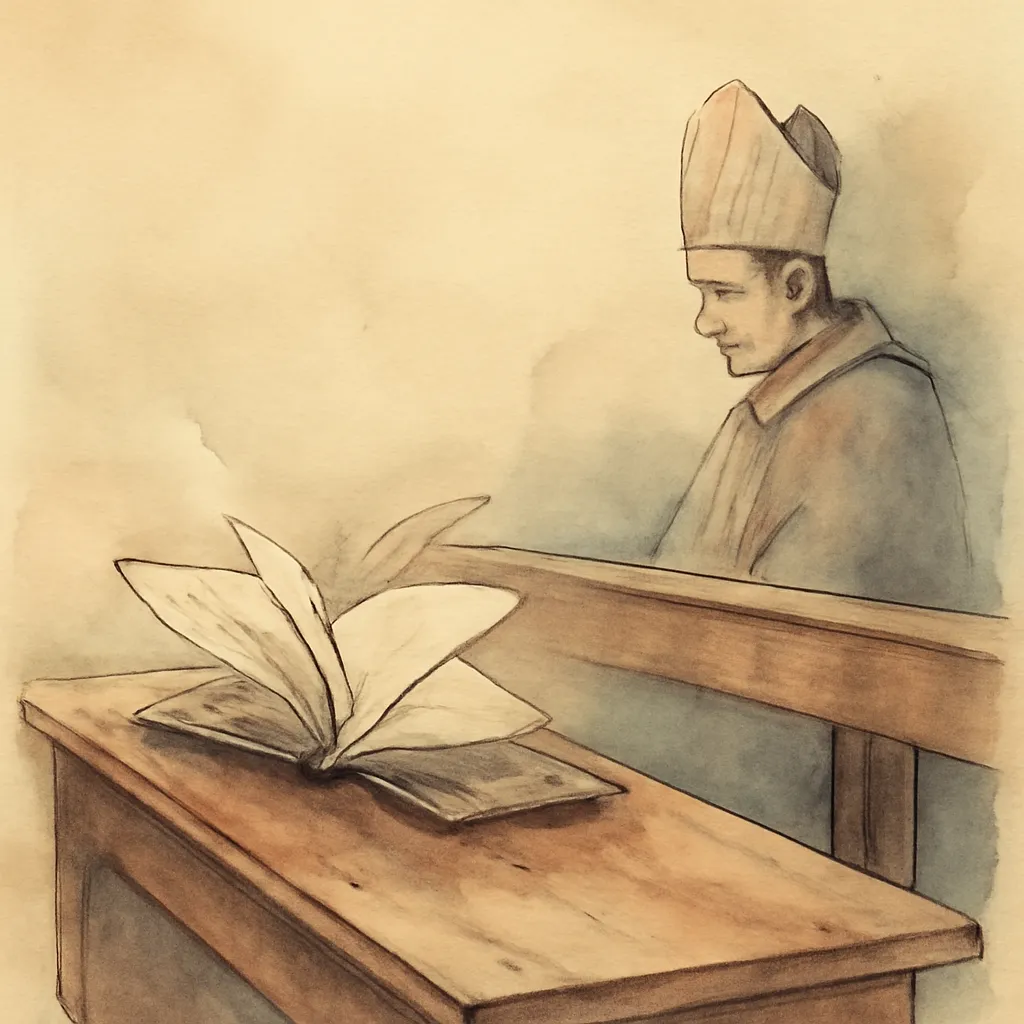
Bishop Pendle is depicted as a complex figure, embodying both authority and vulnerability. As the spiritual leader of Beorminster, he is expected to uphold moral standards and serve as a paragon of virtue. However, Hume reveals the bishop's internal struggles, particularly concerning his past and the secrets he harbors regarding his connection with Jentham, a man with a mysterious past, which complicates his position. This relationship raises questions about the morality of his actions and the lengths he will go to protect his reputation and family. Throughout the novel, Pendle’s duality is highlighted, as he oscillates between confident bishop and a man tormented by guilt and fear. His anxiety regarding his past actions illustrates the psychological toll of living with secrets. This portrayal invites readers to empathize with his plight, exploring the theme of the fallibility of even the most revered individuals.
4.The Influence of Class Distinctions
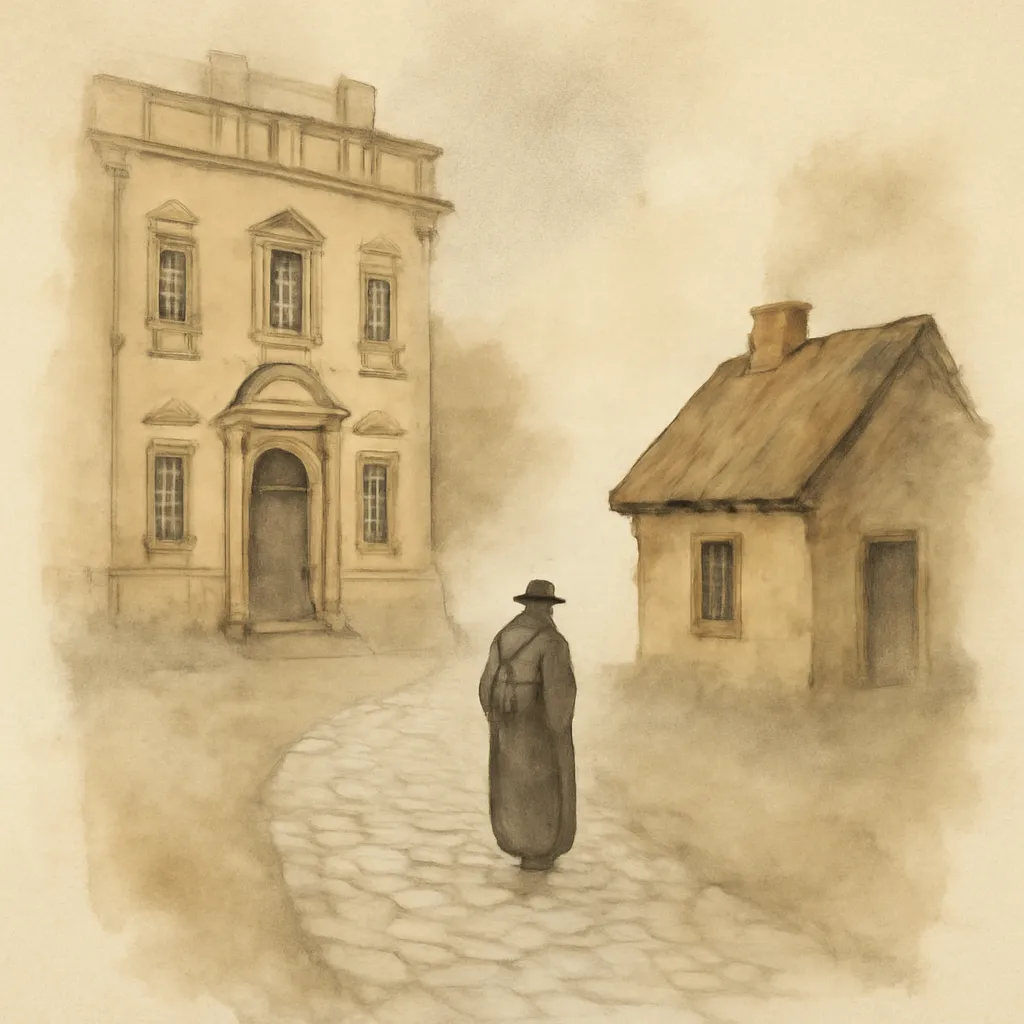
Class distinctions are a pervasive theme in 'The Bishop's Secret,' influencing the characters' interactions and decisions. The contrast between the aristocratic clergy and working-class characters like the Mosks highlights the societal divide within Beorminster. For example, Gabriel Pendle's engagement to Bell Mosk becomes a point of tension, as their differing social standings create obstacles that challenge their love. This relationship underscores the rigid social structures that dictate personal choices, prompting Hume to examine the broader implications of class-based judgments. The story challenges readers to reflect on the arbitrary nature of social hierarchies and the consequences they impose on the characters’ lives. Through Gabriel’s internal conflict and Bell’s determination, Hume illustrates the desire for authenticity and connection in a world fixated on status and appearances.
5.The Power of Secrets
Secrets are central to the narrative, driving the plot and shaping character motivations. The bishop's hidden past and his dealings with Jentham create a suspenseful atmosphere where the revelation of secrets can lead to devastating consequences. As tensions rise with the murder of Jentham, it becomes clear that the characters must navigate a treacherous landscape of deceit. Hume skillfully interweaves these secrets into the broader themes of guilt and redemption, illustrating how the burden of hidden truths can affect one’s mental and emotional state. The bishop's denial and self-deception manifest throughout the story, particularly in his interactions with his family. Hume’s exploration of the psychological impacts of secrets emphasizes that while they may protect individuals in the short term, they can also lead to isolation, despair, and ultimately, tragedy.
6.Mystery and Intrigue
Hume masterfully crafts a mystery that unfolds gradually, engaging readers with unexpected twists and turns. The murder of Jentham serves as the catalyst for the unraveling of various plotlines, intertwining the lives of the characters in unforeseen ways. As the investigation progresses, Hume introduces a cast of suspects, each harboring their own motives and secrets, deepening the intrigue surrounding the case. The narrative structure heightens the tension, with each revelation leading to new questions and deeper mysteries. Hume’s ability to maintain suspense while exploring character development is a testament to his skill as a storyteller, ensuring that readers remain invested in the outcomes of the characters. The eventual unraveling of the mystery not only serves to resolve the plot but also acts as a catalyst for character growth, forcing individuals to confront their pasts.
7.The Influence of Setting
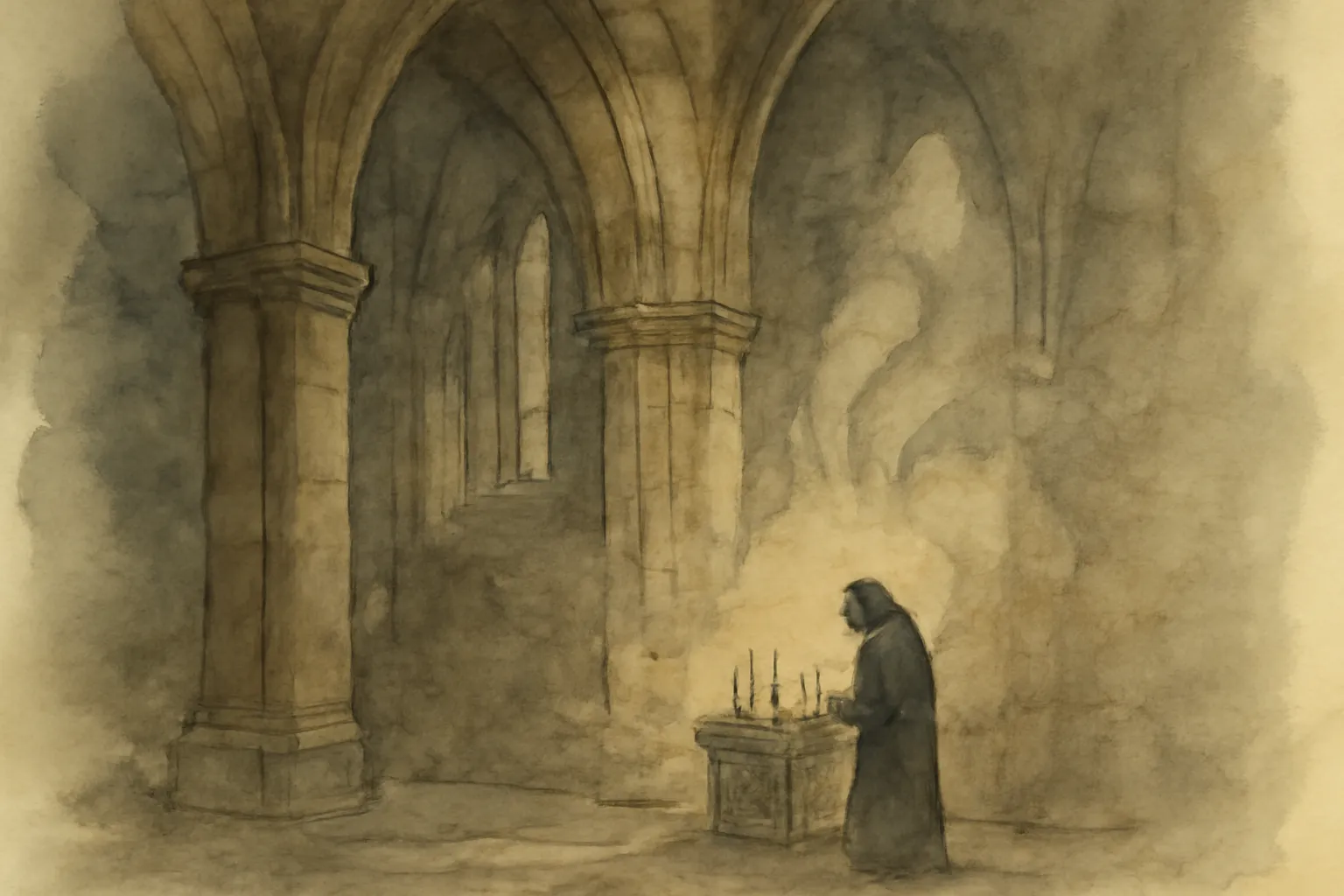
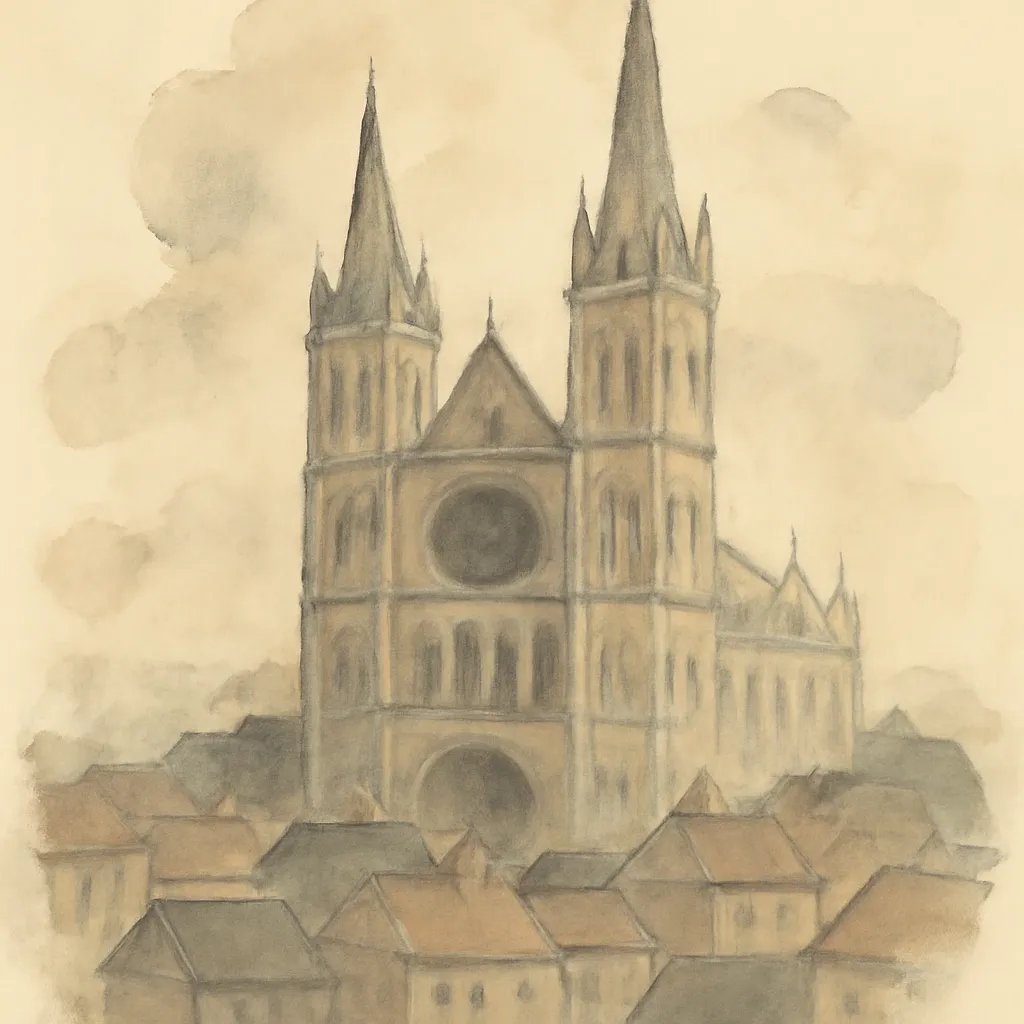
The setting of Beorminster plays a crucial role in shaping the atmosphere and themes of the novel. The cathedral city, with its rich history and beautiful architecture, serves as a backdrop for the unfolding drama. Hume’s vivid descriptions of the cathedral and the bishop’s palace create an immersive environment that reflects the grandeur and decay of the ecclesiastical world. The contrast between the opulence of the bishop’s residence and the struggles of the townsfolk highlights the disparities within the community. Additionally, the setting affects the characters’ behaviors and decisions, as they navigate the expectations and norms of their society. The gothic elements of the cathedral and the bustling streets of Beorminster symbolize the weight of tradition, and Hume effectively uses this symbolism to enhance the reader’s understanding of the characters’ motivations and societal pressures.
8.The Intersection of Faith and Morality
Faith and morality are intertwined themes in 'The Bishop's Secret,' influencing the characters' choices and actions. Bishop Pendle's role as a spiritual leader complicates his personal dilemmas, as he grapples with the moral implications of his past. Hume explores the conflict between religious duties and personal desires through the bishop’s interactions with his family and the community. The characters' varying interpretations of faith further complicate the narrative, as they navigate moral ambiguities in their lives. For instance, Gabriel’s struggle with his feelings for Bell juxtaposes societal expectations with personal happiness, revealing the complexities of love in a morally charged environment. Hume prompts readers to consider the complexities of faith and morality, emphasizing that the path to righteousness is often fraught with challenges and contradictions that test the characters’ integrity and resolve.
9.The Role of Women in Society
The portrayal of women in 'The Bishop's Secret' reflects the societal norms and expectations of the time. Characters like Mrs. Pansey and Bell Mosk represent different facets of womanhood, from the domineering matriarch to the spirited young woman seeking independence. Hume captures the limitations placed on women, particularly in the context of marriage and social status. Bell's relationship with Gabriel Pendle illustrates the struggle for agency within a patriarchal society, where love and social standing often conflict. The novel highlights how women navigate their roles with varying degrees of success, showcasing their resilience and strength in the face of adversity. Hume's nuanced portrayal invites readers to reflect on the evolving roles of women and the ongoing challenges they face in asserting their identities and desires in a world that often seeks to suppress them.
10.The Consequences of Ambition
Ambition drives many characters in 'The Bishop's Secret,' often leading to moral compromises and tragic outcomes. Cargrim’s ambition to gain power over the bishop exemplifies the lengths to which individuals will go to secure their positions. His scheming and manipulation highlight the darker aspects of ambition, where personal gain takes precedence over ethical considerations. Similarly, Bishop Pendle’s desire to maintain his reputation and authority leads him to make questionable decisions regarding Jentham. Hume illustrates that while ambition can inspire greatness, it can also lead to destructive behavior when unbridled. The narrative serves as a cautionary tale about the perils of ambition, encouraging readers to consider the ethical implications of their aspirations and the potential fallout from their choices. Ultimately, the novel suggests that ambition, when pursued without regard for morality, can lead to one's downfall.