1.The Myth of the Blank Slate
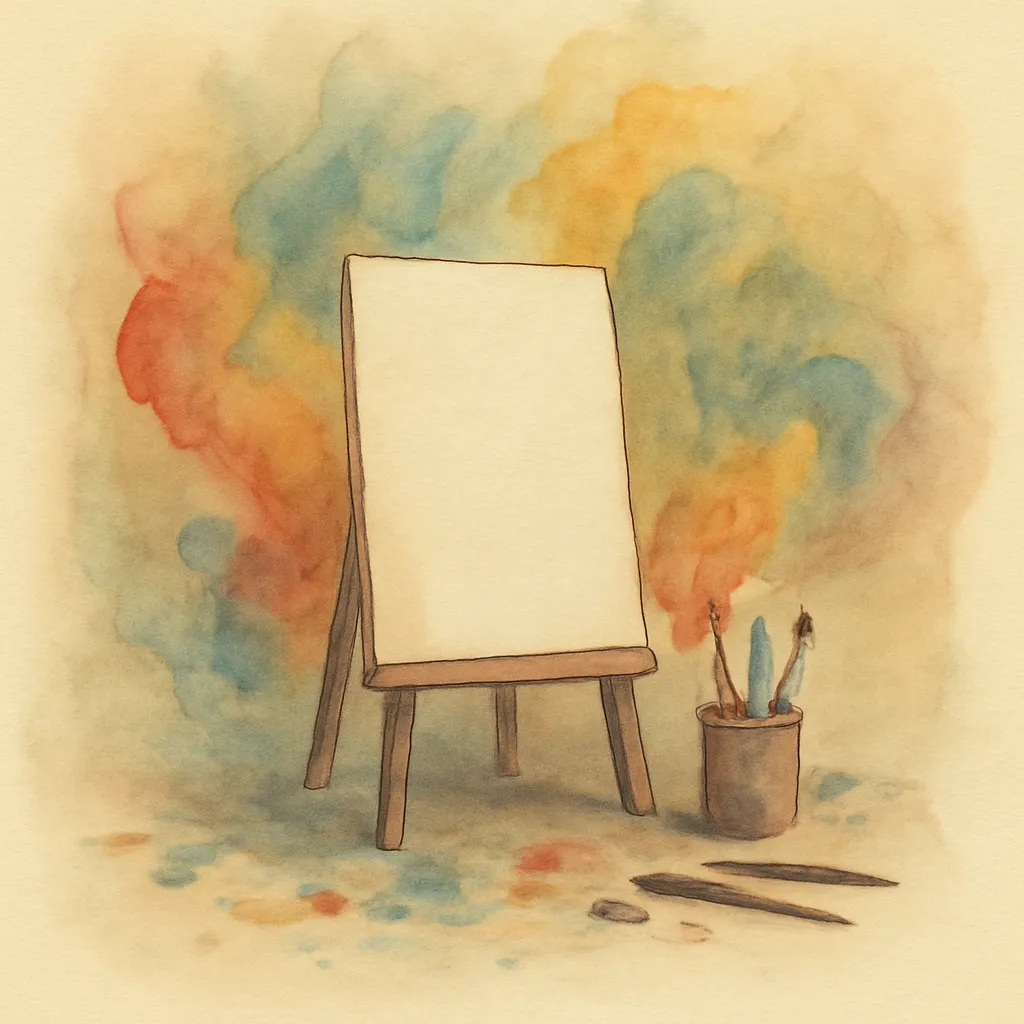
Pinker critiques the long-standing belief that the human mind is a blank slate at birth, shaped entirely by environment and upbringing. He traces the origins of this idea to Enlightenment philosophy and shows how it has influenced modern social science and policy. Pinker argues that denying innate human tendencies not only conflicts with scientific evidence but also blinds us to the real roots of behavior, making it harder to address social problems effectively.
2.Human Nature is Real and Evolved
Drawing on research from psychology, neuroscience, and evolutionary biology, Pinker contends that humans are born with certain predispositions—emotional responses, cognitive abilities, and social instincts—that have evolved over millennia. These innate traits do not mean that behavior is fixed or unchangeable, but they do set boundaries on what culture alone can accomplish. Recognizing this helps us understand both the universality and diversity of human societies.
3.The Dangers of Denying Human Nature
Pinker warns that clinging to the blank slate doctrine can have unintended consequences. It can lead to unrealistic social engineering projects, scapegoating of parents, and the suppression of scientific inquiry. By refusing to acknowledge the biological aspects of behavior, societies risk crafting policies based on wishful thinking rather than reality, which can ultimately do more harm than good.
4.Nature and Nurture: A False Dichotomy
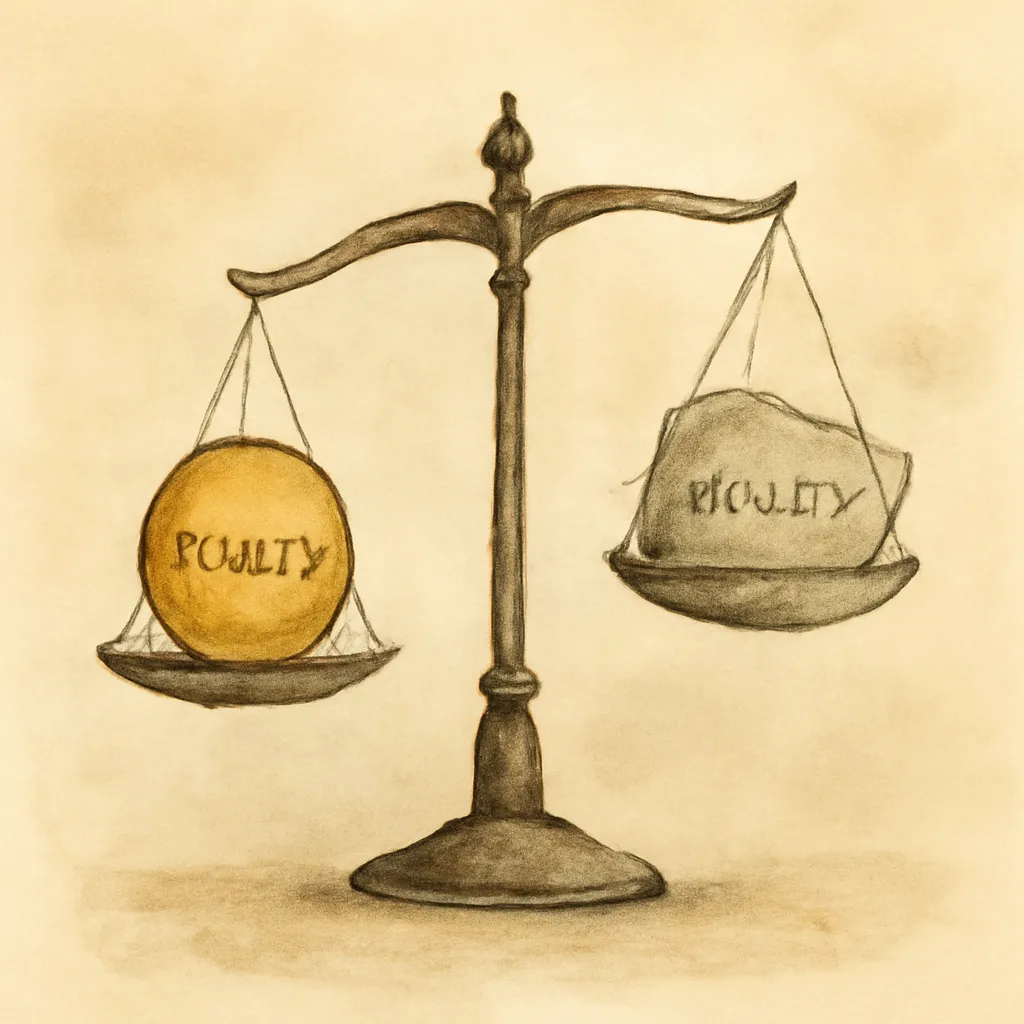
Rather than pitting biology against culture, Pinker advocates for a nuanced understanding of how genes and environment interact. He explains that while our minds come with built-in tendencies, culture and experience shape how these tendencies are expressed. This interplay is complex, and recognizing it allows for a more realistic and compassionate approach to issues like education, crime, and inequality.
5.Implications for Morality and Politics
Pinker explores how beliefs about human nature influence moral and political debates. The blank slate view often underpins utopian visions of perfectibility, while its rejection can be misused to justify inequality or fatalism. Pinker argues for a middle ground: acknowledging our biological inheritance does not doom us to injustice, but rather equips us to create fairer and more humane societies by working with, not against, our nature.
6.Art, Violence, and Parenting Reconsidered
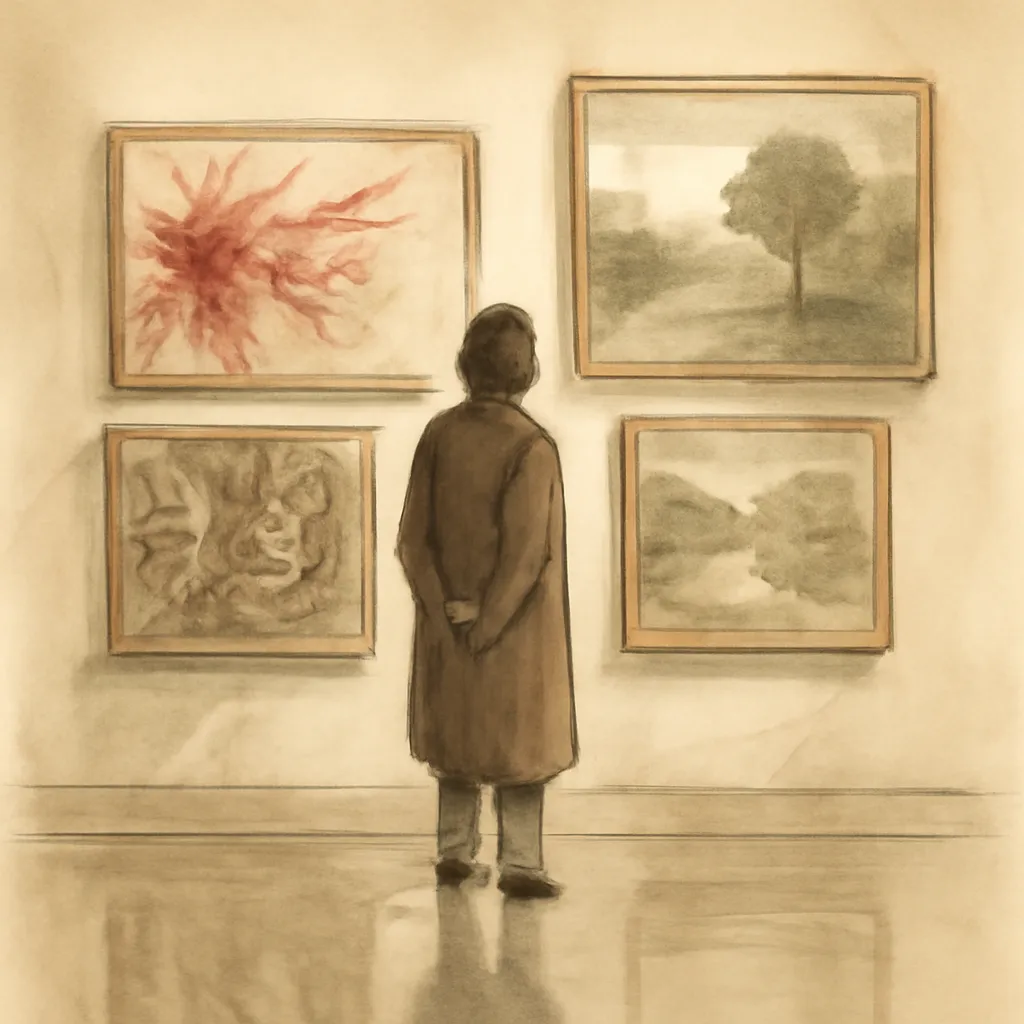
The book applies its core ideas to diverse topics, from the origins of violence to the appreciation of art and the limits of parental influence. Pinker shows that understanding our evolved psychology can shed light on why certain forms of art resonate, why violence persists, and why parenting has less power to shape adult personality than many believe. These insights challenge conventional wisdom and invite readers to rethink familiar debates.