1.Humanizing the Victim
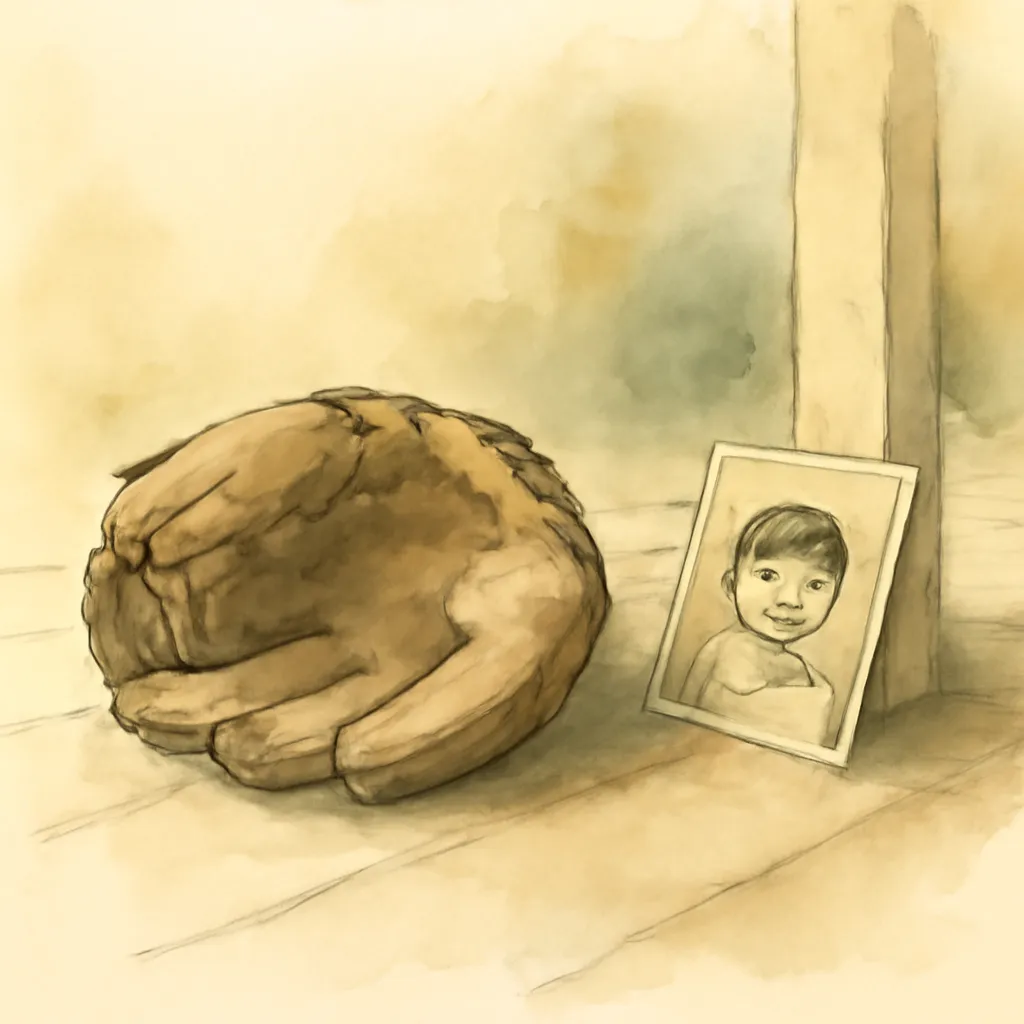
Tyson insists on seeing Emmett Till not as a distant symbol, but as a real boy—playful, vulnerable, and full of promise. By reconstructing Till’s life and personality, the book challenges readers to confront the loss not just of a cause, but of a child. This approach deepens the emotional impact and underscores the brutality of the crime, making the injustice more immediate and less abstract. It also forces a reckoning with the ways in which Black children have historically been denied innocence and protection.
2.Revisiting the Crime and Its Aftermath
Drawing on new interviews and evidence, including a pivotal confession from Carolyn Bryant (the white woman whose accusation set the tragedy in motion), Tyson reexamines what actually happened in Money, Mississippi in 1955. He exposes the lies and distortions that shaped public understanding, and demonstrates how the legal system was rigged to protect white supremacy. The book’s investigative rigor challenges long-held narratives and highlights the complicity of both individuals and institutions.
3.The Power of Public Witness
Mamie Till-Mobley’s decision to hold an open-casket funeral for her son, insisting 'the whole nation had to bear witness,' becomes a central motif. Tyson shows how this act galvanized national outrage and transformed private grief into collective action. The book explores the role of Black media, activists, and ordinary citizens in amplifying the story, illustrating how bearing public witness can be a potent force for social change.
4.The Roots of the Civil Rights Movement
Tyson connects the Till case directly to the emergence of the civil rights movement, tracing how the outrage it sparked inspired figures like Rosa Parks and galvanized a generation of activists. The book situates Till’s murder within the broader backlash to Brown v. Board of Education, arguing that white violence was both a reaction to and a catalyst for Black resistance. This context helps readers understand why Till’s name remains a rallying cry decades later.
5.Memory, Myth, and Historical Reckoning
The book interrogates how the story of Emmett Till has been remembered, distorted, and used—both as a symbol of injustice and as a tool for denial or forgetting. Tyson explores the tension between mythologizing and honest remembrance, urging readers to confront uncomfortable truths about America’s past and present. He argues that genuine reconciliation requires facing the full horror of what happened, rather than sanitizing or simplifying the story.
6.Continuing Relevance in the Age of #BlackLivesMatter
Tyson draws explicit lines from the Till case to contemporary movements against racial violence. By showing how the same patterns of dehumanization, impunity, and protest recur, he makes a compelling case for the book’s urgency today. The narrative invites readers to see Emmett Till not as a relic of the past, but as a touchstone for ongoing struggles for justice and accountability.