1.The Weight of Expectations

Valancy Stirling embodies the struggles of women confined by societal expectations and familial pressures. As she navigates her 29th birthday, she confronts the painful reality of being labeled an old maid in a society that equates a woman's worth with her marital status. This societal pressure is compounded by her family's relentless scrutiny, particularly from her mother, who epitomizes the traditional values that Valancy feels suffocated by. The narrative poignantly illustrates the emotional toll of these expectations, as Valancy yearns for romance and validation but is instead met with disdain and condescension. For Valancy, the sting is not merely in being an old maid but in the loneliness and invisibility that come with it. She reflects on missed opportunities and the shame attached to being unmarriageable, revealing the deep-seated fears that plague her thoughts. This theme resonates deeply with readers, highlighting the universal struggle against societal norms that dictate personal happiness.
2.The Catalyst of Change
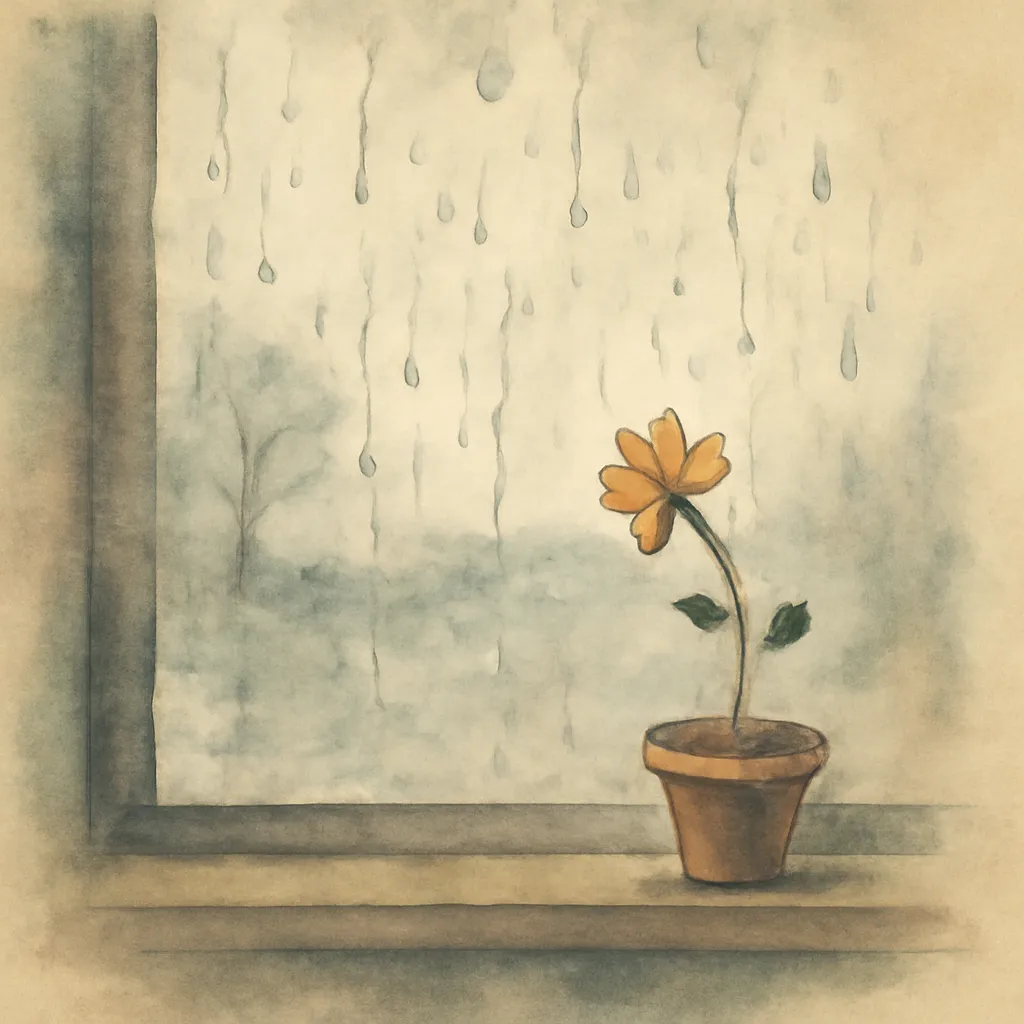
A rainy day on Valancy's birthday serves as the catalyst for her transformation. Initially, the rain represents the dreariness of her life, trapping her in a cycle of monotony and despair. However, it ultimately forces her to confront her own feelings and desires, leading to a pivotal moment of self-realization. Valancy's reflection on her life reveals a simmering discontent that propels her toward a radical decision: to embrace her individuality and seek happiness on her own terms. This turning point is marked by her internal dialogue, contemplating what life would truly be if she were free to make her own choices, unencumbered by her family's expectations. The moment she resolves to live authentically is ignited by her decision to voice her long-suppressed desires, showcasing the notion that sometimes, external circumstances can ignite profound internal change, pushing individuals to break free from the constraints that bind them.
3.The Power of Defiance
Valancy's journey is marked by a series of defiant acts that signal her rejection of societal norms. From refusing to adhere to her mother's rigid expectations to cutting down her unyielding rosebush, each act of rebellion symbolizes her growing desire for autonomy. These moments of defiance are not just about rejecting her family's authority; they represent a deeper yearning for self-fulfillment and authenticity. Valancy's declaration that she will no longer respond to her childhood nickname, 'Doss,' further exemplifies her determination to redefine herself. This theme of defiance resonates throughout the novel, illustrating the importance of standing up for one's beliefs and desires in the face of societal pressure. Valancy's actions reflect a broader struggle for women's rights and personal agency, as she begins to dismantle the constraints of her upbringing and forge her own identity.
4.The Search for Identity
As Valancy leaves her family's home, she embarks on a quest for identity that transcends mere rebellion. Her time spent at Roaring Abel's house allows her to explore her true self, free from the expectations of her family. In this new environment, she discovers a sense of agency and independence, cultivating her interests and passions. The contrast between her life in Deerwood and her new existence underscores the idea that identity is often shaped by one's surroundings and choices. Valancy's journey becomes a testament to the power of self-discovery, as she learns to embrace her quirks, desires, and individuality without fear or shame. She engages in simple yet meaningful activities, such as gardening and cooking, which allow her to reconnect with herself and find joy in the mundane. These experiences illustrate that identity is not merely a reflection of societal expectations but a rich tapestry woven from personal experiences and choices.
5.The Role of Friendship
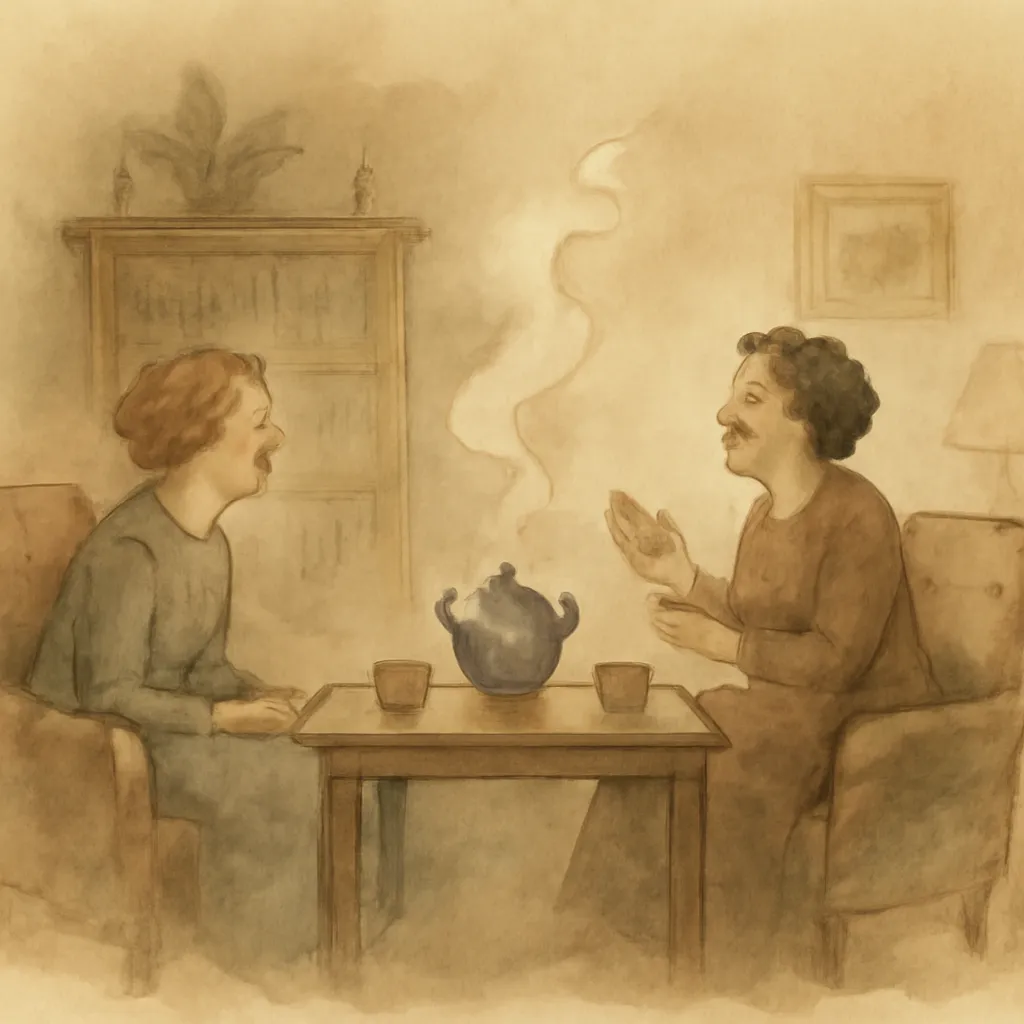
Friendship plays a crucial role in Valancy's transformation, particularly her relationship with Cissy Gay and Roaring Abel. These characters provide Valancy with the support and understanding she lacks in her family. Cissy, despite her own struggles, becomes a confidante and source of inspiration for Valancy, encouraging her to embrace her true self. Through their conversations, Valancy gains empathy for Cissy's past and learns that everyone has their burdens. Meanwhile, Roaring Abel serves as a mentor and protector, demonstrating that unconventional relationships can offer profound emotional support. This theme emphasizes the importance of companionship and solidarity in the pursuit of personal happiness, illustrating that friendship can be a powerful catalyst for change. Valancy finds solace in the acceptance and freedom that these friendships provide, allowing her to flourish in her newfound independence.
6.Love as a Transformative Force

Valancy's romantic relationship with Barney Snaith serves as the ultimate expression of her newfound freedom and self-acceptance. Their connection blossoms in a natural, unforced manner, contrasting sharply with the stifling expectations of her family. Barney represents not only a romantic interest but also a partner who respects Valancy's individuality and encourages her to embrace her desires. Their interactions are filled with a sense of playfulness and mutual respect, allowing Valancy to experience love in a way she has never imagined. This relationship highlights the transformative power of love, illustrating how genuine affection can inspire individuals to overcome their fears and societal constraints. As Valancy learns to love herself, she becomes capable of loving another, illustrating the interconnectedness of self-worth and romantic fulfillment. Their relationship is not just a romantic escape but a partnership that empowers Valancy, helping her to realize that she is deserving of love and happiness.
7.The Significance of the Blue Castle
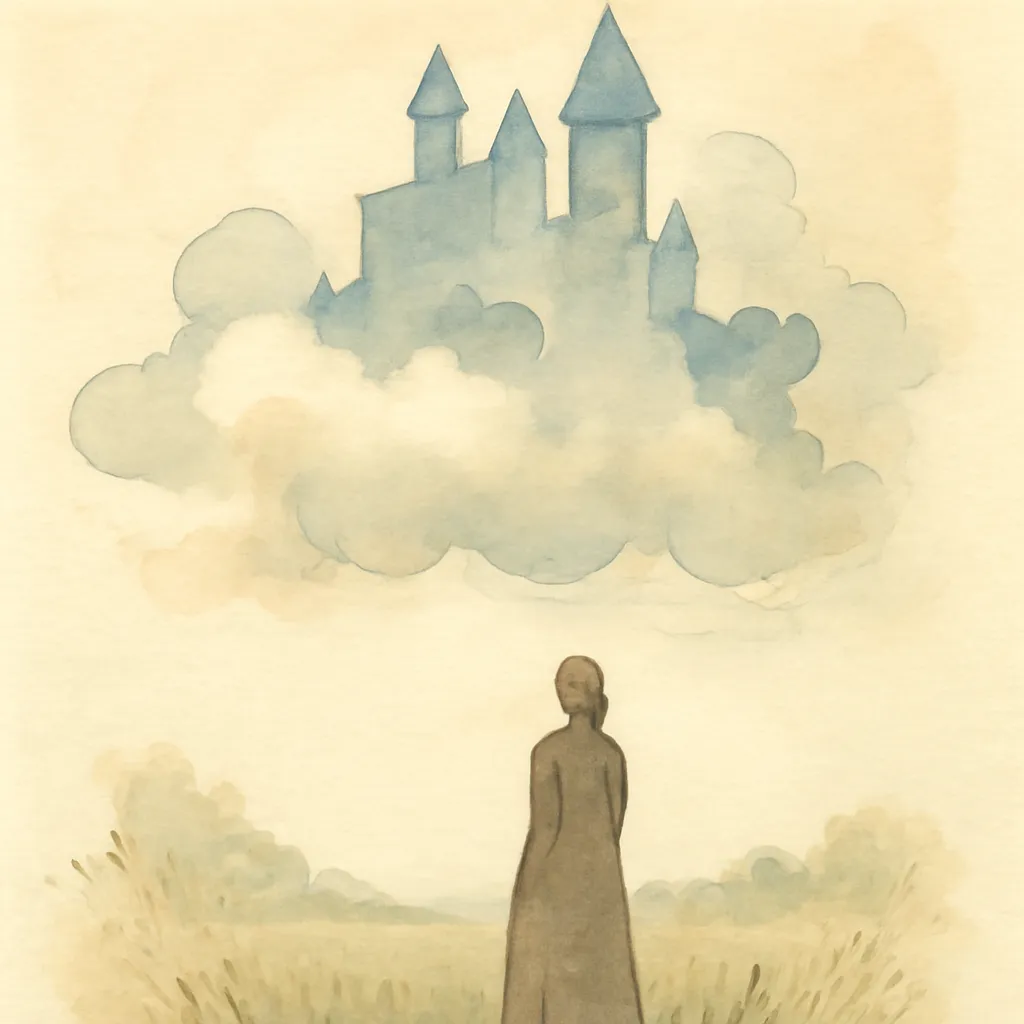
The titular 'Blue Castle' symbolizes Valancy's dreams and aspirations—an ideal place where she can be free from judgment and fully express herself. Initially, the Blue Castle exists only in her imagination, a distant fantasy that represents a life of joy, love, and authenticity. However, as Valancy embarks on her journey of self-discovery, she begins to realize that the Blue Castle is not a physical location but a state of mind. This realization underscores the idea that true happiness comes from within and that individuals have the power to create their own realities, regardless of societal limitations. The Blue Castle ultimately becomes a metaphor for the pursuit of one's dreams and the courage to live authentically, serving as a beacon of hope for those who feel trapped by their circumstances. Valancy's vision of the Blue Castle inspires her to take bold steps toward achieving her aspirations, reminding readers that the path to self-fulfillment begins with envisioning a better life.
8.The Conflict Between Tradition and Progress

The novel explores the tension between traditional values and the desire for personal freedom, particularly through the lens of Valancy's family dynamics. The Stirlings represent the conservative, status-quo ideology that values reputation and conformity over individuality. Valancy's rebellion against these traditions serves as a critique of the societal norms that dictate women's roles and behaviors. This conflict is illustrated through her family's reactions to her choices, which range from shock to indignation. The narrative challenges readers to consider the consequences of adhering to outdated traditions and the importance of embracing progressive ideals that promote personal growth and self-fulfillment. Valancy's journey becomes a microcosm of the broader social changes occurring in early 20th-century society, where women began to assert their rights and seek independence from patriarchal expectations. Through Valancy, the novel advocates for the necessity of questioning tradition in favor of personal truth.
9.The Journey Towards Acceptance
Valancy's journey is ultimately one of acceptance—both of herself and her past. As she confronts her family's expectations and her own fears, she learns to embrace her flaws and insecurities. This acceptance is crucial in her transformation, allowing her to let go of the guilt and shame that have held her captive for so long. The narrative emphasizes that self-acceptance is not a destination but an ongoing process, one that requires courage and introspection. Valancy's ability to forgive herself for her perceived shortcomings and to embrace her true self is a powerful message about the importance of self-love in the journey toward happiness. As she navigates her relationships with friends, family, and her romantic partner, Valancy learns that acceptance often comes from understanding and acknowledging her life's complexities, ultimately leading her to a more fulfilling existence.
10.The Impact of Tragedy on Personal Growth
Throughout the novel, Valancy's interactions with tragedy—particularly through Cissy's illness and death—serve as pivotal moments in her emotional growth. These experiences force Valancy to confront the fragility of life and the importance of seizing the moment. Cissy's story, marked by love and loss, resonates deeply with Valancy, prompting her to reflect on her own choices and the life she desires. The theme of tragedy underscores the idea that personal growth often emerges from hardship and that embracing life's complexities can lead to profound transformation. Valancy's resilience in the face of tragedy highlights the strength of the human spirit and the capacity for renewal and hope. Through Cissy's passing, Valancy learns that life is too short for regrets and that she must pursue her dreams with urgency and courage, further motivating her to live authentically.
11.The Freedom Found in Letting Go
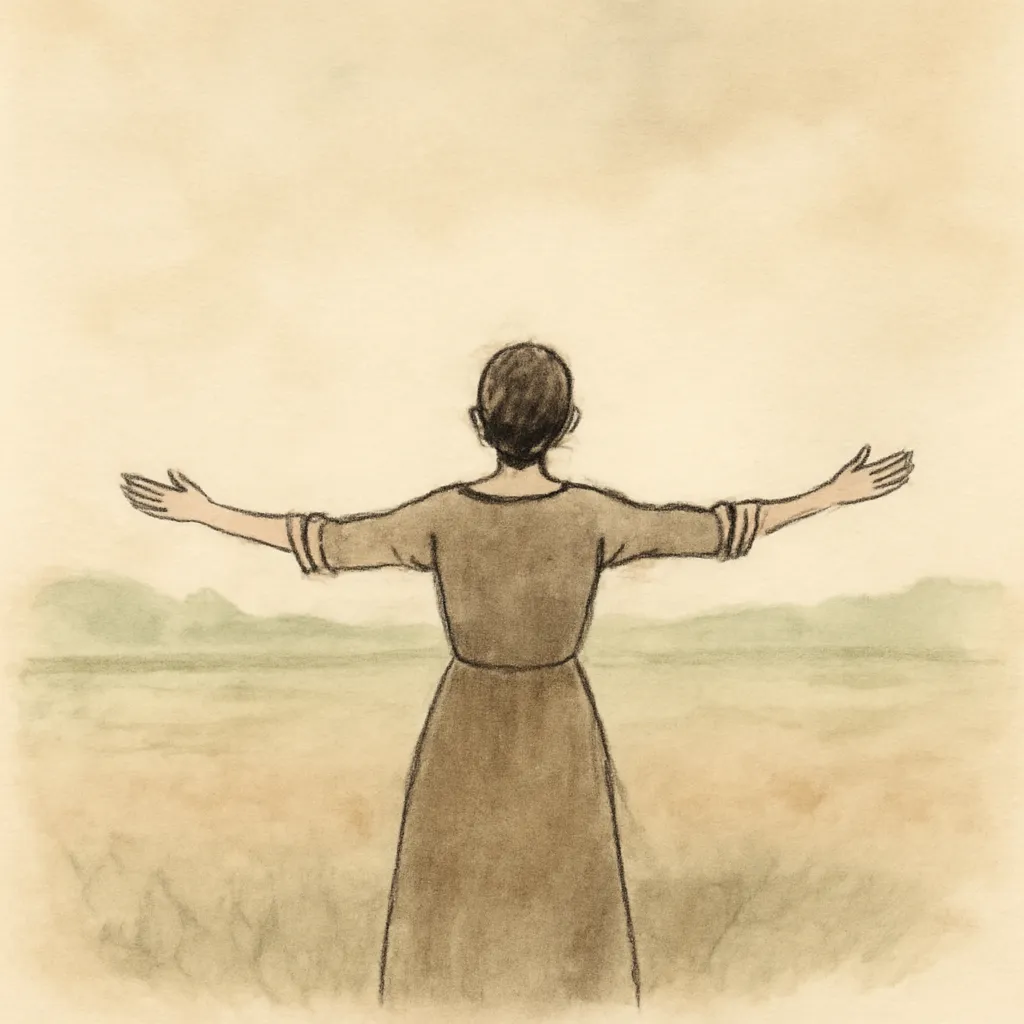
As Valancy distances herself from her family and the expectations that have defined her life, she discovers a profound sense of freedom. This freedom is not merely physical but psychological, as she learns to let go of the fear and shame that have held her captive. The act of leaving her old life behind symbolizes a rebirth, allowing Valancy to explore her identity without the constraints of her past. This theme emphasizes the importance of relinquishing toxic relationships and societal expectations in order to embrace one's true self. Valancy's journey serves as a reminder that liberation often begins with the courage to let go of what no longer serves us. In her newfound independence, she finds the courage to pursue her passions, make her own choices, and ultimately shape her destiny, showcasing that true freedom lies in self-acceptance and authenticity.