1.The Everyday Miracle of the Body
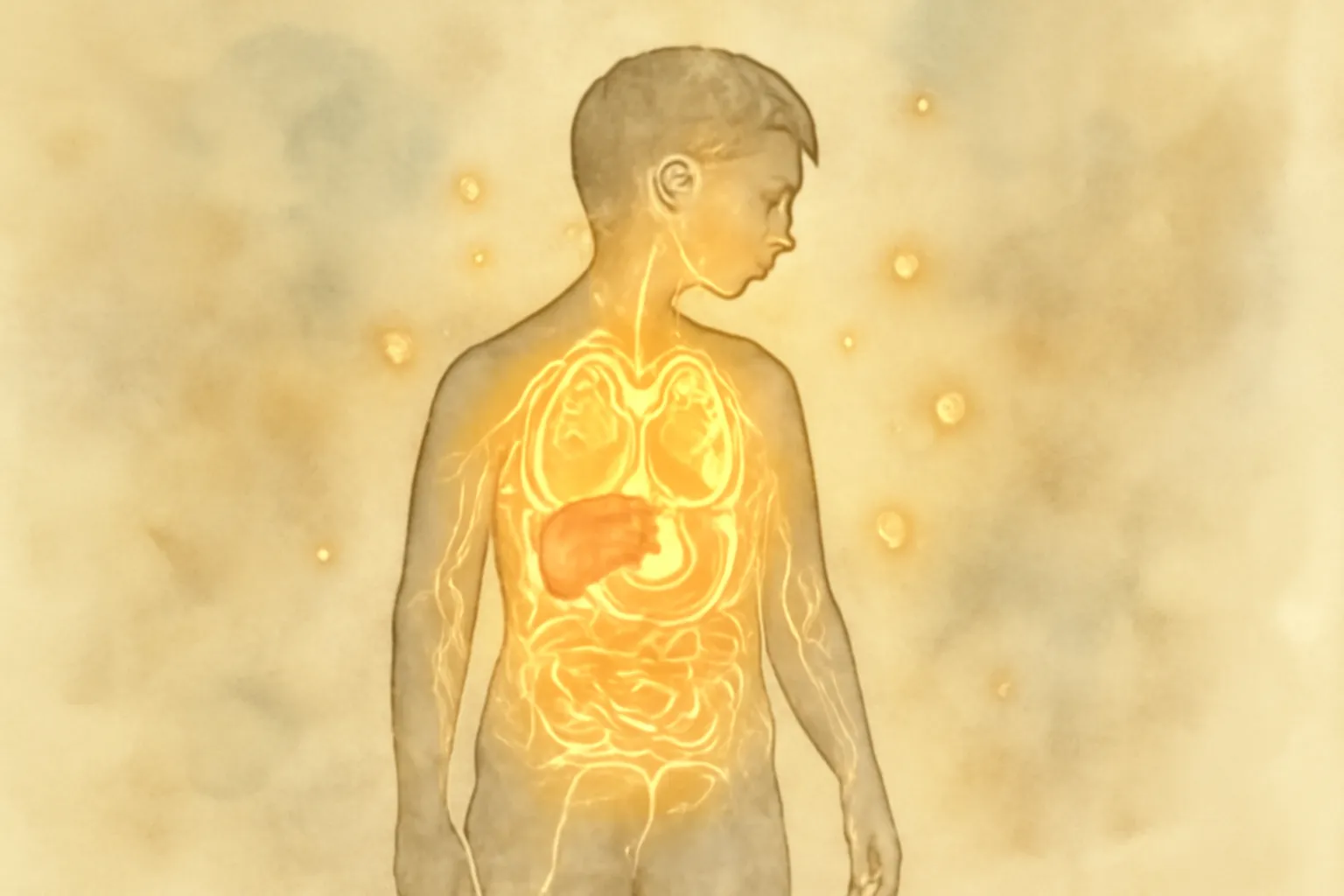
Bryson’s central thesis is that the human body is a marvel we too often overlook. He highlights how every second, countless processes—from cell regeneration to immune defense—occur without our conscious awareness. By framing the body as both ordinary and extraordinary, Bryson invites readers to appreciate the complex orchestration that keeps us alive, emphasizing that even the most mundane bodily functions are the result of evolutionary ingenuity.
2.A Guided Tour Through Anatomy
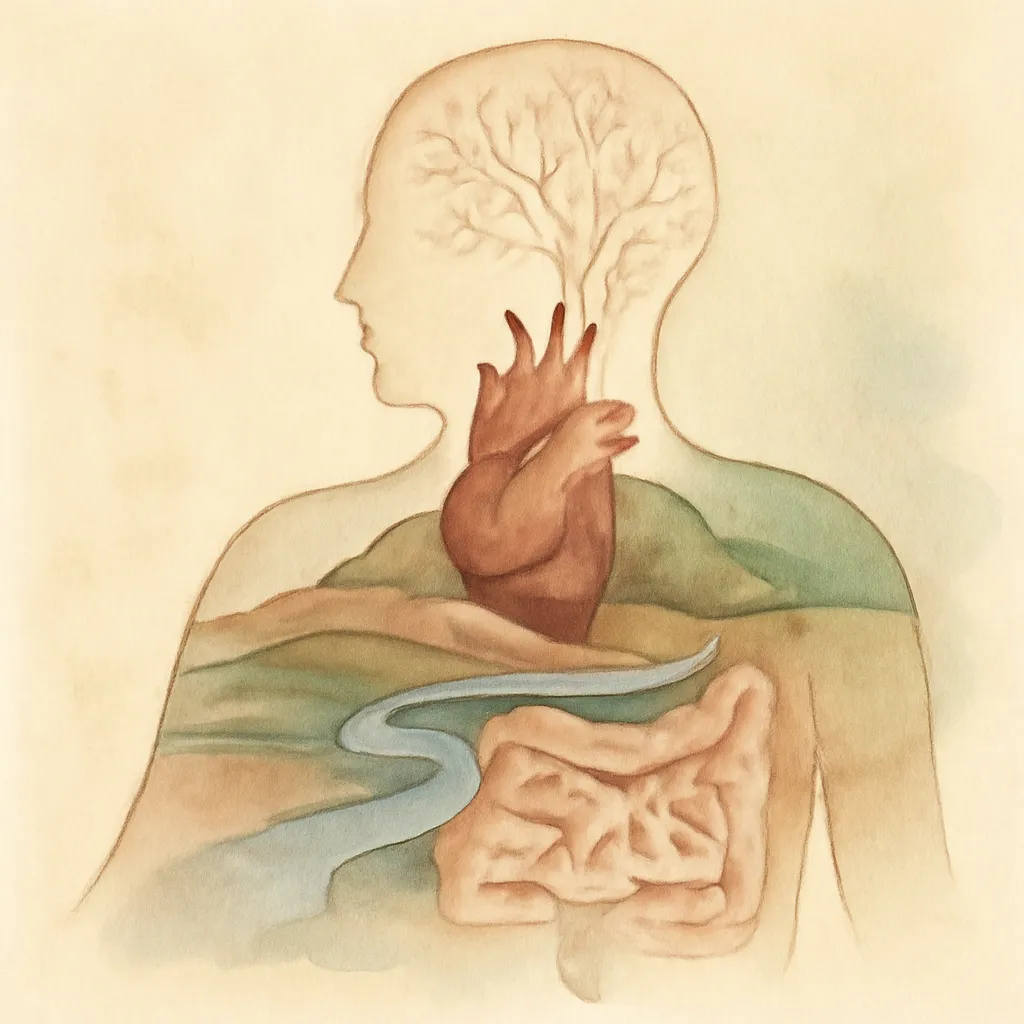
The book is structured as a journey through the body, from head to toe. Bryson breaks down each system—nervous, circulatory, digestive, and more—into digestible, engaging narratives. He demystifies medical jargon and uses vivid anecdotes to make anatomy accessible, revealing both the strengths and frailties of our physical selves. This approach helps readers connect with their own bodies in a new, more informed way.
3.Science, History, and Human Error
Bryson doesn’t just explain how the body works; he contextualizes it within the history of medicine and science. He recounts tales of medical pioneers, accidental discoveries, and persistent misconceptions, showing how our understanding of the body has evolved—often in fits and starts. This historical perspective underscores how much remains unknown and how scientific progress is shaped by trial, error, and serendipity.
4.The Limits and Vulnerabilities of Our Bodies
While celebrating the body’s resilience, Bryson is candid about its limitations and susceptibilities. He discusses disease, aging, and the randomness of health, reminding readers that survival often comes down to chance as much as biology. This honest appraisal fosters both humility and gratitude, encouraging readers to care for their bodies and appreciate their fragility.
5.The Joy of Curiosity
A key theme is the sheer joy of asking questions and seeking understanding. Bryson’s curiosity is infectious; he revels in odd facts and surprising statistics, making learning about the body feel like an adventure. This spirit of inquiry is meant to inspire readers to look at their own bodies—and the world around them—with fresh eyes and a sense of wonder.
6.Democratizing Medical Knowledge
Bryson aims to break down barriers between experts and laypeople. By translating complex science into engaging stories, he empowers readers to engage with their own health and the medical system more confidently. The book serves as a reminder that knowledge about our bodies should be accessible to all, not just professionals.