1.The Power of the Mind Over Physical Limitations
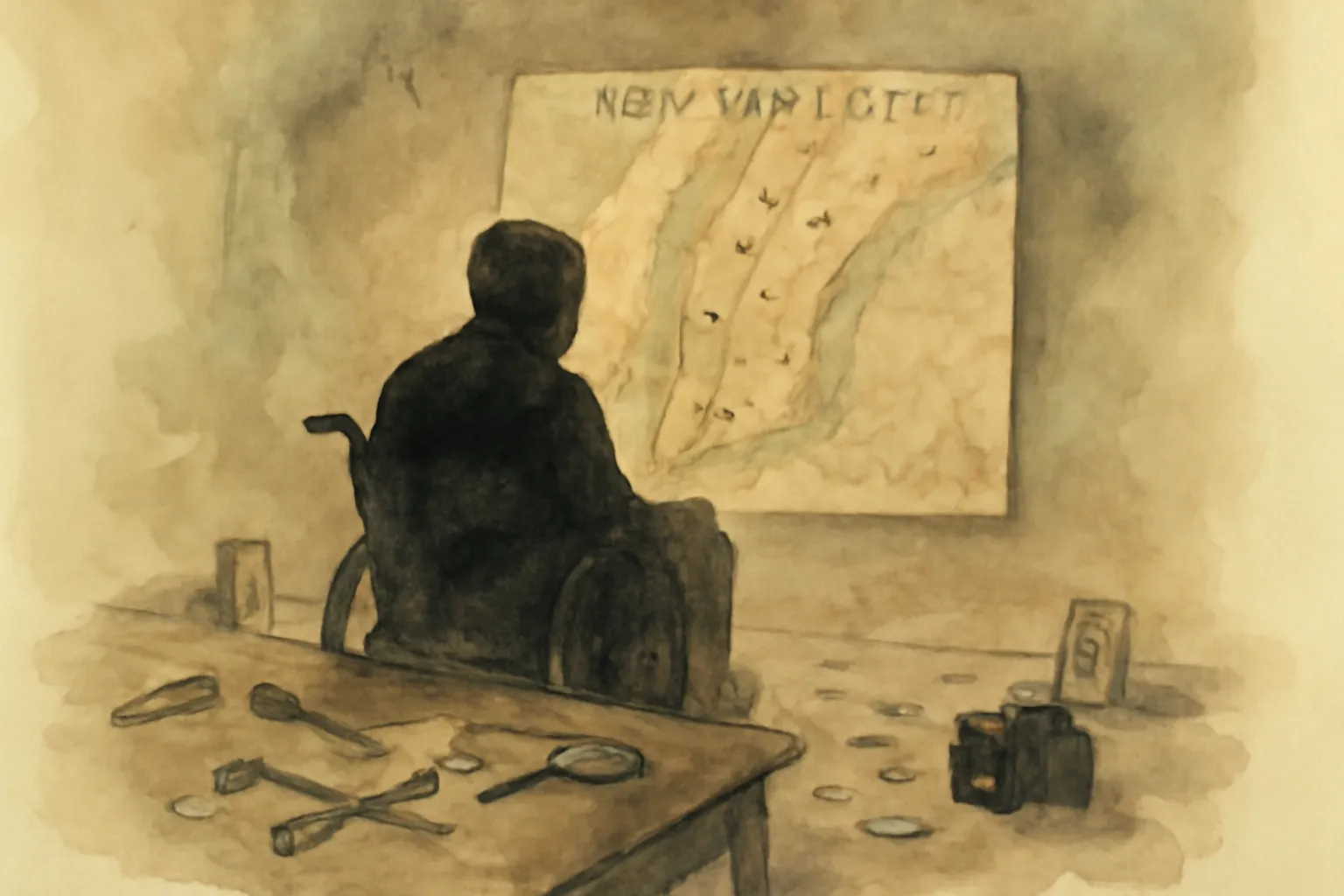
Lincoln Rhyme, once a top forensic criminologist, is left quadriplegic after an accident. The novel explores how his intellect, deductive skills, and sheer will allow him to continue working, despite his body’s limitations. Rhyme’s struggle with his own mortality and desire for purpose becomes a central theme, showing how mental acuity and determination can transcend physical barriers. The book challenges readers to reconsider notions of ability and the sources of true strength.
2.Forensic Science as Detective Art
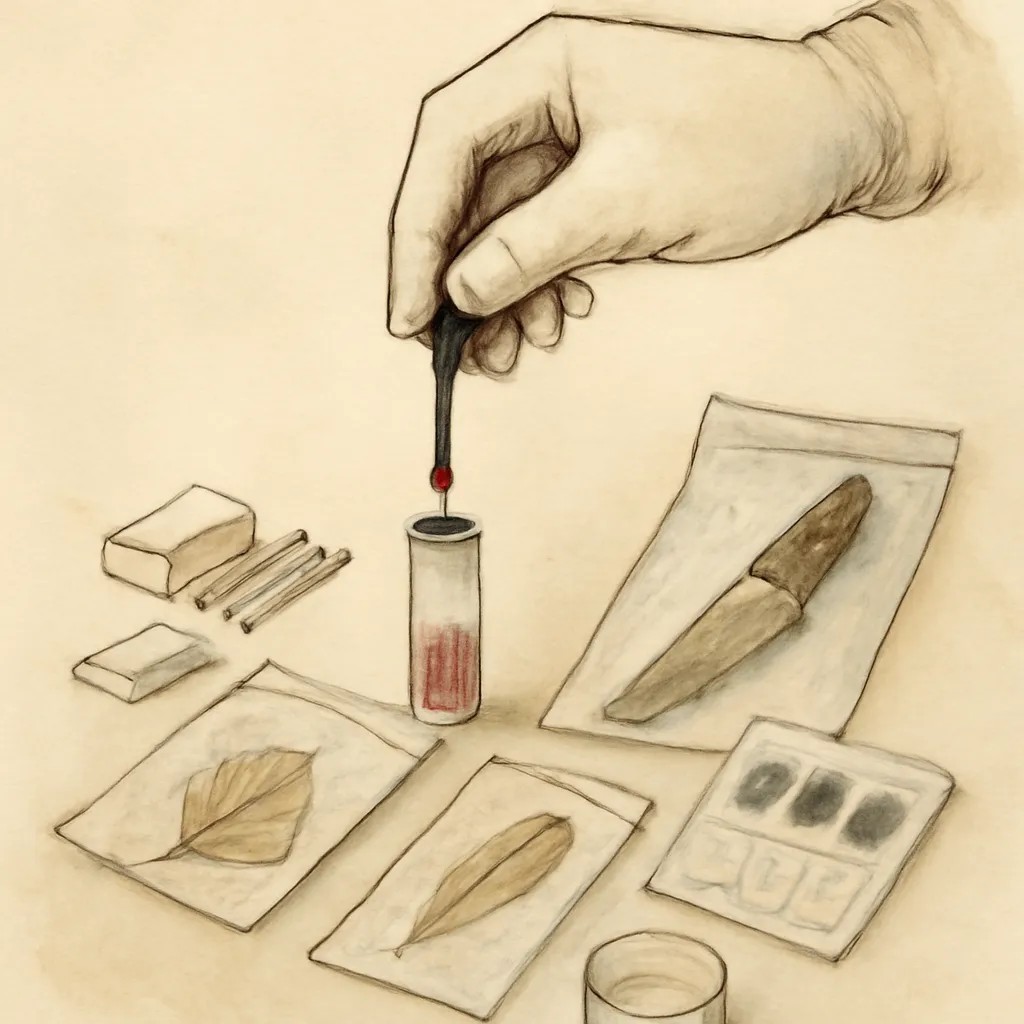
The Bone Collector is renowned for its detailed and realistic portrayal of forensic investigation. Deaver immerses readers in the meticulous process of crime scene analysis, evidence gathering, and deduction. The scientific method is depicted not just as a tool, but as an art form, with Rhyme orchestrating the investigation from his bed. This focus on forensics set a new standard for crime fiction, emphasizing that science and logic can be as thrilling as action.
3.Partnership and Trust
The relationship between Rhyme and Sachs forms the emotional core of the novel. Both are outsiders in their own way—Rhyme because of his disability, Sachs because she’s new to homicide and feels out of place. As they learn to trust and rely on each other, their partnership evolves from professional necessity to genuine mutual respect. Their dynamic highlights the importance of collaboration and the unique strengths each person brings to a team.
4.The Psychology of the Criminal Mind
Deaver delves into the twisted motives and methods of the Bone Collector, a serial killer who stages elaborate, symbolic crimes. The novel explores the psychology of both the hunter and the hunted, raising questions about obsession, control, and the thin line between genius and madness. The killer’s use of historical clues and cryptic messages turns the investigation into a deadly game of wits.
5.Urban Isolation and the Dark Side of New York
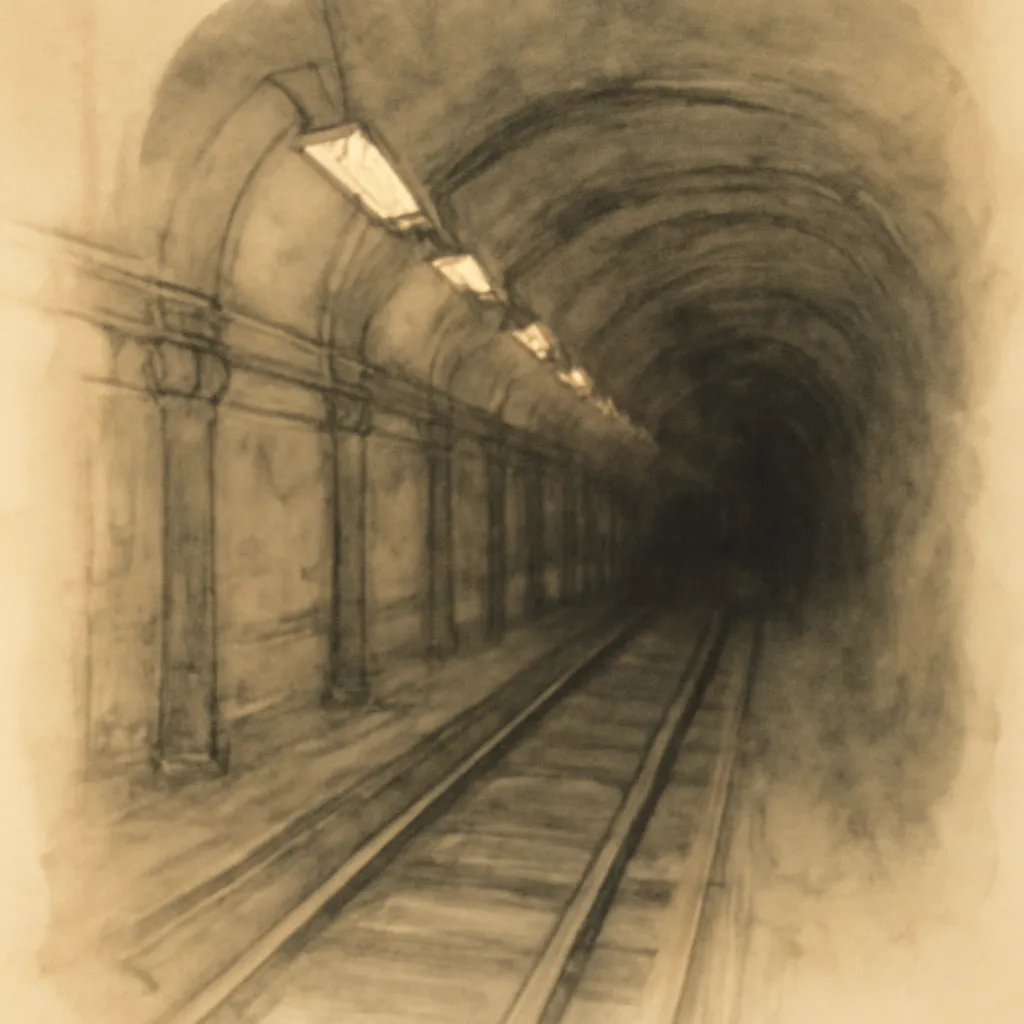
Set in New York City, the novel uses the city’s vastness and anonymity as a backdrop for fear and suspense. The Bone Collector exploits the city’s hidden spaces—subway tunnels, abandoned buildings—to trap victims. Deaver paints a portrait of urban isolation, where danger lurks in the most ordinary places, and the city itself becomes a character in the narrative.
6.Confronting Mortality and the Value of Life
Rhyme’s personal struggle with suicidal thoughts runs parallel to the urgency of saving the killer’s victims. The novel repeatedly asks what makes life worth living, especially in the face of suffering or disability. Through Rhyme’s journey, Deaver examines resilience, the will to live, and the impact one person can have on others, even when hope seems lost.