1.Moral Instruction Rooted in Paternal Concern
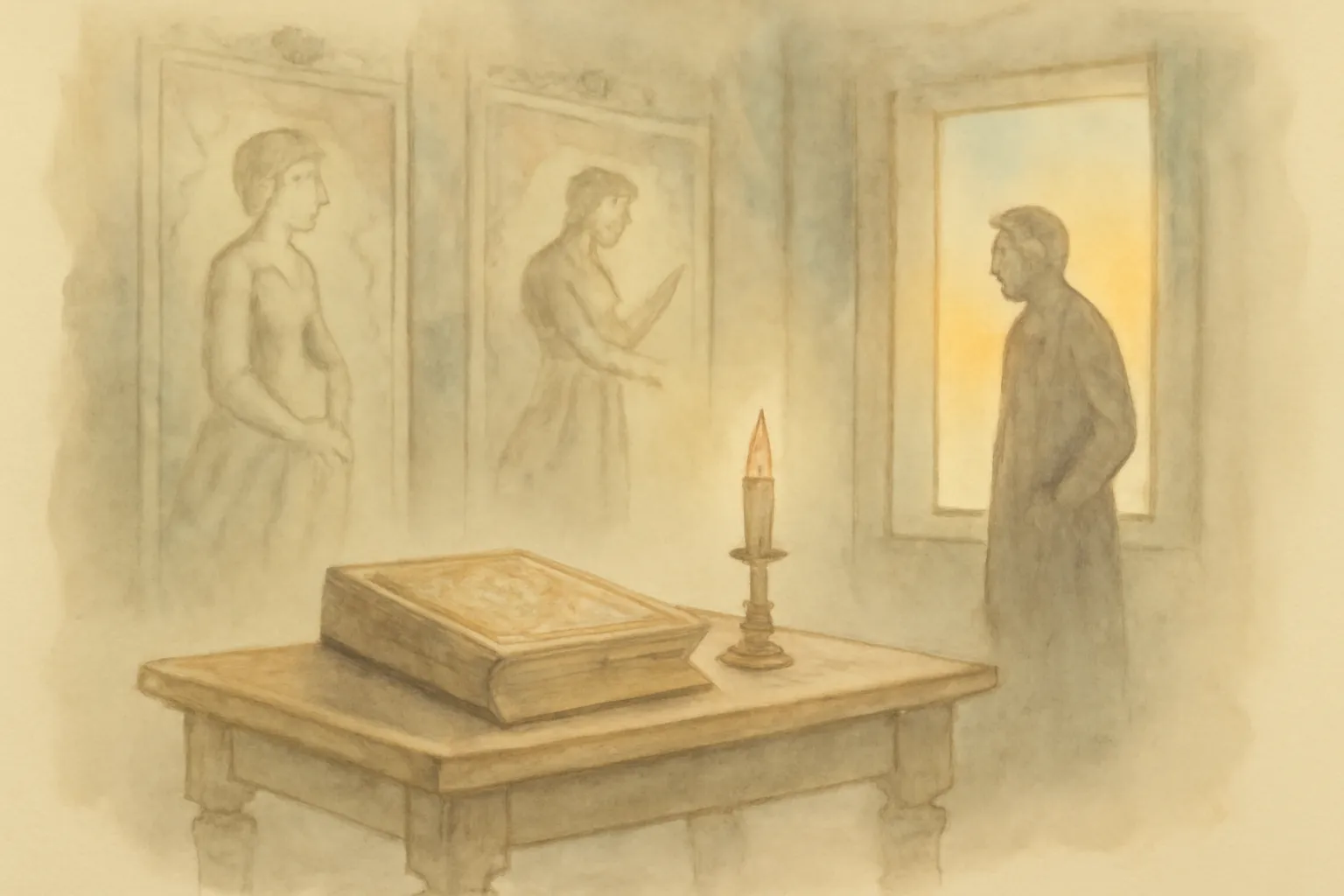
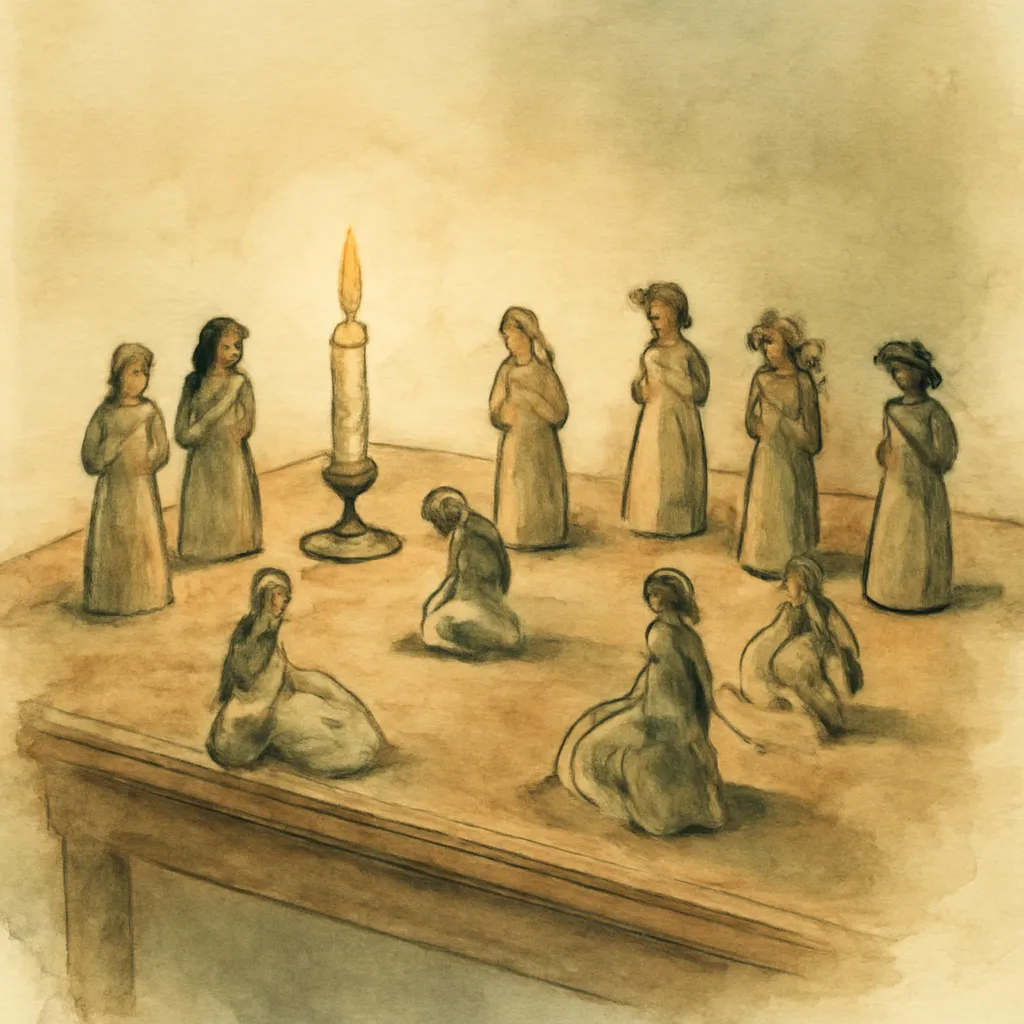
At its heart, the book is a father’s earnest attempt to safeguard his daughters’ reputations and souls. Geoffroy draws on personal experience and a wide array of exempla (moral anecdotes) to illustrate the dangers of vanity, gossip, and flirtation. His advice is both protective and prescriptive, reflecting the era’s belief that a woman’s virtue was her greatest asset and her family’s honor depended on it. The book thus serves as a moral compass, emphasizing humility, modesty, and obedience as the highest feminine virtues.
2.The Perils of Courtly Life
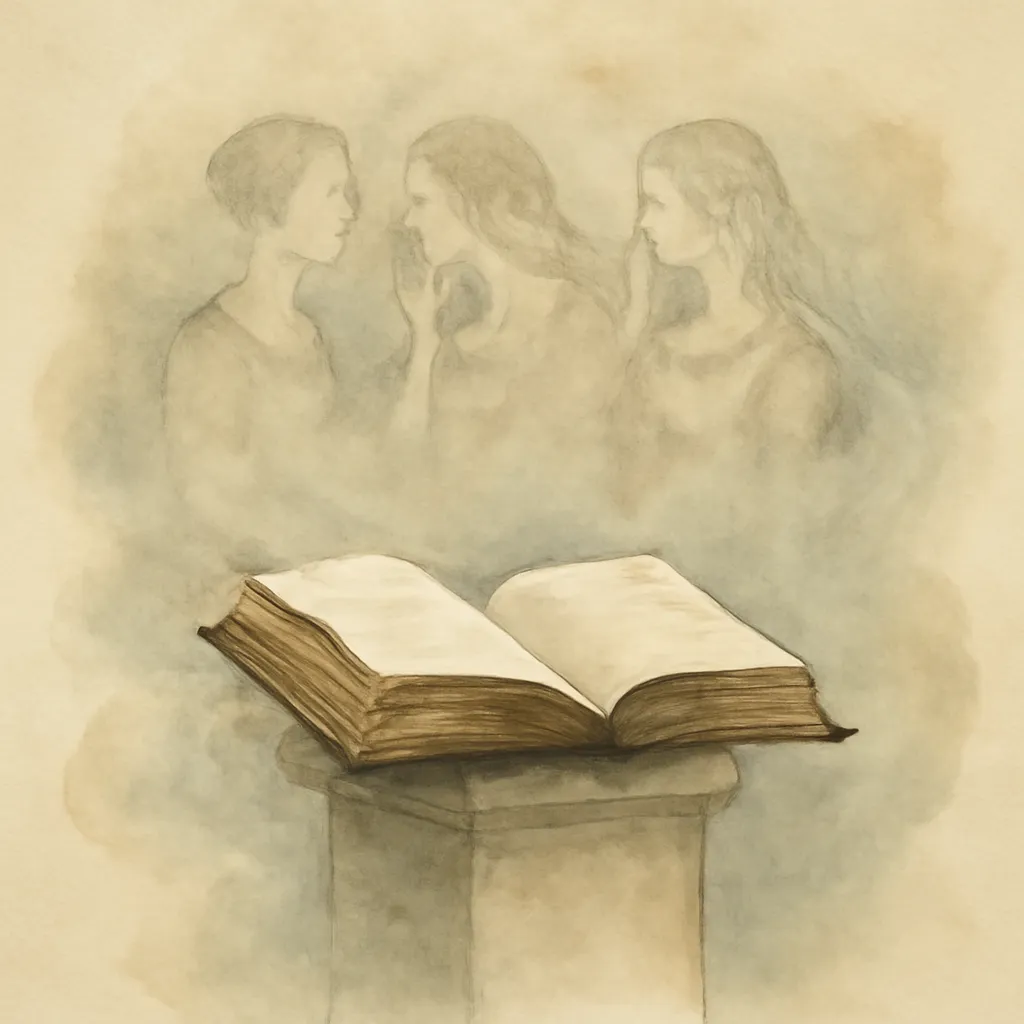
Geoffroy is acutely aware of the temptations and pitfalls awaiting young women at court. He warns against the seductive power of flattery, the dangers of idle chatter, and the manipulations of unscrupulous men. Through vivid stories, he illustrates how easily a noblewoman’s reputation can be tarnished, often irreparably. This preoccupation with reputation underscores the precariousness of women’s social standing and the importance of vigilance and restraint.
3.Education as a Tool for Empowerment and Control
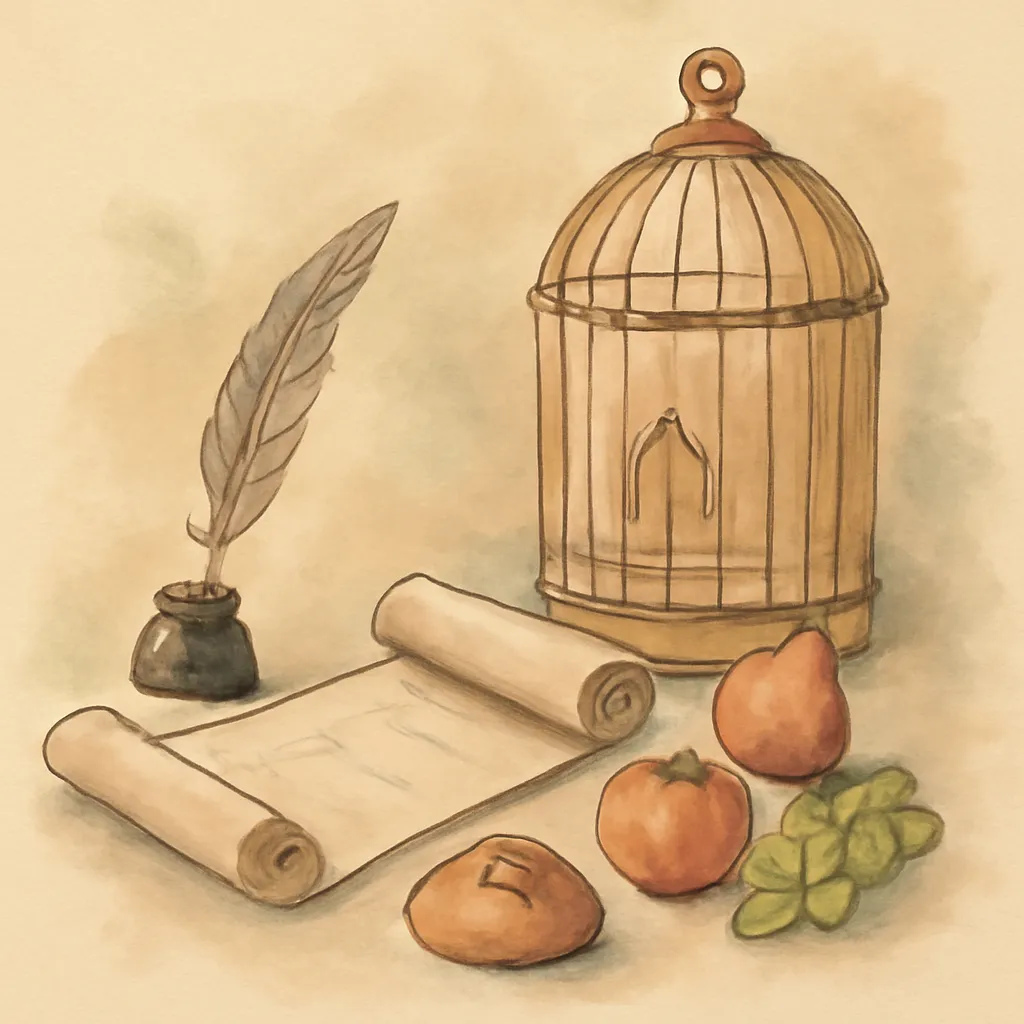
While the book is conservative in its values, it is progressive in its insistence on female education—albeit within strict boundaries. Geoffroy urges his daughters to learn reading, prayer, and household management, seeing knowledge as both a shield against vice and a means of fulfilling their roles as wives and mothers. This duality—empowerment through education, but only in service of traditional roles—reflects the tensions of the period.
4.The Power of Exempla and Storytelling
Geoffroy’s method relies heavily on storytelling. He recounts tales of both virtuous and wayward women, using these examples to make abstract moral lessons concrete and memorable. This narrative approach not only engages his audience but also provides a valuable record of medieval attitudes toward gender, virtue, and social order. The stories are often dramatic and cautionary, intended to instill both fear and aspiration.
5.The Construction of Female Identity
The book is a manual for shaping female identity in a patriarchal world. It prescribes behaviors, attitudes, and even emotions appropriate for noblewomen, reinforcing the idea that a woman’s worth is measured by her conformity to social expectations. Yet, within these prescriptions, there are glimpses of agency—Geoffroy encourages his daughters to be discerning, prudent, and self-controlled, skills that could serve them well even within restrictive confines.
6.Historical and Literary Significance
Beyond its immediate purpose, the book is a vital source for historians and literary scholars. It captures the anxieties of a turbulent era marked by war, plague, and shifting social norms. Its popularity and translation into multiple languages testify to its influence on later conduct literature and its enduring fascination as a document of medieval life.