1.A Window into Medieval Asia
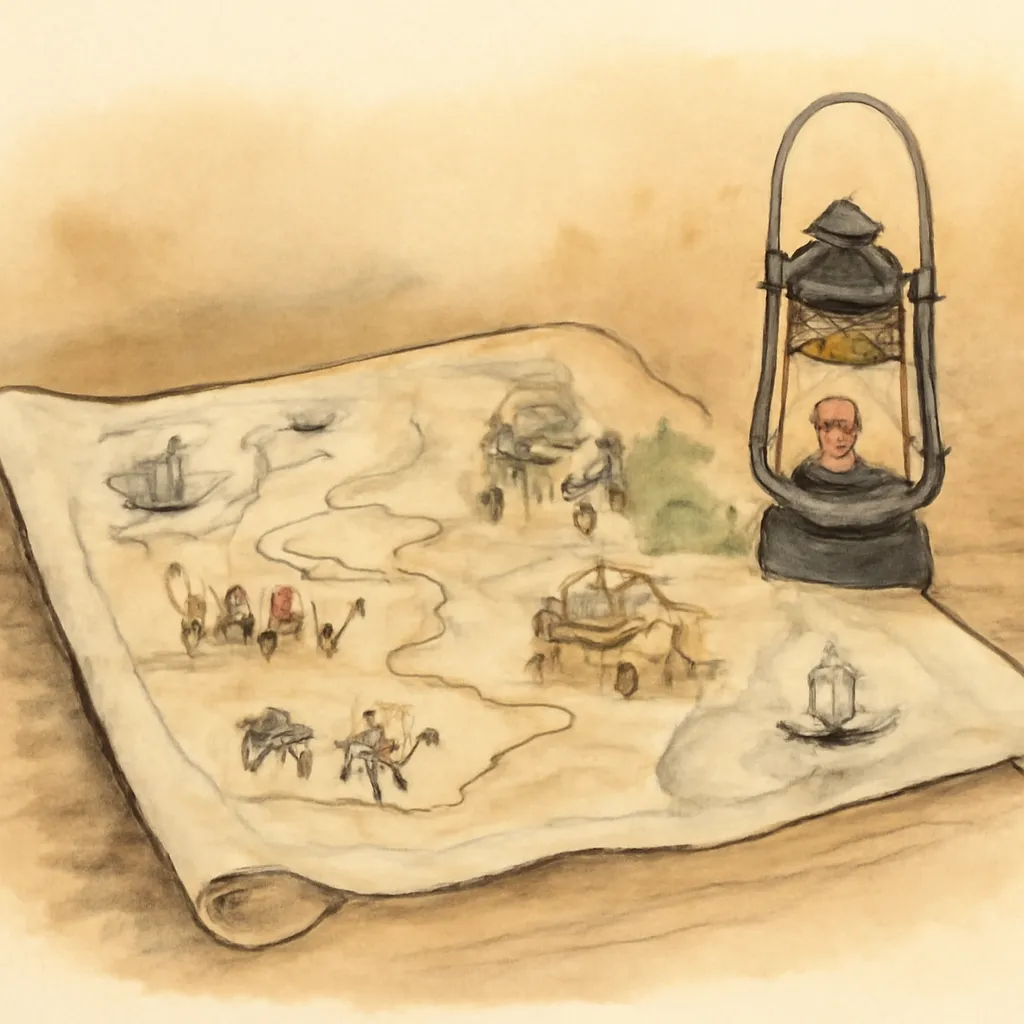
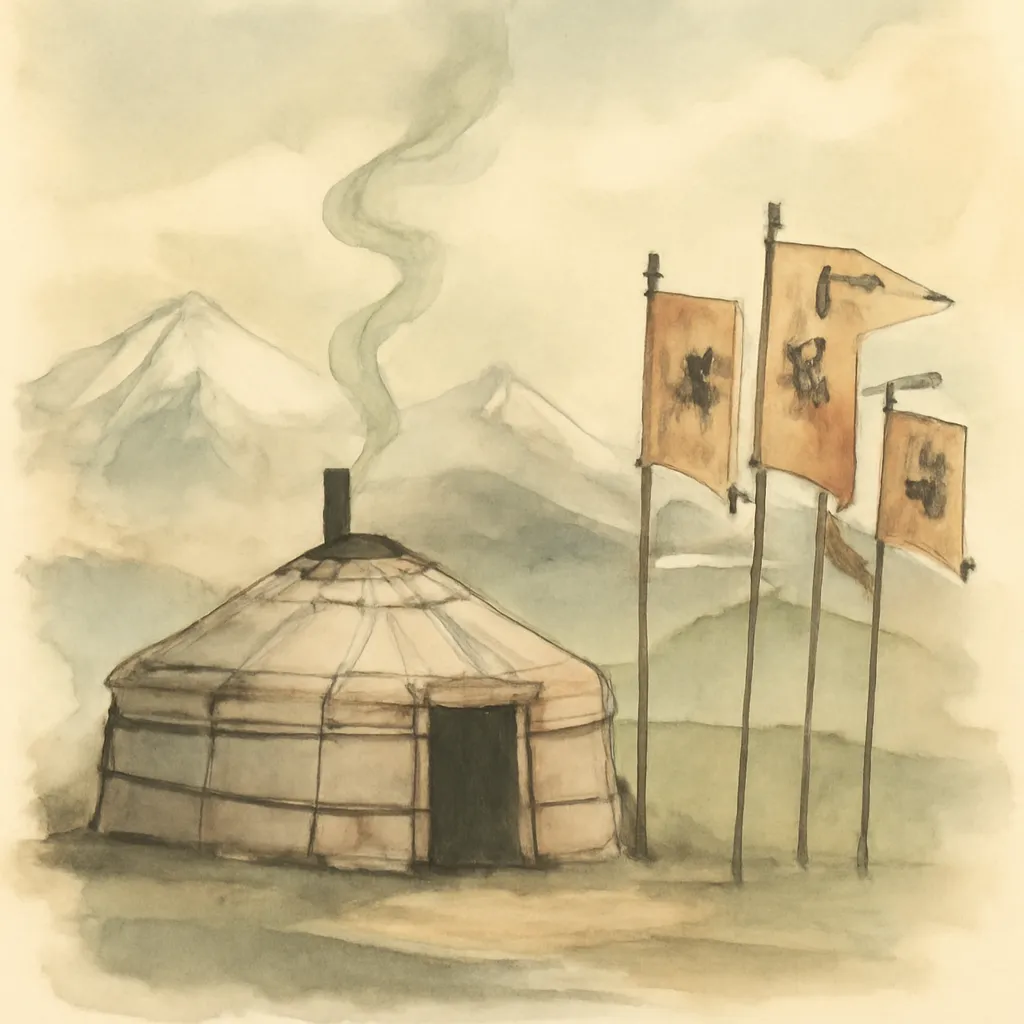
Marco Polo’s narrative provides one of the earliest and most detailed Western descriptions of the vast Mongol Empire, China under the Yuan dynasty, and lands stretching from Persia to Southeast Asia. His observations on cities, customs, governance, and commerce offered Europeans a rare glimpse into societies that were otherwise shrouded in mystery. While not always accurate by modern standards, his accounts helped to broaden the geographic and cultural horizons of his contemporaries.
2.Blending Fact and Fable
The book is famous for its mixture of firsthand observation and hearsay, leading to a text that is as much a catalog of marvels as a factual report. Polo describes real places and practices, but also relates tales of dog-headed men, vast riches, and fantastical creatures. This blend reflects both the limits of his knowledge and the expectations of his audience, who craved wonder as much as truth.
3.Commerce and Cultural Exchange
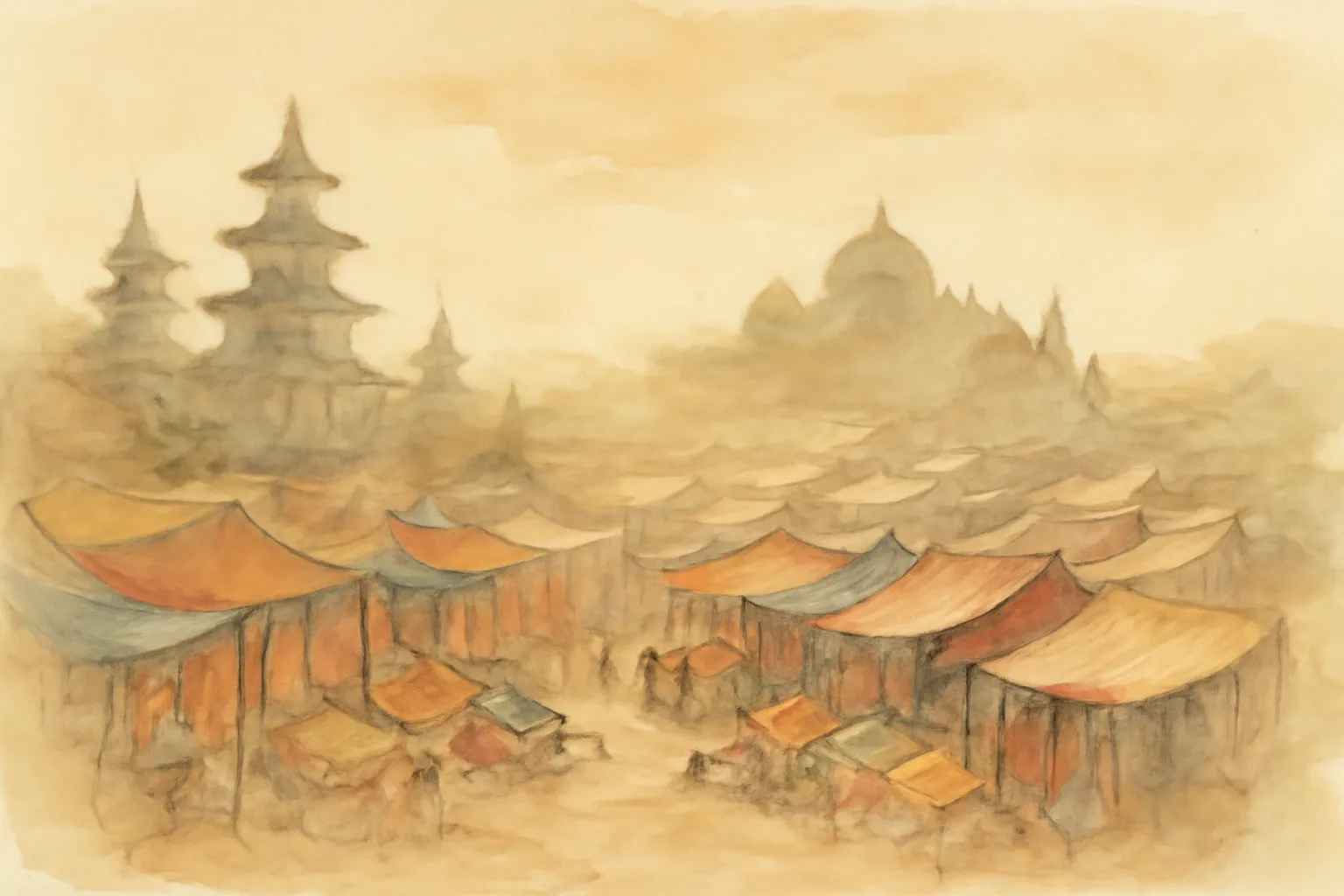
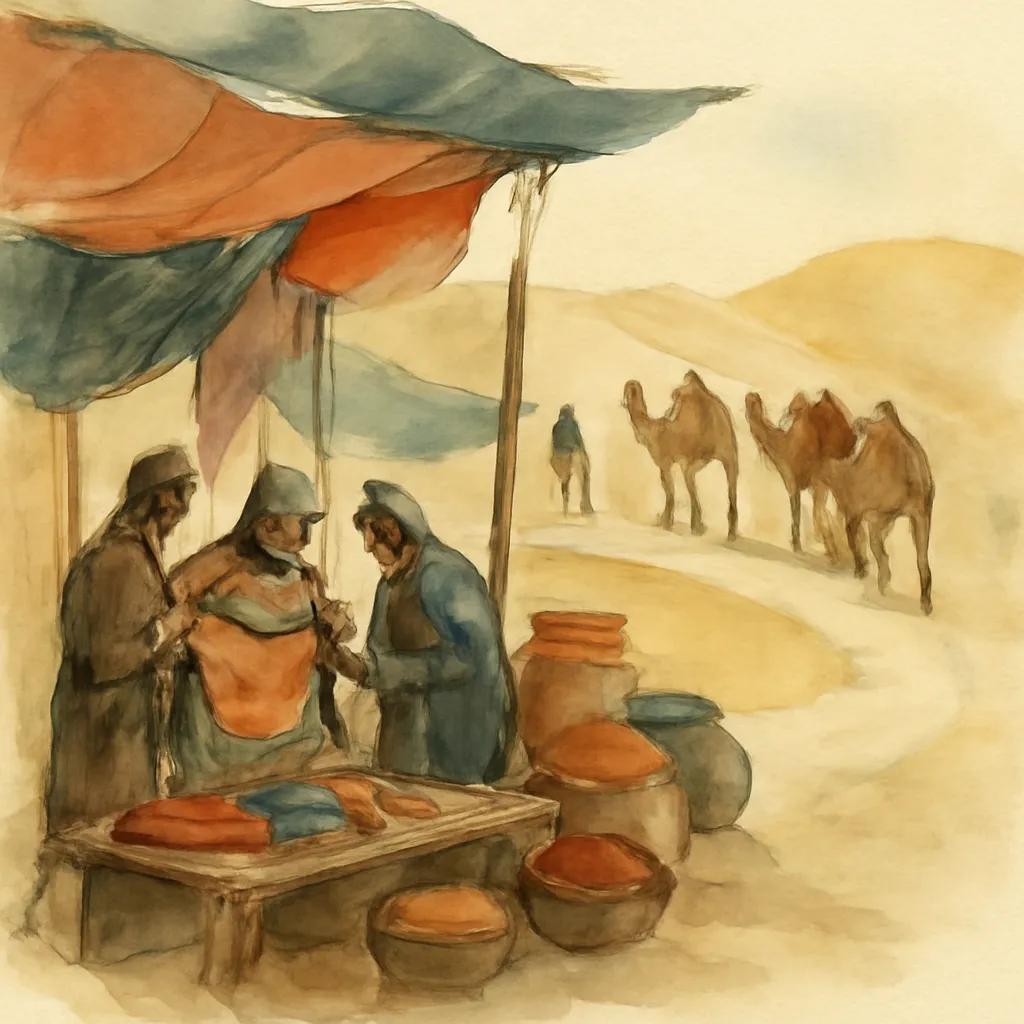
Trade is a central theme throughout Polo’s travels. He details the bustling markets, exotic goods, and economic systems of the East, emphasizing the wealth and sophistication of places like Cathay (China) and its capital, Khanbaliq (Beijing). His work highlights the Silk Road as a conduit not only for goods but for ideas, technologies, and religions, underscoring the interconnectedness of Eurasian civilizations.
4.The Power and Reach of the Mongol Empire
Polo’s account is invaluable for its depiction of the Mongol Empire at its zenith. He describes the court of Kublai Khan, the administrative innovations of the Mongols, and their relative religious tolerance. By portraying the empire’s order, communication networks, and cosmopolitanism, Polo challenged European stereotypes of the ‘barbaric’ East.
5.The Limits of Perspective and Credibility
Modern readers must approach the book with a critical eye. Some of Polo’s claims—such as his silence on certain Chinese practices or his exaggeration of distances—have led scholars to debate how much he actually witnessed firsthand. The text’s value lies as much in what it reveals about medieval European mindsets as in its documentation of Asia.
6.Enduring Influence on Exploration
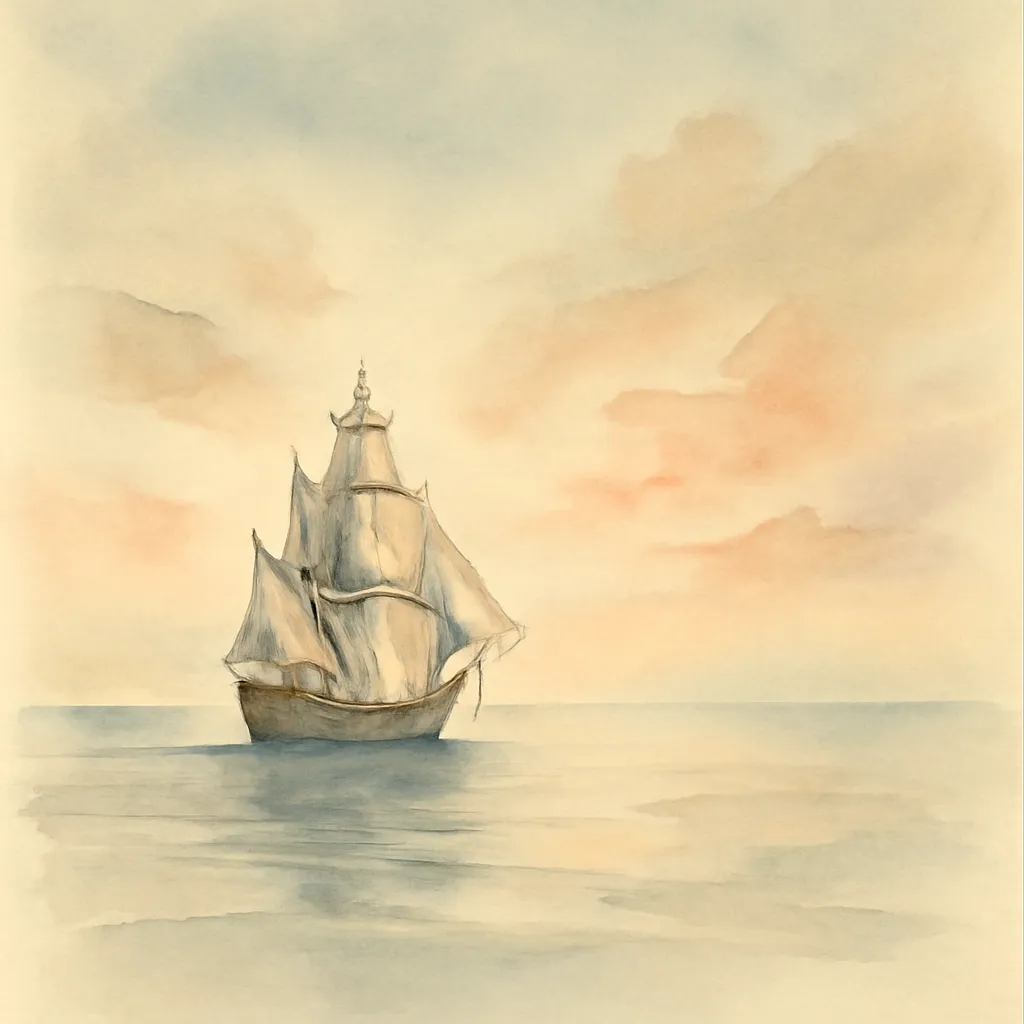
The Book of the Marvels of the World inspired generations of explorers, including Christopher Columbus, who carried a copy on his voyages. Its mix of curiosity, ambition, and myth fueled the Age of Discovery and helped shape Western engagement with Asia for centuries to come.