1.The Illusion of the Separate Self
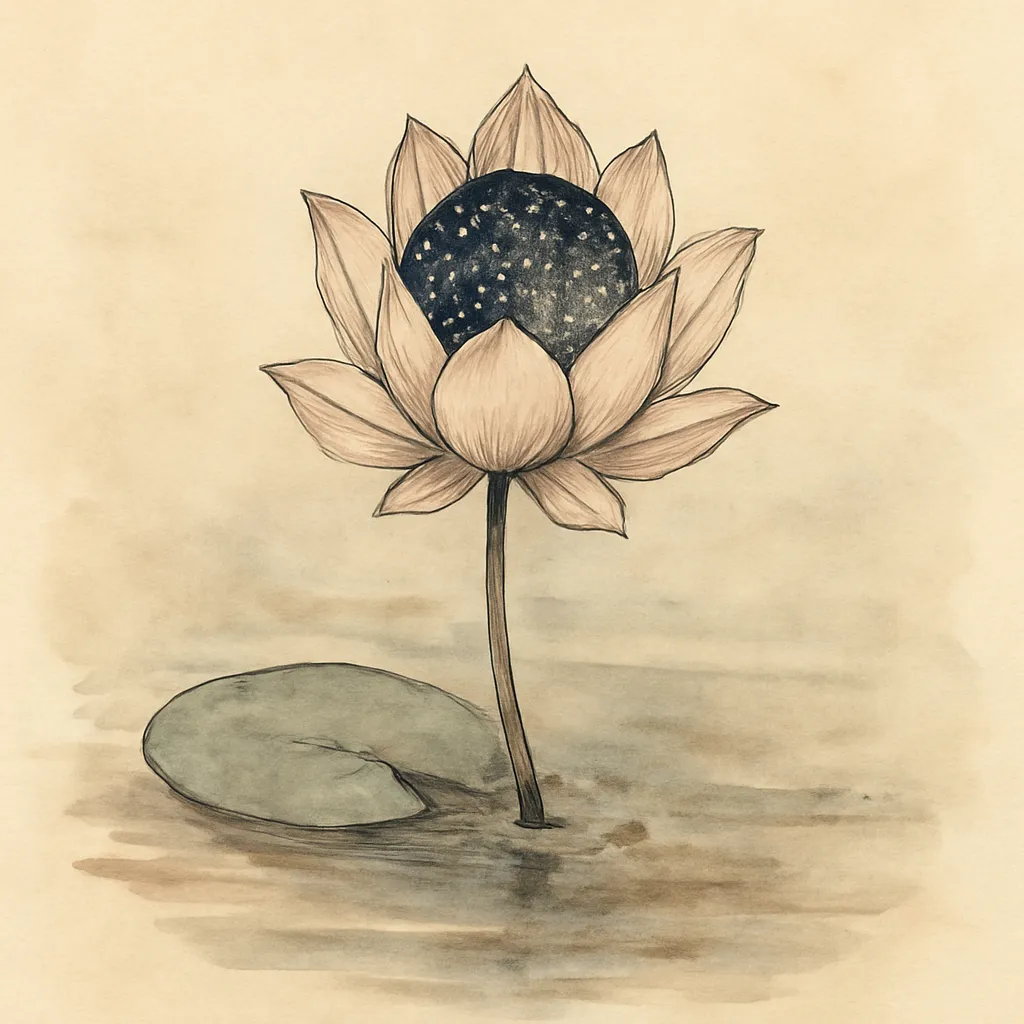
Watts argues that much of Western culture is built on the idea that each person is an isolated ego, fundamentally separate from the rest of the universe. He contends this is a social and linguistic construct rather than a fact of existence. By clinging to this illusion, we create anxiety, alienation, and a sense of existential loneliness. Watts encourages readers to see through this mental barrier and recognize that the self is not a detached observer, but an integral part of the cosmos.
2.You Are the Universe Experiencing Itself
Central to Watts' thesis is the idea that our true identity is not confined to the skin-encapsulated ego, but is inseparable from the entire universe. Drawing on Eastern philosophies like Vedanta and Taoism, he suggests that each individual is the universe expressing itself in a unique form. Recognizing this unity, Watts believes, leads to a more profound sense of belonging and meaning.
3.The Taboo Against Self-Knowledge
Watts identifies a cultural taboo in Western societies: the reluctance to fully explore or accept the idea that we are not truly separate from the world around us. This taboo is reinforced by religious, educational, and social systems that discourage questioning the nature of the self. By breaking this taboo and embracing a more holistic understanding, Watts argues, we can overcome feelings of alienation and live more authentically.
4.The Limits of Language and Thought
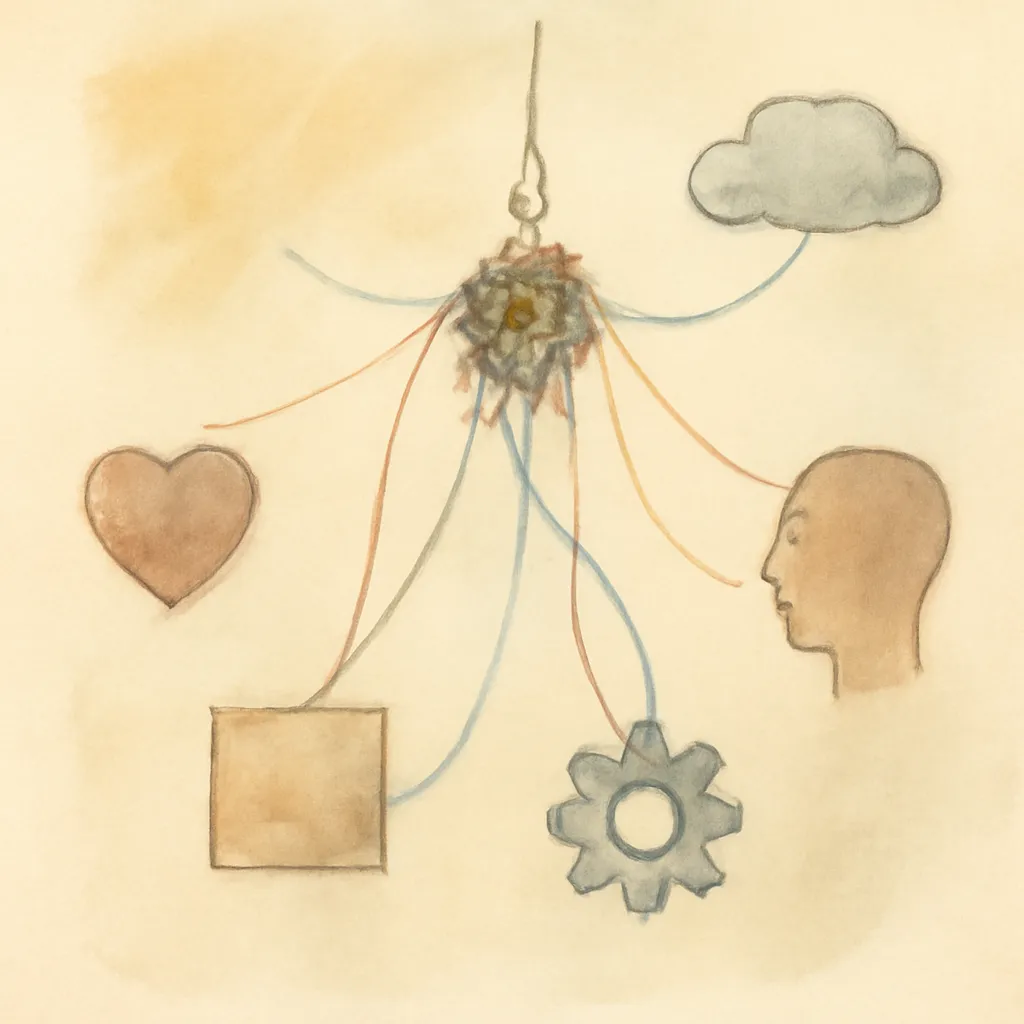
A recurring theme in 'The Book' is the inadequacy of language and conceptual thinking to capture the true nature of reality. Watts points out that words and categories inherently divide and fragment experience, leading us to mistake our mental models for reality itself. He urges readers to look beyond language and experience the world directly, as it is, rather than through the filter of habitual thought.
5.Playfulness and the Art of Living
Watts encourages a playful, less serious approach to life, suggesting that existence is more like a dance or a piece of music than a problem to be solved. By letting go of the compulsion to control or explain everything, we can engage with life more joyfully and spontaneously. This attitude, he claims, is both liberating and essential for genuine self-understanding.
6.Integration of Eastern and Western Perspectives
One of the book’s strengths is its synthesis of Eastern spiritual traditions with Western philosophical inquiry. Watts draws on Hindu, Buddhist, and Taoist teachings to challenge Western dualism and materialism, offering a more integrated worldview. This cross-cultural dialogue enriches the reader’s understanding of selfhood and reality.