1.The Power of Literacy in Hard Times
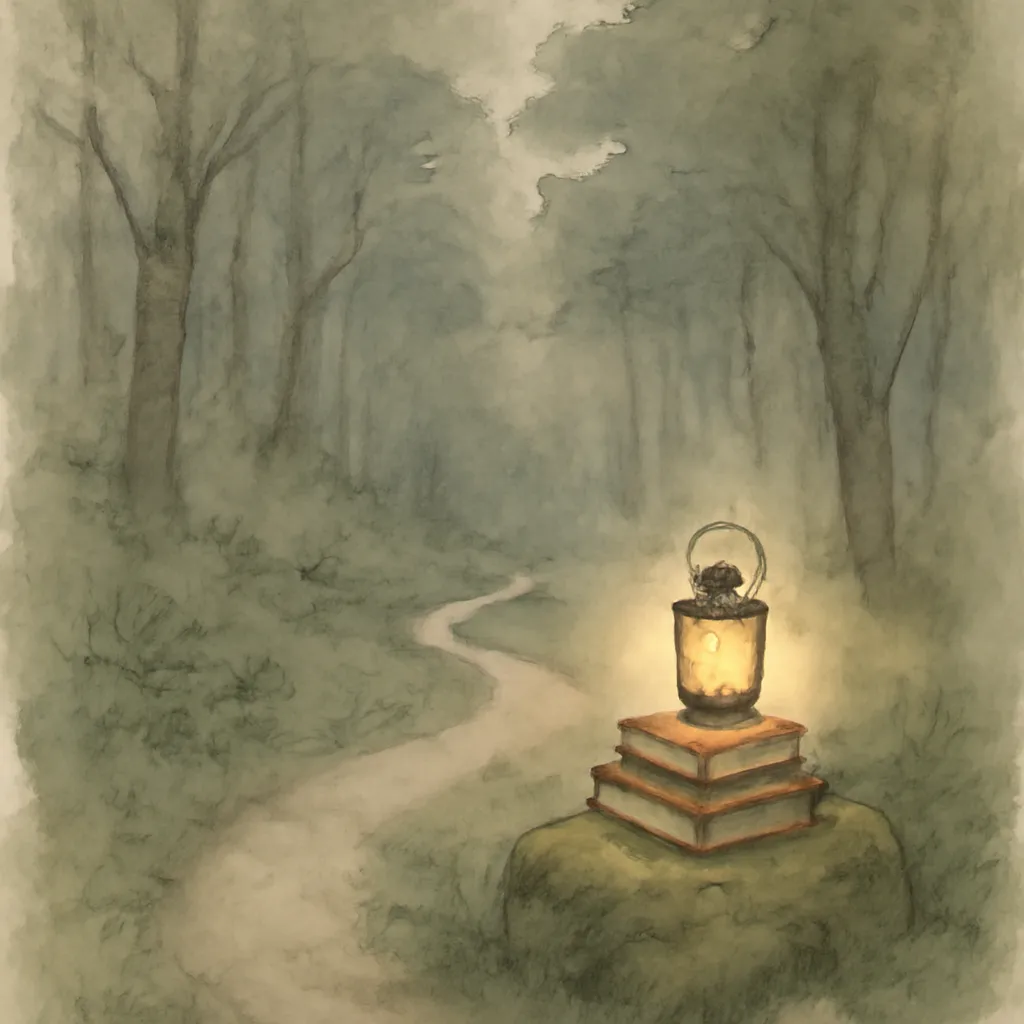
Set during the Great Depression, the novel highlights the Kentucky Pack Horse Library Project, a real-life New Deal initiative that brought books to isolated Appalachian communities. Through Cussy Mary Carter’s tireless efforts as a 'book woman,' Richardson demonstrates how access to reading material can uplift spirits, foster connection, and empower marginalized people. The story underscores that books are not just entertainment—they are lifelines, offering knowledge, escape, and dignity to those facing hardship.
2.Confronting Prejudice and Otherness
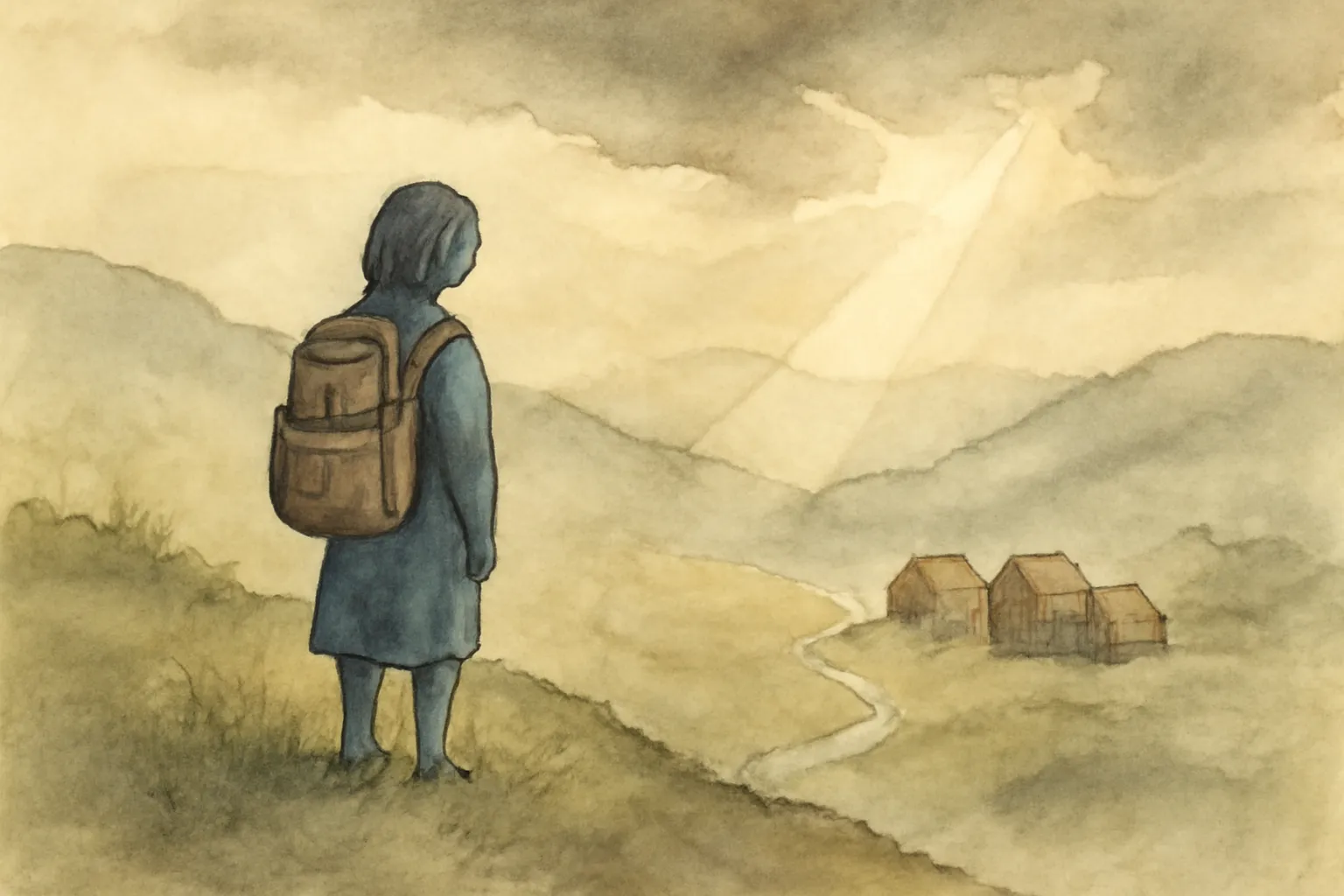
Cussy Mary is one of the last of the Blue People of Kentucky, born with a genetic condition that gives her skin a distinctive blue hue. Her difference makes her a target for suspicion, ostracism, and outright hostility in her insular community. The novel explores how prejudice operates not just along lines of race and class, but also against anyone who is visibly 'other.' Cussy’s journey is a powerful lens on the costs of intolerance and the quiet courage it takes to endure and resist it.
3.Women’s Agency and Quiet Rebellion
In a world where women’s choices are sharply limited by poverty and patriarchy, Cussy’s role as a traveling librarian is an act of subtle rebellion. She navigates dangerous terrain, both literal and social, to bring books to those who need them. The novel pays tribute to the real-life women who risked much to serve their communities, suggesting that even small acts of defiance—like delivering a book—can be radical and transformative.
4.Community, Isolation, and Belonging
Troublesome Creek is a place of both tight-knit bonds and deep divisions. The novel explores how poverty and suspicion can isolate individuals, but also how shared hardship forges unlikely alliances. Cussy’s relationships—with her father, her patrons, and other outcasts—reveal the complexities of belonging and the importance of chosen family. Richardson shows that community is not just a matter of geography, but of mutual care and acceptance.
5.History’s Forgotten Voices
By centering the story on the Blue People and the packhorse librarians, Richardson resurrects overlooked chapters of American history. The novel is not just a tribute to resilience, but a corrective to the erasure of marginalized groups from mainstream narratives. Readers are invited to reflect on who gets remembered, who is silenced, and why these stories matter today.