1.The Unyielding Spirit of the Frontier
The book paints a vivid picture of the frontier spirit that characterized early American settlers. Henry Ware and his companions embody resilience, facing not only the physical dangers of the wilderness but also the psychological toll of constant threats from both nature and hostile tribes. Their determination to carve out a life in an unforgiving landscape illustrates the broader human struggle against adversity. The narrative emphasizes that survival in such conditions requires not just physical strength but also mental fortitude and camaraderie. The characters' shared experiences forge deep bonds, highlighting the importance of community in overcoming challenges. As they navigate through perilous situations, readers witness the growth of their characters, which is a testament to the indomitable human spirit.
2.The Complexity of War and Peace
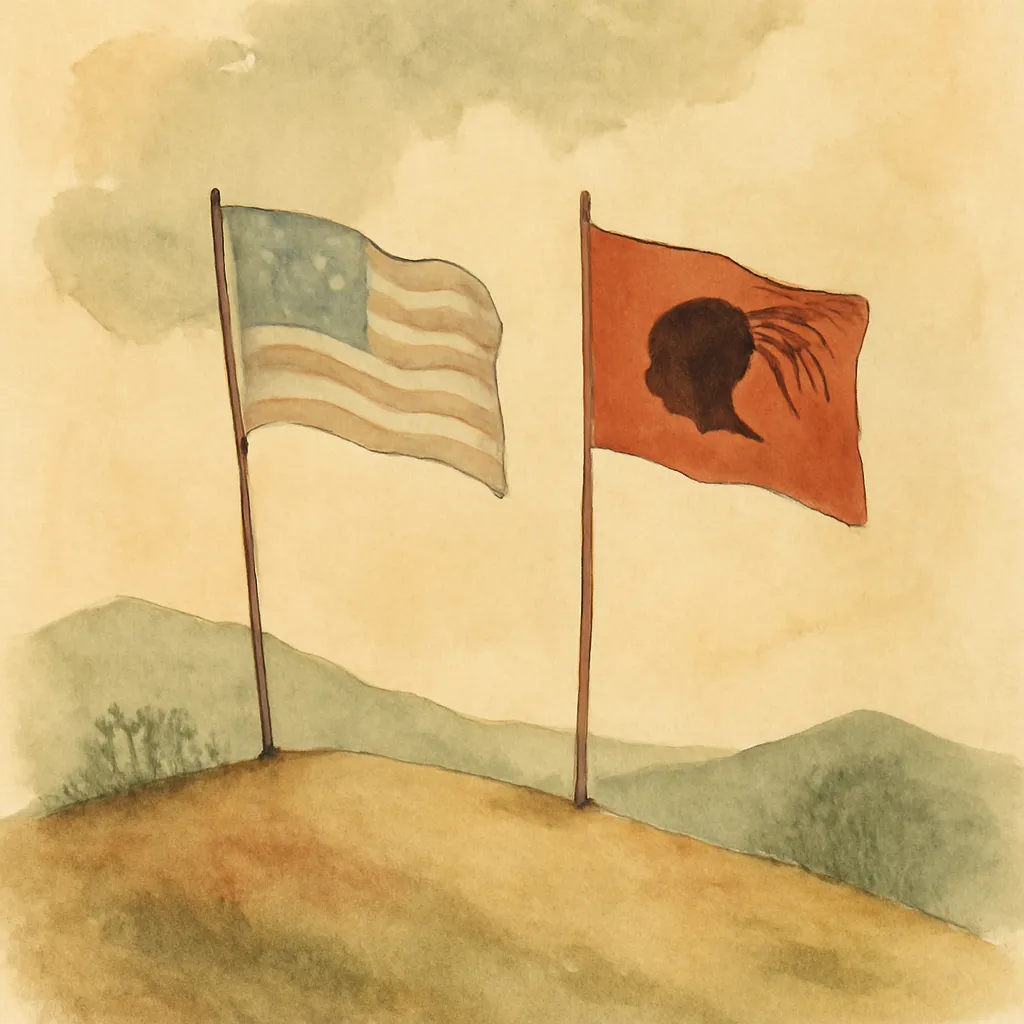
Altsheler intricately explores the complexities of war, particularly the conflicts between settlers and Native American tribes. The narrative does not simply portray the settlers as heroes and the Native Americans as villains; instead, it reveals the nuanced realities of both sides. Timmendiquas, the Wyandot chief, is depicted as a formidable leader who, despite his fierce tactics, is driven by the desire to protect his people and territory. This duality challenges readers to consider the motivations behind each character's actions. The book raises ethical questions about the nature of warfare and the consequences of cultural misunderstandings. Through the lens of Henry's experiences, readers are invited to reflect on how war shapes identities and relationships, often leading to tragic outcomes for all involved.
3.Friendship and Loyalty in the Face of Danger
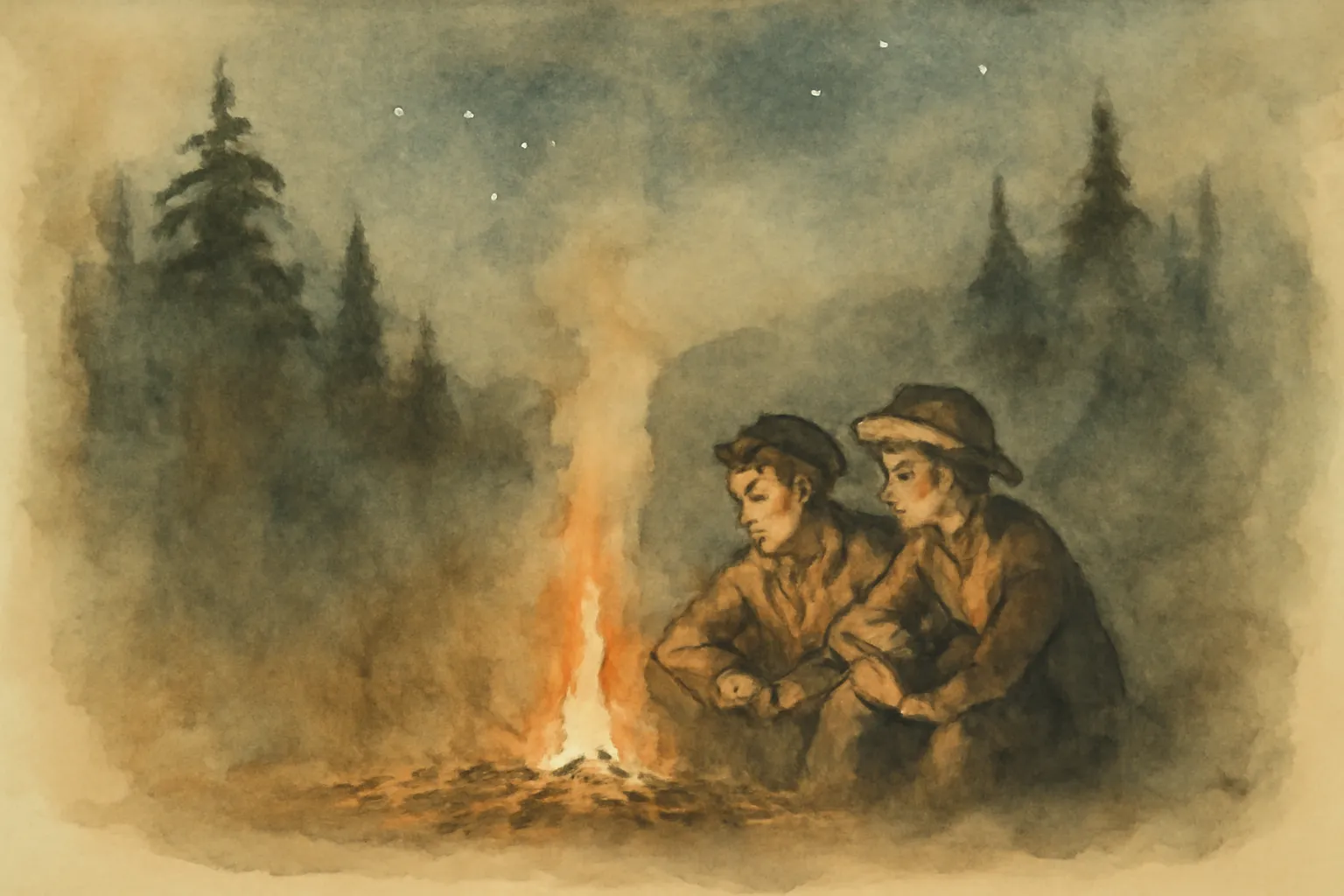
The bonds of friendship among Henry, Paul, Sol, and their companions serve as a cornerstone of the narrative. Their loyalty to one another is tested repeatedly as they face life-threatening situations, yet their commitment to each other never falters. This theme of camaraderie is essential in illustrating how relationships can provide strength and support during times of crisis. For instance, when Henry is captured, his friends' determination to rescue him highlights the lengths to which they will go for one another. The book underscores the idea that survival is often a collective effort, and the emotional ties between characters enhance the story's depth. This exploration of friendship also reflects the broader social dynamics of frontier life, where alliances are crucial for safety and success.
4.The Harsh Realities of Frontier Life
Altsheler does not shy away from depicting the brutal realities of life on the frontier. The characters endure harsh weather, treacherous landscapes, and constant threats from hostile forces. The descriptions of their struggles to find food, shelter, and safety are vivid and poignant, immersing readers in the challenges faced by early settlers. For example, the relentless pursuit of the Wyandots forces Henry and his friends to adapt quickly, showcasing their resourcefulness and ingenuity. The author emphasizes that life in this era is fraught with danger, where every day could bring new challenges. This stark portrayal serves to highlight the resilience required to survive and the sacrifices made by those who dared to inhabit the wilds of America. It also invites readers to appreciate the comforts and security of modern life, contrasting them with the perilous existence of the frontier.
5.Nature as an Unyielding Force
Nature plays a significant role in 'The Border Watch,' often acting as both an ally and an adversary. The wilderness is depicted as a beautiful yet dangerous environment, filled with both wonder and peril. Altsheler's descriptions of the landscape are rich and evocative, capturing the essence of the forests, rivers, and mountains that the characters navigate. The changing weather patterns and the unpredictability of nature mirror the turmoil in the characters' lives, emphasizing that the wilderness is a living entity that must be respected. As the characters contend with storms, wild animals, and treacherous terrain, they learn to adapt and develop a deep appreciation for the land. This relationship with nature underscores the theme of survival, as the characters must harness their knowledge of the environment to overcome obstacles and protect their way of life.
6.The Role of Leadership and Authority
Leadership emerges as a critical theme in the narrative, particularly through the character of Timmendiquas and his interactions with both his warriors and the settlers. The chief's decisions impact the course of the conflict, illustrating the weight of leadership during times of war. Altsheler delves into the responsibilities that come with authority, showing how Timmendiquas grapples with the expectations of his people while facing external threats. Similarly, Henry's growth as a leader is evident as he takes on more responsibilities within his group, guiding his friends through perilous situations. The contrasting styles of leadership between Timmendiquas and Henry highlight different approaches to authority—one rooted in tradition and the other in camaraderie. This exploration of leadership dynamics encourages readers to consider the qualities that make an effective leader, especially in high-stakes environments.
7.The Impact of Cultural Encounters
The interactions between settlers and Native Americans throughout the book illustrate the profound impact of cultural encounters. Altsheler captures the tension and misunderstandings that arise when different worlds collide. The characters often face dilemmas that challenge their perceptions of the 'other,' forcing them to confront their biases and assumptions. For instance, moments of unexpected collaboration or mutual respect between characters from opposing sides highlight the potential for understanding amidst conflict. However, these interactions are also fraught with danger, as mistrust can lead to violence at any moment. The narrative serves as a reminder of the complexities inherent in cultural exchanges, encouraging readers to reflect on the historical context of these encounters and their lasting implications.
8.The Journey as a Metaphor for Growth
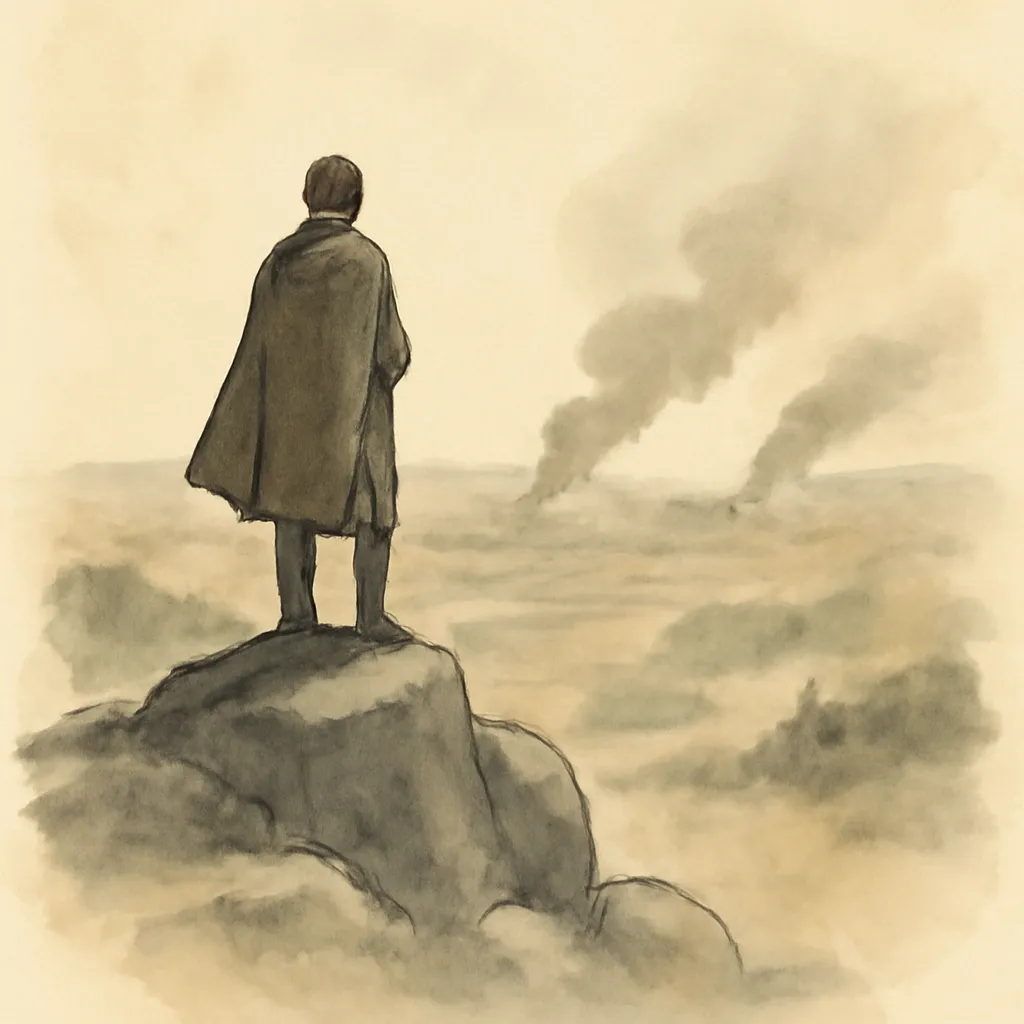
The physical journey undertaken by Henry and his friends serves as a powerful metaphor for personal growth and transformation. As they navigate the challenges of the wilderness, each character undergoes significant development, learning valuable lessons about bravery, loyalty, and sacrifice. The trials they face shape their identities and forge a deeper understanding of themselves and their roles within their community. For example, Henry's evolution from a young boy to a capable leader is marked by his experiences with danger and his commitment to his friends. Altsheler uses the journey motif to emphasize that growth often comes through adversity, and that the challenges faced along the way can lead to profound self-discovery. This theme resonates with readers, reminding them that their own journeys through life are often filled with obstacles that can lead to personal transformation.
9.The Importance of Heritage and Legacy
Heritage and the concept of legacy are woven throughout the narrative, as characters grapple with their identities and the histories that shape them. For Henry and his friends, their connection to their ancestors and the land they inhabit is a source of pride and motivation. Altsheler emphasizes the significance of understanding one's roots and the responsibility that comes with preserving that legacy. The characters' actions are influenced by their desire to honor their heritage, whether through acts of bravery or by defending their territory. This theme invites readers to reflect on their own legacies and the ways in which they can contribute to the stories of their families and communities. The book ultimately conveys that every individual's journey is part of a larger tapestry, and that the choices made today can echo through generations.
10.The Nature of Sacrifice
Sacrifice is a recurring theme in 'The Border Watch,' with characters facing difficult choices that test their values and commitments. Throughout the narrative, Henry and his companions make sacrifices for one another, whether it’s risking their lives to save a friend or facing personal loss for the greater good. Altsheler illustrates that sacrifice is not merely an act of heroism but a necessary part of the human experience. The characters learn that their willingness to put others before themselves can lead to deeper connections and a greater sense of purpose. The emotional weight of these sacrifices resonates throughout the story, prompting readers to consider the costs of conflict and the importance of selflessness in relationships. This exploration of sacrifice enriches the narrative, adding layers of complexity to the characters' motivations and the overarching themes of survival and loyalty.