1.The Search for Identity
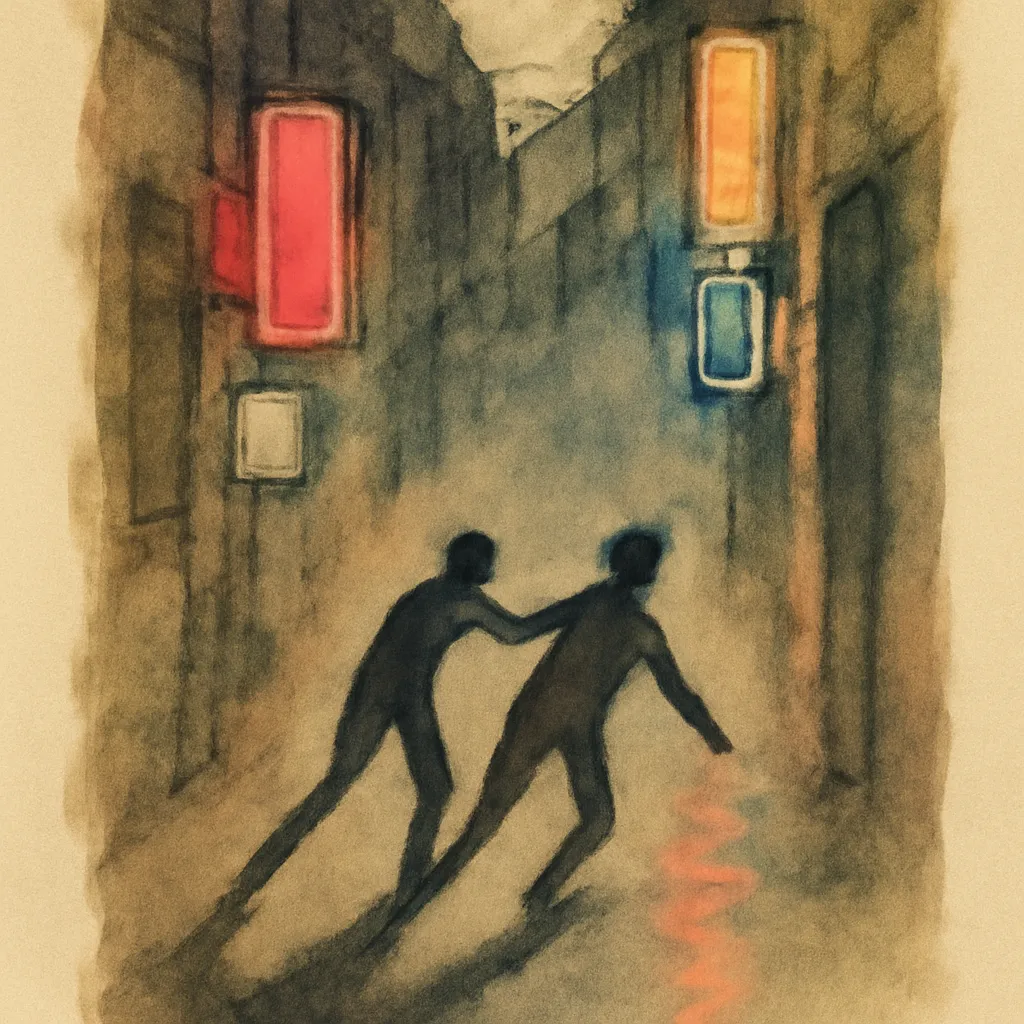
At the heart of the novel is Jason Bourne’s desperate struggle to discover who he is. Stripped of his memory, Bourne’s journey is both external—evading assassins and piecing together clues—and deeply internal, as he wrestles with the fear that he may be a dangerous man. The book explores how memory, self-perception, and morality are intertwined, raising questions about whether identity is defined by our past actions or by the choices we make in the present.
2.Trust and Paranoia
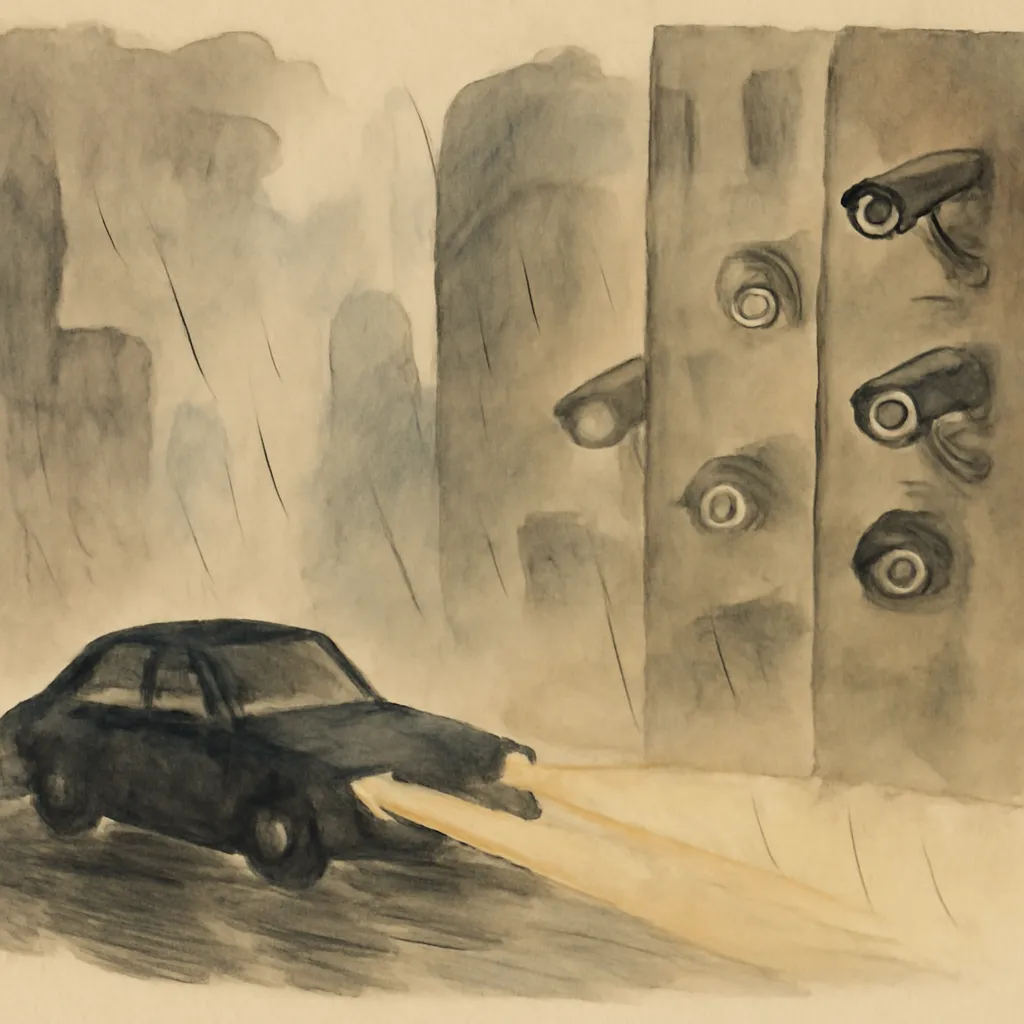
Ludlum masterfully builds an atmosphere of paranoia, where every ally could be an enemy and every piece of information is suspect. Bourne’s amnesia forces him to rely on strangers, particularly Marie, whose shifting role from hostage to partner underscores the fragile nature of trust. The novel examines how uncertainty and fear can distort relationships and force difficult decisions.
3.The Machinery of Espionage
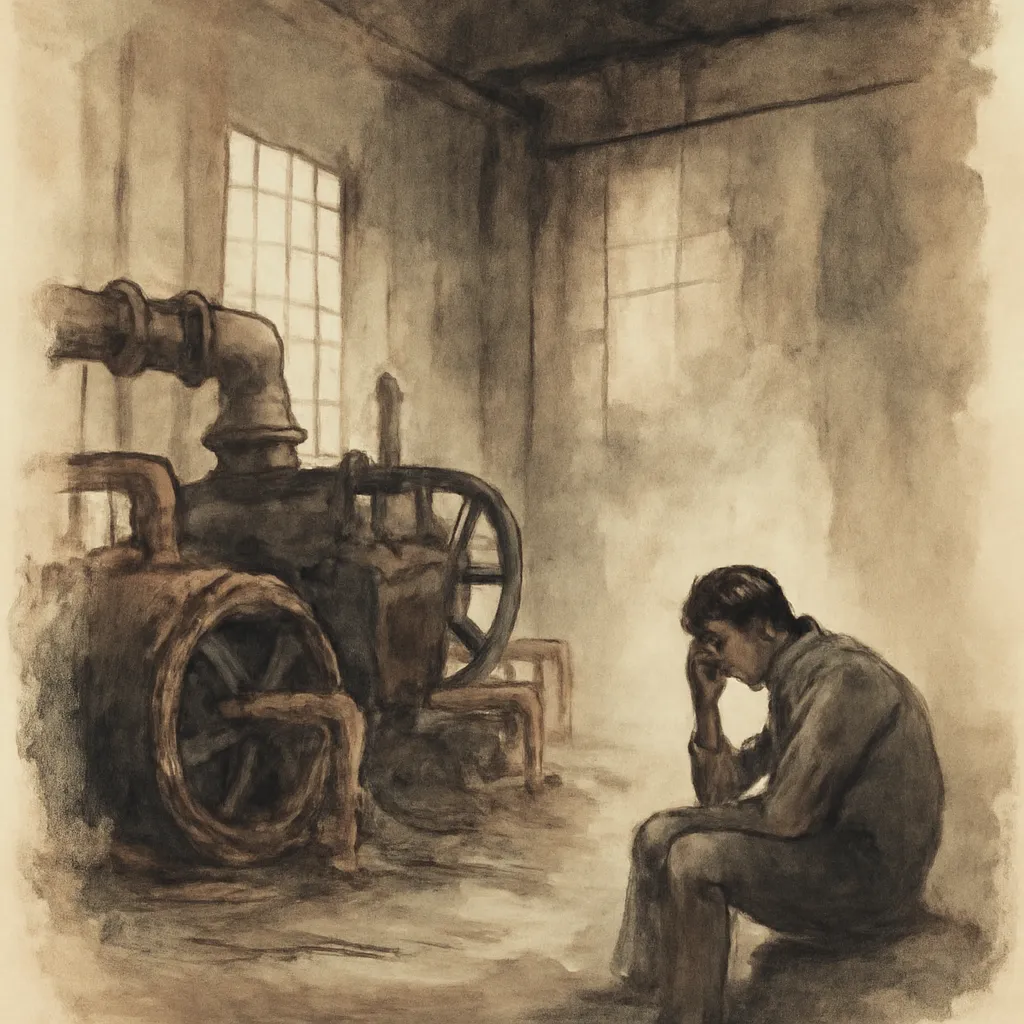
The Bourne Identity immerses readers in the shadowy world of international espionage. Ludlum details the operations of intelligence agencies, contract killers, and covert missions, highlighting the moral ambiguities and psychological toll of life as a spy. The book critiques the expendability of individuals in the pursuit of national interests and the blurred line between hero and villain.
4.Action and Psychological Tension
While the novel is packed with high-octane chases and shootouts, its real engine is psychological tension. Bourne’s internal conflict—his fear of what he might be capable of, his flashes of violent skill, and his longing for redemption—keeps the stakes high. Ludlum balances physical danger with emotional depth, making the action meaningful rather than gratuitous.
5.The Role of Memory
Memory is both Bourne’s greatest obstacle and his potential salvation. The narrative structure, with its fragmented recollections and sudden revelations, mirrors the protagonist’s fractured sense of self. The book suggests that memory is not just a record of the past, but a foundation for moral responsibility and personal transformation.
6.Moral Ambiguity
The Bourne Identity refuses easy answers about good and evil. Bourne’s struggle to remember his past crimes and his efforts to do right in the present force readers to question whether redemption is possible. Ludlum’s world is one where motives are murky, and the cost of survival may be the loss of one’s soul.