1.The Power of Team over Individual Talent
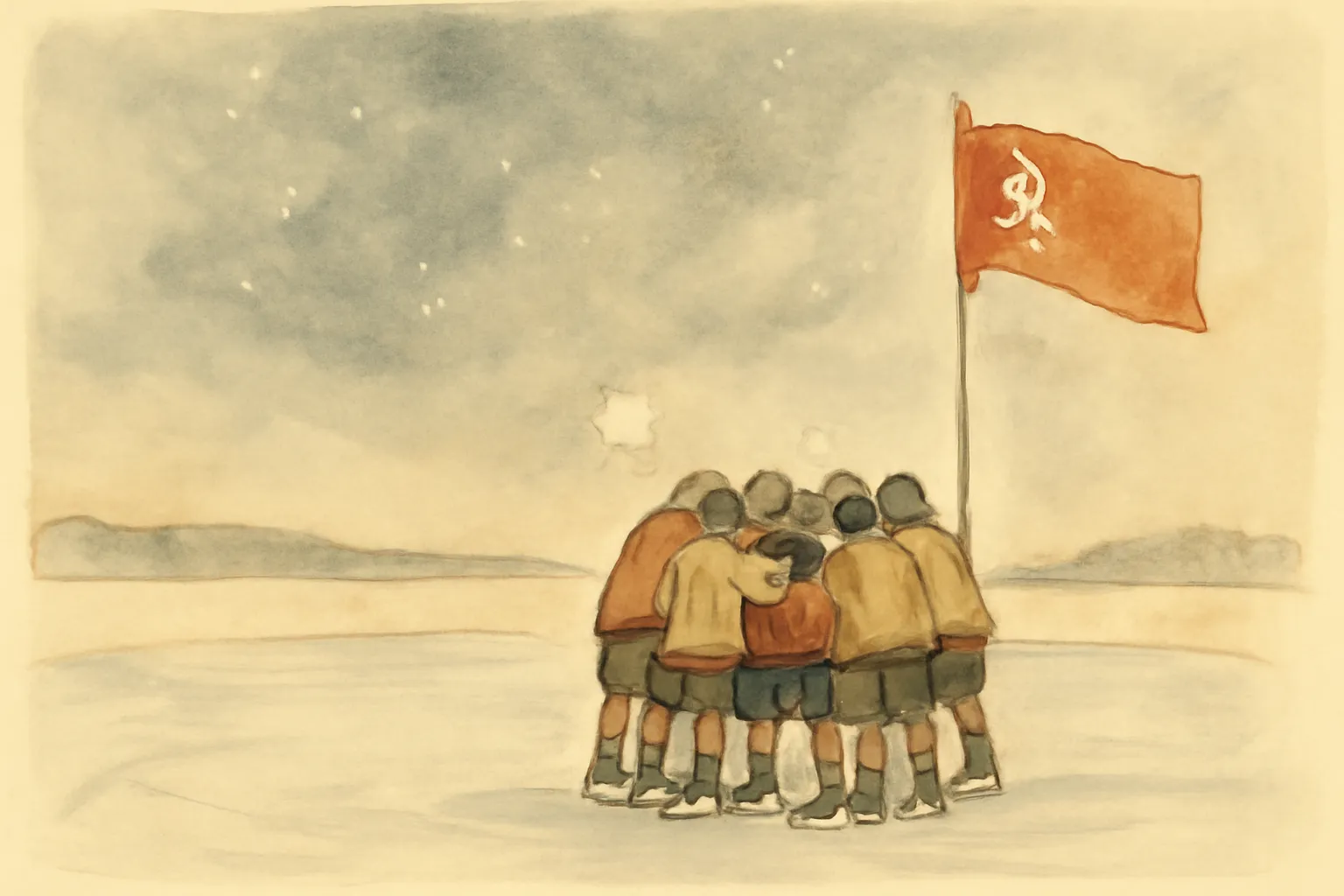
Coffey emphasizes that the U.S. team's success was rooted less in raw talent and more in their collective commitment to a shared goal. Unlike the Soviet team, which was stacked with professional stars, the Americans were college kids and blue-collar athletes who bought into Coach Herb Brooks' vision. Their willingness to sacrifice personal glory for the good of the group created a chemistry that proved unstoppable, illustrating how unity can outperform individual brilliance.
2.Herb Brooks’ Unconventional Leadership
The book delves into the unique coaching style of Herb Brooks, whose demanding, often abrasive methods pushed his players to their limits. Brooks was a master motivator, blending psychological tactics with innovative training to forge mental toughness. Coffey shows how Brooks’ leadership was both controversial and essential, challenging the players to believe in themselves and each other, ultimately transforming them into more than the sum of their parts.
3.Context: America in Crisis
Set against the backdrop of the Cold War, economic malaise, and the Iran hostage crisis, the 1980 Olympics became a stage for more than just sports. Coffey situates the hockey victory within the larger American psyche, highlighting how the team's triumph offered hope and unity at a time of national uncertainty. The game was not just a win on the ice, but a symbolic victory for American ideals and morale.
4.The Human Side of Legends
Through extensive interviews, Coffey brings out the personalities, struggles, and backgrounds of the players. He reveals their doubts, fears, and personal challenges, humanizing figures often seen as mythic. This approach invites readers to see the team not as icons, but as relatable young men whose perseverance and flaws made their achievement even more remarkable.
5.The Lasting Impact of the Miracle
The book explores how the 'Miracle on Ice' reverberated beyond 1980, influencing American hockey and sports culture for decades. Coffey traces the players’ post-Olympic lives and the enduring legacy of their victory, showing how a single game can inspire generations and become a touchstone for national identity and possibility.
6.Challenging the Myth
While celebrating the team's success, Coffey also interrogates the mythology that has grown around the event. He separates fact from legend, providing a nuanced account that respects the magic of the moment while acknowledging the complexities and imperfections behind it. This critical perspective enriches the narrative, making it more than just a feel-good story.