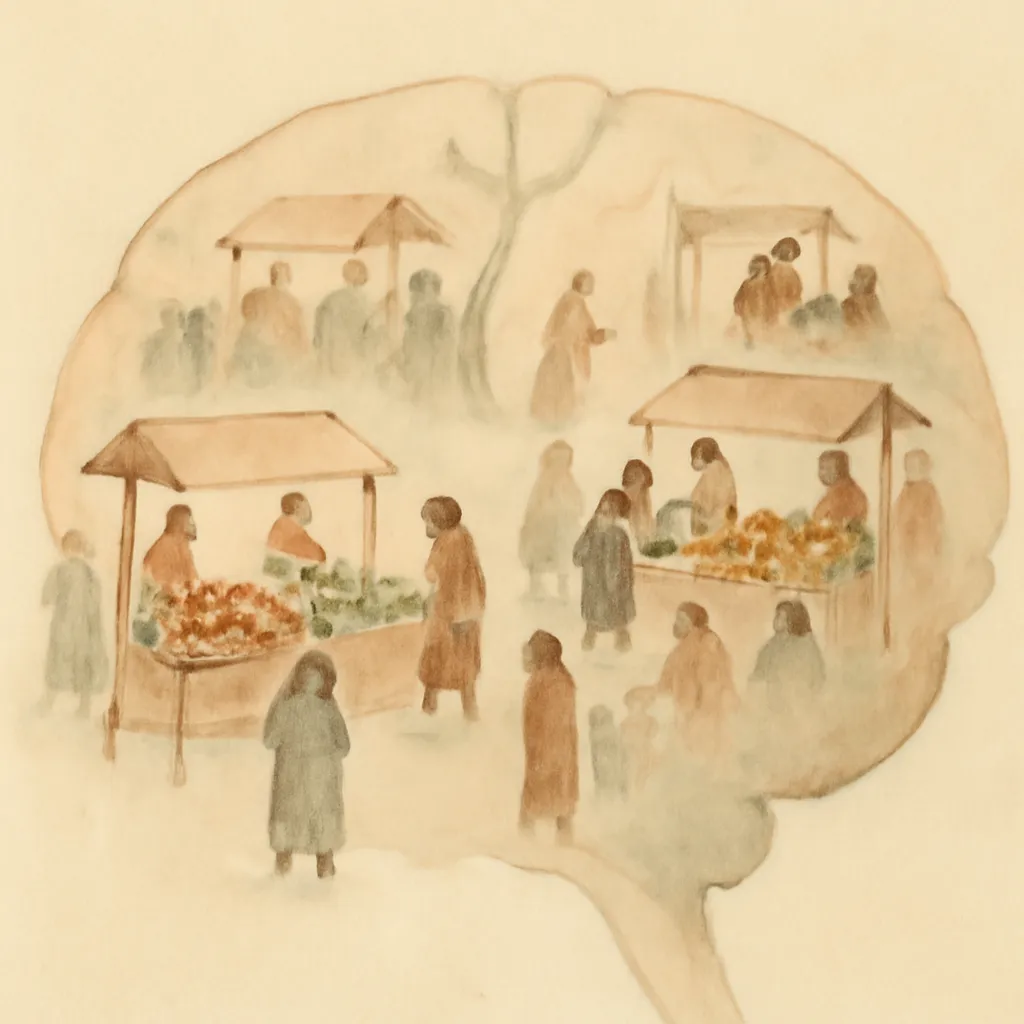
1.The Brain as a Dynamic System
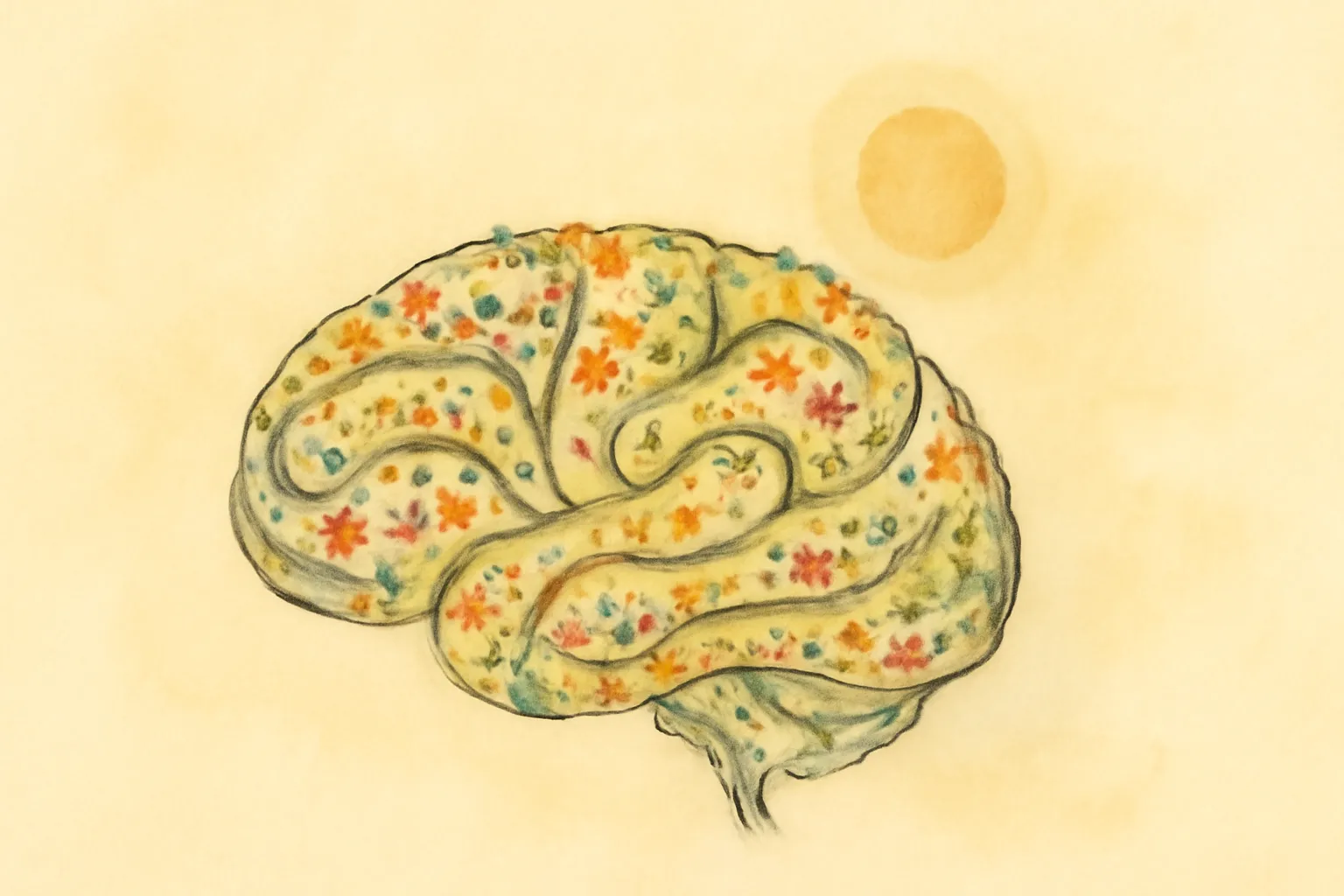
Carter emphasizes that the brain is not a static organ but a dynamic, constantly changing system. Neural pathways are shaped and reshaped by experience, learning, and environment. This neuroplasticity means that our brains are always adapting, which underpins everything from skill acquisition to recovery from injury. The book demystifies how habits form, how memories are stored, and why change is possible at any age.
2.Mapping the Mind
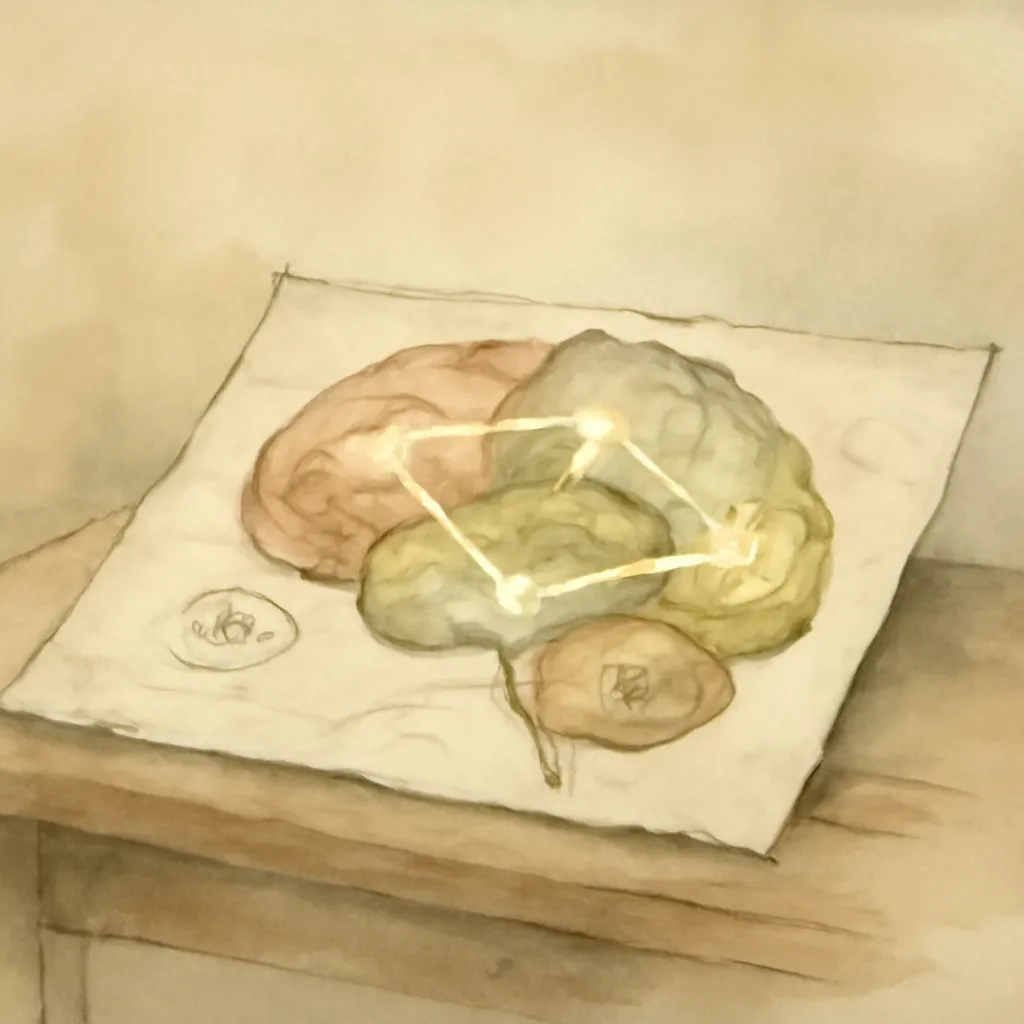
One of the book's strengths is its use of detailed, state-of-the-art illustrations to map out the brain’s anatomy and functions. Carter explains how different regions are responsible for specific tasks—like language, vision, and emotion—while also highlighting the interconnectedness that allows for complex behaviors. This visual approach helps readers grasp both the specialization and integration that make the brain so powerful.
3.Consciousness and Identity
Carter delves into the elusive nature of consciousness, exploring how subjective experience arises from physical processes. She discusses theories on self-awareness, the sense of 'I,' and the neural correlates of consciousness. By connecting brain activity to the formation of identity and personality, the book invites readers to reflect on what it means to be an individual.
4.The Brain in Health and Disease
A significant portion of the book is devoted to understanding how the brain can malfunction, leading to conditions like Alzheimer's, depression, or schizophrenia. Carter provides clear explanations of the biological underpinnings of these disorders, as well as current treatments and ongoing research. This not only fosters empathy but also underscores the importance of brain health.
5.The Future of Neuroscience
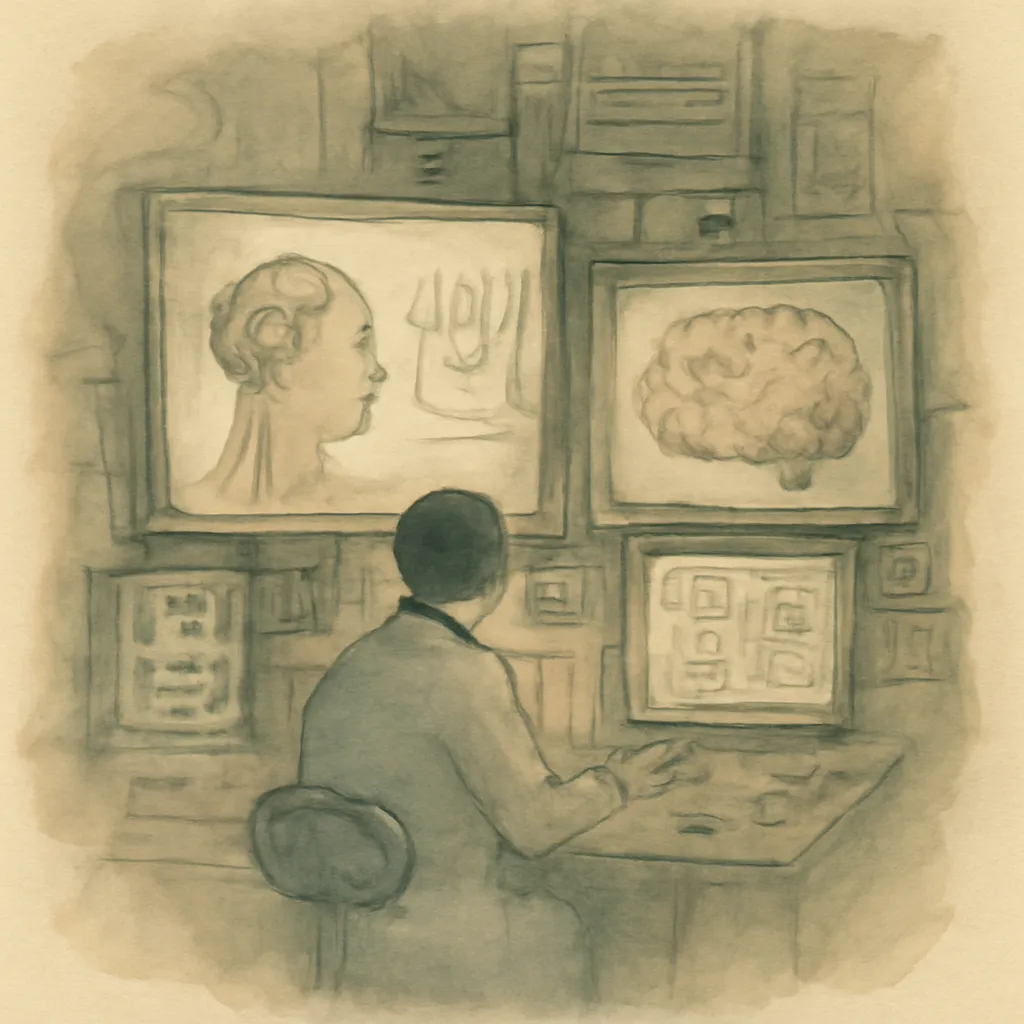
Carter looks ahead to the future, discussing emerging technologies such as brain imaging, neural implants, and artificial intelligence. She raises ethical questions about privacy, enhancement, and the potential to alter what it means to be human. This forward-looking perspective encourages readers to consider both the promise and the perils of manipulating the brain.
6.The Brain’s Role in Everyday Life
Beyond the science, Carter connects brain function to daily experiences—how we perceive the world, make decisions, and interact socially. She explains how emotions, intuition, and rational thought are all products of neural processes, making the science relevant to readers’ own lives.