1.The Brain as a Storyteller
Eagleman argues that our brains are not passive receivers of reality, but active creators of it. The brain constructs a seamless narrative from fragmented sensory inputs, weaving together memory, perception, and imagination to create a coherent sense of self and world. This storytelling function is essential for navigating the complexities of life, but it also means that our experience of reality is subjective and shaped by countless unconscious processes.
2.Neural Competition and Decision-Making
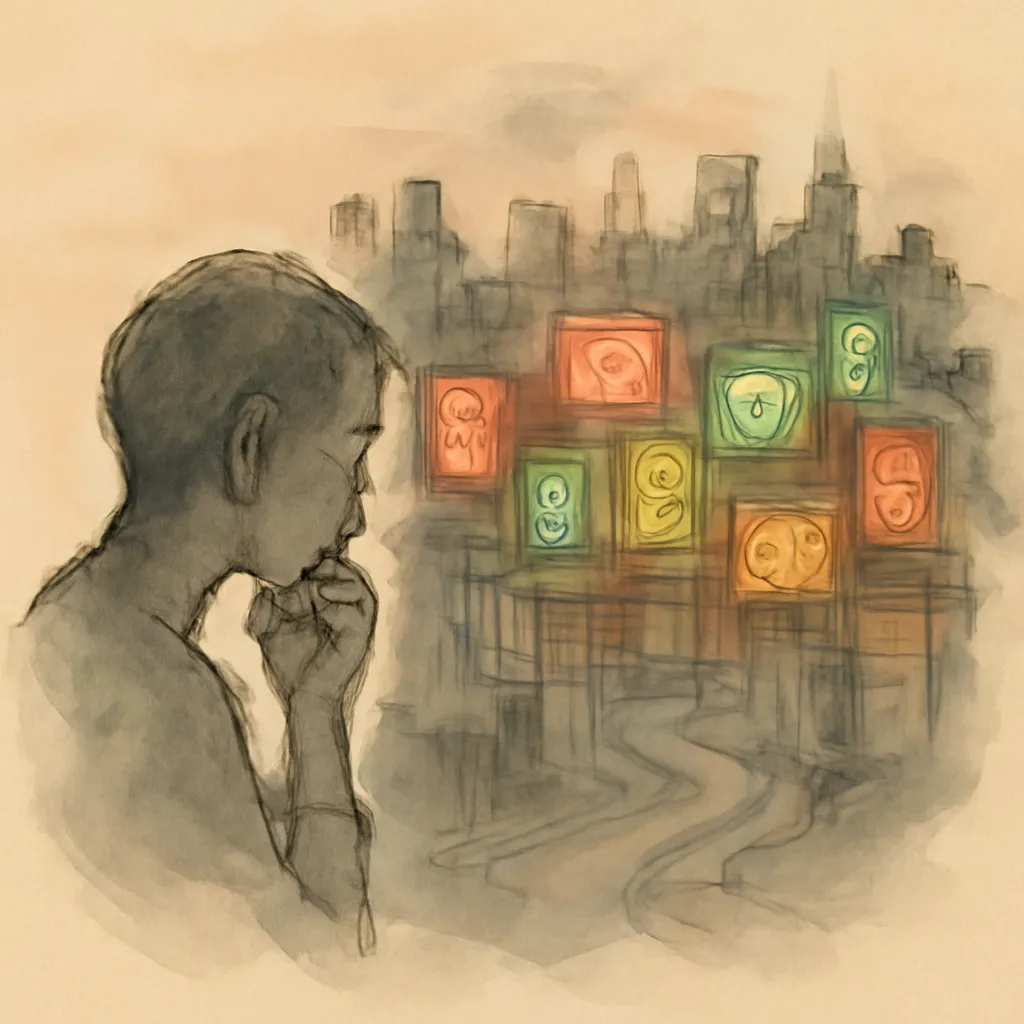
The book likens the brain to a bustling city, where different neural networks compete for influence over our thoughts and actions. Decision-making is not the result of a single, unified self, but of ongoing negotiations between competing impulses, desires, and rational considerations. This perspective helps explain why we sometimes act against our own best interests or struggle with internal conflicts.
3.Plasticity: The Brain’s Ability to Change
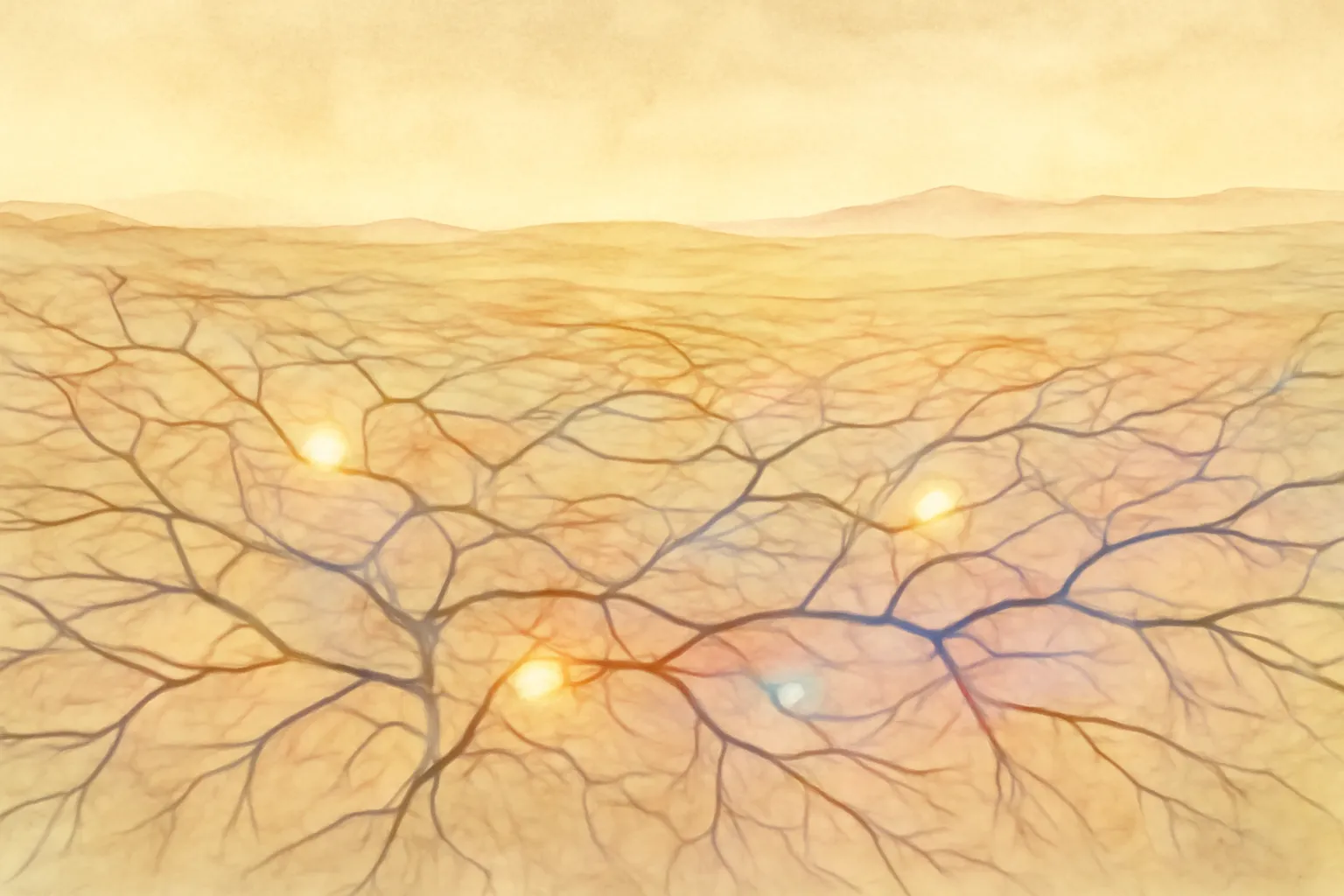
A central theme is neuroplasticity—the brain’s remarkable capacity to rewire itself in response to experience, injury, or learning. Eagleman illustrates how this adaptability underlies everything from skill acquisition to recovery after trauma, emphasizing that our brains are works in progress, constantly shaped by our environment and choices.
4.Identity and the Illusion of the Self
Eagleman challenges the notion of a fixed, unchanging self. Instead, he shows that identity is fluid, emerging from the dynamic interplay of memories, emotions, and social context. Our sense of 'who we are' is a construction, updated moment by moment as the brain integrates new information and experiences.
5.The Social Brain
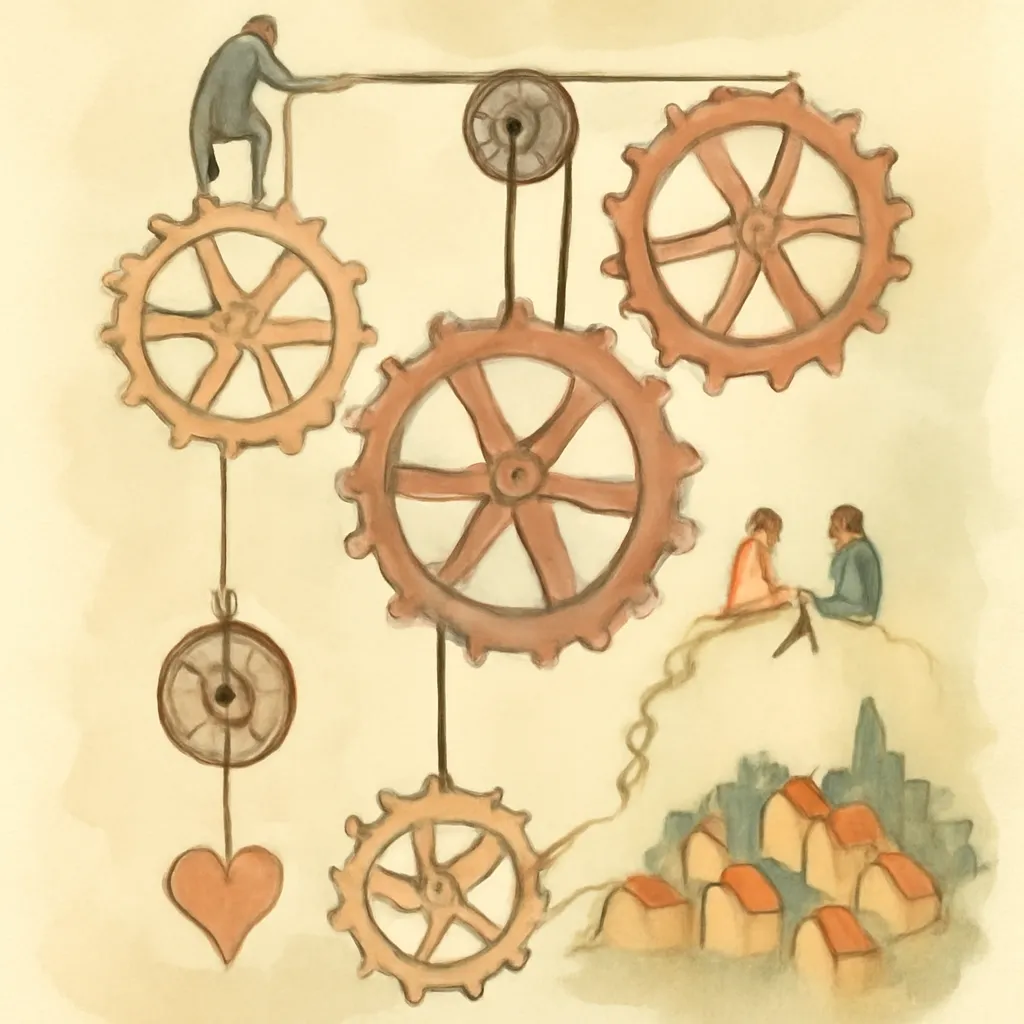
The book highlights the brain’s deep social orientation. From empathy to group dynamics, much of our neural architecture is devoted to understanding others and navigating social worlds. Eagleman explores how our brains are wired for connection, and how social experiences profoundly shape our development and behavior.
6.The Future of the Brain
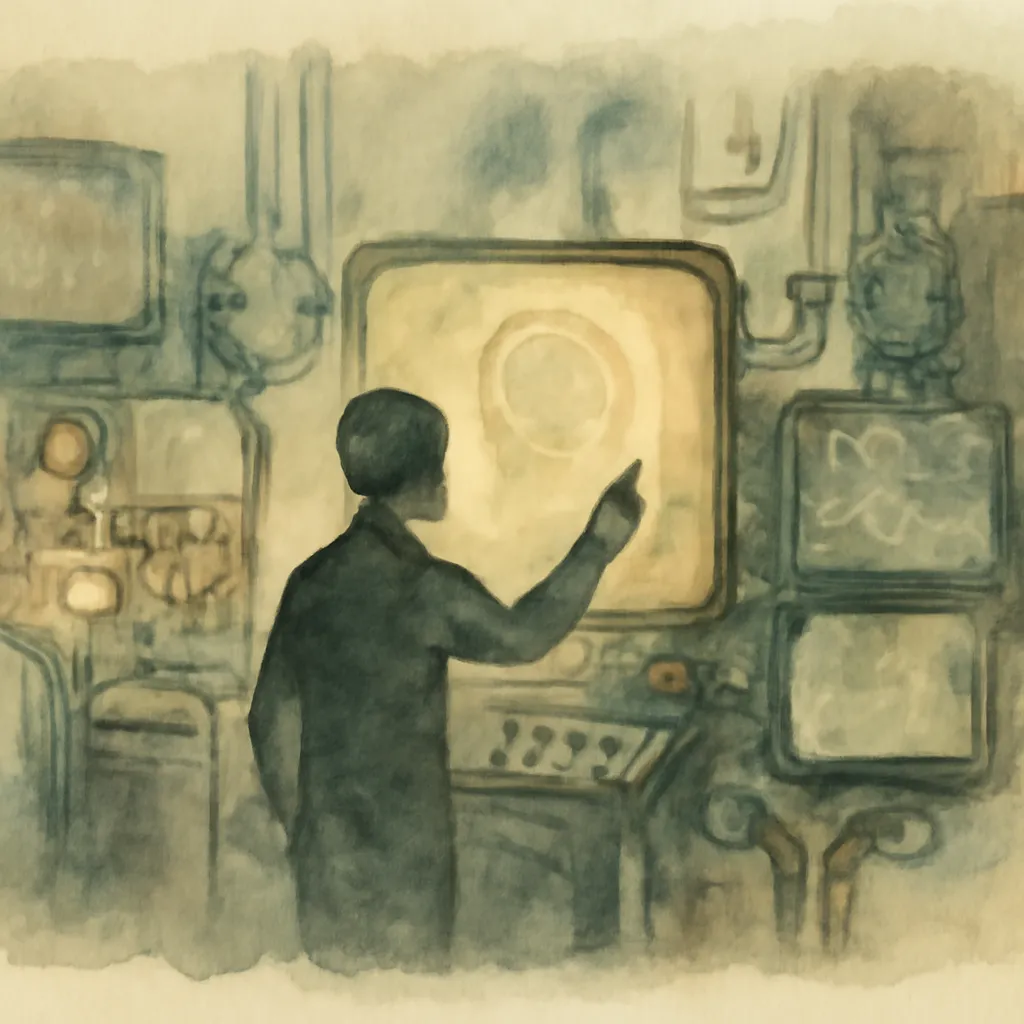
Eagleman looks ahead to the ethical and technological frontiers of neuroscience, such as brain-machine interfaces and the potential to enhance or alter human cognition. He raises important questions about what it means to be human as our understanding—and manipulation—of the brain advances.