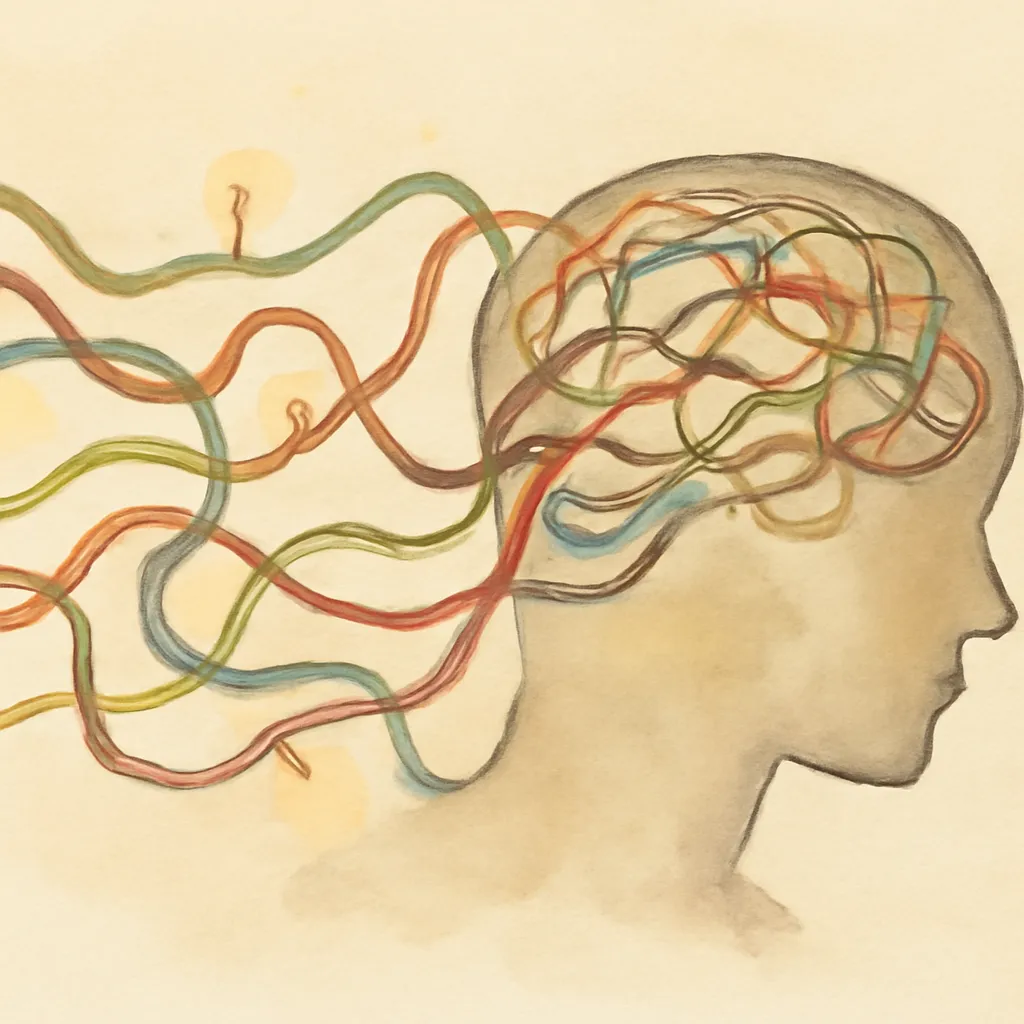
1.Neuroplasticity: The Brain’s Power to Change
Central to the book is the concept of neuroplasticity—the brain’s lifelong ability to reorganize itself by forming new neural connections. Doidge argues that this adaptability is not just a developmental feature but a potential source of healing after injury or disease. He illustrates how, contrary to long-held beliefs, the adult brain is not fixed, and even severe impairments can be improved through targeted stimulation and practice.
2.Natural, Non-Invasive Therapies
Doidge details a range of therapies that use natural forms of energy—such as light, sound, vibration, and movement—to stimulate the brain’s healing mechanisms. These approaches, often overlooked by mainstream medicine, are shown to help patients recover from conditions like chronic pain, stroke, traumatic brain injury, and neurodevelopmental disorders, often without the side effects of drugs or surgery.
3.The Role of Sensory Input in Healing
A recurring theme is the brain’s reliance on sensory input for repair. Techniques like light therapy for brain injury or sound-based treatments for learning disorders work by delivering structured sensory information that prompts the brain to rewire itself. The book highlights how carefully designed sensory experiences can unlock dormant neural pathways and restore lost functions.
4.Case Studies: Stories of Recovery
Doidge brings neuroplasticity to life through detailed case studies of patients who defied medical expectations. From chronic pain sufferers to stroke survivors, these stories showcase the real-world impact of neuroplastic interventions. The narratives are both scientifically rigorous and emotionally compelling, illustrating the hope and challenges of recovery.
5.Challenging Medical Orthodoxy
The book critiques the conventional medical view that brain damage is largely irreversible. Doidge contends that mainstream medicine often underestimates the brain’s capacity for self-repair, and he calls for a broader acceptance of therapies that leverage neuroplasticity. He also addresses skepticism and the need for rigorous scientific validation of new methods.
6.Prevention and Brain Health
Beyond treatment, Doidge discusses how neuroplastic principles can help prevent cognitive decline and promote lifelong brain health. He advocates for ongoing mental and physical activity, exposure to novel experiences, and the use of neuroplastic exercises as ways to reduce the risk of dementia and other age-related conditions.