1.Cancer as a Natural Phenomenon
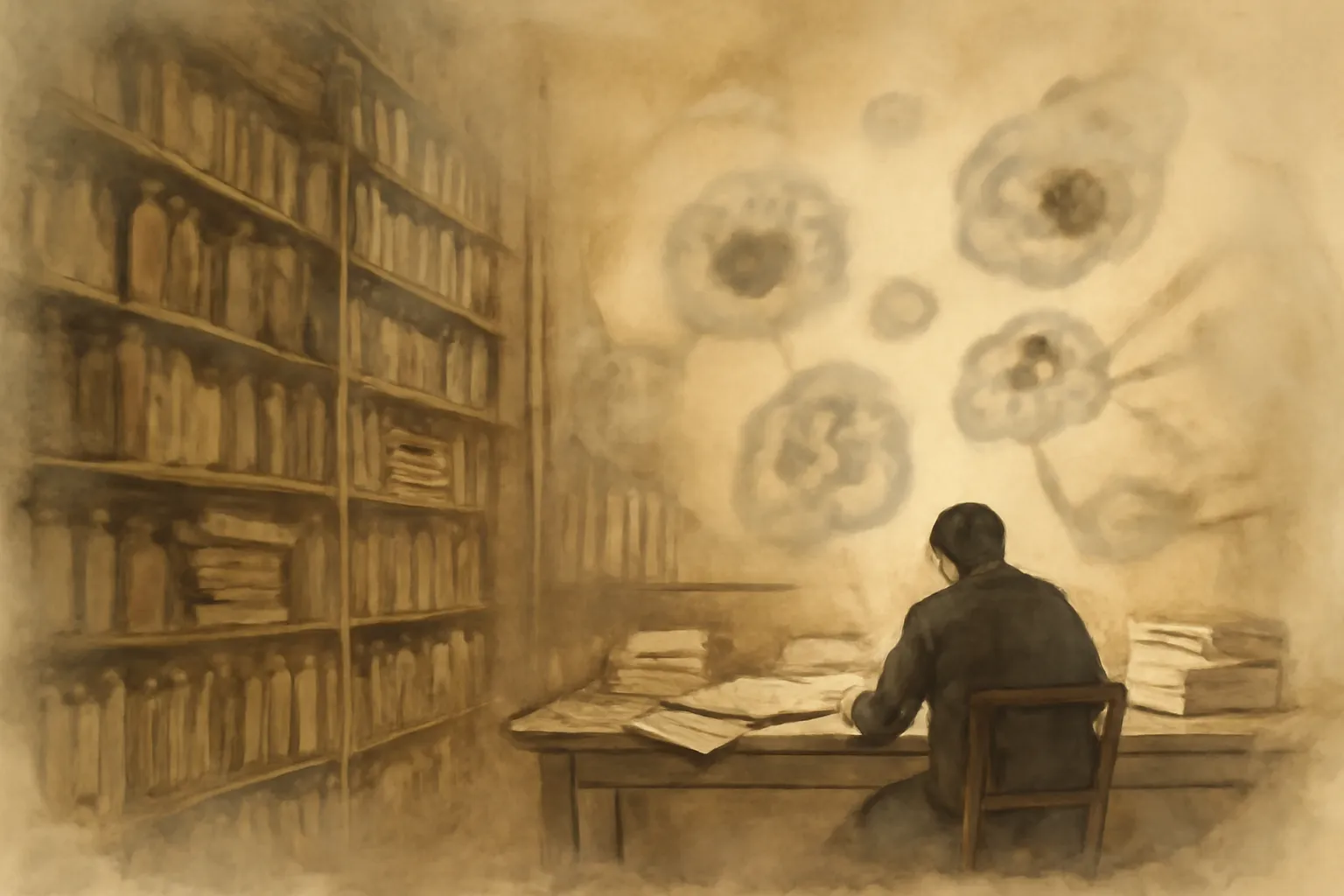
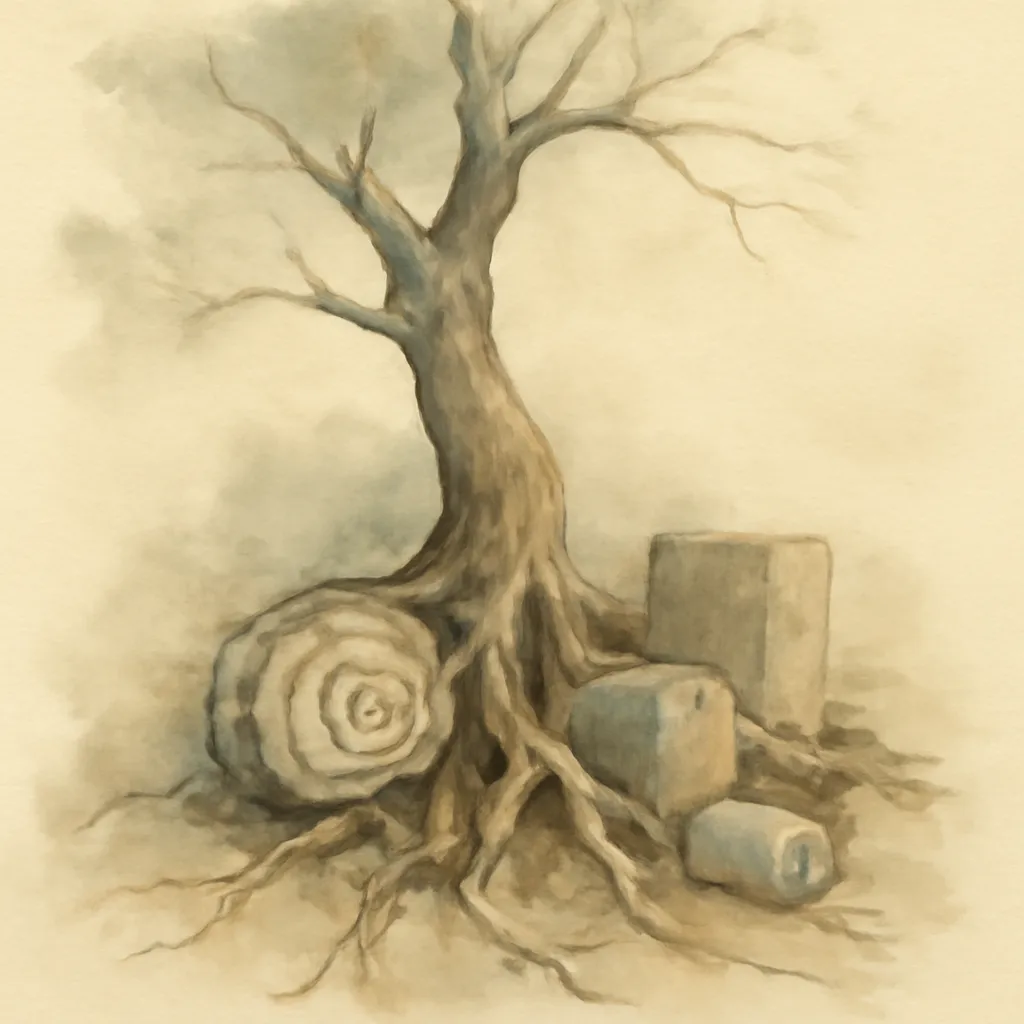
Johnson challenges the notion of cancer as an exclusively modern, man-made scourge. He traces its roots back to ancient times and even to the earliest multicellular life, arguing that cancer is an inherent risk of being made of many cells that divide and evolve. This perspective reframes cancer not as an external invader, but as a byproduct of life's complexity and longevity, making it a universal biological phenomenon rather than a purely environmental or lifestyle-driven disease.
2.The Complexity of Causation
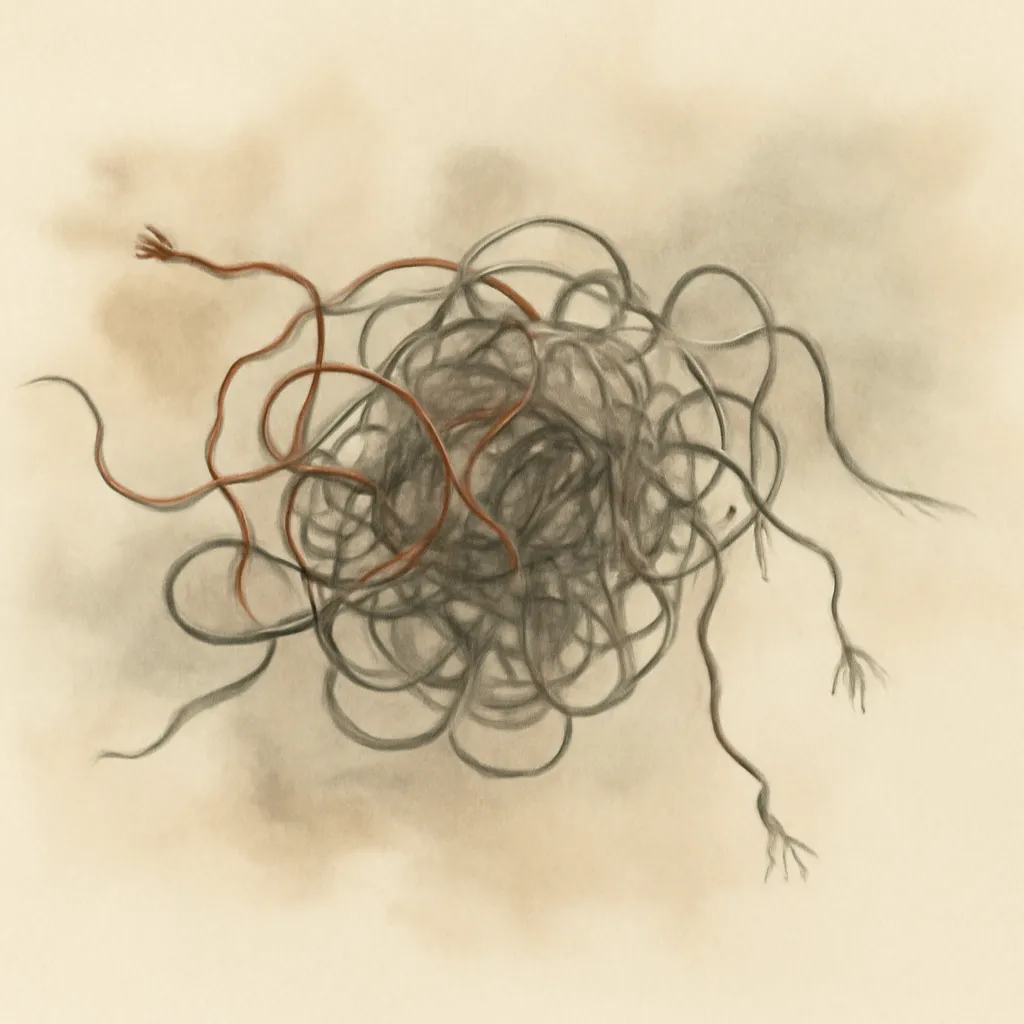
The book delves into the tangled web of cancer causation, debunking the idea that there are simple, singular causes for most cancers. Johnson explores genetic mutations, environmental exposures, and random cellular errors, emphasizing that while certain factors can increase risk, much about cancer's emergence is governed by chance and the inherent imperfection of biological processes. This nuanced view cautions against oversimplified narratives about blame or prevention.
3.The Evolutionary Perspective
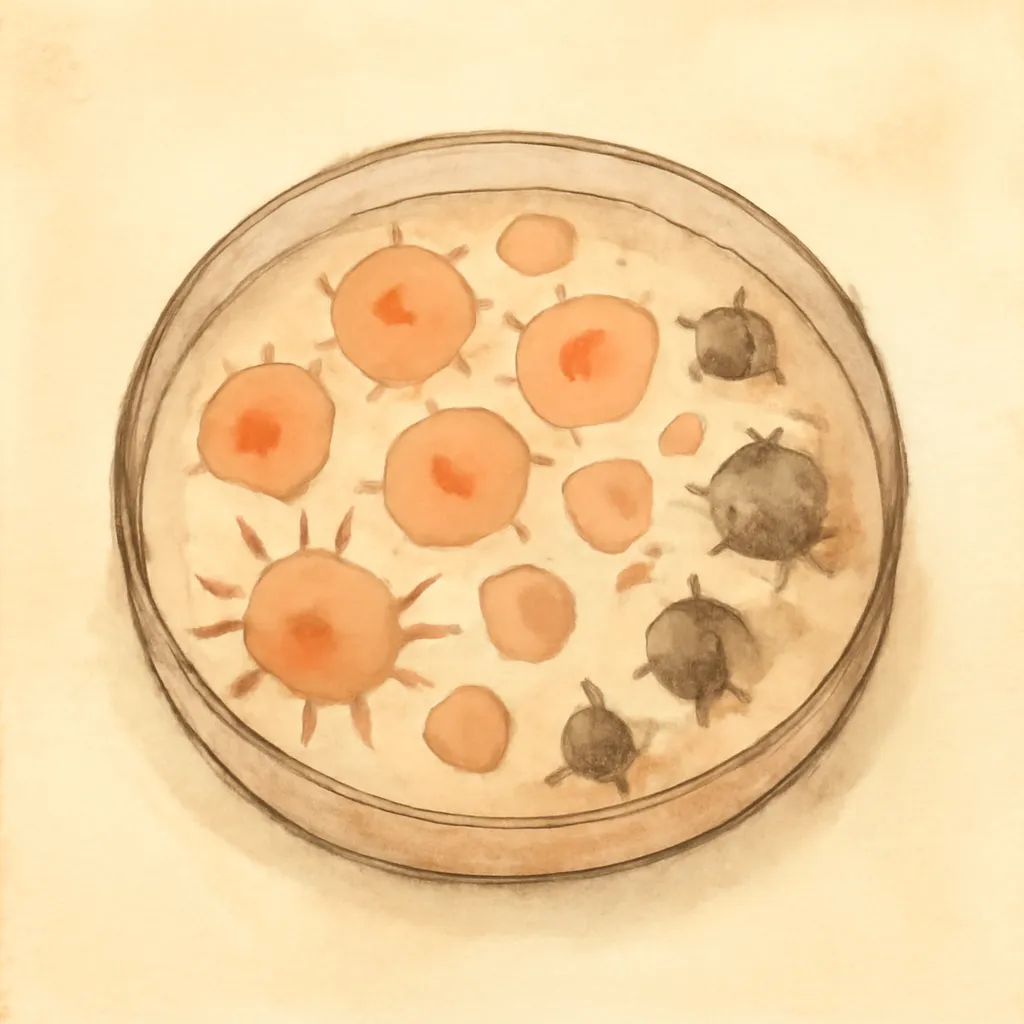
Johnson introduces readers to the evolutionary dynamics within tumors, where cells mutate and compete in a Darwinian struggle for survival. This framework helps explain why cancer is so difficult to treat and why it recurs or resists therapy. Understanding cancer as an evolving ecosystem, rather than a static enemy, shifts the focus of research and treatment strategies toward adaptability and complexity.
4.Hope and Hype in Cancer Research
The book critically examines the history of cancer research, highlighting both genuine breakthroughs and episodes of misplaced optimism. Johnson is skeptical of miracle cures and quick fixes, advocating instead for a realistic appreciation of incremental progress. He underscores the importance of scientific rigor, transparency, and humility in the face of a disease that often defies easy answers.
5.The Human Dimension
Interwoven with scientific analysis is Johnson’s personal narrative, following his wife’s cancer diagnosis and treatment. This thread grounds the book in the lived reality of patients and families, reminding readers that cancer is not just a scientific puzzle but a deeply human experience. The interplay between the personal and the scientific adds emotional depth and urgency to the book’s exploration.
6.Rethinking Risk and Prevention
Johnson encourages readers to reconsider what is—and isn’t—within our control when it comes to cancer risk. He discusses the limits of prevention, the dangers of overdiagnosis, and the psychological burden of risk statistics. By unpacking the probabilistic nature of cancer, he invites a more balanced, less fearful approach to living with uncertainty.