1.The Rise of the Dark Horse Candidate
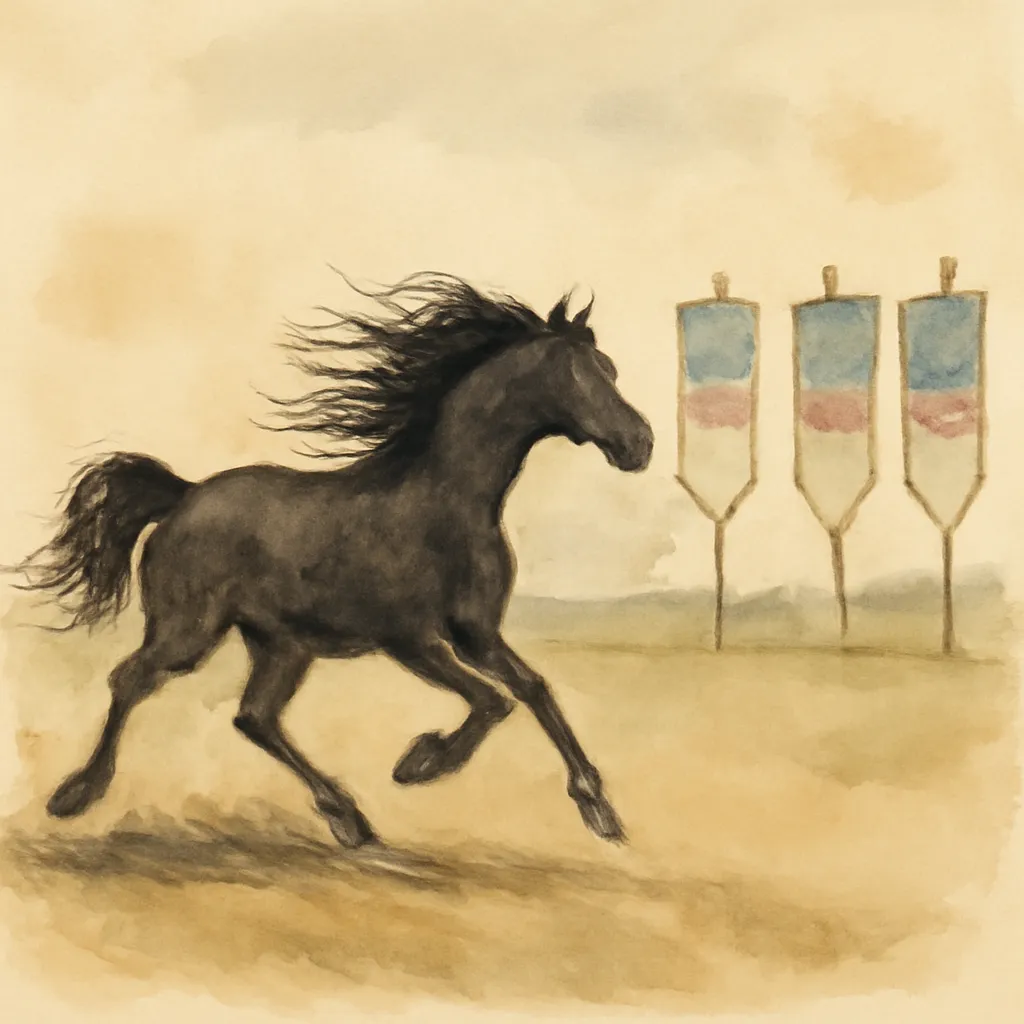
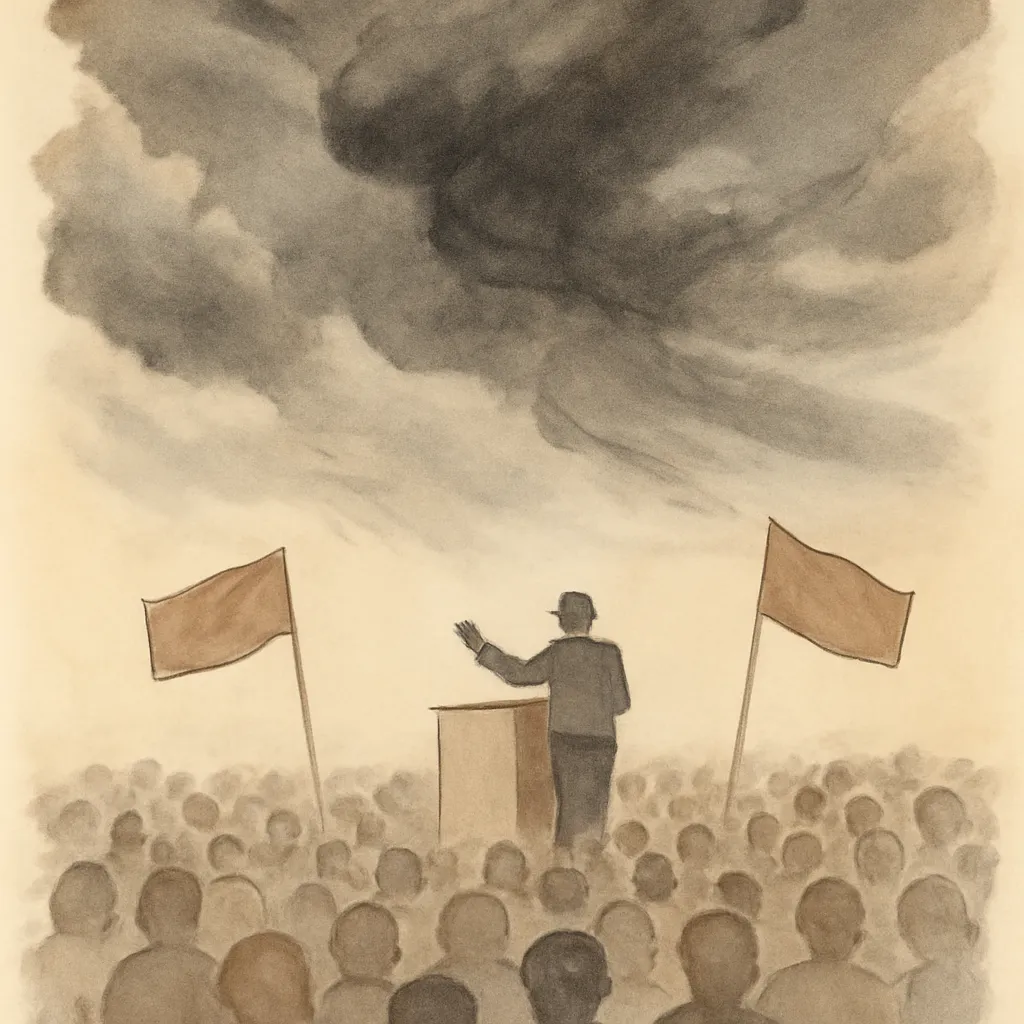
The story begins with the unexpected nomination of Jimmy Grayson, a relatively unknown lawyer, as the presidential candidate. His rise comes at a time when both major political parties are struggling to find suitable leaders. The narrative illustrates how Grayson, initially a dark horse, captures the imagination of the electorate due to the absence of prominent contenders. Altsheler highlights the political climate of the time, where the public's desire for fresh leadership aligns with Grayson's humble beginnings and strong moral character. His youth and vigor contrast sharply with the aging politicians who had previously dominated the scene, signaling a shift toward a more democratic and representative political landscape. This shift is emblematic of the Western states gaining prominence in national politics, as the East begins to recognize the value of new perspectives.
2.The Role of Media in Shaping Public Perception
As Grayson embarks on his campaign, the media's influence becomes a crucial element in shaping his public image. Harley, the correspondent, embodies the intricate relationship between journalism and politics, illustrating how the press can elevate a candidate while simultaneously scrutinizing his every move. The tension between impartial reporting and sensationalism is palpable, as the media oscillates between support and criticism of Grayson's candidacy. This duality underscores the power of narrative in political campaigns; Grayson’s speeches are covered widely, and his ability to connect with the public is both praised and challenged. Altsheler deftly illustrates how journalists like Harley walk a fine line—balancing their duty to report truthfully with the pressure to create engaging stories that captivate their readership. The book raises important questions about the ethical responsibilities of the media in political discourse.
3.Love and Personal Relationships Amidst Political Turmoil
The romantic subplot involving Harley and Sylvia Morgan adds depth to the narrative, exploring how personal relationships can be affected by political ambitions. Sylvia, a strong-willed character, represents the emotional stakes of the political arena, as her affections for Harley conflict with her loyalty to her uncle, Grayson. Their relationship evolves against the backdrop of Grayson’s campaign, showcasing the intertwining of personal and political lives. Altsheler captures the tension between love and ambition, illustrating how the pressures of a public life can strain intimate relationships. The characters grapple with their feelings, leading to moments of introspection and growth. This exploration of romance within a political context highlights the sacrifices individuals make for love and ambition, adding a rich layer to the story and inviting readers to reflect on their own priorities.
4.The Importance of Public Speaking and Oratory Skills
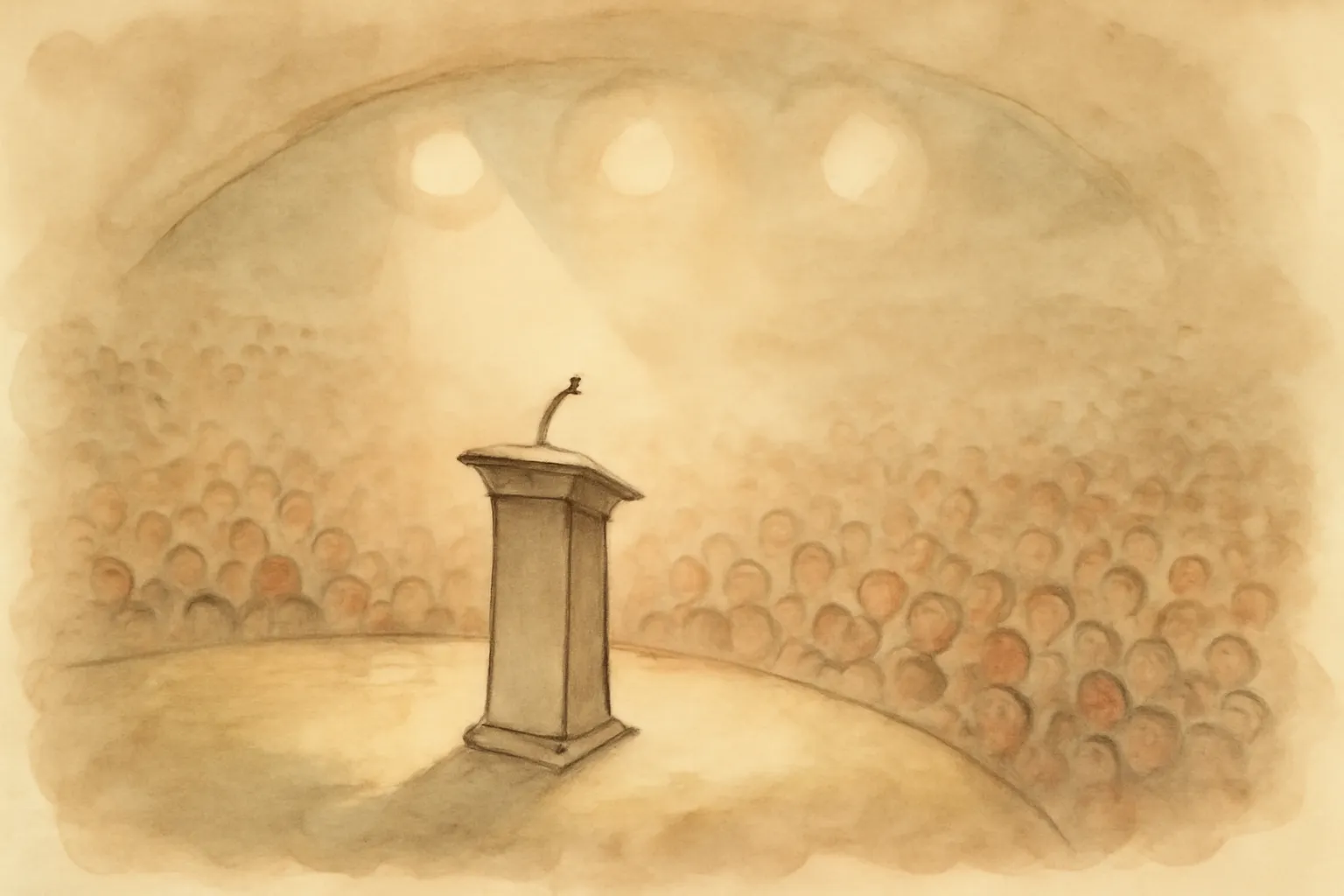
Grayson’s journey emphasizes the significance of oratory skills in political success. His speeches become a focal point of the campaign, serving as both a tool for persuasion and a means of rallying support. Altsheler carefully details the preparation and execution of Grayson’s speeches, showcasing how they resonate with the audience and shape public opinion. The electrifying atmosphere during Grayson’s addresses illustrates the power of words to inspire and mobilize. The author underscores the transformative nature of effective communication, as Grayson learns to harness his oratorical abilities to connect with voters on a personal level. This theme serves as a reminder of the enduring impact that eloquent speech can have in politics, transcending mere rhetoric to evoke genuine emotional responses from listeners.
5.Political Intrigue and the Nature of Power
The novel delves into the intricate web of political intrigue that surrounds Grayson’s candidacy. Altsheler paints a vivid picture of the machinations at play, revealing how power dynamics shift as various factions vie for influence. Grayson faces opposition from established political figures who feel threatened by his rise, leading to attempts to undermine his campaign. The tension between different political interests reflects the broader struggles within the party, as well as the challenges faced by those who dare to challenge the status quo. This exploration of power dynamics serves as a microcosm of the larger political landscape, illustrating how ambition can lead to both collaboration and conflict. Altsheler’s portrayal of these intricacies highlights the complexities of navigating political waters, where alliances can be fragile and motivations often concealed.
6.The Role of the 'Common Man' in Politics
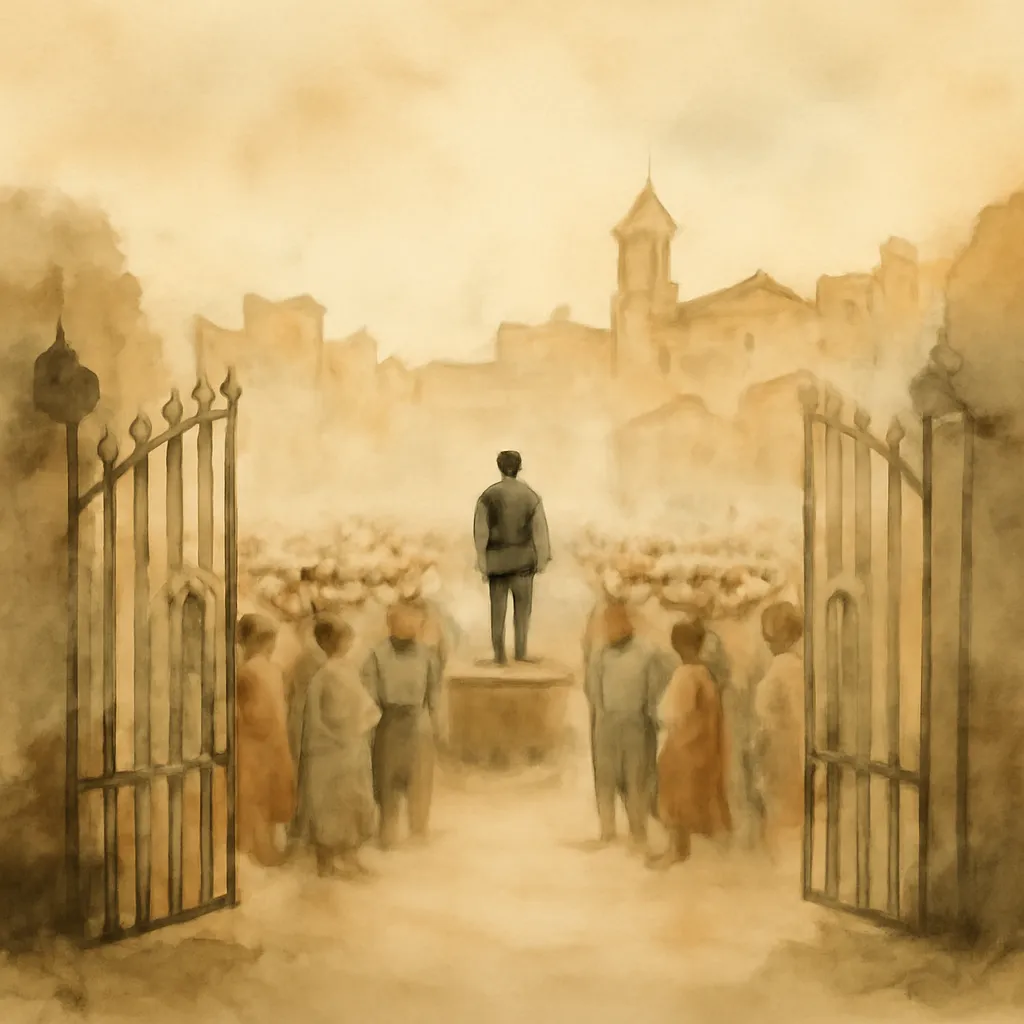
Throughout the narrative, the theme of representing the 'common man' resonates powerfully. Grayson’s background and his connection to ordinary citizens highlight the shift toward a more inclusive political discourse. Altsheler emphasizes the importance of Grayson’s relatability, as he embodies the hopes and aspirations of the electorate. His speeches often reflect the concerns of everyday people, making him a symbol of democratic ideals. This focus on the common man serves as a critique of elitism in politics, urging readers to consider who truly represents their interests. The portrayal of grassroots support for Grayson underscores the potential for political change when leaders authentically connect with their constituents. This theme remains relevant, echoing contemporary conversations about representation and the role of populism in modern politics.
7.The Impact of Personal Sacrifice on Political Ambition
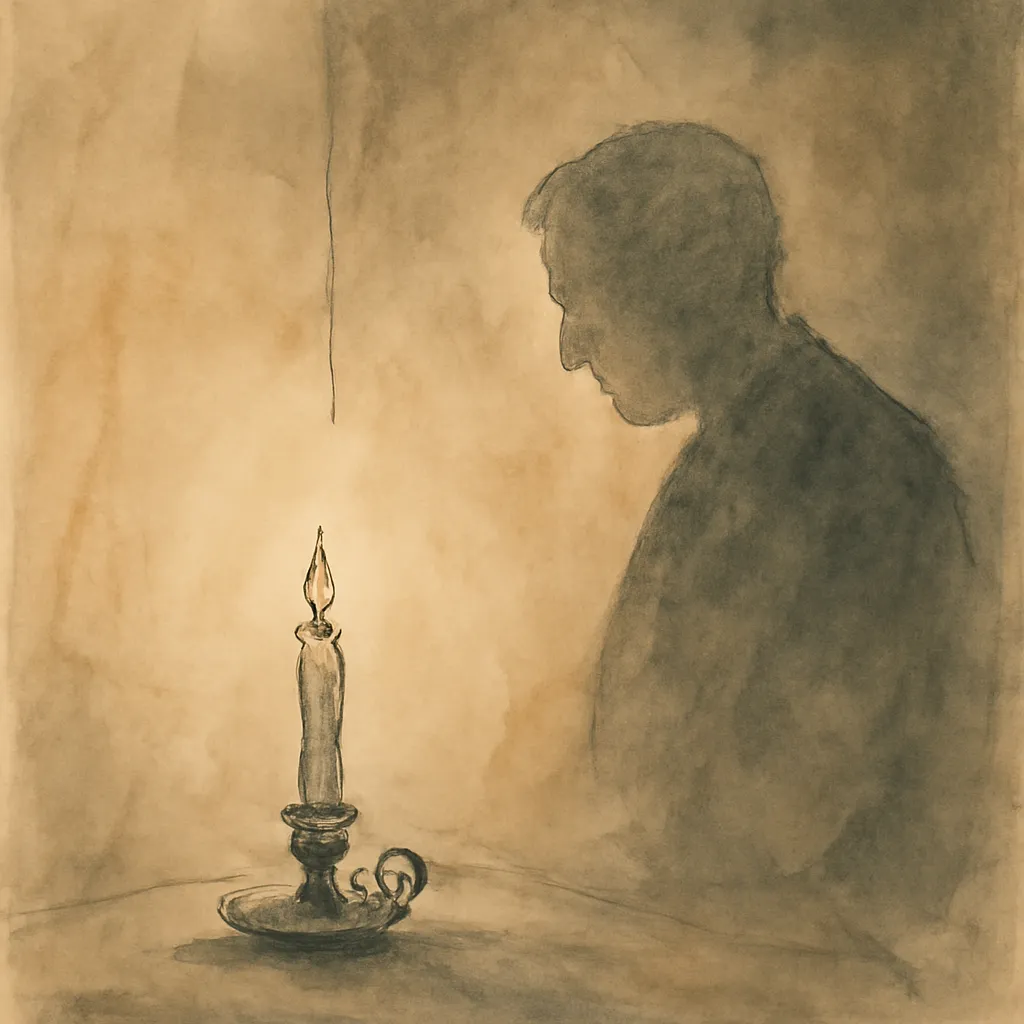
Grayson’s journey is marked by personal sacrifices that ultimately shape his character and his campaign. As he navigates the treacherous landscape of politics, he confronts the realities of leadership and the toll it takes on personal relationships. Altsheler highlights moments where Grayson must choose between his ambitions and the well-being of those he cares about, revealing the moral complexities inherent in political life. This exploration of sacrifice invites readers to reflect on the cost of ambition, as Grayson grapples with the weight of his decisions. The author skillfully illustrates how personal integrity can be tested in the pursuit of power, raising questions about the ethical responsibilities of leaders. Grayson’s experiences serve as a poignant reminder that the path to success is often fraught with difficult choices that can define a person’s legacy.
8.The Influence of Wealth and Class in Political Campaigns
The narrative also addresses the role of wealth and class in shaping political landscapes. Characters like 'King' Plummer embody the tension between established power and emerging voices in politics. Altsheler illustrates how financial influence can sway public opinion and impact the trajectory of a campaign. The interactions between Grayson and wealthy backers reveal the complexities of securing funding while maintaining authenticity. This theme resonates with contemporary discussions about the role of money in politics, prompting readers to consider how financial power can affect democratic processes. The portrayal of class dynamics serves as a critique of a system where access to resources can determine political success, raising important questions about equity and representation in governance.
9.The Emotional Toll of Political Campaigns
Altsheler does not shy away from depicting the emotional toll that a political campaign takes on its participants. The stress and pressure of public scrutiny weigh heavily on Grayson, affecting his relationships and mental well-being. Harley, as an observer, notes the changes in those around him, particularly Sylvia, whose emotional state reflects the broader impact of the campaign. The author captures the moments of vulnerability and doubt experienced by the characters, illustrating that behind the ambition lies a human experience fraught with anxiety and uncertainty. This exploration of emotions adds depth to the narrative, reminding readers that political life is not just about strategy and ambition but also about the personal stakes involved. Altsheler’s portrayal of these emotional struggles invites empathy and understanding for those who dare to enter the political arena.
10.The Final Confrontation and Resolution
As the campaign reaches its climax, the narrative builds toward a final confrontation that encapsulates the tensions and stakes involved. Grayson faces challenges that test his resolve and commitment to his principles. Altsheler crafts a dramatic resolution that ties together the various threads of the story, culminating in a moment of reckoning for both Grayson and the supporting characters. This confrontation serves as a pivotal turning point, revealing the characters' true motivations and the consequences of their choices. The resolution resonates with themes of redemption, sacrifice, and the enduring quest for integrity in politics. Altsheler’s skillful storytelling brings the narrative to a satisfying conclusion, leaving readers to reflect on the complexities of political life and the human spirit.