1.Sibling Dynamics: The Complexity of Relationships

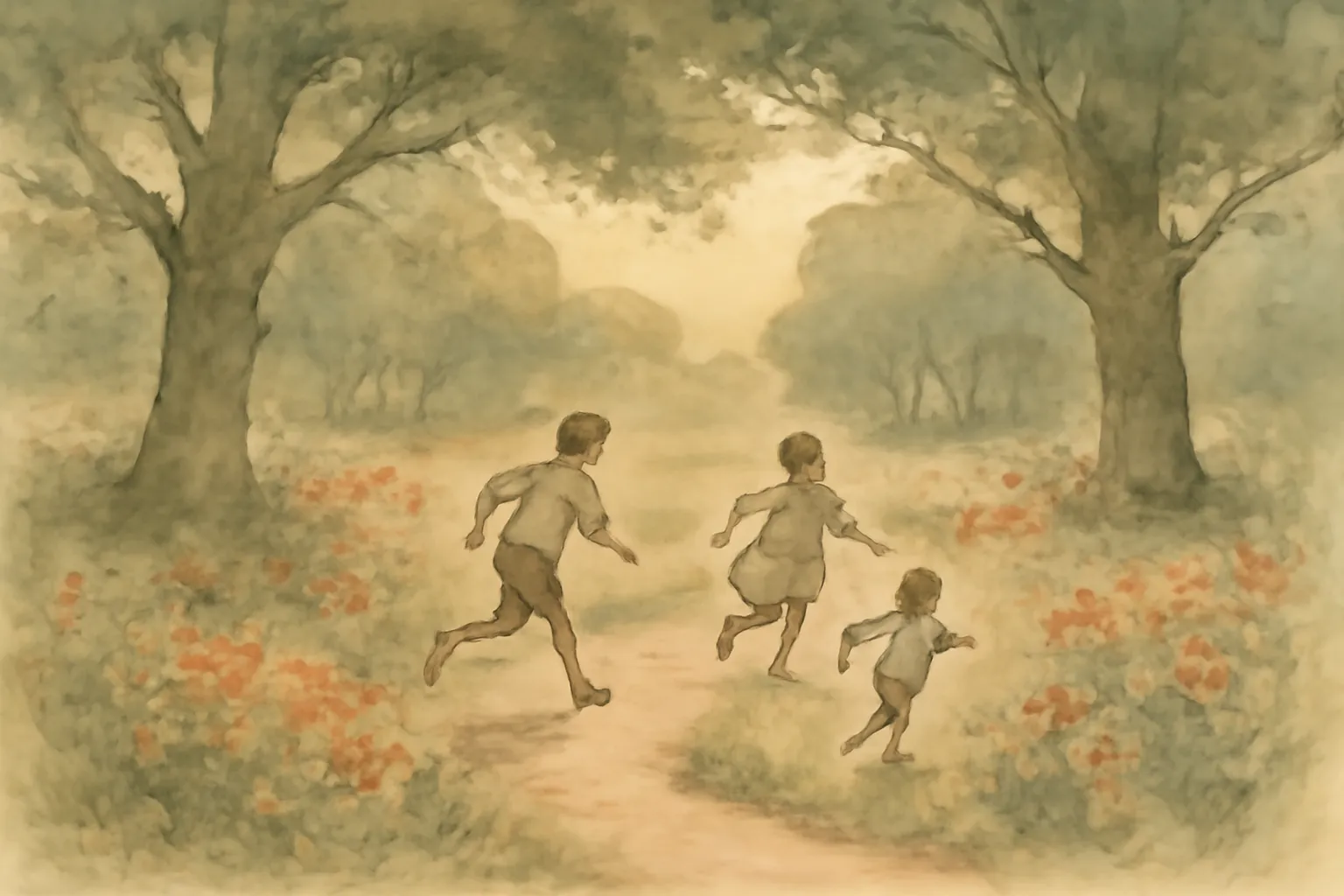
At the heart of 'The Children of Wilton Chase' lies the intricate relationships between siblings, particularly between Marjorie and Ermengarde. Marjorie serves as the sensible, nurturing sibling, while Ermengarde embodies a more rebellious spirit. This dynamic creates a fascinating tension that captures the complexities of sibling rivalry and support. For instance, when Marjorie expresses concern for Ermengarde's well-being and attempts to mediate conflicts, it highlights her role as a peacemaker within their relationship. Conversely, Ermengarde's passionate outbursts and her insistence on asserting her independence underscore her struggle against familial expectations. Their interactions serve as a microcosm of the broader challenges faced by siblings, illustrating how love, competition, and individuality can coexist in a familial setting. The emotional depth of their bond prompts readers to reflect on their own sibling experiences and the formative influence these relationships have on personal growth. Additionally, as the narrative unfolds, the sisters’ contrasting personalities often lead to misunderstandings that further illuminate the theme of sibling rivalry and affection.
2.Rebellion Against Authority: A Quest for Independence

Ermengarde's defiance against authority, particularly her governess Miss Nelson, represents a critical theme of rebellion against societal norms. This rebellion is not merely adolescent angst; it symbolizes a deeper quest for self-identity. Ermengarde's refusal to conform to Miss Nelson's directives illustrates her desire to break free from the constraints of her environment. Her passionate outbursts and strong-willed nature reveal her internal struggle as she seeks to navigate the murky waters of adolescence. This theme resonates with readers who have experienced similar conflicts during their formative years, as it captures the essence of youth's desire to explore personal autonomy. The narrative emphasizes that the journey toward independence is often fraught with challenges and misunderstandings, making it a relatable and poignant exploration of the transition from childhood to adolescence. For example, Ermengarde's insistence on meeting Basil despite Miss Nelson's objections emphasizes her determination to assert her individuality. This ultimately showcases the transformative journey she embarks on, not just against external authority, but also against the internalized expectations that shape her identity.
3.The Innocence of Childhood: A Double-Edged Sword
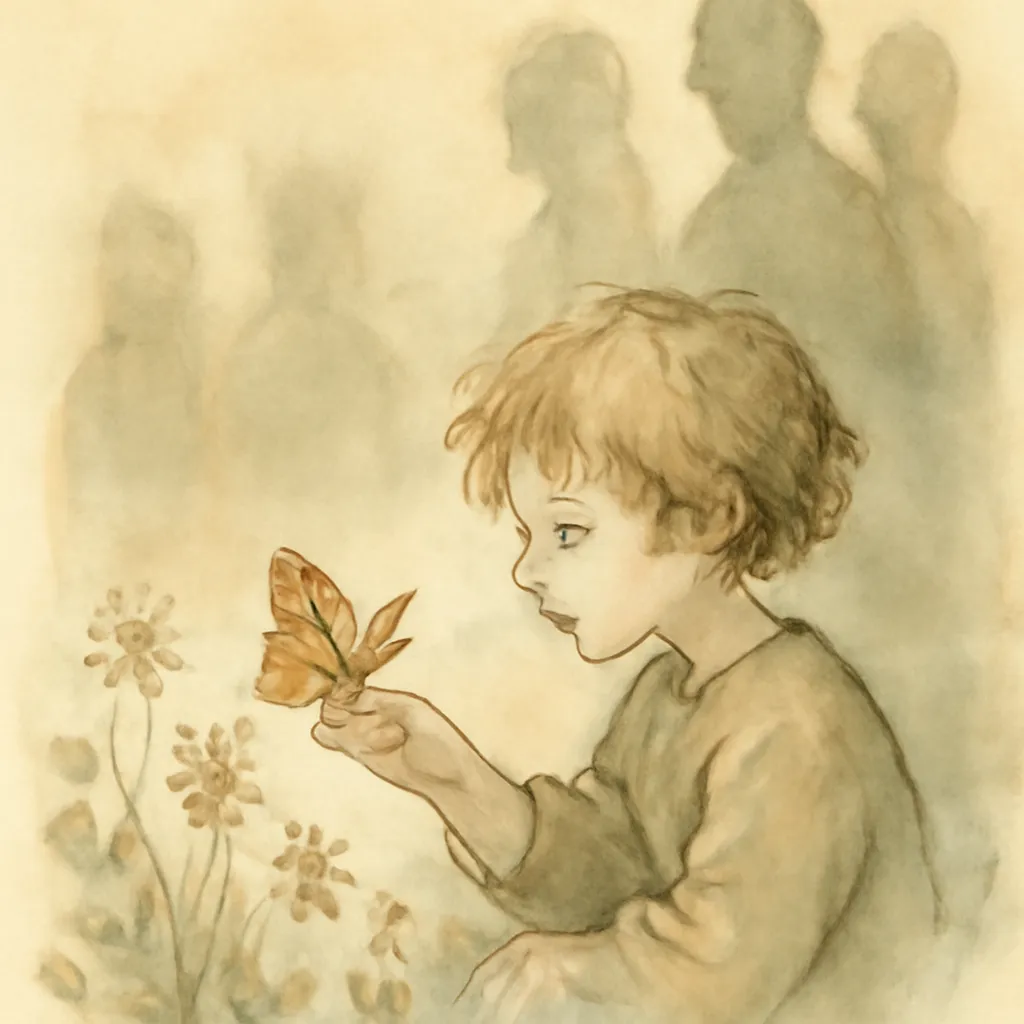
The narrative beautifully captures the innocence of childhood, portraying it as both a blessing and a curse. The children at Wilton Chase revel in the joy of exploration and adventure, yet they are also burdened by societal expectations and the weight of growing up. Marjorie's character embodies this duality, as she balances her playful spirit with a sense of responsibility toward her siblings. This tension reveals how childhood innocence can be compromised by the complexities of adult expectations, leading to moments of profound realization and growth. As the children navigate their relationships and confront their fears, the narrative invites readers to reflect on their own childhood experiences and the bittersweet nature of growing up. For instance, Marjorie's model prayer reflects her earnest desire to embody virtues, showcasing her innocence and the expectations that accompany it. Moreover, Ermengarde's internal conflict regarding her desires and societal pressures exemplifies the struggles that often accompany the transition from childhood to adolescence. The story illustrates that while innocence allows for wonder and joy, it can also lead to disillusionment when faced with harsh realities.
4.Friendship and Loyalty: The Bonds That Define Us

Friendship plays a crucial role in the children's lives, serving as a source of comfort and conflict. The bonds they form are often tested through misunderstandings and societal pressures, particularly in the case of Ermengarde and her relationship with Susy. The narrative explores how loyalty can be both a strength and a weakness, emphasizing the emotional weight of these connections. Ermengarde grapples with feelings of guilt and betrayal as she navigates her friendship with Susy, who longs for her attention. This theme resonates with readers, as it highlights the complexities of loyalty and the impact it can have on one's sense of belonging. The story ultimately suggests that true friendship requires understanding, compassion, and the willingness to confront difficult truths, reminding us of the importance of nurturing these bonds amid adversity. The tension between loyalty to friends and loyalty to family is illustrated in Ermengarde's actions, as she grapples with the consequences of her relationships and the sacrifices they demand. This nuanced portrayal of friendship encourages readers to reconsider the depth and significance of their own connections with others.
5.The Impact of Social Class: A Barrier to True Connection
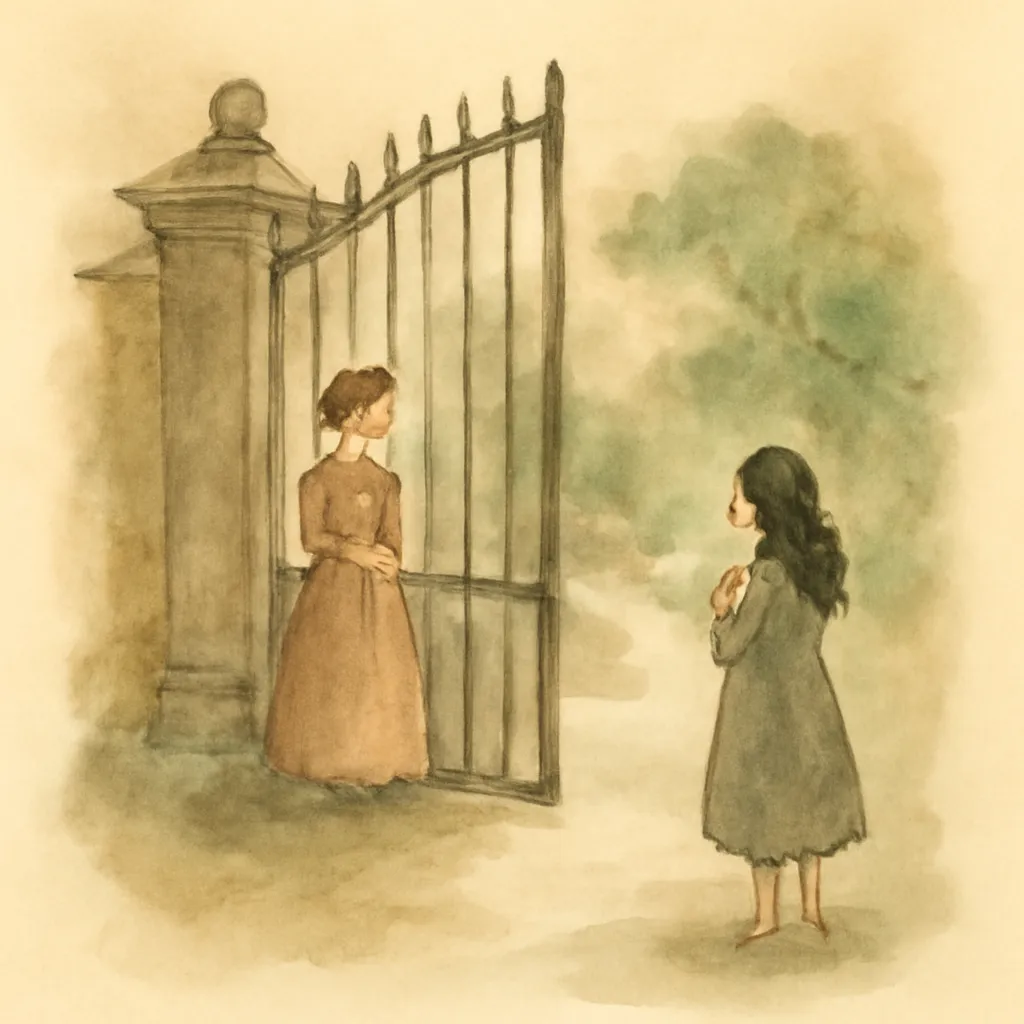
Social class dynamics subtly permeate the narrative, affecting the children's relationships and interactions. The contrast between Ermengarde's privileged upbringing and Susy's humble background underscores the barriers that social class can create in forming genuine connections. Despite their shared childhood experiences, the children often navigate a world defined by societal expectations, complicating their friendships. This theme invites readers to consider the role of social class in shaping identities and relationships, prompting reflections on their own experiences with privilege and inequality. The story emphasizes that true connection transcends social barriers, advocating for empathy and understanding as essential components of meaningful relationships. As the characters grapple with their own identities within the confines of social class, readers are encouraged to reflect on their values and the nature of their relationships with others. The narrative reveals that while social class can create barriers, it is ultimately the emotional bonds and shared experiences that define genuine friendships, challenging readers to confront their own biases and consider the importance of compassion in their interactions.
6.The Burden of Expectations: Navigating Parental Influence
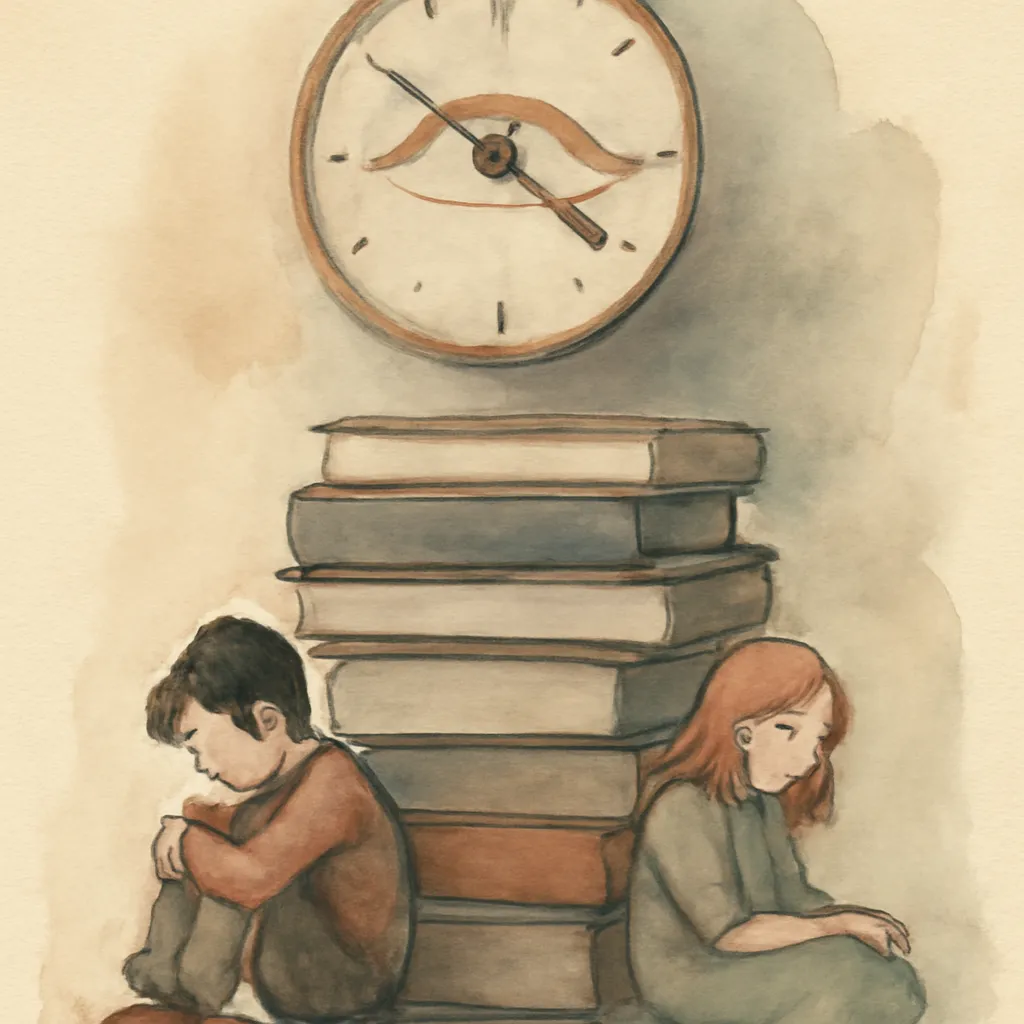
The children's lives are profoundly influenced by the expectations set by their parents and guardians, particularly Mr. Wilton and Miss Nelson. This influence manifests in various ways, from the pressure to conform to societal norms to the desire for academic success. Ermengarde's struggle to meet these expectations leads to feelings of inadequacy and rebellion, ultimately shaping her character arc throughout the story. The narrative serves as a poignant reminder of the impact parental expectations can have on children's self-esteem and identity formation. As the children navigate their relationships with authority figures, readers are encouraged to reflect on the delicate balance between guidance and autonomy. The story ultimately advocates for understanding and compassion in parental relationships, emphasizing the importance of allowing children to explore their identities without the weight of unrealistic expectations. The conflicting desires of the children to please their parents while also asserting their independence reflect a universal struggle, prompting readers to consider how such dynamics have played out in their own lives.
7.The Power of Forgiveness: Healing Through Understanding

Forgiveness emerges as a central theme in the narrative, illustrating its power to heal relationships and foster understanding. The children's experiences with conflict and betrayal highlight the importance of empathy and compassion in overcoming misunderstandings. Ermengarde's journey toward forgiveness, particularly in relation to Basil and Susy, showcases the transformative nature of this act. The narrative emphasizes that forgiveness is not merely about absolving others of wrongdoing but also about freeing oneself from the burdens of resentment and guilt. This theme resonates deeply with readers, encouraging reflections on their own experiences with forgiveness and the healing it can bring to strained relationships. By showcasing the characters' struggles and triumphs in forgiveness, the story advocates for empathy as a pathway to reconciliation. The moments of confrontation and the eventual resolution between characters demonstrate that while forgiveness can be challenging, it is ultimately a vital aspect of maintaining meaningful connections.
8.The Journey of Self-Discovery: Finding One's True Identity

As the children navigate their relationships and confront societal expectations, they embark on a profound journey of self-discovery. This journey is particularly evident in Ermengarde's character arc, as she grapples with her identity amidst the pressures of conformity. Her experiences force her to confront her desires, fears, and the expectations placed upon her, ultimately leading to personal growth and self-acceptance. The narrative encourages readers to reflect on their own journeys of self-discovery, highlighting the importance of embracing one's individuality in a world that often demands conformity. This theme resonates with anyone who has ever felt the struggle to balance personal desires with societal expectations, emphasizing that the journey of self-discovery is an essential part of growing up. Ermengarde’s evolution from a rebellious, conflicted child to a more self-assured individual illustrates the complexities of developing a sense of self amidst external pressures, making her journey relatable and inspiring.
9.The Role of Imagination: A Refuge from Reality

Imagination serves as a vital refuge for the children, allowing them to escape the constraints of their reality and explore their dreams. Throughout the narrative, moments of whimsy and creativity provide the characters with solace and joy, highlighting the importance of imagination in childhood. Marjorie's playful nature and Ermengarde's vivid fantasies serve as reminders of the power of creative expression in navigating life's challenges. The narrative suggests that imagination is not merely a form of escapism but an essential tool for processing emotions and experiences. As the children engage in imaginative play, readers are invited to reflect on the role of creativity in their own lives and the ways it can enrich their experiences. This theme underscores the necessity of allowing children to embrace their imaginations as a means of coping with the complexities of growing up. The various adventures the children embark on highlight how creativity can foster a sense of agency and joy, reinforcing the idea that imagination is fundamental to a fulfilling childhood.