1.The Ethics of Genetic Engineering
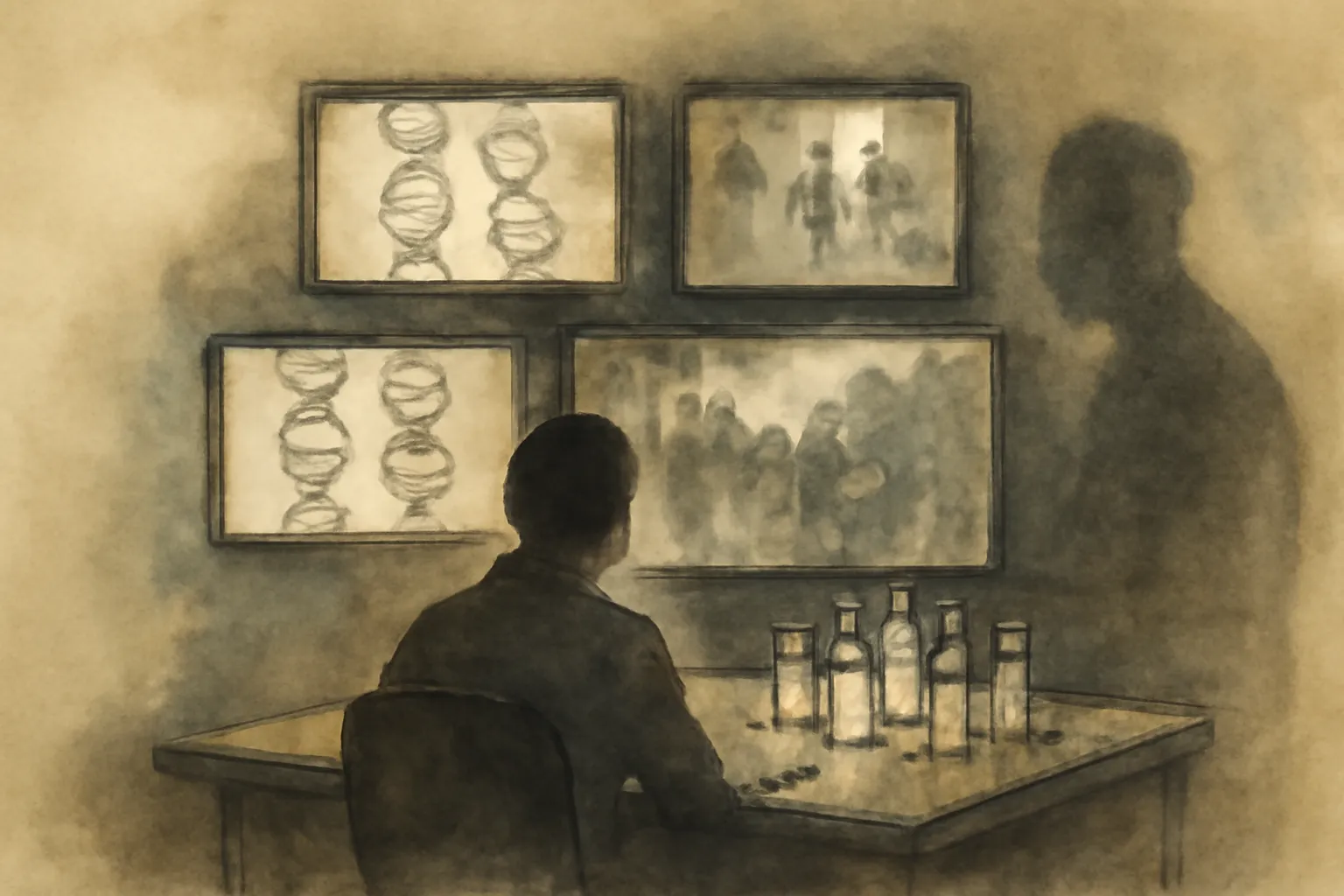
At the heart of The Chimera Vector is a provocative exploration of genetic manipulation. The protagonists, Damien and Jay, are products of covert experimentation, engineered to be perfect operatives. The novel probes the moral consequences of using science to create 'better' humans: what is lost in the process, and who has the right to decide? The story raises questions about autonomy, consent, and the potential dehumanization inherent in treating people as tools for national security.
2.Memory, Identity, and Control
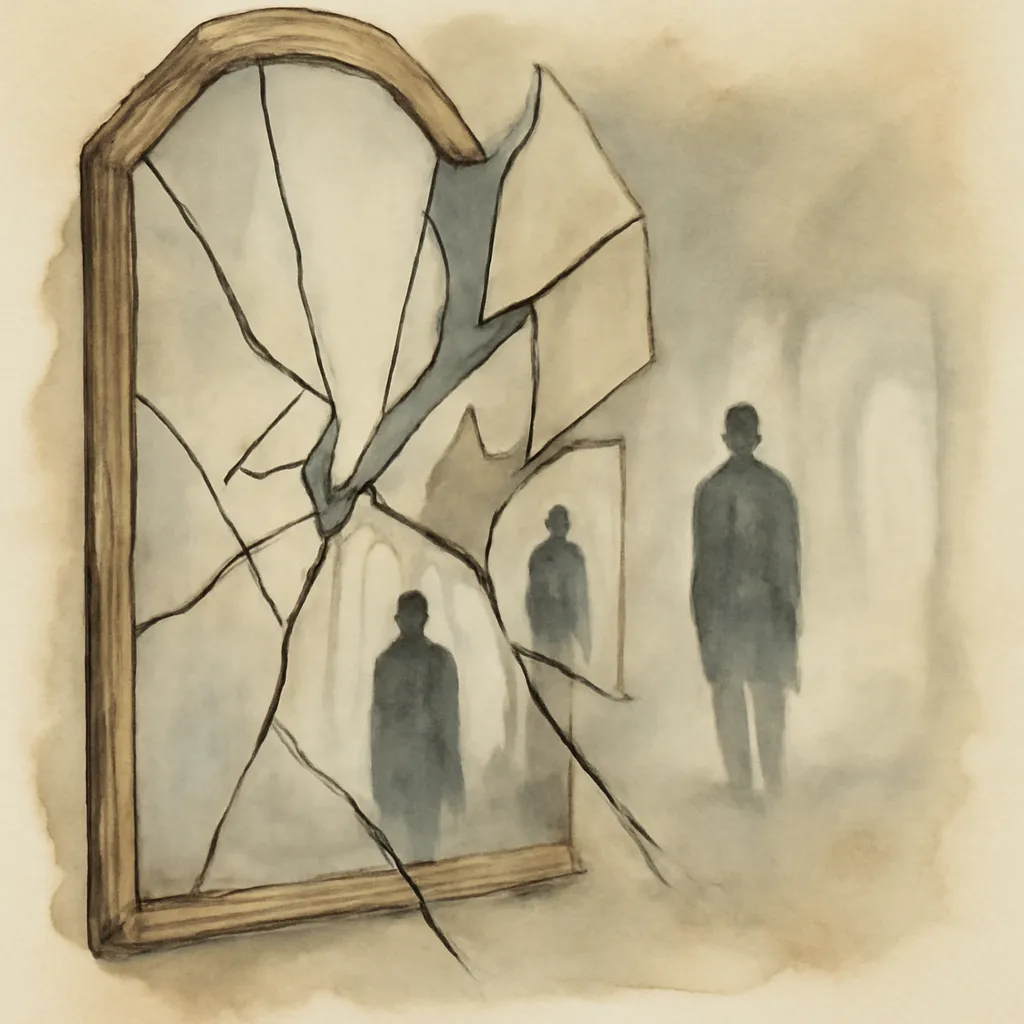
The book delves deeply into the fragility of memory and the construction of identity. As Damien and Jay experience memory gaps and alternate recollections, the narrative blurs the line between reality and manipulation. This theme is central to the tension: if your memories can be altered, how do you know who you truly are? The story uses this uncertainty to keep both characters and readers off-balance, highlighting the psychological costs of espionage and mind control.
3.Conspiracy and Institutional Corruption
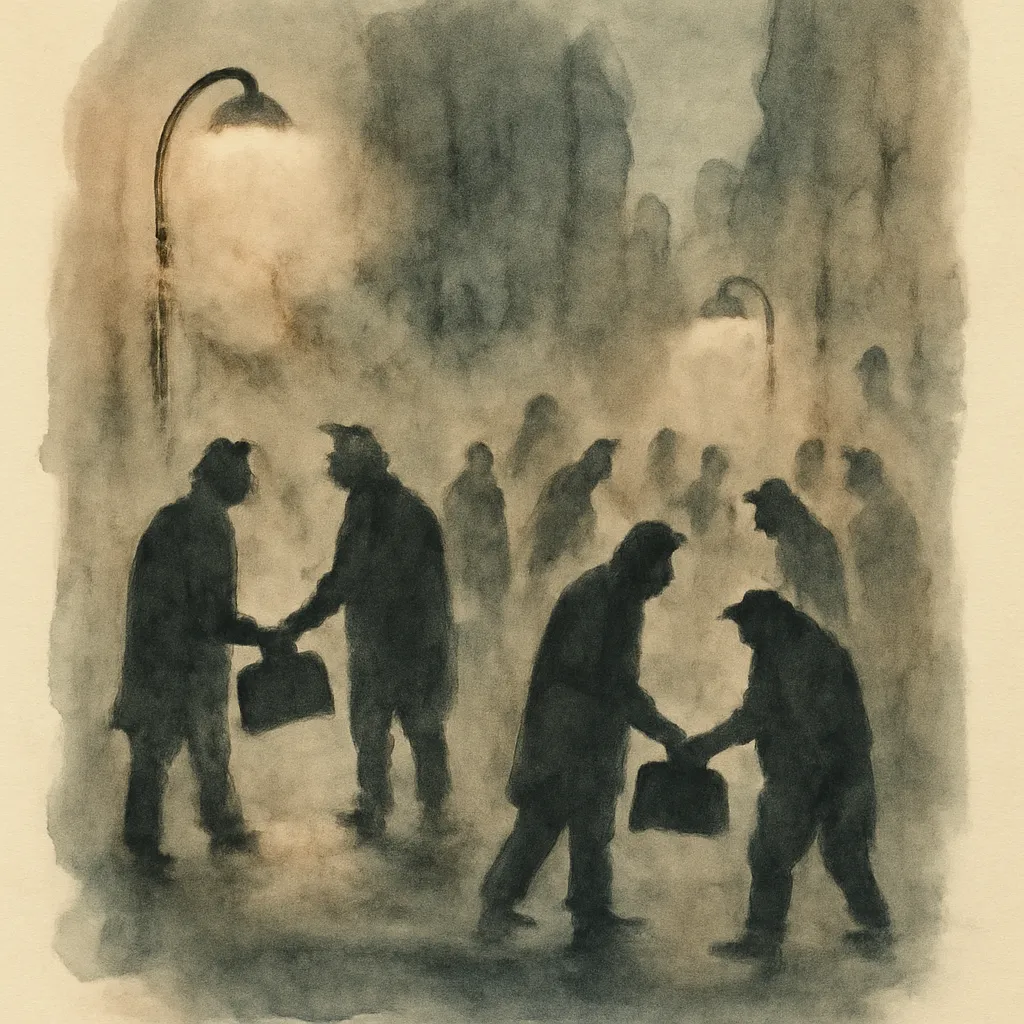
The Chimera Vector is steeped in paranoia, with shadowy agencies and rogue operatives operating outside moral or legal boundaries. The protagonists’ mission reveals layers of conspiracy, implicating the very institutions meant to protect society. This theme resonates with contemporary anxieties about surveillance, government overreach, and the erosion of individual rights in the name of security.
4.Action-Driven Storytelling
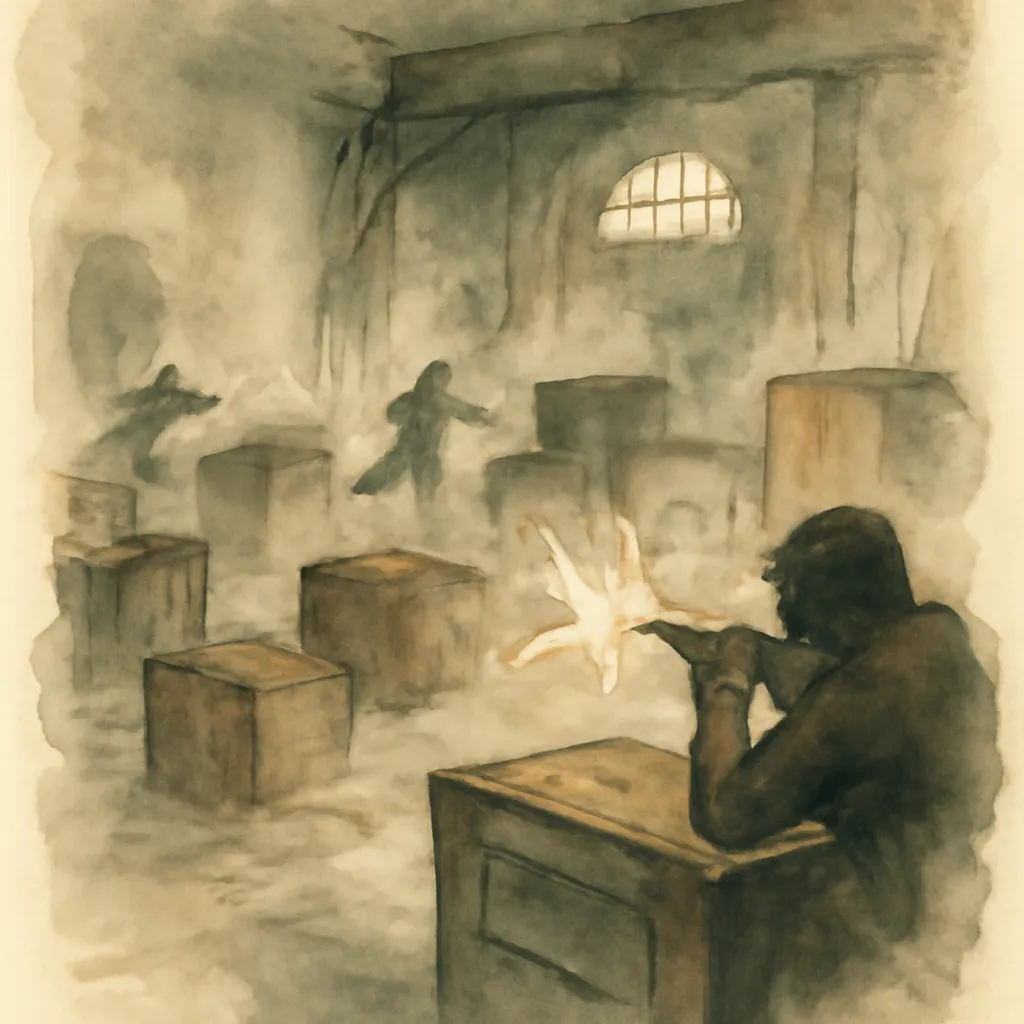
Farrugia’s narrative style is relentless and cinematic, prioritizing fast-paced action and tactical detail. The book’s set pieces—gunfights, chases, and close-quarters combat—are not just spectacle but serve to heighten the stakes and underscore the characters’ desperation. This approach keeps the reader engaged while reinforcing the protagonists’ sense of being hunted and manipulated.
5.Trust and Betrayal
Trust is a scarce commodity in The Chimera Vector. The protagonists must constantly question the motives of their allies and even their own perceptions. The theme of betrayal, both personal and institutional, drives the plot forward and adds emotional depth, as characters grapple with the realization that their loyalties may have been engineered as well.
6.The Nature of Free Will
Underlying the action is a philosophical inquiry into free will. If your thoughts, memories, and even your mission are the products of someone else’s design, can you ever truly act freely? The novel invites readers to consider the boundaries between programming and choice, and whether true autonomy is possible in a world shaped by manipulation.