1.History as Narrative and Judgment
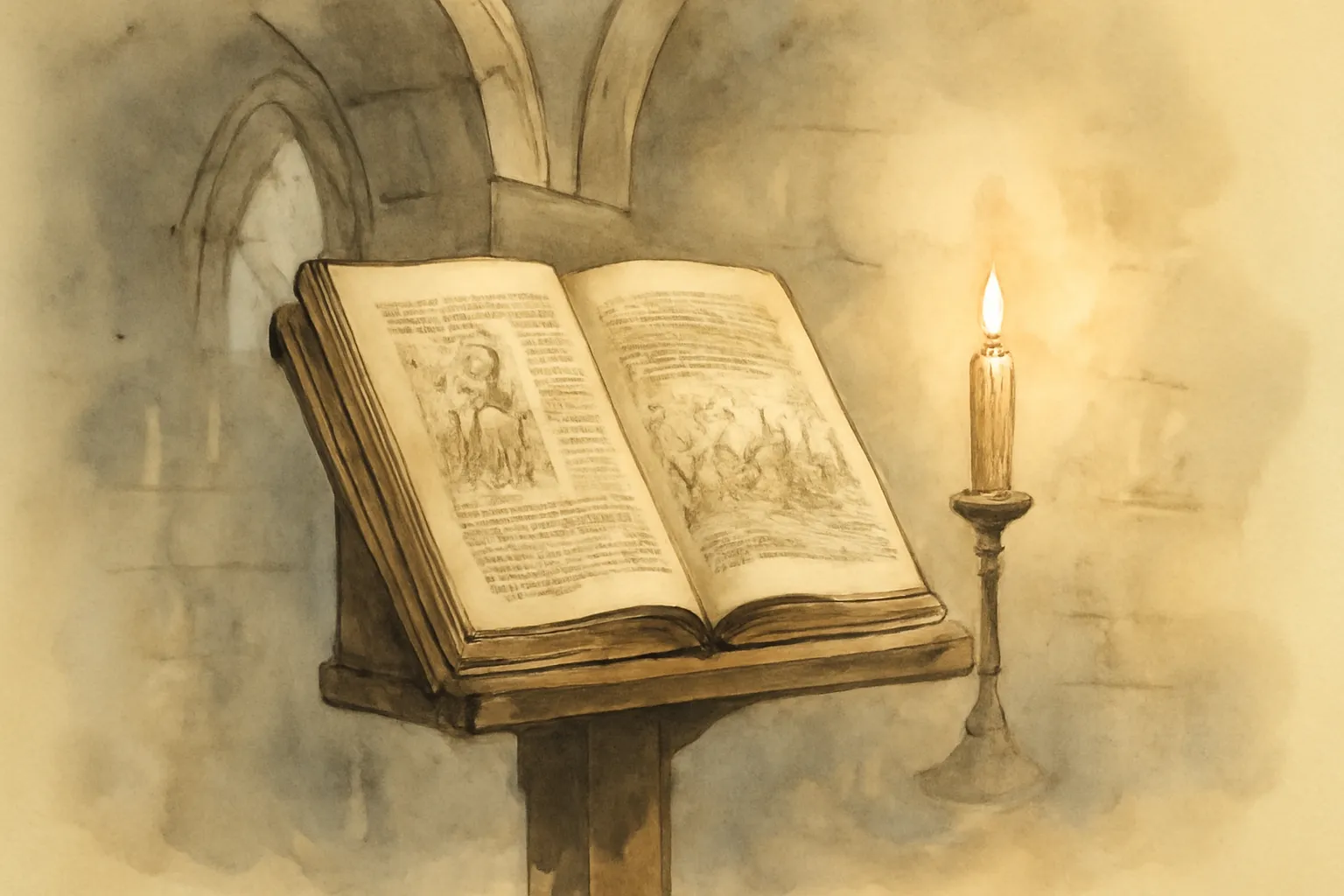
Matthew Paris does not simply record events; he interprets and judges them, infusing his chronicle with strong opinions about kings, popes, and society. His work reveals how medieval chroniclers shaped the historical record, blending fact, rumor, and personal bias. Readers gain insight into the power of narrative in shaping collective memory and the enduring tension between objectivity and advocacy in historical writing.
2.Political Turmoil and Royal Authority
The chronicle is a front-row seat to the tumultuous reign of Henry III, marked by baronial unrest, foreign influence, and shifting alliances. Paris is critical of royal mismanagement, foreign advisors, and papal interference, providing a window into the anxieties and grievances of the English elite. This theme highlights the fragility of medieval kingship and the roots of later constitutional developments.
3.The Church’s Power and Corruption
Paris, himself a Benedictine monk, offers an insider’s critique of the medieval Church. He laments papal greed, the selling of church offices, and the exploitation of English resources by Rome. Yet he also reveres genuine piety and monastic life, reflecting the complex relationship between faith, institution, and reform in the 13th century.
4.Everyday Life and Social Detail
Beyond politics and religion, Paris’s chronicle is rich in descriptions of festivals, disasters, miracles, and daily customs. His attention to weather, omens, and local happenings gives modern readers a textured sense of medieval life, from the mundane to the marvelous. This makes the chronicle invaluable for historians and anyone interested in the lived experience of the Middle Ages.
5.The Role of England in Europe
Paris situates England within a broader European context, chronicling crusades, diplomatic missions, and the movement of people and ideas. His perspective reveals both English insularity and the interconnectedness of medieval Christendom, illuminating the early roots of national identity and international politics.
6.The Chronicler’s Voice and Personality
Matthew Paris’s distinctive, sometimes acerbic voice is a hallmark of his chronicle. He is witty, moralizing, and unafraid to criticize the powerful, making his work as much a reflection of his personality as of his times. This personal stamp invites readers to consider the subjectivity of all historical sources.