1.History Blended with Legend
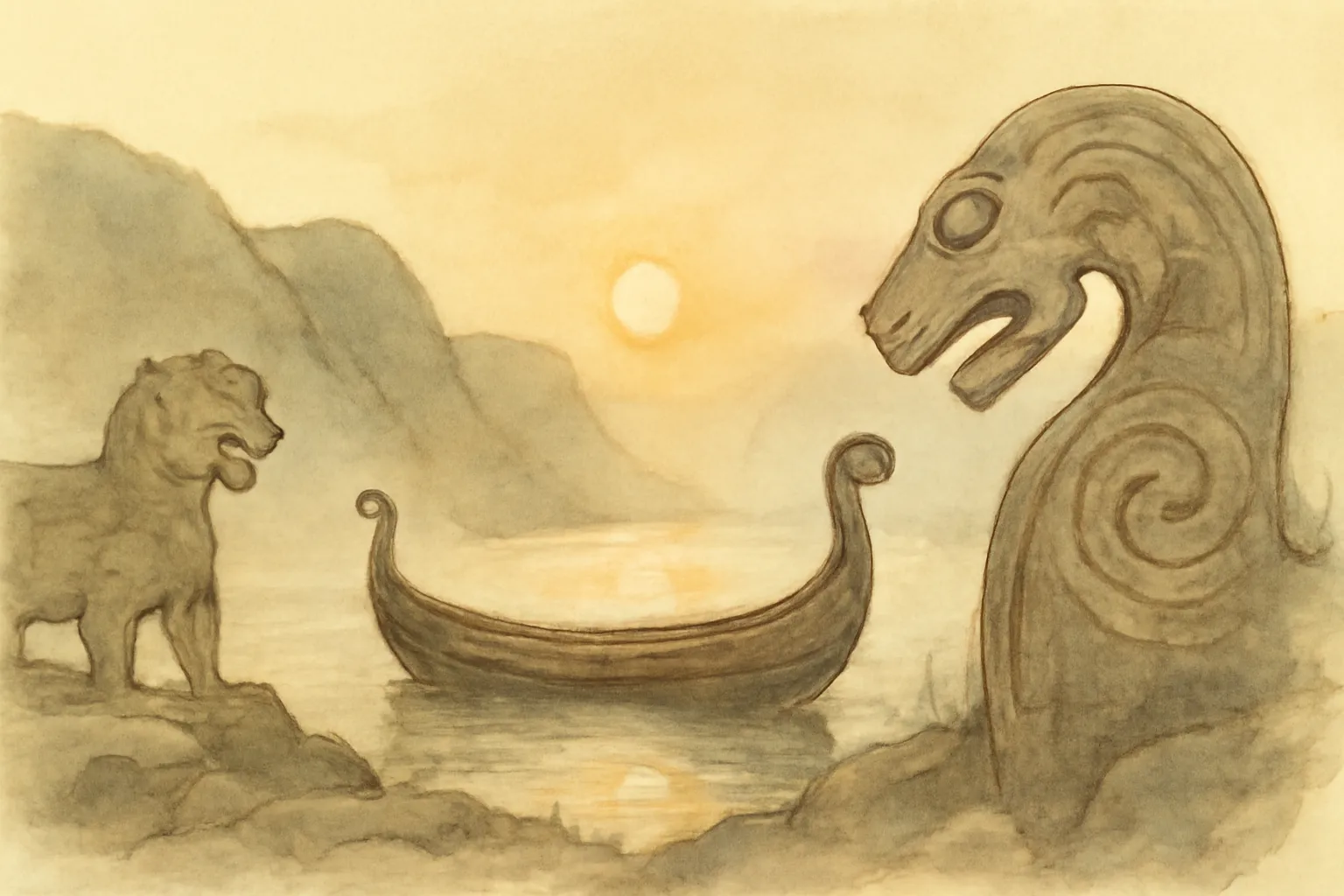
Snorri Sturluson’s chronicle is not a modern, objective history—it’s a vibrant mix of fact, oral tradition, and myth. The stories of kings are often interwoven with supernatural events, heroic deeds, and poetic flourishes. This blend reflects how medieval Norwegians understood their past, valuing both the literal and the legendary. For modern readers, it’s a reminder that history is often shaped by the stories people choose to tell, and that myth can be as influential as fact in shaping a nation’s self-image.
2.Kingship and Legitimacy
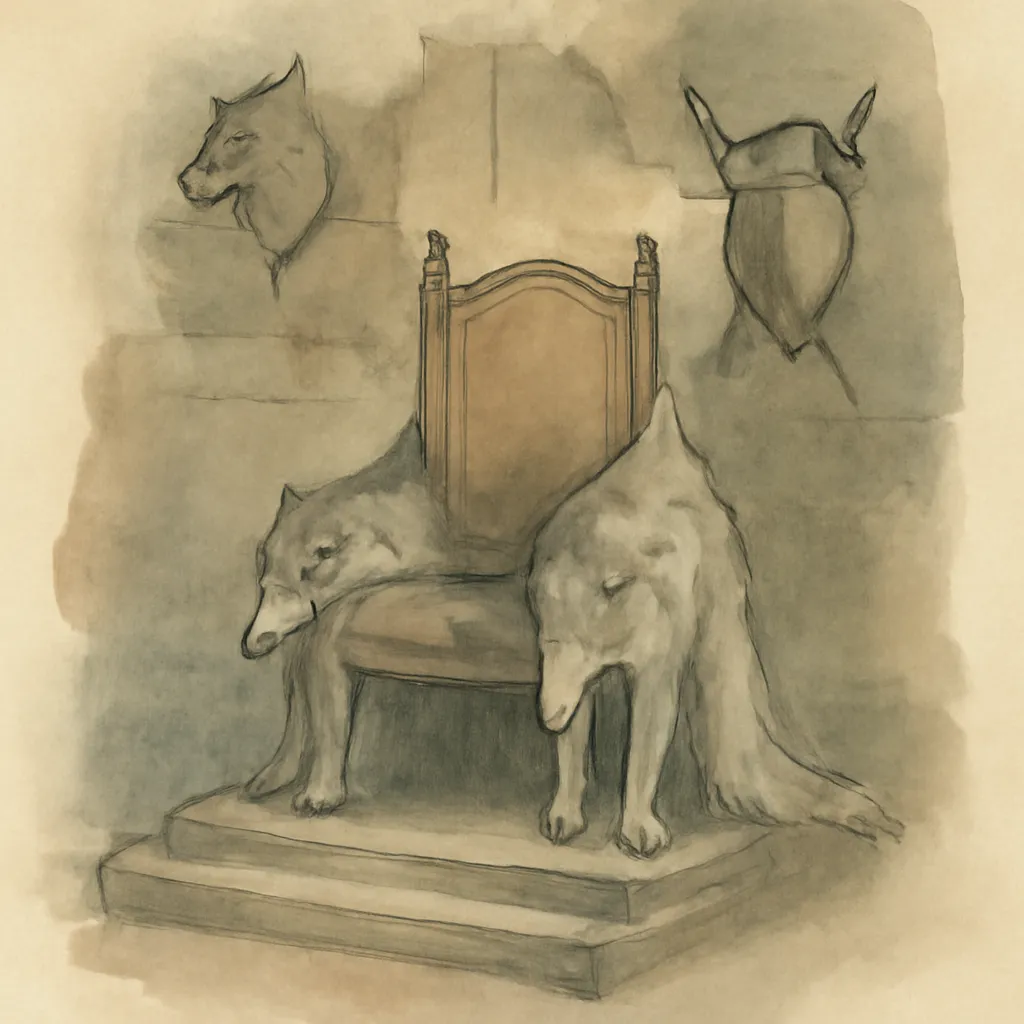
A central theme is the nature of kingship: what makes a ruler legitimate, and how is power transferred or contested? The chronicle explores succession disputes, the role of lineage, and the importance of charisma and military prowess. Snorri often highlights the tension between inherited right and earned authority, showing how rulers must balance tradition with personal achievement to secure their place in history.
3.The Role of Fate and the Gods
Throughout the text, fate and the will of the gods play a critical role in human affairs. Kings succeed or fail not only through their actions, but also through forces beyond their control. This worldview reflects the Norse belief in destiny and the influence of supernatural powers, adding a layer of fatalism and awe to the historical narrative. It also serves to legitimize rulers by suggesting their reigns are divinely sanctioned.
4.Violence, Honor, and Law
The chronicle is replete with tales of battles, feuds, and acts of vengeance, but it also emphasizes the importance of law and order. Honor is a driving force—kings and warriors are judged by their courage and loyalty, but also by their ability to maintain peace and justice. The tension between personal honor and communal stability is a recurring motif, illustrating the complex moral landscape of medieval Scandinavia.
5.Cultural Memory and Identity
By recording the deeds of Norway’s early rulers, Snorri helps construct a shared cultural memory. The chronicle serves as both a historical document and a source of national identity, shaping how later generations understood their origins. The stories reinforce values such as bravery, cunning, and resilience, and they provide a sense of continuity in a world marked by upheaval and change.
6.The Art of Storytelling
Snorri’s narrative skill is as important as his historical content. He weaves together speeches, poetry, and dramatic episodes to bring his subjects to life. The chronicle is not just a list of events, but a literary achievement that has influenced centuries of Scandinavian literature. Readers interested in epic storytelling will find much to admire in Snorri’s craft.