1.The Illusion of Heroism
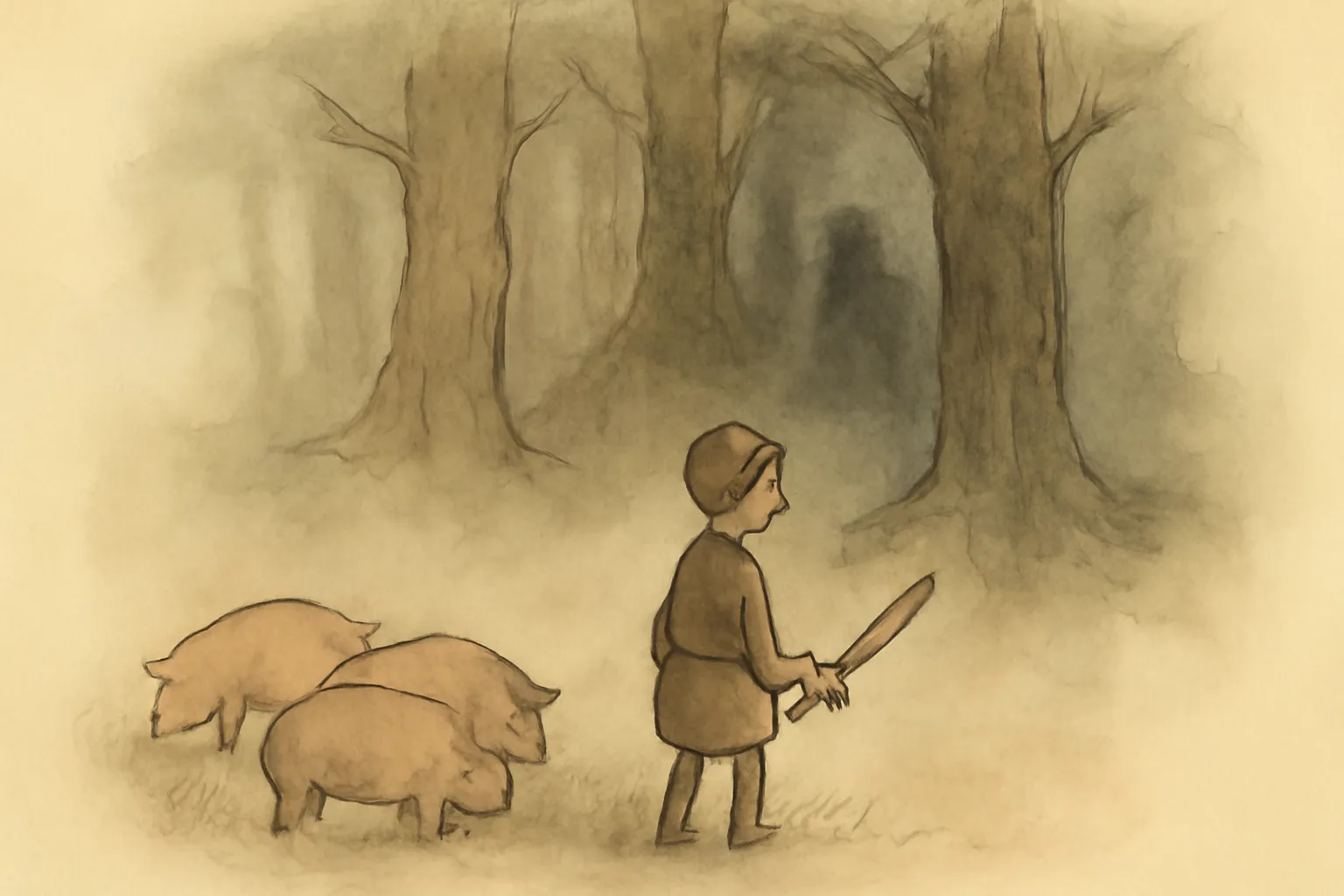
Taran’s yearning for adventure and glory is quickly tested as he leaves the safety of Caer Dallben. The book explores how the fantasy of heroism, shaped by stories and youthful imagination, often fails to match the messy, frightening reality. Taran’s encounters with danger, failure, and responsibility force him to reconsider what it means to be a hero. Rather than grand gestures, true heroism emerges in acts of kindness, loyalty, and self-sacrifice—often in the face of fear or uncertainty.
2.Coming of Age Through Adversity
At its core, The Book of Three is a coming-of-age tale. Taran’s journey is as much inward as outward: he begins as a restless boy dissatisfied with his lot, but each trial—whether facing the Horn King or caring for his friends—teaches him humility, perseverance, and empathy. The narrative suggests that maturity is not gained through titles or battles, but through the willingness to learn from mistakes and care for others.
3.The Power of Companionship
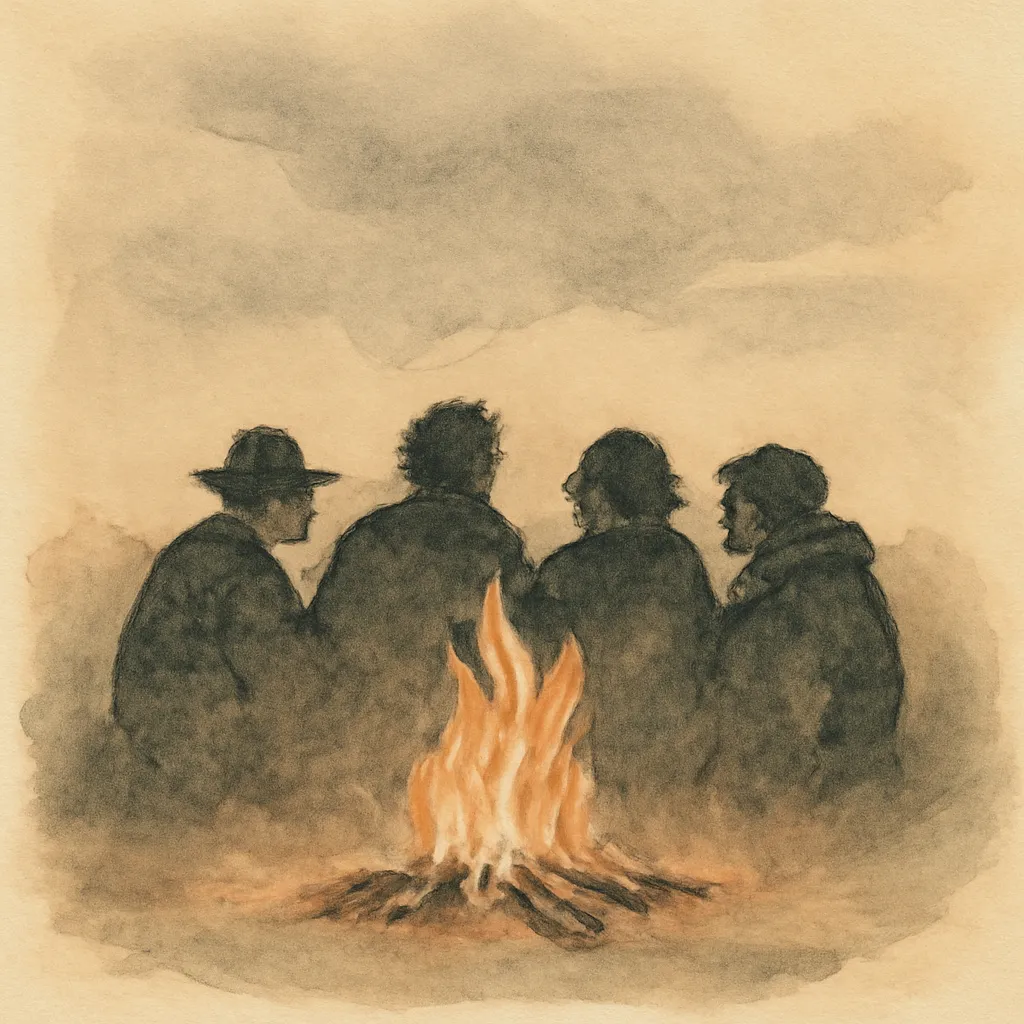
Taran’s quest quickly becomes a group effort, introducing a memorable cast: the feisty Princess Eilonwy, the loyal but comical Fflewddur Fflam, and the endearing creature Gurgi. Their strengths and flaws complement each other, and their friendship is essential to overcoming the challenges they face. The story highlights that no one achieves greatness alone; collaboration, trust, and forgiveness are vital to success and survival.
4.The Temptation and Corruption of Power
The antagonists—especially Arawn and the Horn King—embody the dangers of unchecked ambition and the corrupting influence of power. Through these villains, the book warns against the pursuit of dominance for its own sake, contrasting their destructive paths with Taran’s gradual embrace of responsibility. The narrative reinforces that true leadership is rooted in service, not conquest.
5.Welsh Mythology Reimagined
Lloyd Alexander draws heavily on Welsh mythology, infusing Prydain with a sense of ancient magic and legend. While the setting is fantastical, the themes and characters feel universal. The blend of myth and original storytelling creates a world that is both familiar and fresh, inviting readers to explore complex ideas within an enchanting landscape.
6.Humor and Humanity Amid Darkness
Despite the looming threats, the book is laced with humor, warmth, and moments of lightness. Characters like Fflewddur and Gurgi provide comic relief, but their quirks also reveal deeper truths about insecurity, loyalty, and the need for acceptance. This balance of darkness and levity gives the story emotional depth and makes the characters relatable.