1.Cultural Collision and Adaptation
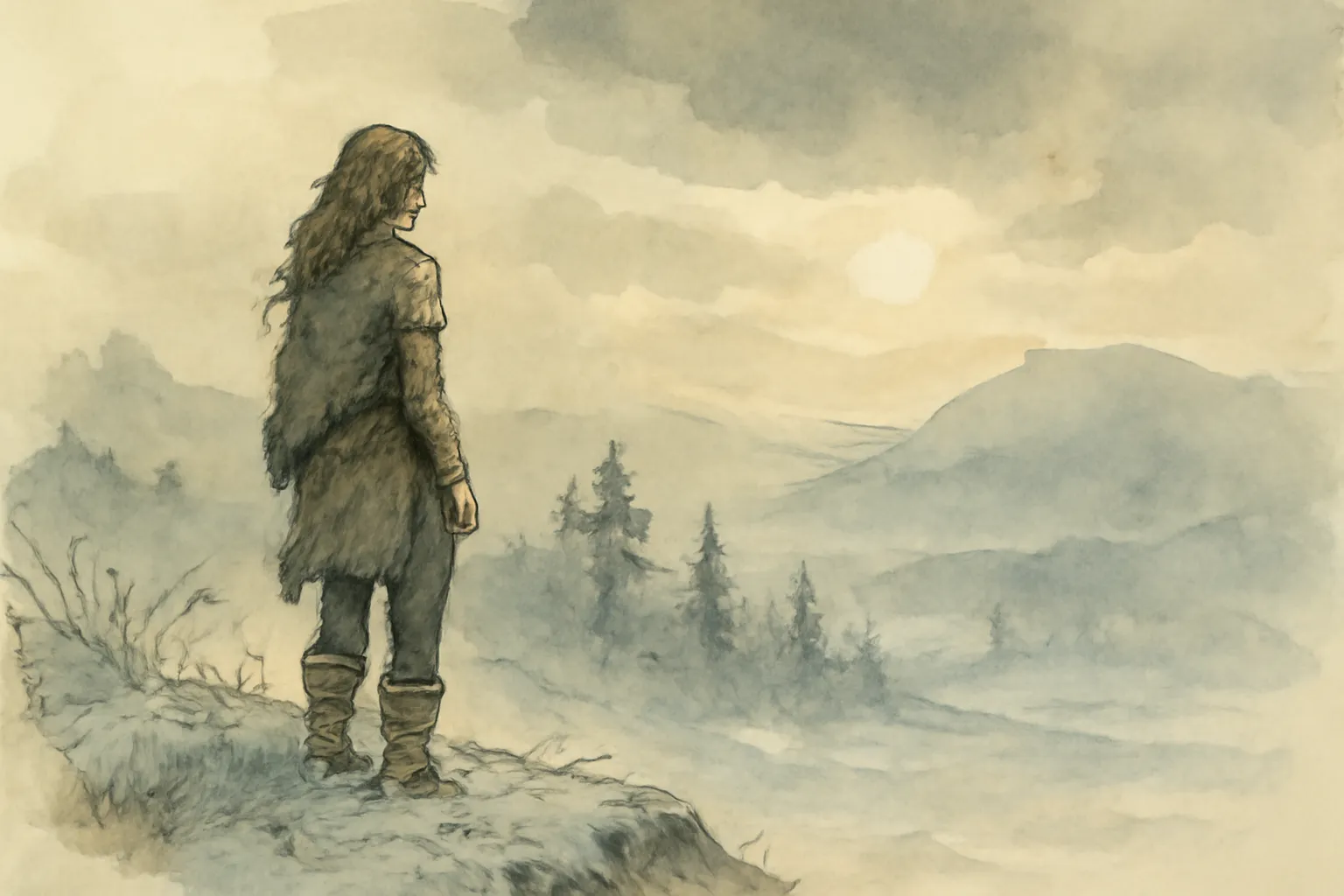
At its heart, the novel examines the profound differences and occasional overlaps between Neanderthal and Cro-Magnon cultures. Ayla, orphaned and adopted by the Clan, must navigate a society with customs, beliefs, and even ways of thinking that are foreign to her. This clash drives much of the story’s tension, highlighting both the challenges and possibilities of cross-cultural understanding. The narrative invites readers to consider how identity is shaped by both nature and nurture, and how adaptation can be a form of survival.
2.The Search for Belonging
Ayla’s journey is deeply emotional, centered on her struggle to belong in a world where she is always the outsider. Despite her efforts to conform, her differences—physical, intellectual, and emotional—set her apart. This theme resonates universally, as it reflects the human desire for acceptance and the pain of exclusion. The book explores how individuals can remain true to themselves while seeking community, and the costs and rewards of forging one’s own path.
3.Gender and Power Dynamics
The Clan’s rigid social structures, especially regarding gender roles, provide a lens through which Auel interrogates the origins of patriarchy and the limitations imposed on women. Ayla’s intelligence and independence challenge the expectations of her adoptive society, provoking both admiration and hostility. Her story becomes a subtle critique of systems that suppress potential based on gender, and a celebration of resilience in the face of systemic oppression.
4.Memory, Tradition, and Change
Auel’s Neanderthals possess a collective memory and a strong adherence to tradition, which contrasts with Ayla’s curiosity and innovation. The novel explores the tension between preserving the past and embracing change, suggesting that survival often depends on the ability to adapt. This theme is relevant not only to prehistoric peoples but to any society grappling with the balance between heritage and progress.
5.Nature, Survival, and Spirituality
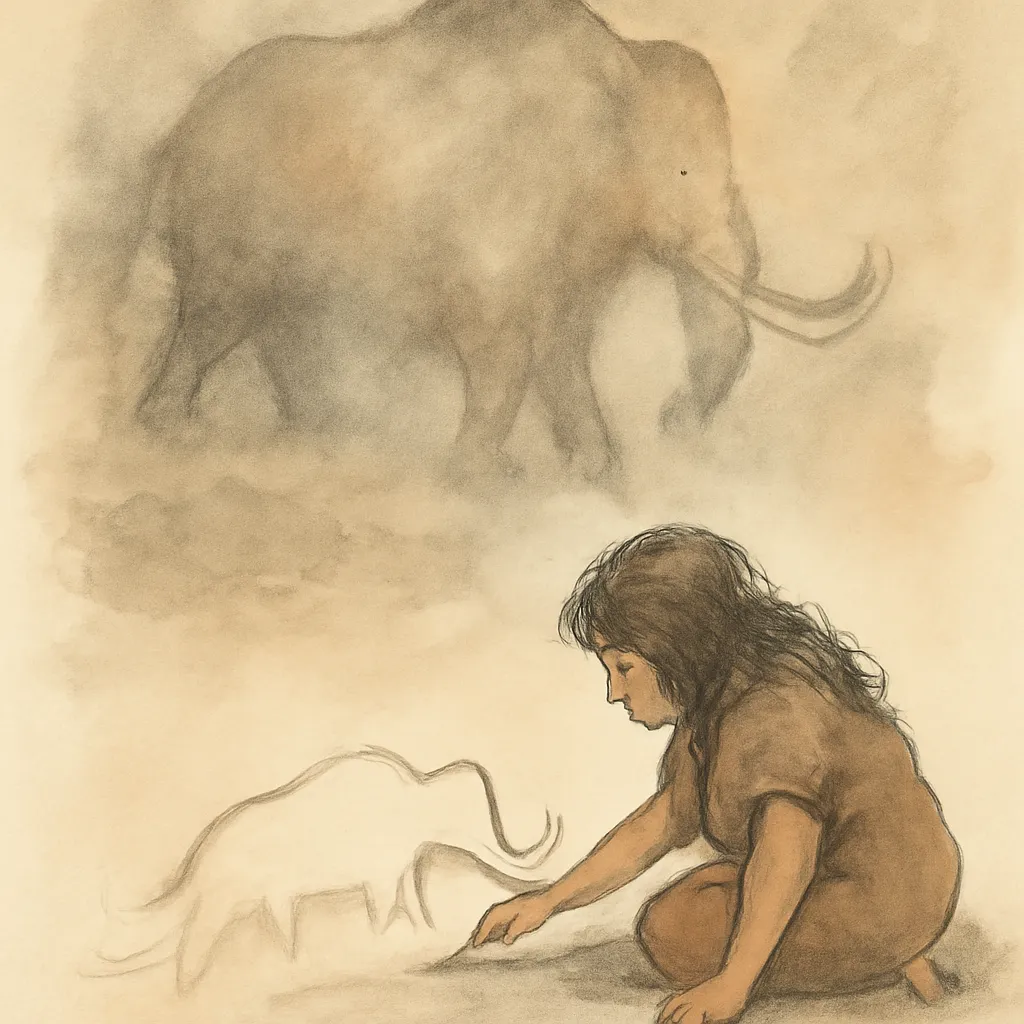
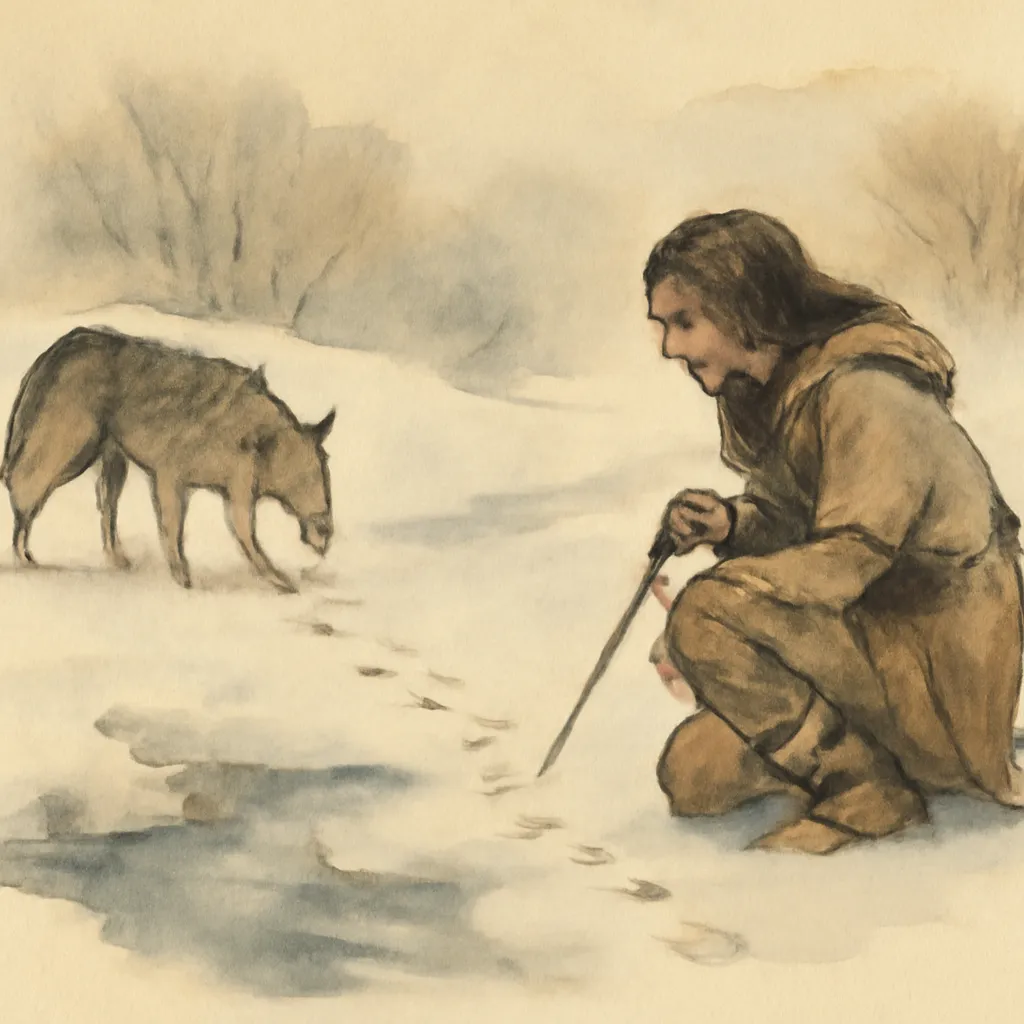
The natural world is both a backdrop and a character in the novel. Detailed descriptions of Ice Age flora, fauna, and survival techniques immerse readers in the daily realities of prehistoric life. Spiritual beliefs—particularly the Clan’s animism and rituals—shape how characters relate to their environment and each other, underscoring the interconnectedness of survival, belief, and community.
6.Communication and Empathy
Auel’s depiction of Neanderthal sign language and Ayla’s struggle to communicate highlight the importance of empathy and understanding across barriers. The story suggests that true connection is possible even when language and customs differ, and that empathy is a bridge between worlds.