1.The Human Story Behind Science
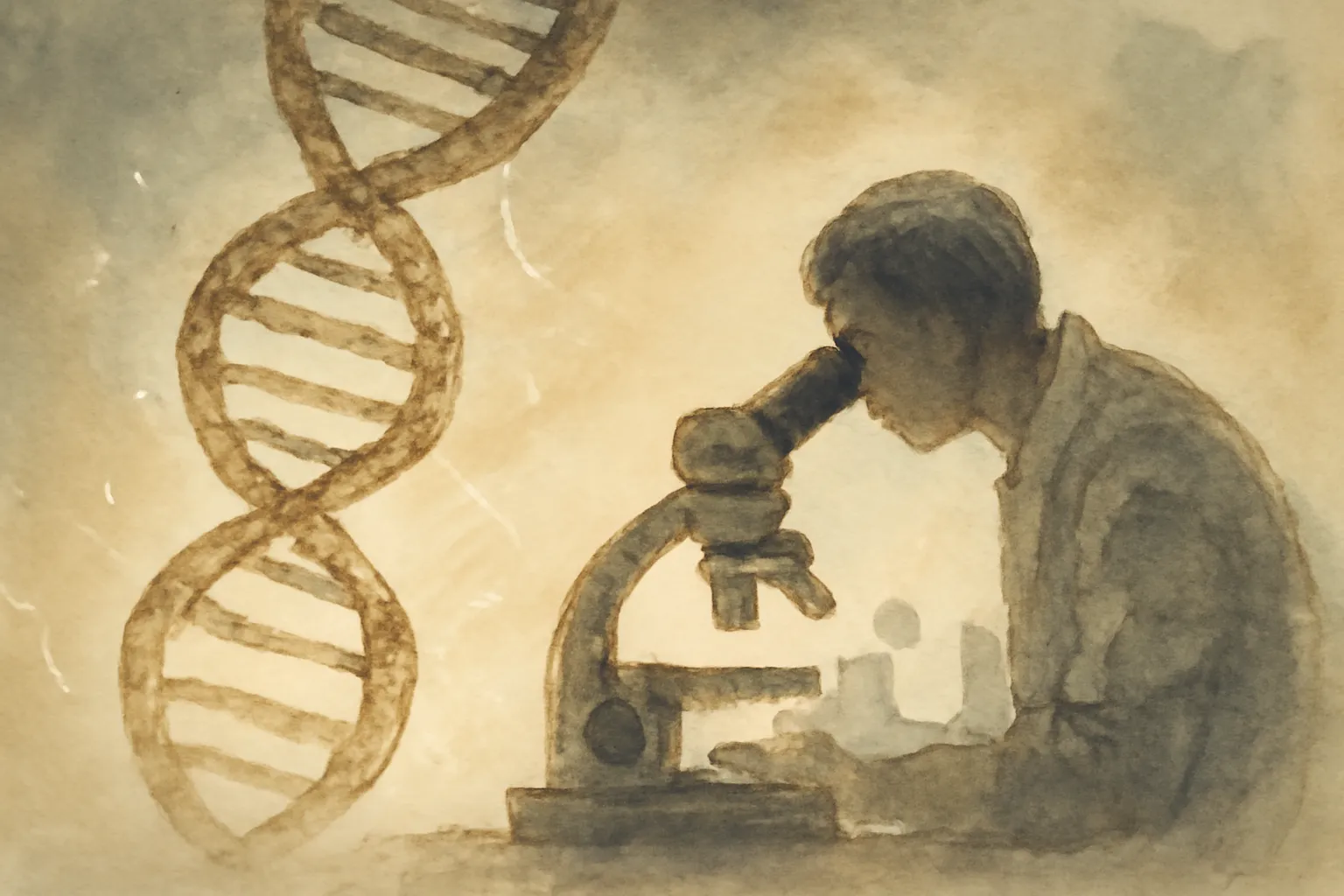
Isaacson brings a deeply human perspective to the scientific process by focusing on Jennifer Doudna’s journey from a curious child to a Nobel Prize-winning biochemist. The book emphasizes how scientific breakthroughs are not just the result of technical skill, but also of collaboration, competition, and personal drive. Doudna’s experiences highlight the importance of mentorship, resilience, and the willingness to tackle big questions, making the story accessible and inspiring even for readers without a scientific background.
2.CRISPR: The Gene-Editing Revolution
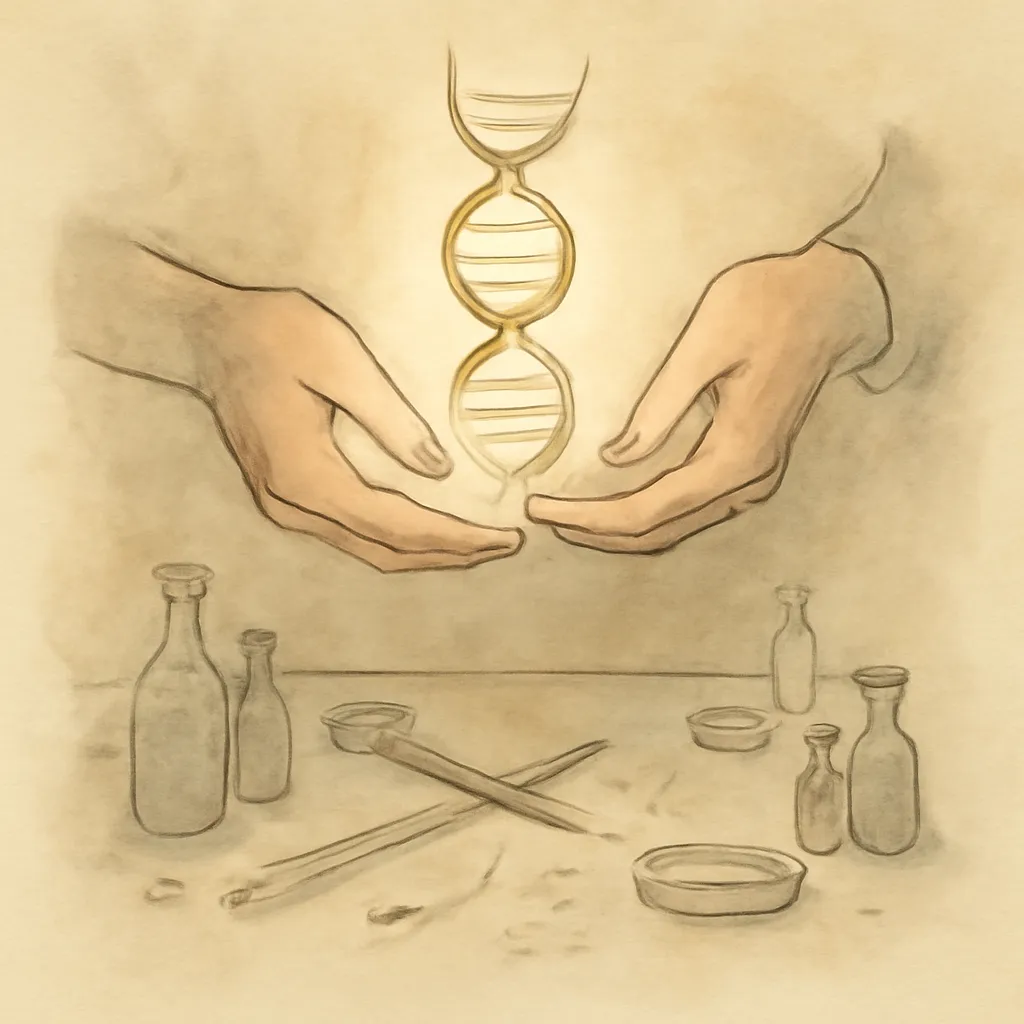
At the heart of the book is the discovery and development of CRISPR-Cas9, a tool that allows scientists to edit DNA with unprecedented precision. Isaacson explains the science in clear terms, showing how CRISPR moved from a curiosity in bacterial defense mechanisms to a transformative technology. The narrative details the collaborative and sometimes contentious race among labs, the patent battles, and the momentous realization that humanity now has the power to rewrite its own genetic code.
3.Ethical Frontiers and Societal Impact
The Code Breaker doesn’t shy away from the ethical quandaries raised by gene editing. Isaacson explores the debates around ‘designer babies,’ the potential to cure genetic diseases, and the risks of unintended consequences. The book presents voices from across the spectrum—scientists, ethicists, and activists—inviting readers to grapple with questions about what it means to be human and who gets to decide how this technology is used.
4.Science in the Age of Collaboration and Competition
Isaacson illustrates how modern science is shaped by both teamwork and rivalry. The race to harness CRISPR involved international collaboration, open sharing of data, and fierce competition for recognition and patents. The book shows how these dynamics can accelerate innovation but also create tension, raising questions about credit, openness, and the commercialization of discovery.
5.Pandemics and the Power of Biotechnology
The COVID-19 pandemic forms a dramatic backdrop to the latter part of the book, highlighting how CRISPR and related biotechnologies became vital tools in developing diagnostics and potential treatments. Isaacson connects the urgency of the pandemic response to the broader potential of gene editing, underscoring how scientific advances can rapidly shift from the lab to the front lines of global crises.
6.Women in Science and Breaking Barriers
Doudna’s story is also one of breaking through gender barriers in a male-dominated field. Isaacson details the challenges she faced and her role as a mentor to the next generation of women scientists. The book uses her journey to reflect on the broader need for diversity and inclusion in science, and how different perspectives fuel creativity and progress.