1.The Cold War as an Ideological and Strategic Struggle
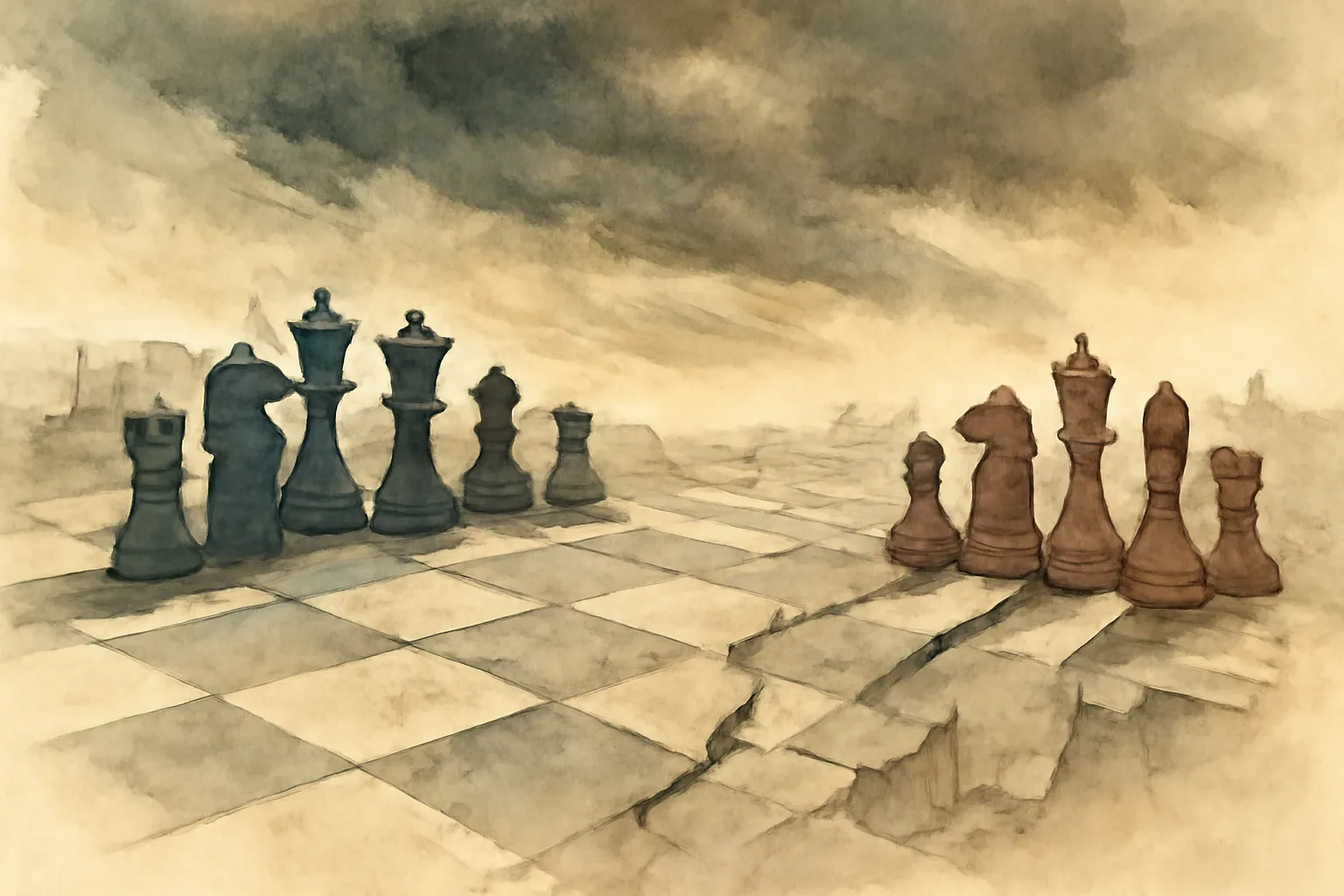
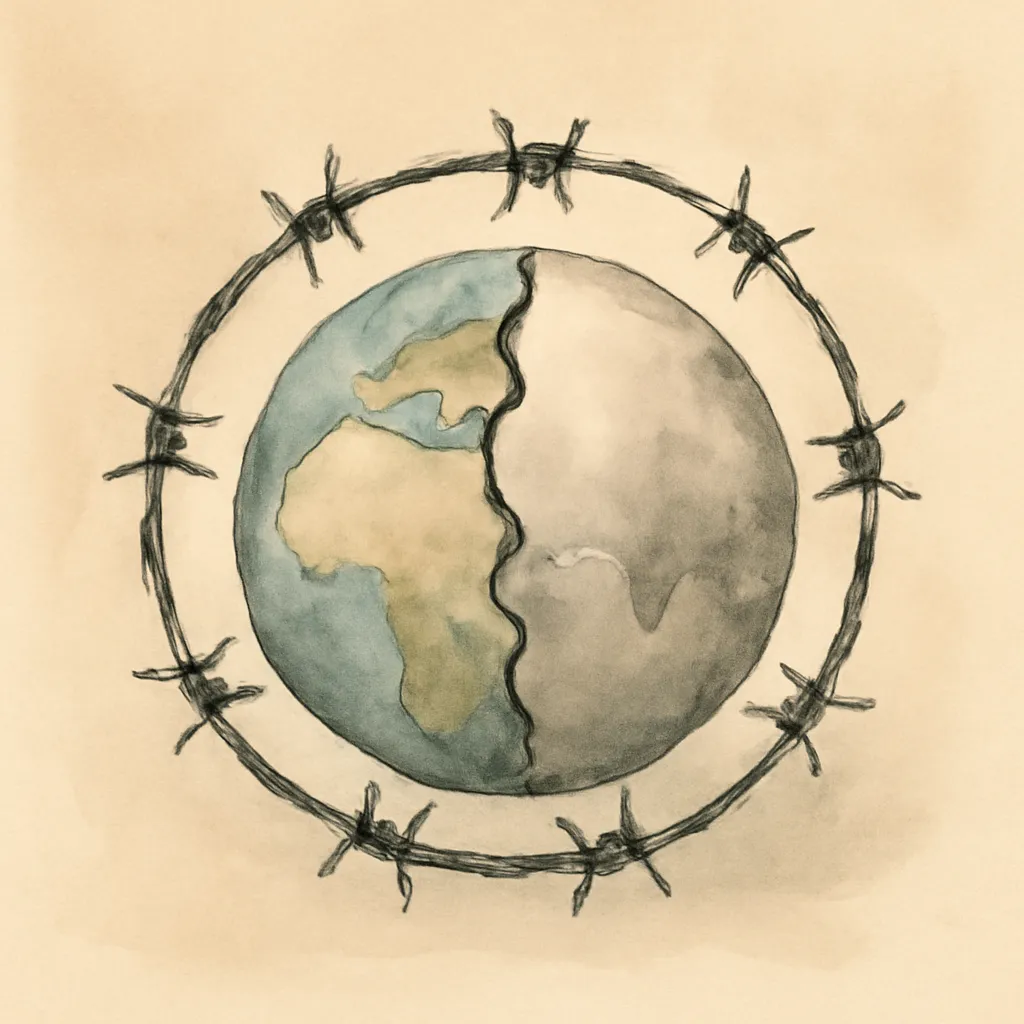
Gaddis frames the Cold War as more than a military standoff; it was a profound clash of visions about how societies should be organized. The United States and the Soviet Union, emerging from World War II as superpowers, found themselves locked in a contest between liberal democracy and authoritarian communism. This ideological rivalry drove both sides to seek global influence and justify their actions, often leading to proxy wars, espionage, and propaganda campaigns that shaped the lives of millions far beyond Washington and Moscow.
2.Personalities Matter: Leaders and Contingency
A key theme in Gaddis’s account is the outsized influence of individual leaders and their decisions. He argues that the Cold War’s course was not inevitable; it was shaped by the choices, miscalculations, and ambitions of figures like Stalin, Truman, Kennedy, Khrushchev, Reagan, and Gorbachev. The book highlights moments—such as the Cuban Missile Crisis—where personal judgment and temperament determined whether the world veered toward catastrophe or compromise.
3.Containment and the Limits of Power
Gaddis revisits the American strategy of containment, showing how it evolved from George Kennan’s original vision into a more militarized, sometimes rigid policy. He explores how both superpowers struggled with the limits of their influence, often overreaching or misreading local dynamics—as in Vietnam, Afghanistan, or Eastern Europe. The book underscores that neither side could fully control events, and that local actors often had agency in shaping outcomes.
4.The Role of Ideas and Institutions
Beyond tanks and missiles, Gaddis emphasizes the power of ideas and institutions in shaping the conflict. He shows how Western economic prosperity, cultural openness, and the appeal of democracy gradually undermined the legitimacy of communist regimes. Institutions like NATO, the United Nations, and the European Community provided frameworks for stability and cooperation, even as the superpowers competed.
5.The Surprising End: Why the Cold War Ended Peacefully
One of the book’s most compelling arguments is that the Cold War’s peaceful resolution was far from predetermined. Gaddis credits the convergence of several factors: the reformist vision of Gorbachev, the moral and diplomatic pressure from Western leaders, the economic stagnation of the Soviet bloc, and the growing popular resistance within Eastern Europe. He suggests that the end of the Cold War was a triumph of prudence, adaptability, and the human capacity to rethink entrenched positions.
6.Legacy and Lessons for Today
Gaddis closes by reflecting on the Cold War’s enduring legacy. He warns against nostalgia for the clarity of bipolar rivalry and urges readers to appreciate the unpredictability of history. The book encourages a nuanced understanding of international relations, reminding us that peace and stability require vigilance, creativity, and a willingness to learn from the past.