1.The Cold War as Global Phenomenon
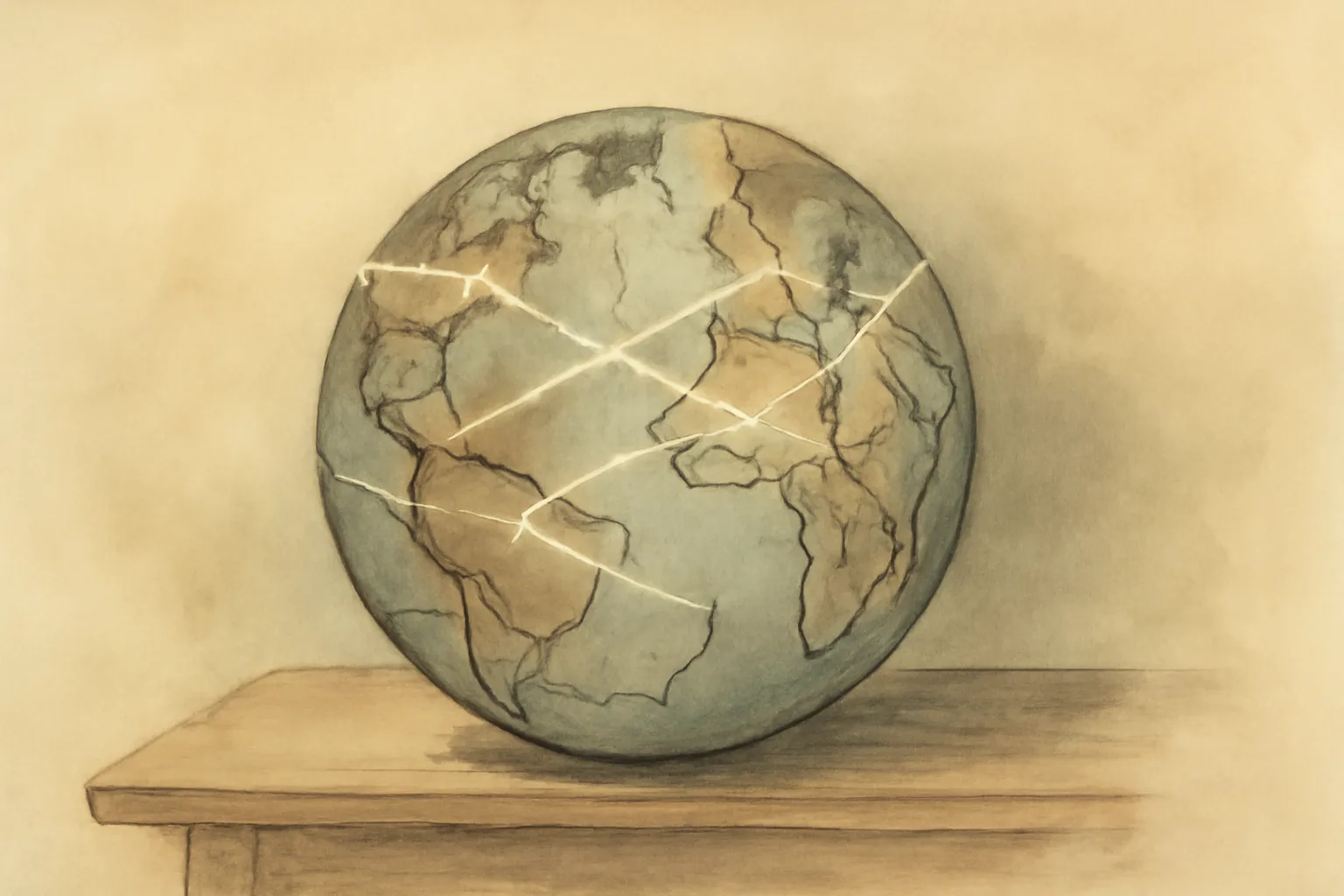
Westad challenges the traditional view of the Cold War as a bipolar standoff between the US and USSR. Instead, he frames it as a global ideological confrontation that influenced societies, economies, and governments across every continent. The conflict’s impact was not limited to Europe or North America; it fundamentally shaped the destinies of countries in Asia, Africa, Latin America, and the Middle East, often with more lasting consequences than in the original superpower centers.
2.Ideologies Rooted in Modernity
The book traces the origins of Cold War ideologies—liberal capitalism and communism—not just to 1945, but back to the upheavals of the Industrial Revolution. Westad argues that the Cold War was an outgrowth of the 20th-century struggle over how to organize society and distribute power and resources. This deeper context helps explain why the ideological battle was so intense and why it resonated in diverse societies seeking their own path to modernity.
3.Decolonization and the Global South
A major strength of Westad’s analysis is his attention to the Global South. He shows how the Cold War intersected with decolonization, as newly independent nations became key arenas for superpower competition. These countries were not just passive battlegrounds; their leaders and peoples actively navigated, manipulated, or resisted the ideological pressures from East and West, often with profound local consequences.
4.The Cold War’s Lasting Legacies
Westad emphasizes that the Cold War’s end did not erase its influence. Many contemporary conflicts, political systems, and economic divides—especially in Asia, Africa, and the Middle East—can be traced to choices and alignments made during the Cold War. The book invites readers to see today’s world as deeply shaped by this era, from persistent authoritarian regimes to ongoing struggles over development models.
5.A Multiplicity of Actors
Rather than focusing solely on leaders in Washington and Moscow, Westad highlights the agency of a vast array of actors: revolutionaries, reformers, intellectuals, and ordinary citizens around the world. This approach uncovers the ways in which local dynamics, ambitions, and grievances interacted with global ideological currents, making the Cold War a tapestry of interconnected stories rather than a simple chess match.
6.Environmental and Social Dimensions
The book draws attention to how the Cold War shaped not just politics and economics, but also social structures and the environment. From arms races that fueled technological change to developmental projects that altered landscapes, Westad shows that the era’s ambitions and anxieties left material marks on societies and ecosystems alike.