1.The Cold War as a Global Struggle
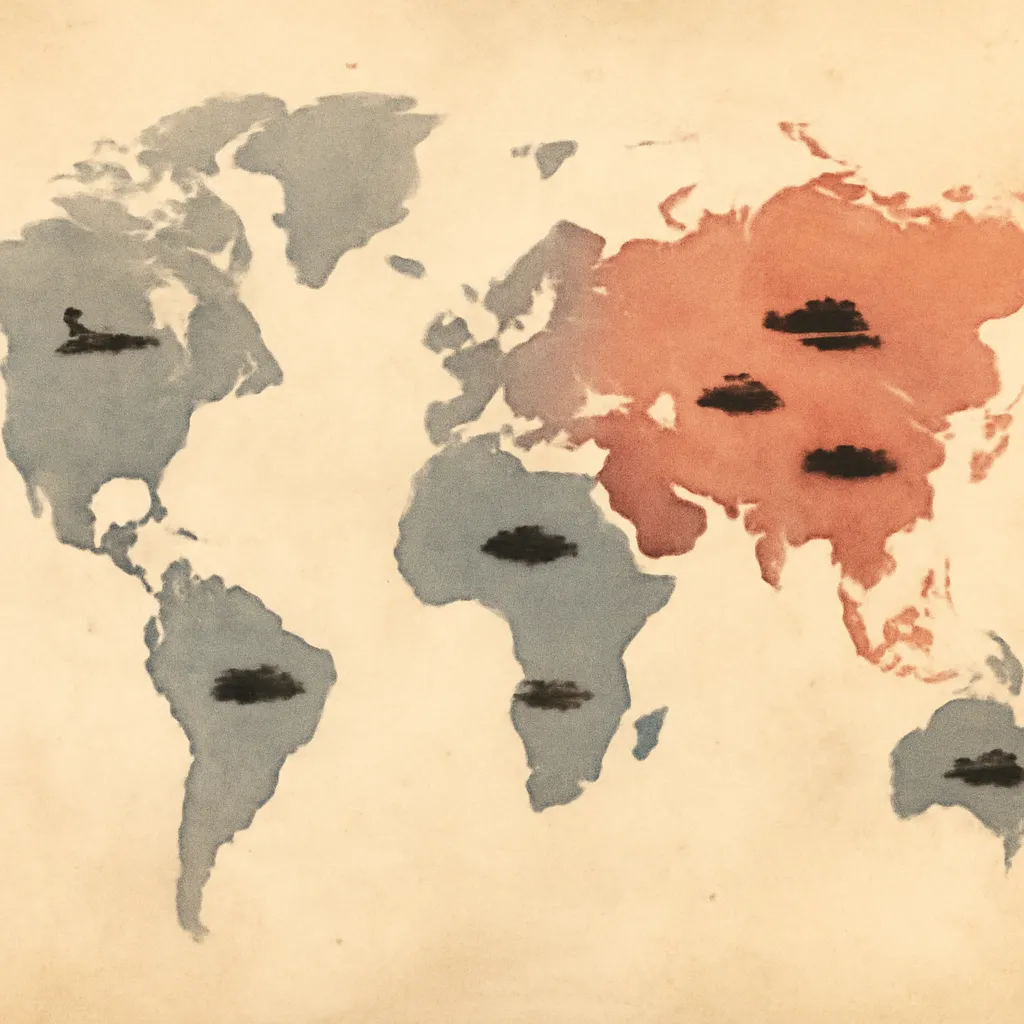
Isaacs frames the Cold War not merely as a standoff between the United States and the Soviet Union, but as a truly global phenomenon that touched every continent. The book explores how superpower rivalry played out in proxy wars, revolutions, and political movements across Asia, Africa, Latin America, and Europe. By examining events like the Korean and Vietnam Wars, the Cuban Missile Crisis, and interventions in Eastern Europe, Isaacs demonstrates that the Cold War’s impact was felt far beyond Washington and Moscow, affecting the destinies of nations and peoples worldwide.
2.Ideology and Propaganda
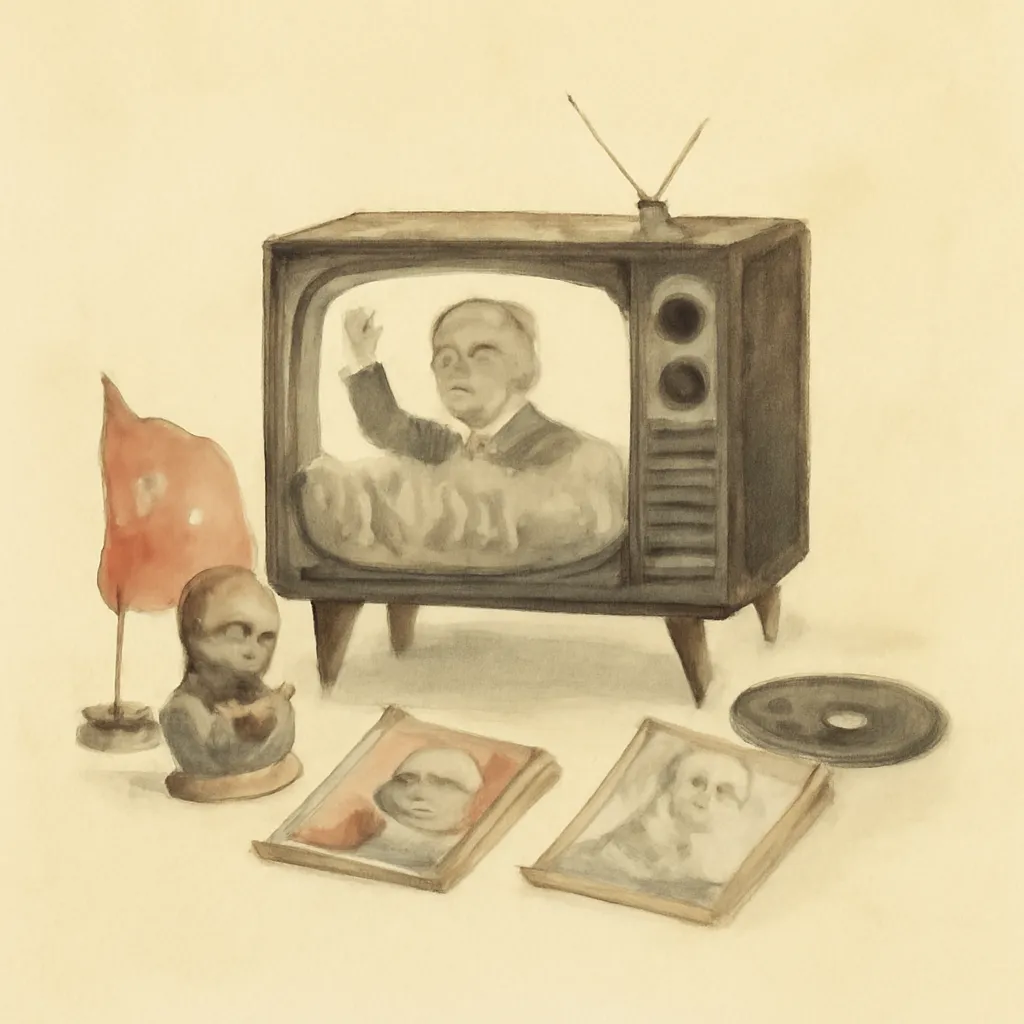
A central theme is the battle of ideas between capitalism and communism, and the ways both sides used propaganda to win hearts and minds. Isaacs details how media, culture, and education became arenas of competition, from Hollywood films to Soviet art, and from Voice of America broadcasts to Eastern Bloc censorship. The book shows how this ideological contest shaped societies and influenced individual lives, often blurring the line between truth and manipulation.
3.The Human Face of Conflict
One of the book’s strengths is its focus on personal stories, drawing from interviews with statesmen, soldiers, dissidents, and ordinary citizens. Isaacs uses these voices to illustrate how the Cold War’s high-level decisions reverberated through everyday life—whether through fear of nuclear war, the experience of living behind the Iron Curtain, or the hope inspired by moments of détente. This approach makes the history vivid and relatable, emphasizing that the Cold War was not just about leaders and weapons, but about millions of individual experiences.
4.Crises and Turning Points
Isaacs identifies key moments—such as the Berlin Blockade, Cuban Missile Crisis, and Prague Spring—that brought the world to the brink of disaster or opened new possibilities for peace. By analyzing these crises, the book reveals how close the superpowers came to direct conflict, and how diplomacy, miscalculation, or sheer luck sometimes averted catastrophe. These episodes underscore the fragility of peace and the unpredictability of history.
5.The Role of Espionage and Technology
The Cold War was as much a battle of intelligence and innovation as of armies. Isaacs delves into the world of spies, double agents, and secret operations, showing how espionage shaped policy and perceptions on both sides. He also highlights the technological race—from nuclear arms to the space race—and how advancements in science and surveillance redefined power and fear during this era.
6.The End of the Cold War and Its Legacy
The book concludes by examining the factors that led to the Cold War’s end: economic pressures, reform movements, and the choices of leaders like Gorbachev and Reagan. Isaacs argues that the collapse of the Soviet bloc was not inevitable, but the result of complex, contingent events. He also explores the enduring legacies of the Cold War, from ongoing regional conflicts to the persistence of nuclear arsenals and ideological divisions.