1.The Burden of the Past
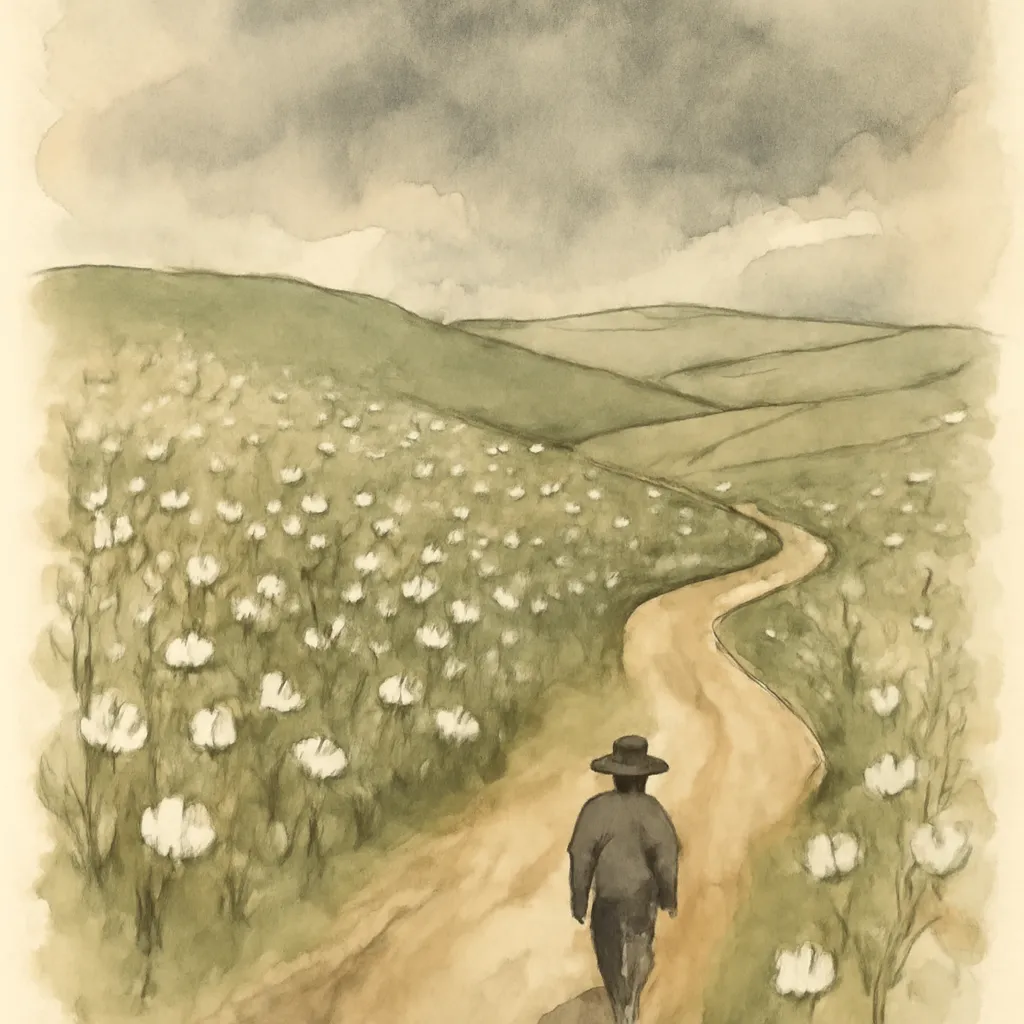
Faulkner’s stories are saturated with the weight of history—personal, familial, and regional. Characters often struggle beneath the legacies of their ancestors, whether it’s the decaying grandeur of old Southern families or the unhealed wounds of war and racial violence. This sense of inescapable inheritance shapes destinies, making the past a living force that both haunts and defines the present.
2.The Complexity of Morality
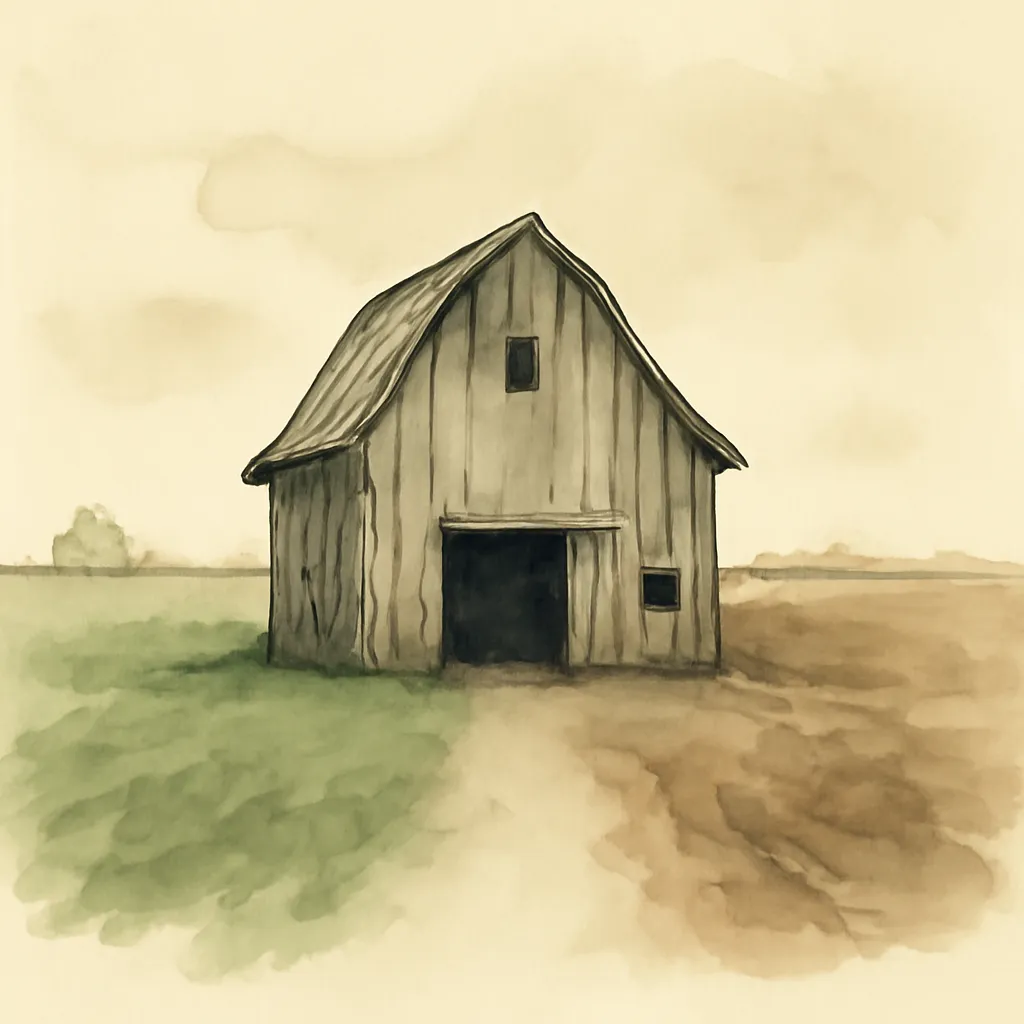
Many of Faulkner’s stories, such as 'Barn Burning' and 'Dry September,' explore the murky terrain of right and wrong. His characters are rarely purely good or evil; instead, they are driven by conflicting loyalties, pride, and desperation. Faulkner exposes how social pressures, poverty, and prejudice can warp moral choices, leaving readers to grapple with uncomfortable ambiguities.
3.Race and Social Injustice
Faulkner does not shy away from the brutal realities of racism and segregation in the South. Stories like 'A Rose for Emily' and 'That Evening Sun' depict the deep divides and daily indignities faced by Black characters, often through the lens of white narrators. Faulkner’s nuanced, sometimes unsettling portrayals force readers to confront the pervasive injustices woven into Southern life.
4.The Power of Place
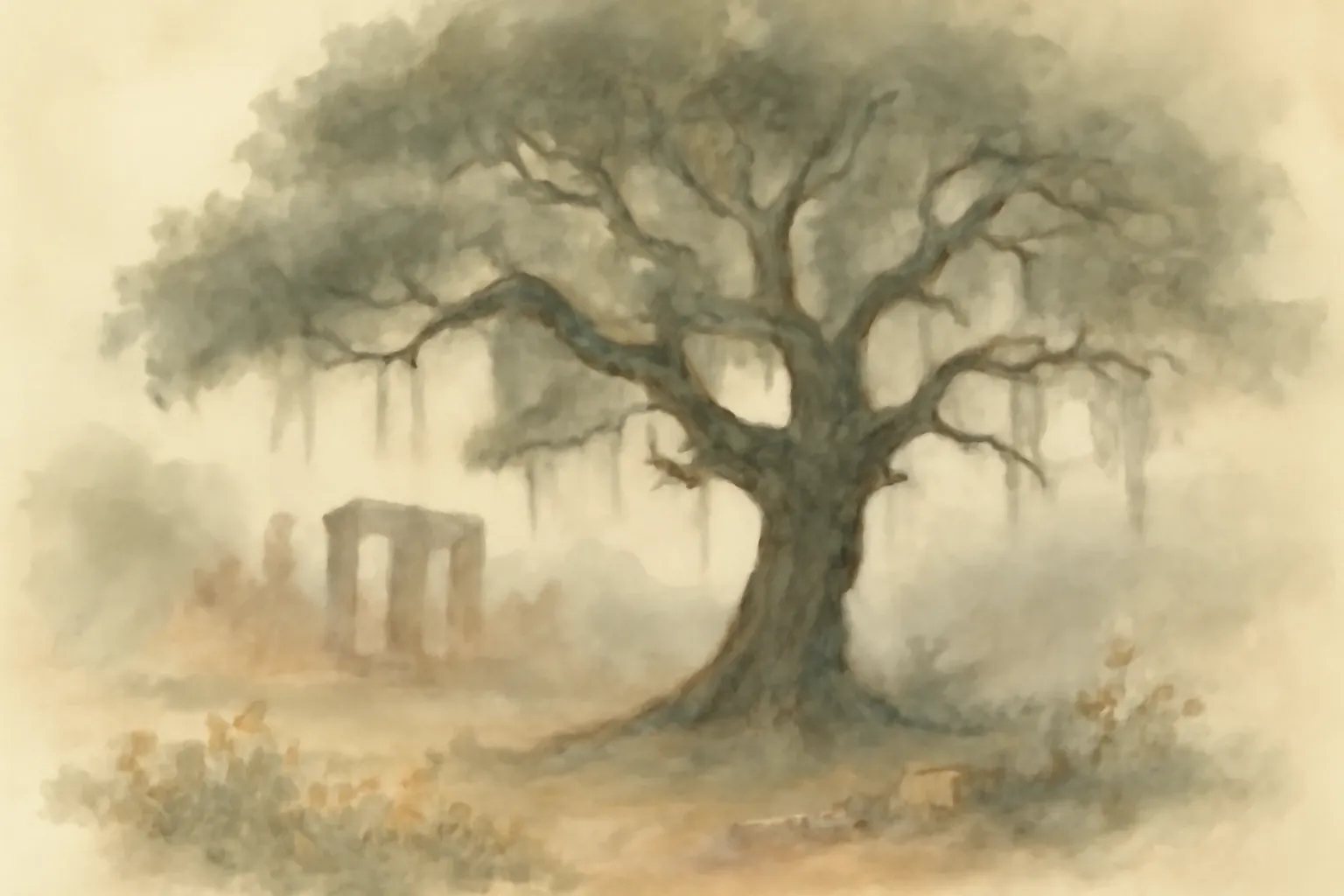
Yoknapatawpha County, Faulkner’s fictional Mississippi setting, is more than a backdrop—it’s a character in its own right. The land, weather, and small-town rituals shape the people who inhabit his stories. This sense of place grounds even the most surreal or tragic events, imbuing them with a mythic resonance that transcends local color.
5.Experimentation with Narrative Form
Faulkner’s short stories showcase his innovative approach to storytelling. He uses shifting perspectives, unreliable narrators, and non-linear timelines to mirror the complexity of memory and truth. This stylistic daring can be challenging, but it rewards attentive readers with deeper insight into his characters’ inner lives.
6.Resilience and Tragedy
Despite the bleakness that often pervades his stories, Faulkner also depicts moments of endurance and dignity. Whether it’s the stubborn defiance of a tenant farmer or the quiet suffering of a bereaved mother, his characters persist in the face of overwhelming odds. This tension between tragedy and resilience is at the heart of his vision.