1.The Many Faces of Love
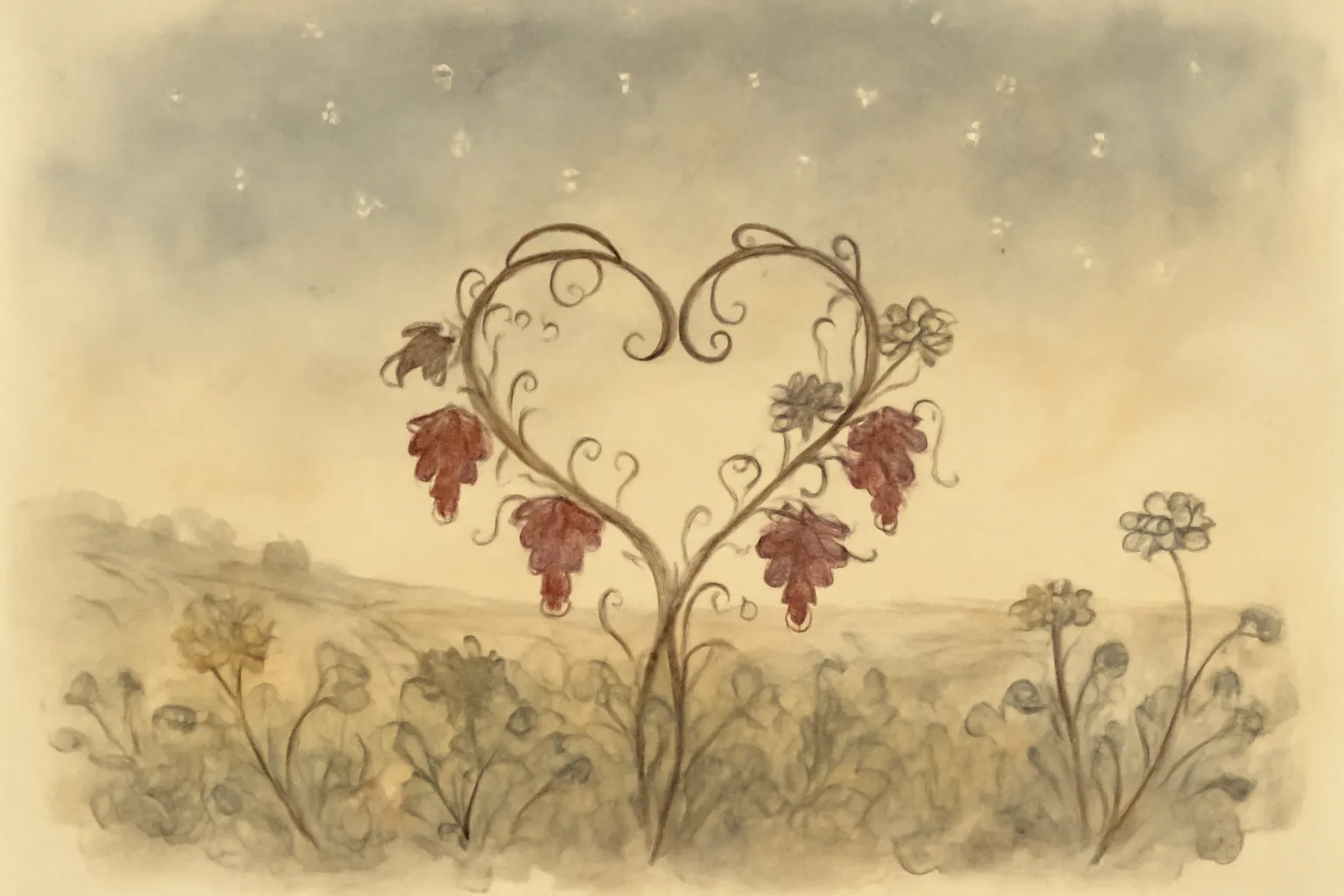
Neruda’s poetry is renowned for its exploration of love in its myriad forms—sensual, romantic, spiritual, and even political. His verses move from the intimate and erotic poems of 'Twenty Love Poems and a Song of Despair' to the mature, reflective love found in his later works. Love, for Neruda, is both a personal passion and a universal force, capable of transforming individuals and societies. His language captures the intensity of desire, the pain of loss, and the enduring hope that love inspires.
2.Political Engagement and Social Justice
A committed activist and diplomat, Neruda’s poetry often grapples with themes of oppression, injustice, and solidarity. In works like 'Canto General,' he chronicles the history and struggles of Latin America, giving voice to the marginalized and oppressed. His poems are not just personal reflections but calls to action, urging readers to recognize their shared humanity and responsibility. This political dimension adds urgency and depth to his lyricism, making his poetry resonate far beyond the personal.
3.Nature as Inspiration and Metaphor
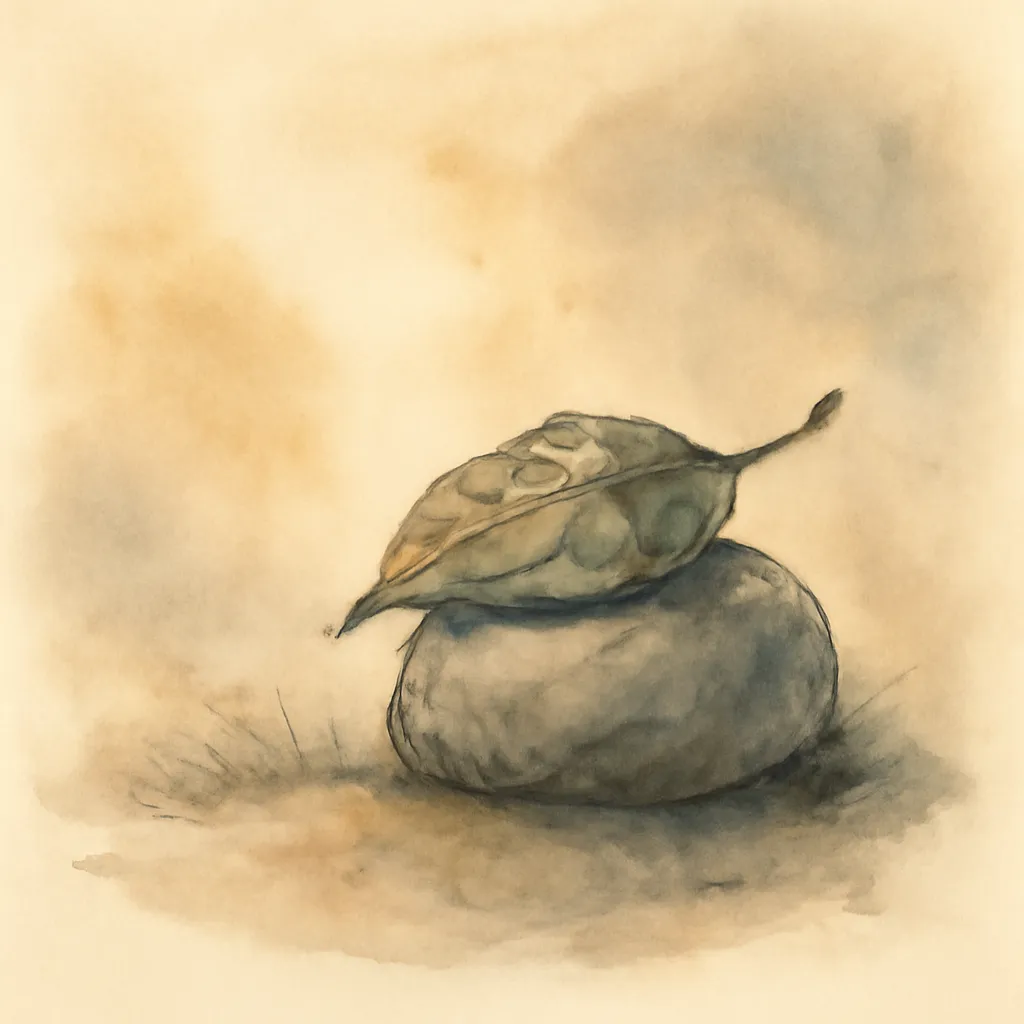
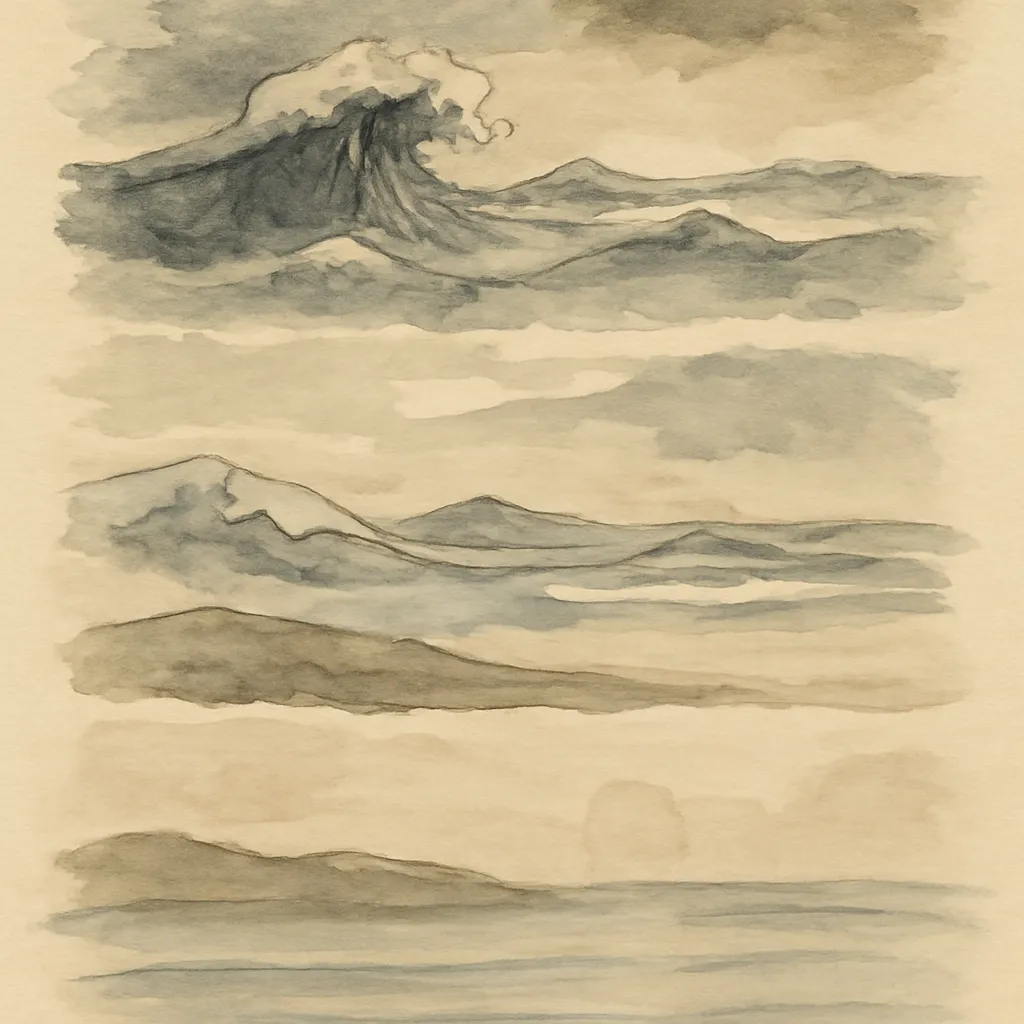
Neruda’s deep connection to the natural world is evident throughout his poetry. He finds beauty and meaning in everyday objects—stones, onions, the sea—and elevates them to symbols of larger truths. Nature serves as both subject and metaphor, reflecting the poet’s inner life and the broader cycles of existence. His odes to simple things celebrate the richness of ordinary experience and invite readers to see the world with fresh eyes.
4.The Power of Everyday Objects
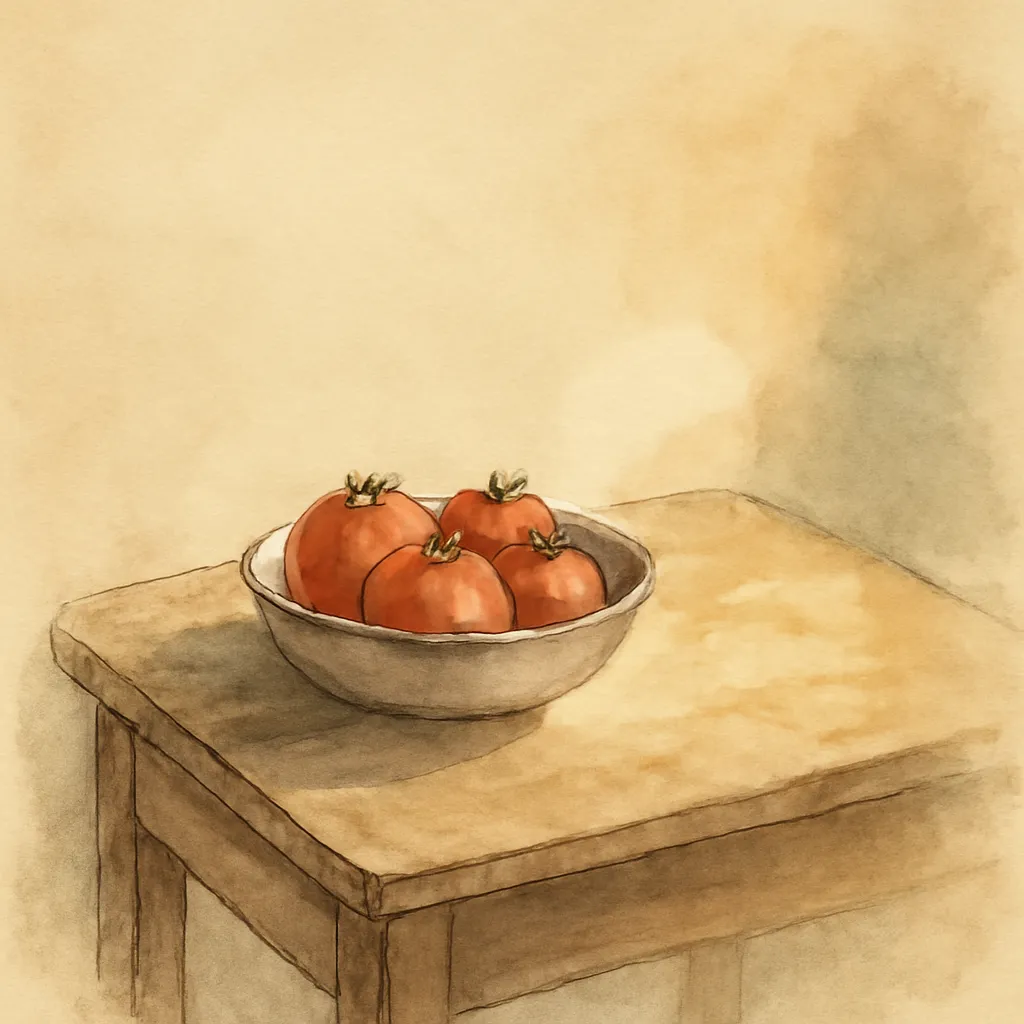
In his famous 'Elemental Odes,' Neruda writes about things like tomatoes, socks, and salt, transforming the mundane into the miraculous. By focusing on the overlooked details of daily life, he democratizes poetry, suggesting that beauty and meaning are accessible to all. This approach reflects his belief in the dignity of the common person and the significance of the ordinary.
5.The Evolution of Voice and Style
Spanning decades, Neruda’s collected poems showcase his stylistic evolution—from the surrealist experimentation of his early years to the clarity and directness of his later work. This progression mirrors his personal and political growth, offering readers a portrait of a poet constantly reinventing himself. The collection’s breadth allows for an appreciation of Neruda’s versatility and enduring relevance.
6.Mortality, Memory, and the Passage of Time
Throughout his poetry, Neruda reflects on mortality, memory, and the fleeting nature of life. His meditations on death are often intertwined with celebrations of life’s pleasures and sorrows. The poems invite readers to embrace both joy and impermanence, finding meaning in the act of remembering and in the persistence of hope.