1.The Marvel of Everyday Life
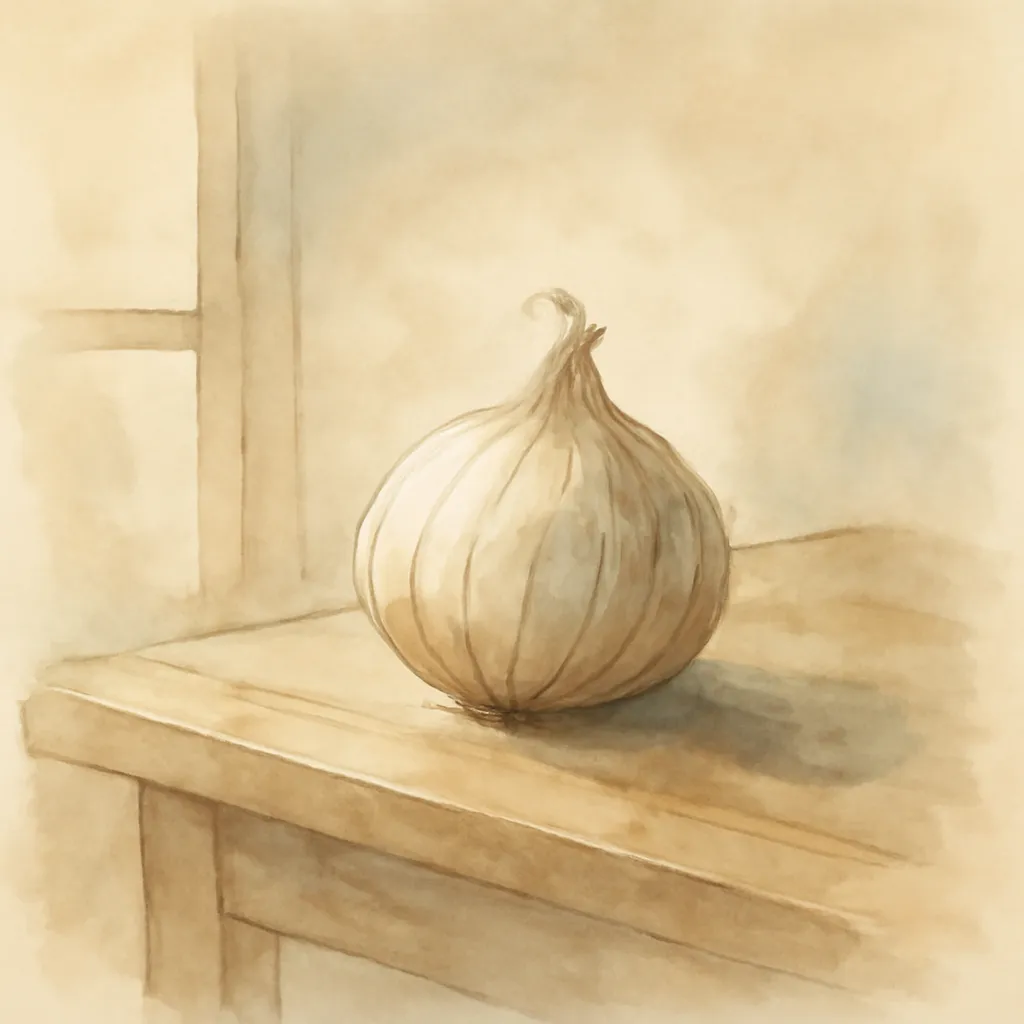
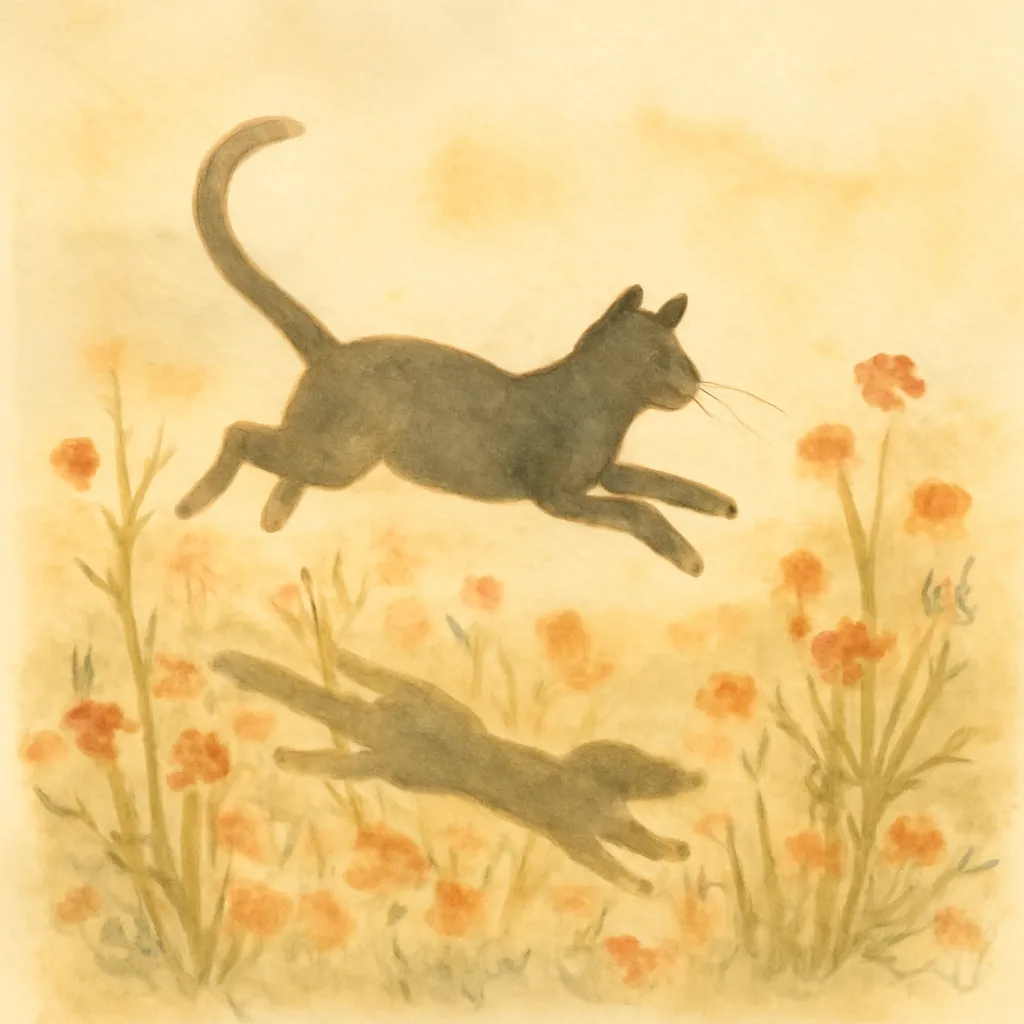
Szymborska’s poetry is renowned for its focus on ordinary moments and objects, which she transforms into sites of wonder and philosophical inquiry. She finds meaning in the mundane—an onion, a cat, a photograph—and uses these as gateways to explore larger questions about existence, identity, and the passage of time. Her approach encourages readers to reconsider what they take for granted and to discover beauty and complexity in the overlooked.
2.Irony and Humor as Tools for Insight
A hallmark of Szymborska’s style is her deft use of irony and humor. Rather than distancing the reader, her wit draws us closer to the heart of her observations, allowing difficult or existential topics to be approached with lightness and accessibility. This playfulness does not trivialize her subjects; instead, it opens up new ways of seeing and understanding, making her poetry both intellectually stimulating and emotionally resonant.
3.Philosophical Curiosity and Skepticism
Szymborska’s poems are marked by a persistent questioning of received wisdom and easy answers. She often adopts a skeptical perspective, probing the limits of knowledge, language, and certainty. Her work is less about providing solutions than about opening up space for doubt, curiosity, and reflection. This philosophical stance invites readers to embrace uncertainty and to remain open to the complexity of the world.
4.Empathy and the Human Condition
Despite her ironic tone, Szymborska’s poetry is suffused with empathy. She explores the joys and sorrows of being human, the inevitability of death, and the fleeting nature of happiness. Her poems often give voice to the marginalized or overlooked, and she approaches her subjects with compassion and humility. This deep humanity is one of the reasons her work resonates so widely.
5.The Relationship Between Language and Reality
Szymborska frequently meditates on the power and limitations of language. She is acutely aware of how words shape our perceptions and how they can both reveal and obscure truth. Her poems play with meaning, ambiguity, and translation, reflecting her belief that reality is always partially hidden and that poetry is a way of approaching, but never fully capturing, the essence of things.
6.History, Memory, and the Passage of Time
Many of Szymborska’s poems grapple with history—both personal and collective—and the ways in which memory shapes our understanding of the past. She is attentive to the traces left by time, the persistence of loss, and the possibility of renewal. Her work often reflects on the tension between the fleetingness of individual lives and the vast sweep of history.