1.The Power of the Ordinary
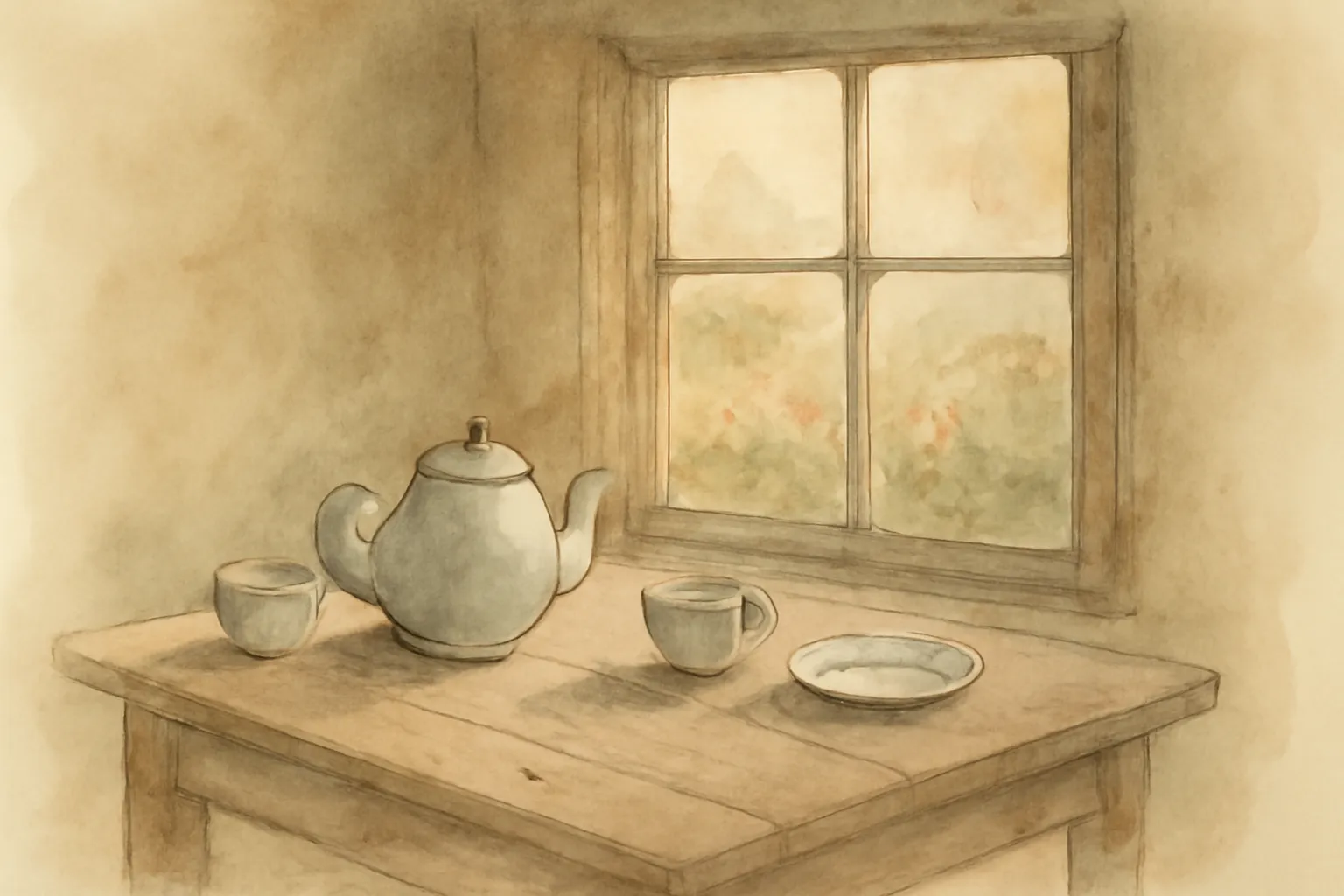
Munro’s stories are rooted in the details of everyday life—small towns, family gatherings, chance encounters. She shows how the seemingly mundane can hold immense emotional weight and drama. Her characters’ lives are not defined by grand events, but by subtle shifts and decisions that resonate deeply. This focus invites readers to reconsider what is truly significant in their own lives and to appreciate the quiet, transformative moments that often go unnoticed.
2.Memory and the Passage of Time
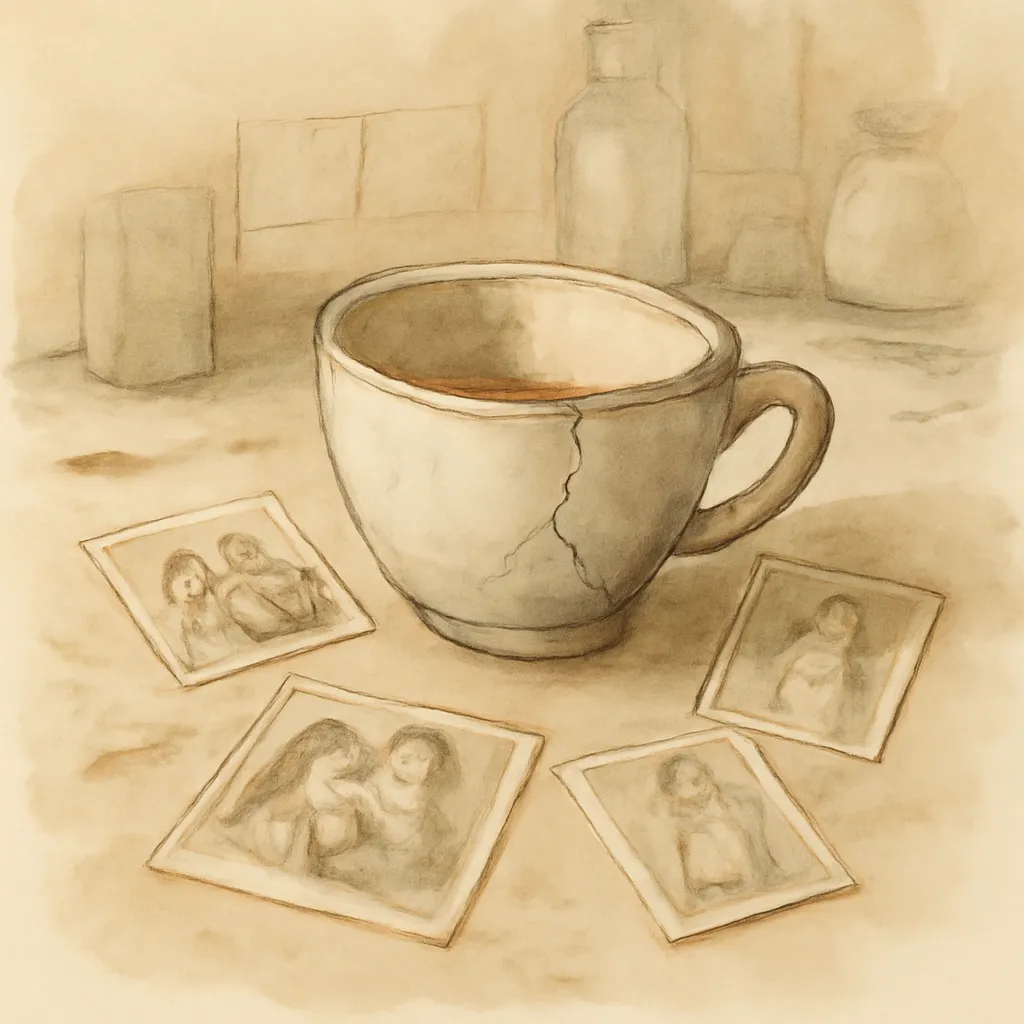
A recurring theme in Munro’s work is the fluidity of memory and the way the past continually shapes the present. Her stories often move back and forth in time, blurring the boundaries between what has happened and how it is remembered. This technique highlights how personal histories are reconstructed, sometimes unreliably, and how the act of remembering can be as important as the events themselves.
3.Female Experience and Perspective
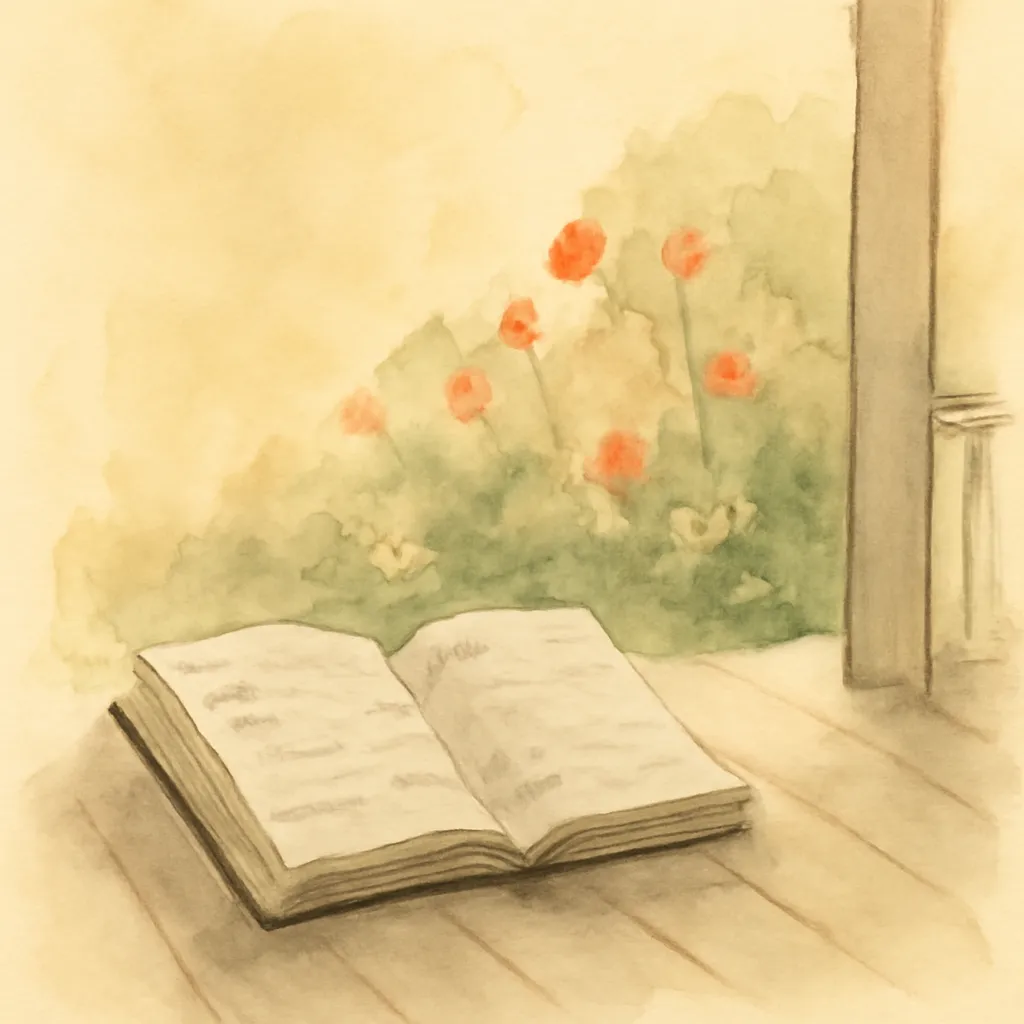
Munro’s stories are especially attuned to the inner lives of women—daughters, mothers, wives—exploring their desires, disappointments, and resilience. She captures the constraints and possibilities of women’s lives across decades, offering nuanced portraits that resist stereotypes. Readers gain insight into the subtle negotiations and private rebellions that define her female characters’ journeys.
4.Ambiguity and Moral Complexity
Rather than offering clear resolutions or moral judgments, Munro’s stories thrive on ambiguity. Her characters often make choices that are neither wholly right nor wrong, and the consequences are left open to interpretation. This moral complexity mirrors real life, encouraging readers to grapple with uncertainty and to empathize with flawed, multifaceted individuals.
5.Place as Character
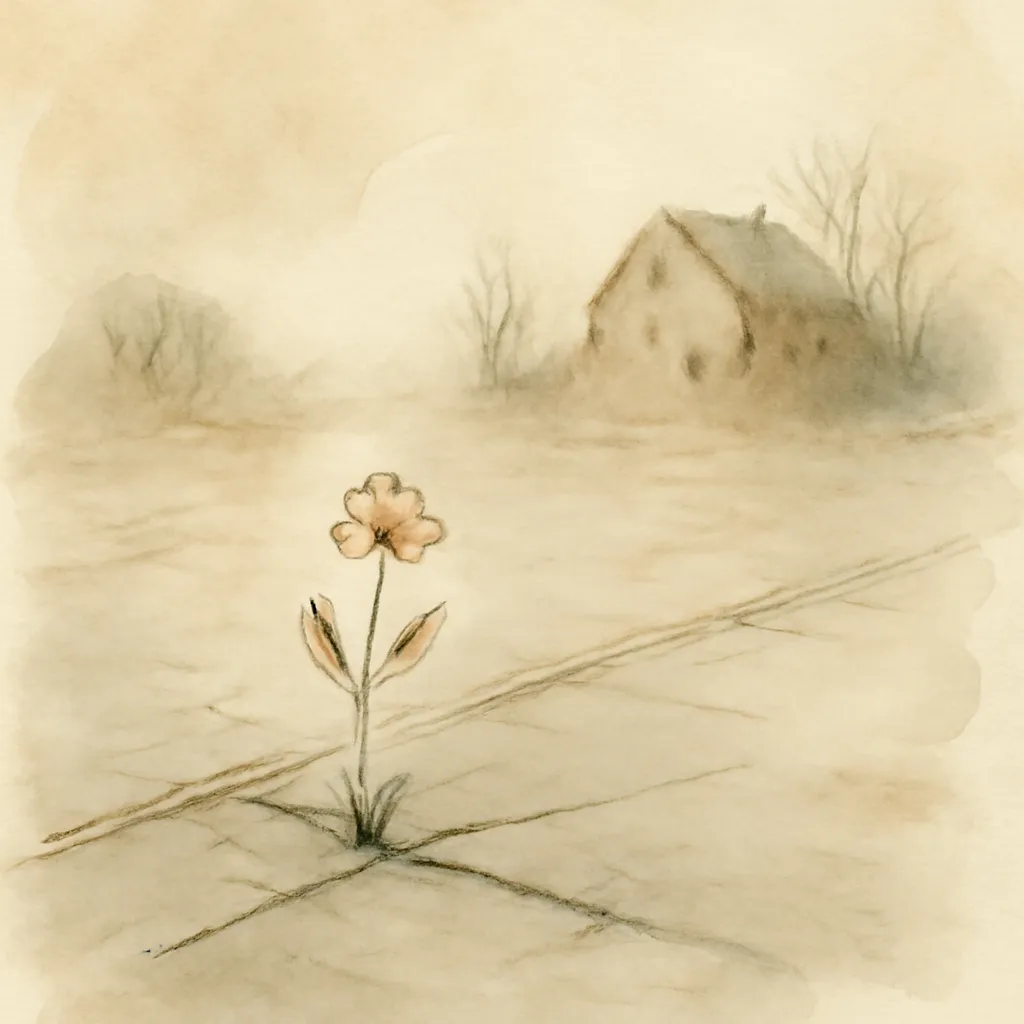
The landscapes of rural Ontario, especially around Lake Huron, are more than backdrops in Munro’s stories—they shape the lives, values, and possibilities of her characters. The specificity of place grounds her fiction in a tangible reality, while also serving as a metaphor for isolation, belonging, and change. Readers experience how environment and community can both nurture and confine.
6.The Art of the Short Story
Munro is renowned for her ability to compress entire lifetimes into the space of a short story. Her narrative economy, layered structure, and attention to detail demonstrate the unique strengths of the form. For readers and writers alike, her work is a study in how brevity can coexist with depth, and how a single story can evoke the richness of a novel.