1.Bread as a Symbol of Human Needs
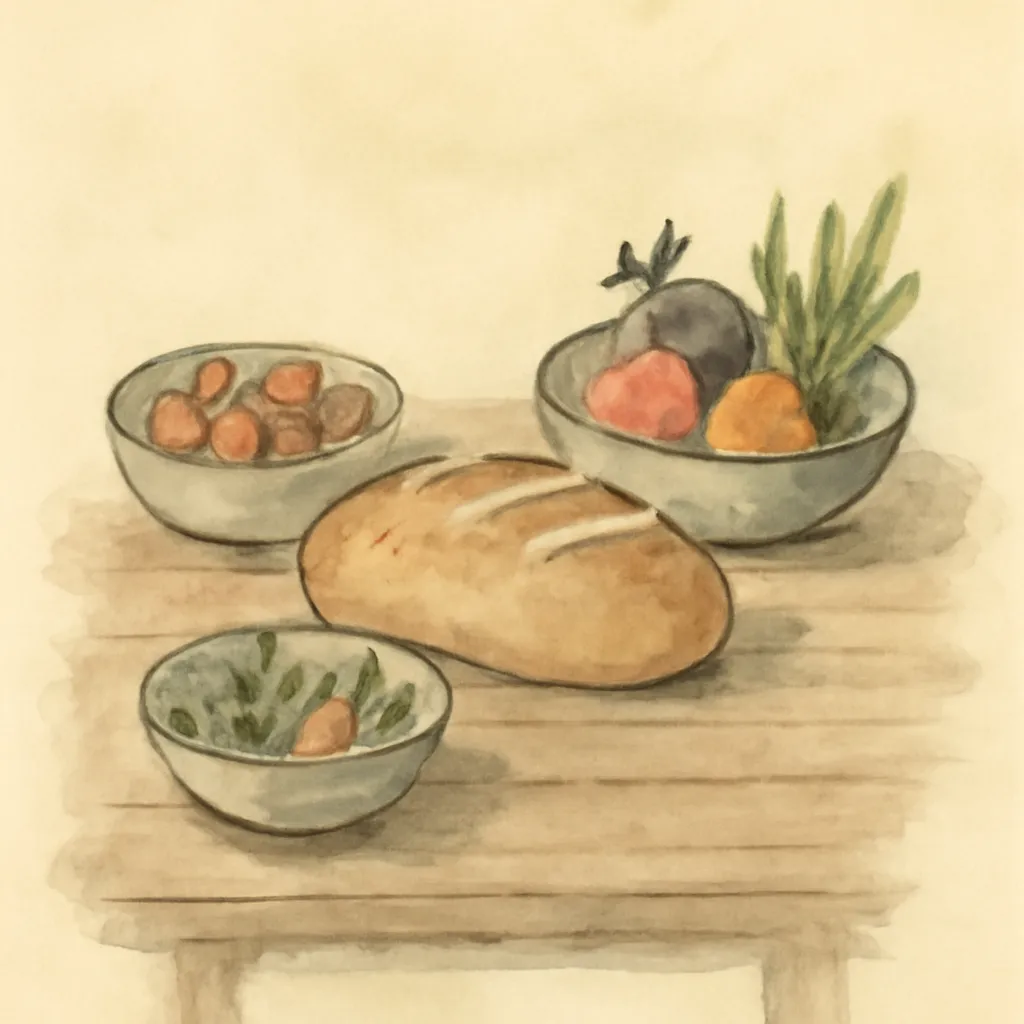
Kropotkin uses 'bread' as a stand-in for all basic human necessities, arguing that society's first duty is to guarantee food, shelter, and well-being for all. He insists that no social order can be just if people go hungry or homeless while resources abound. This focus on material needs grounds his vision of anarchist communism in practical, everyday concerns, not abstract ideology.
2.Critique of Capitalism and State Socialism
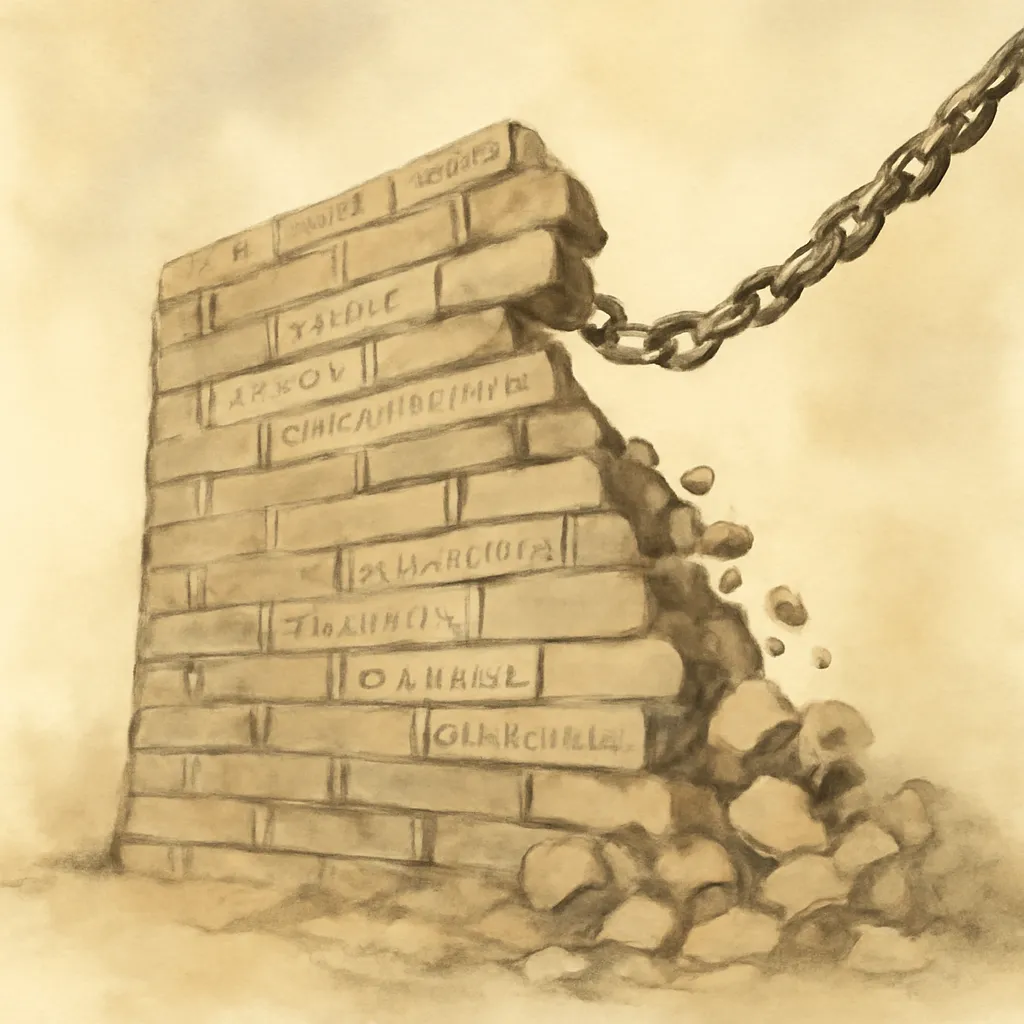
Kropotkin is scathing toward both capitalism and state socialism, seeing both as systems that centralize power and perpetuate inequality. He criticizes wage labor, private property, and bureaucratic control, arguing that they inevitably lead to exploitation and alienation. Instead, he advocates for the abolition of both the wage system and the state, believing only decentralized, communal organization can ensure real freedom.
3.Mutual Aid and Voluntary Cooperation
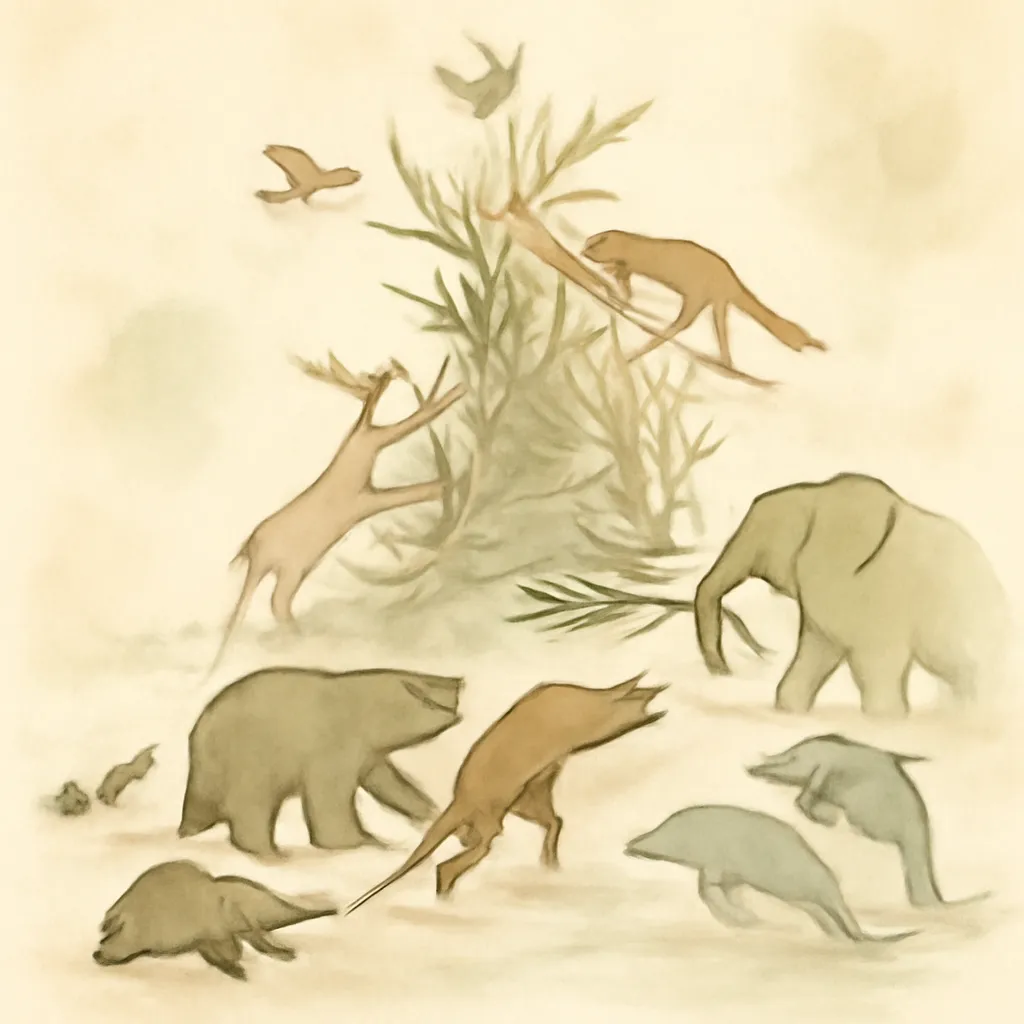
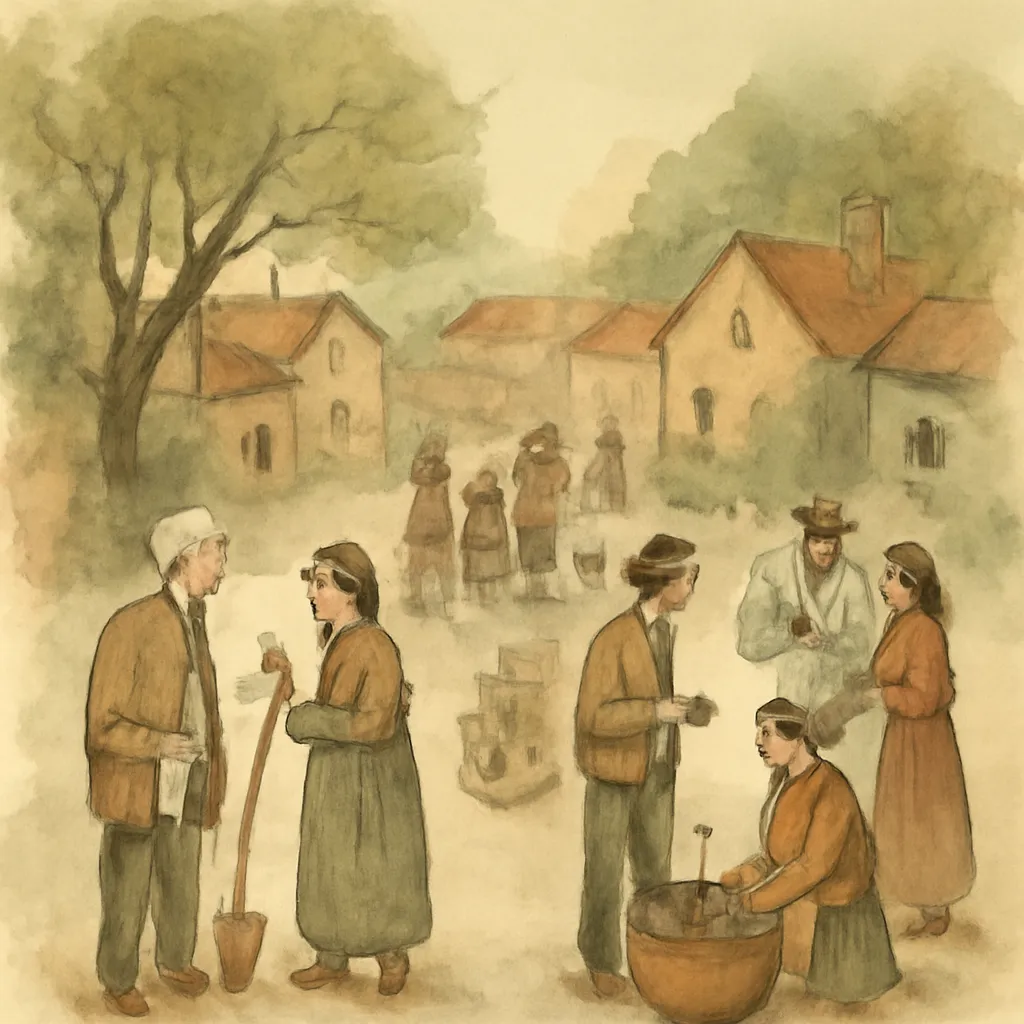
A central pillar of Kropotkin's argument is that humans thrive through cooperation, not competition. Drawing on examples from nature and history, he claims that mutual aid is both natural and necessary for social progress. He envisions a society where people freely associate to meet their needs, pooling resources and labor for the common good without coercion or hierarchy.
4.Decentralization and Local Autonomy
Kropotkin champions the idea of decentralized communities managing their own affairs. He believes that small, self-governing groups are better equipped to respond to local needs and prevent the rise of new elites. This decentralization extends to production, distribution, and decision-making, aiming to replace top-down authority with horizontal networks of cooperation.
5.Revolution as a Creative Act
Unlike those who see revolution as merely destructive, Kropotkin frames it as a creative process: the building of new relationships and institutions in the shell of the old. He emphasizes the importance of direct action and the immediate expropriation of resources for communal use, arguing that waiting for gradual reform or state-led change only prolongs suffering.
6.Work, Leisure, and Human Flourishing
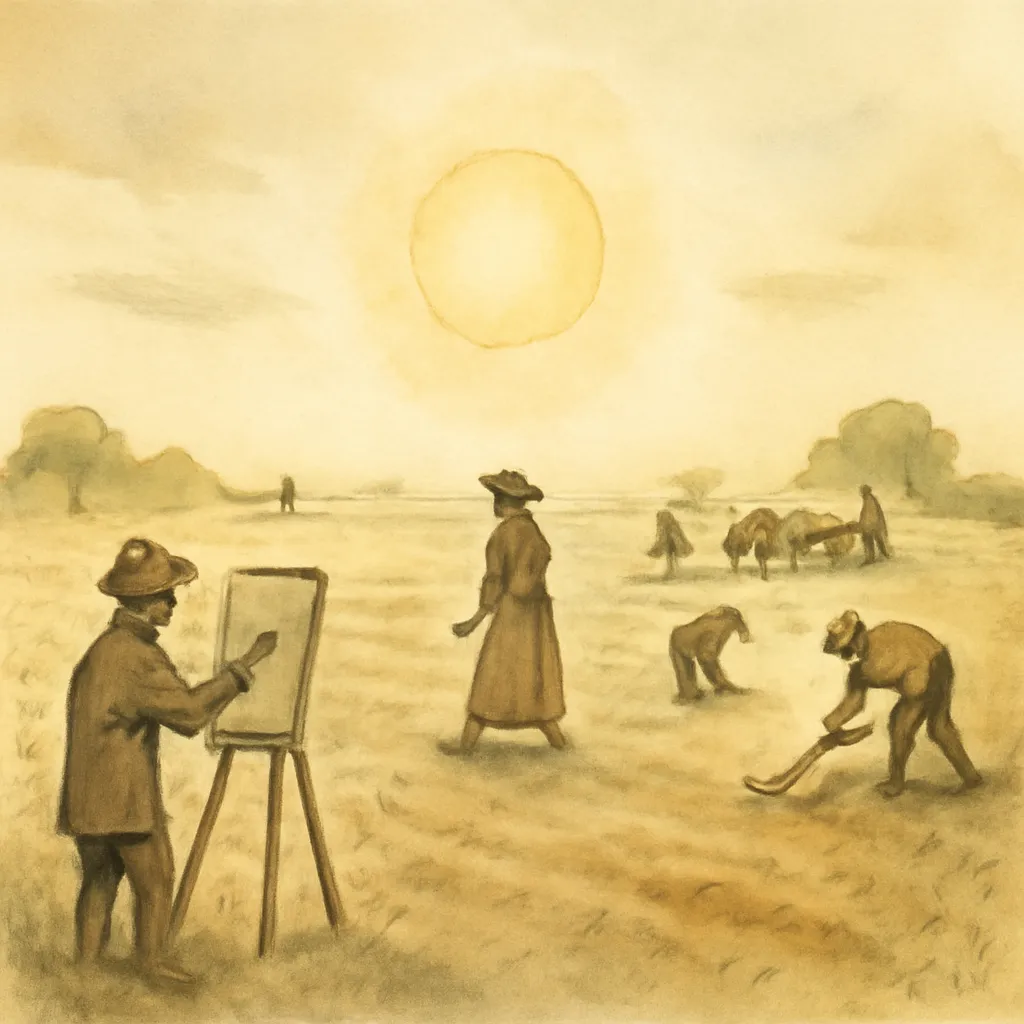
Kropotkin challenges the division between 'useful' and 'useless' work imposed by capitalist society. He argues that when freed from economic compulsion, people will engage in productive labor willingly, balancing work and leisure. This vision sees work not as drudgery but as a source of creativity and fulfillment, integrated into a meaningful communal life.