1.Human Hubris Versus Natural Forces
McPhee explores the recurring theme of humanity’s belief in its ability to dominate and reshape nature. Through detailed accounts of attempts to redirect rivers, halt lava flows, and stabilize unstable mountainsides, he reveals how this confidence often leads to unintended consequences. The book challenges the notion that technology can always triumph, highlighting the complexity and unpredictability of natural systems. By juxtaposing human ambition with the relentless force of nature, McPhee invites readers to consider the limits of control and the potential costs of overreach.
2.The Mississippi River: Engineering Against the Inevitable
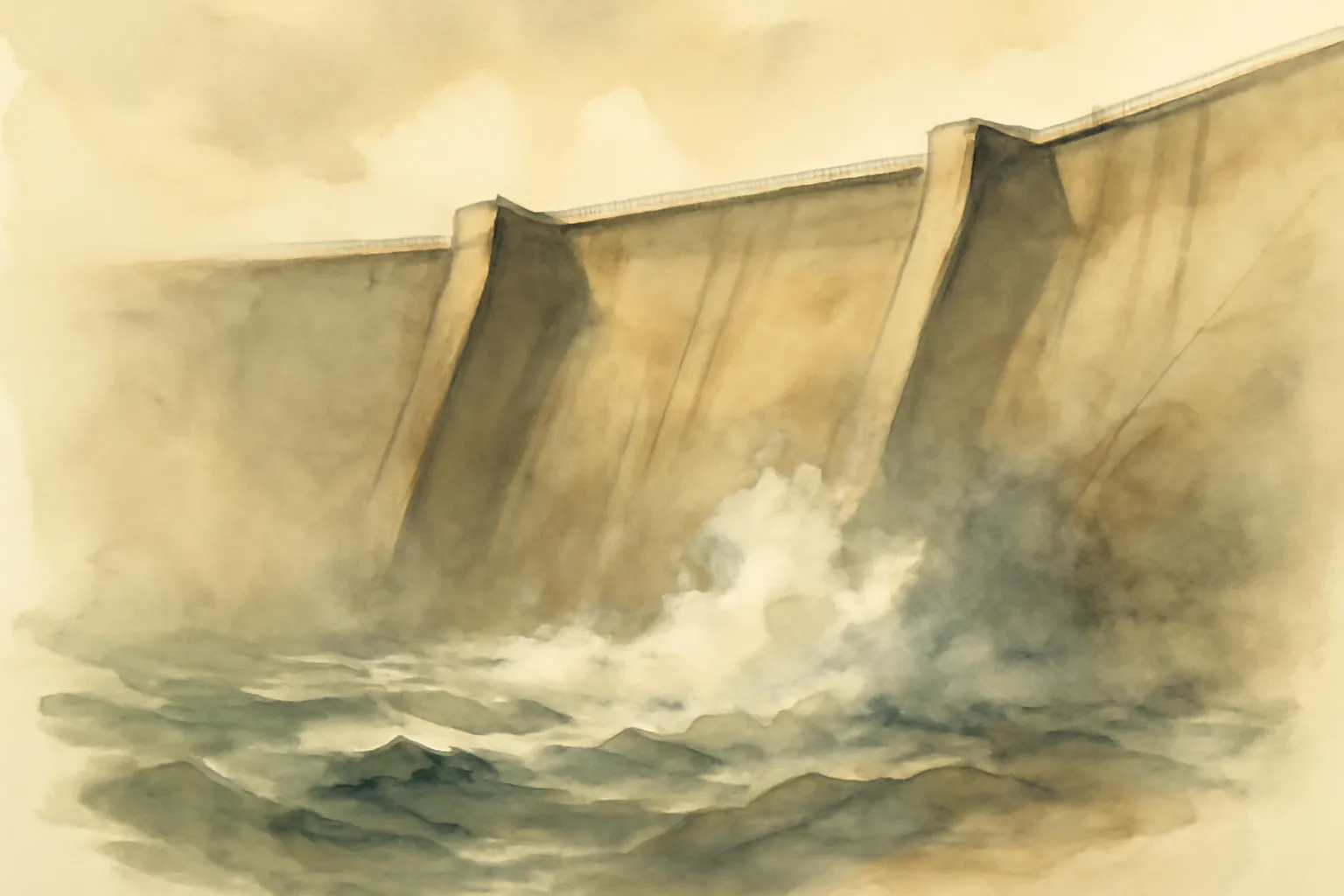
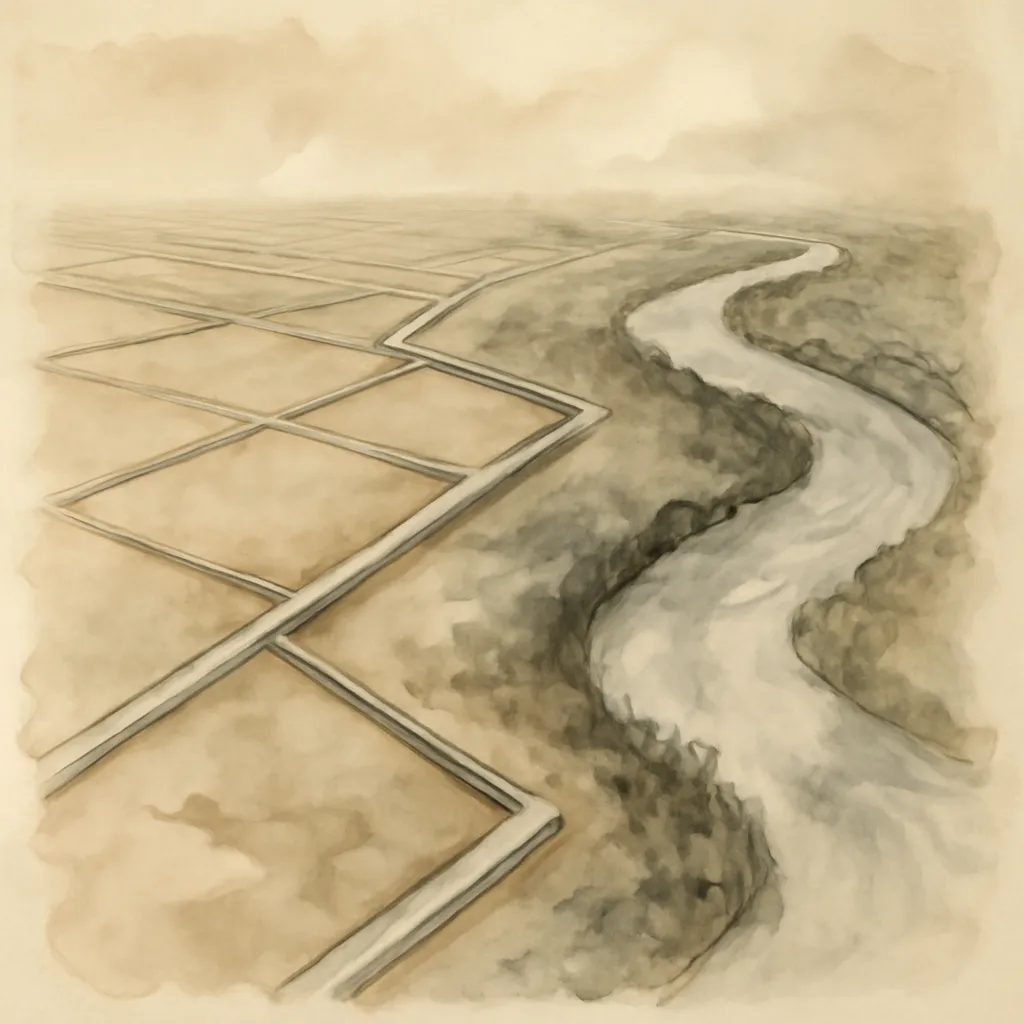
The book’s opening section focuses on the U.S. Army Corps of Engineers’ efforts to keep the Mississippi River on its current course, preventing it from diverting to the Atchafalaya. McPhee details the massive infrastructure—levees, spillways, and control structures—built to maintain this artificial stability. He illustrates how these interventions are both impressive feats and precarious bets, as the river’s natural tendency to change course is merely delayed, not defeated. This struggle serves as a metaphor for all human attempts to impose order on dynamic natural systems.
3.Iceland Versus Lava: Innovation on the Edge
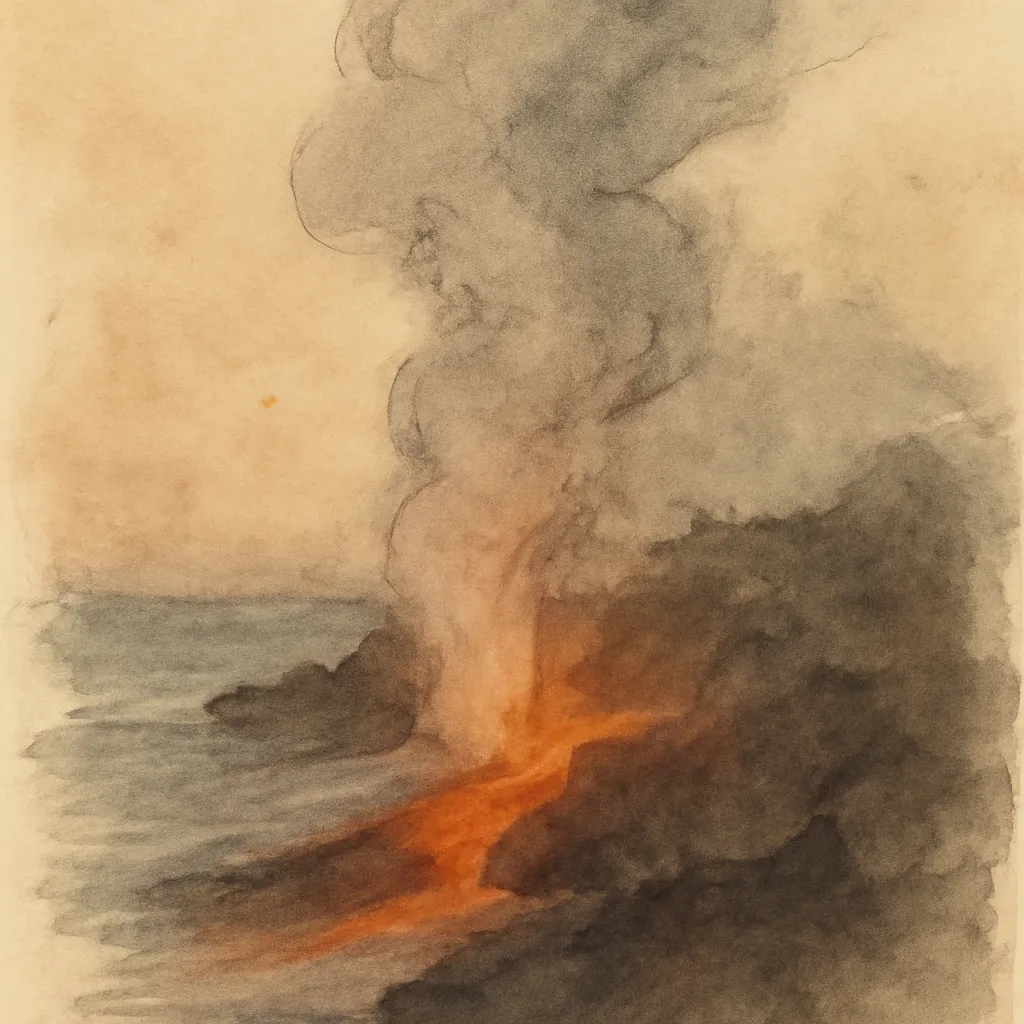
In Iceland, McPhee examines the extraordinary efforts to save the town of Heimaey from a volcanic eruption in 1973. By pumping seawater onto advancing lava, residents and engineers managed to slow and redirect the flow, saving the harbor and much of the town. This episode showcases human adaptability and resourcefulness, but also underscores the provisional nature of such victories. The Icelandic case stands out as a rare example where intervention worked, yet McPhee remains cautious about drawing broad lessons, emphasizing the uniqueness of each natural threat.
4.California’s Unstable Slopes: The Battle Against Landslides
The final section delves into the challenges of living in the San Gabriel Mountains near Los Angeles, where residents and authorities contend with relentless debris flows and landslides. McPhee describes both the geological forces at work and the persistent, sometimes futile, attempts to protect homes and infrastructure. The narrative highlights the tension between people’s desire to inhabit risky landscapes and the limitations of engineering solutions. This part of the book raises questions about responsibility, risk, and the wisdom of building in hazardous zones.
5.Nature’s Indifference and Human Stories
Throughout the book, McPhee weaves in vivid portraits of the people involved—engineers, scientists, residents, and officials—capturing their motivations, anxieties, and resilience. He shows how nature operates with a scale and indifference that dwarfs individual efforts, yet also how these battles shape communities and identities. The human stories provide an emotional anchor, making abstract environmental issues immediate and personal.
6.The Limits and Ethics of Control
Underlying McPhee’s reportage is a subtle meditation on the ethics of controlling nature. He raises questions about who benefits and who bears the risks, the environmental costs of intervention, and the wisdom of seeking mastery over forces we only partially understand. The book encourages readers to reflect on the balance between protection and acceptance, and the humility required to coexist with a dynamic planet.