1.The Destructive Power of Revenge
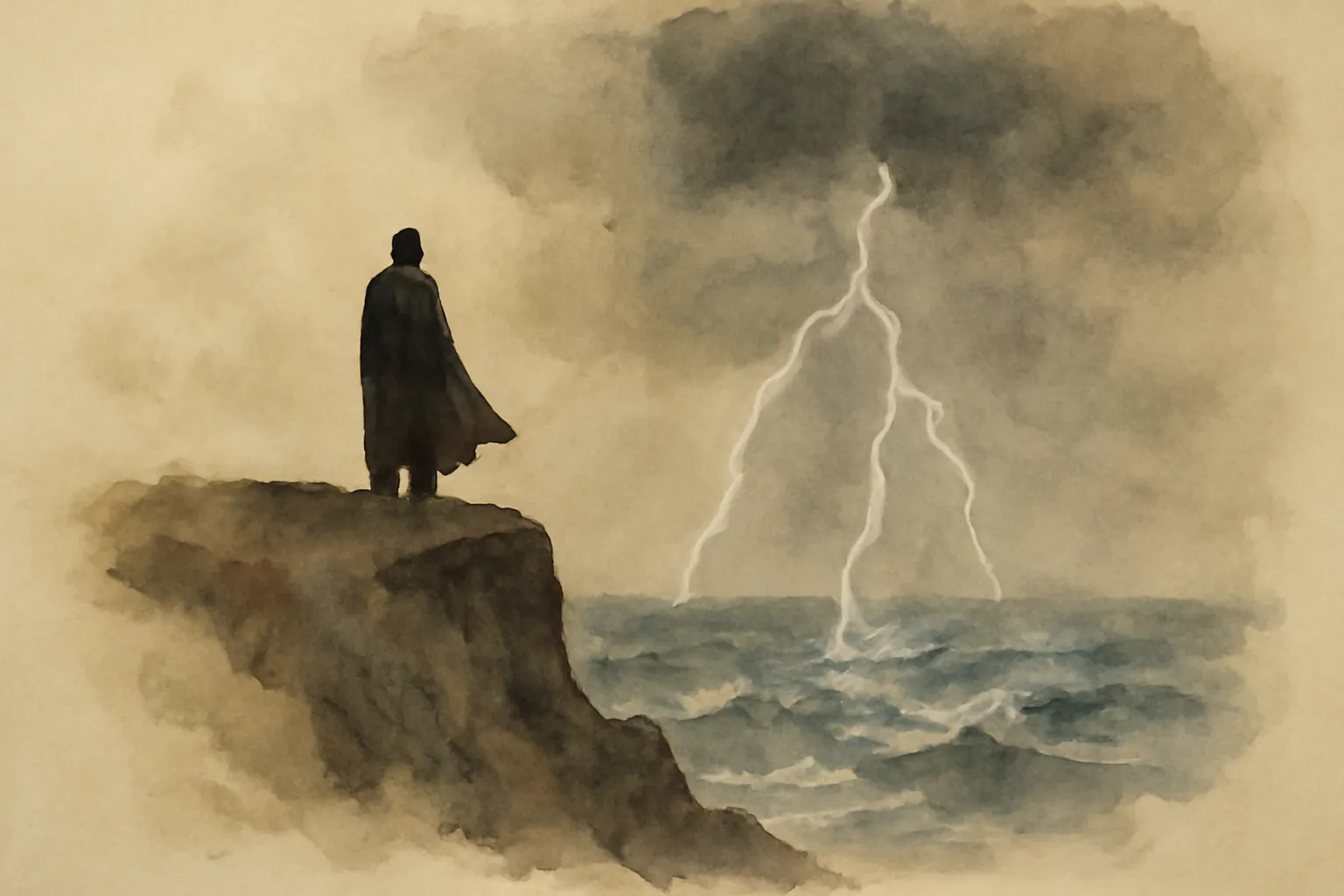
At its core, the novel is a meditation on revenge: Edmond Dantès, wrongfully imprisoned, emerges as the Count of Monte Cristo to exact elaborate retribution on those who betrayed him. Dumas explores how the pursuit of vengeance can consume a person, transforming Dantès from an innocent man into someone who risks losing his own humanity. The narrative questions whether justice achieved through personal vendetta is truly just, and whether the satisfaction of revenge can ever outweigh its costs.
2.Transformation and Identity
Dantès's journey is not just physical but existential. His transformation from naive sailor to sophisticated nobleman is marked by the adoption of multiple identities, each serving a purpose in his quest. This shifting of personas raises questions about the nature of identity: Is Dantès still himself after years of suffering and reinvention, or has he become something else entirely? The novel probes how trauma and experience shape who we are and how we present ourselves to the world.
3.Justice versus Providence
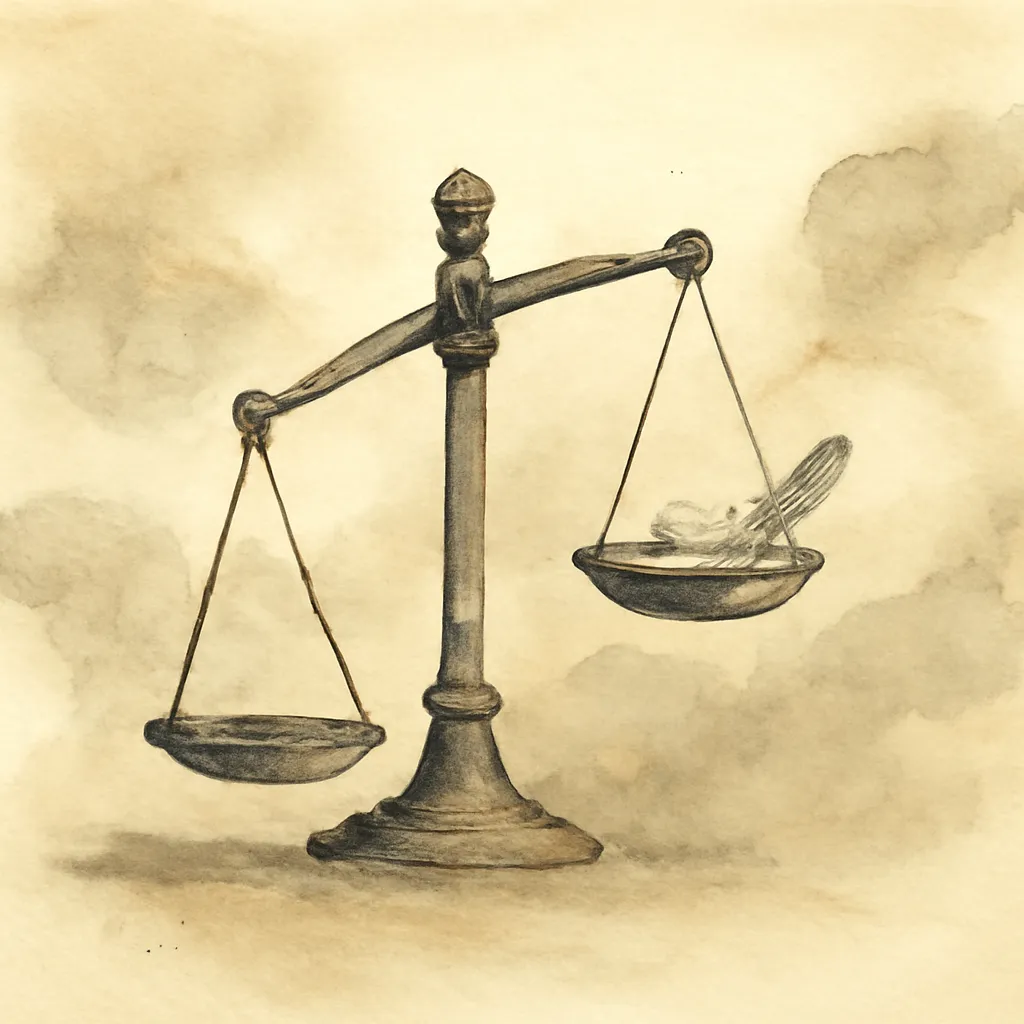
Dumas weaves a philosophical tension between human justice and divine providence. Dantès often sees himself as an agent of Providence, meting out punishment and reward. Yet, the story suggests that taking the role of fate or God is fraught with peril, and that true justice may lie beyond human grasp. The consequences of Dantès's actions force both him and the reader to grapple with the limits of moral authority and the dangers of playing judge, jury, and executioner.
4.Forgiveness and Redemption
Despite its focus on revenge, the novel ultimately gestures toward forgiveness and the possibility of redemption. As Dantès witnesses the collateral damage of his vengeance, he is forced to reconsider the path he has chosen. The narrative suggests that healing and peace come not from retribution, but from letting go and allowing love and mercy to prevail. This evolution gives the story its emotional depth and lasting resonance.
5.Social Critique and Injustice
Dumas uses Dantès's plight to critique the corruption and hypocrisy of early 19th-century French society. The legal and political systems are shown to be deeply flawed, manipulated by those in power for personal gain. The novel exposes the vulnerability of the innocent and the ease with which justice can be subverted, making a broader statement about the need for societal reform and the dangers of unchecked ambition and envy.
6.Wealth, Power, and Isolation
The immense fortune Dantès acquires enables his transformation and schemes, but it also isolates him from genuine human connection. The Count's wealth becomes both a tool and a barrier, highlighting the paradox that power can bring both freedom and loneliness. Dumas invites readers to consider what is truly valuable in life and whether material success can ever compensate for lost time, love, and innocence.