1.History Is Written by the Victors—But Not Always
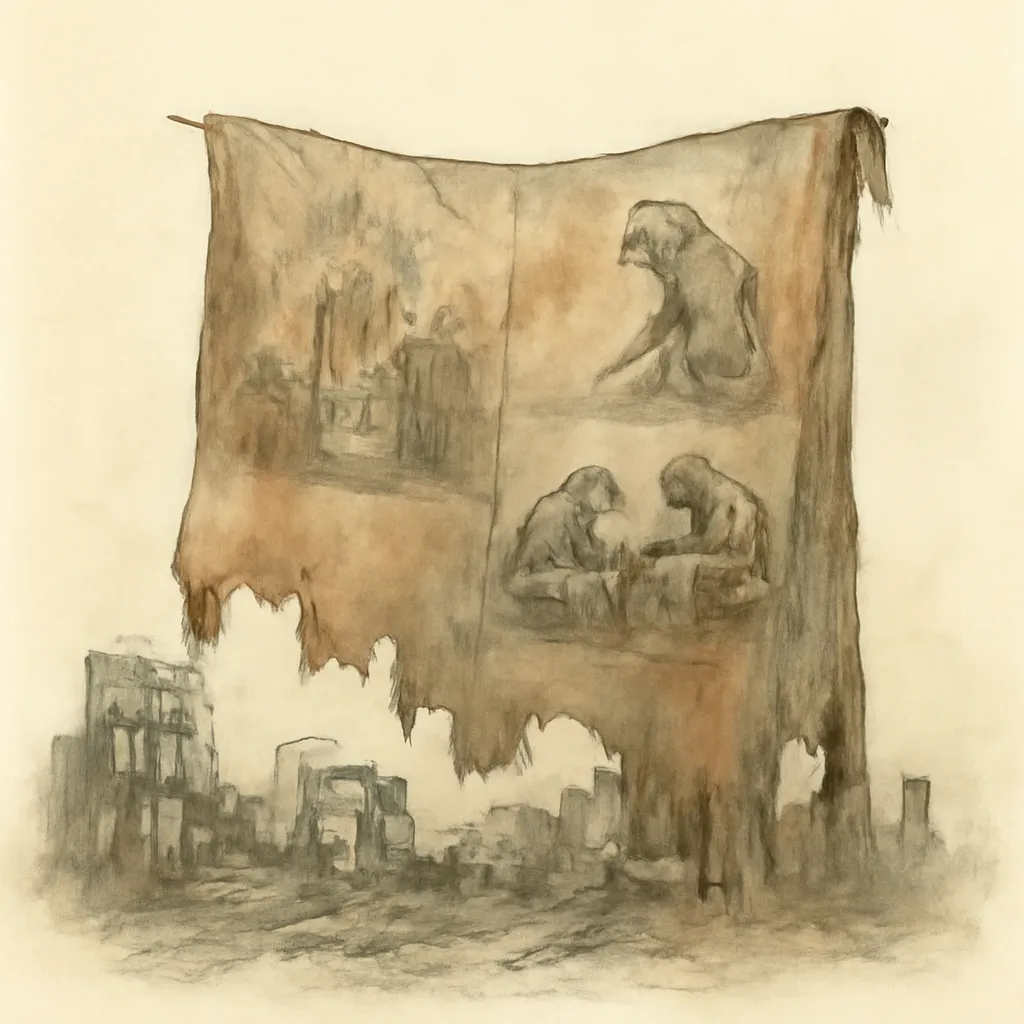
Maalouf’s central premise is that the dominant Western narrative of the Crusades is incomplete and distorting. By drawing on chronicles, letters, and accounts from Arab historians and witnesses, he reconstructs the era from the perspective of those who experienced the Crusaders as invaders. This approach not only fills in gaps but also exposes the biases and blind spots in traditional histories, reminding us that every story has multiple sides.
2.The Crusaders as 'Barbarians'
A striking feature of the Arab accounts is their depiction of the Crusaders—often called 'Franj'—as uncouth, violent, and culturally backward. Maalouf shows how the Arab chroniclers were shocked by the Crusaders’ brutality, lack of hygiene, and disregard for local customs. This reversal of the usual 'civilized West vs. barbaric East' trope forces readers to question inherited assumptions about cultural superiority.
3.Internal Divisions and Missed Opportunities
Maalouf highlights the deep political and religious divisions within the Muslim world at the time, which often proved more decisive than the Crusaders’ military prowess. Rivalries between Sunni and Shia, Arabs and Turks, and competing dynasties repeatedly undermined unified resistance. The book suggests that the ultimate success of the Crusaders was as much a result of Muslim disunity as of Western strength.
4.The Human Cost and Cultural Trauma
The book is unflinching in its portrayal of the suffering endured by ordinary people—massacres, sieges, and displacement left deep scars on the region. Maalouf argues that the memory of the Crusades became a lasting trauma in the Arab world, shaping attitudes toward the West for centuries. This legacy, he suggests, still echoes in contemporary geopolitics and intercultural relations.
5.A Different Heroism
Maalouf offers Arab figures like Saladin as models of leadership, chivalry, and pragmatism, but also shows the flaws and failures of other leaders. The book complicates the idea of heroism, showing it as a contested and context-dependent quality, not the monopoly of any one side. The Arab chroniclers’ admiration for certain Crusader leaders, and criticism of their own, adds nuance to the narrative.
6.History as Dialogue, Not Monologue
By juxtaposing the Arab and Western accounts, Maalouf encourages readers to see history as a conversation between perspectives rather than a single, authoritative story. This approach fosters empathy, critical thinking, and a deeper understanding of how collective memory is shaped—and why it matters today.