1.The Meaning of Solitude
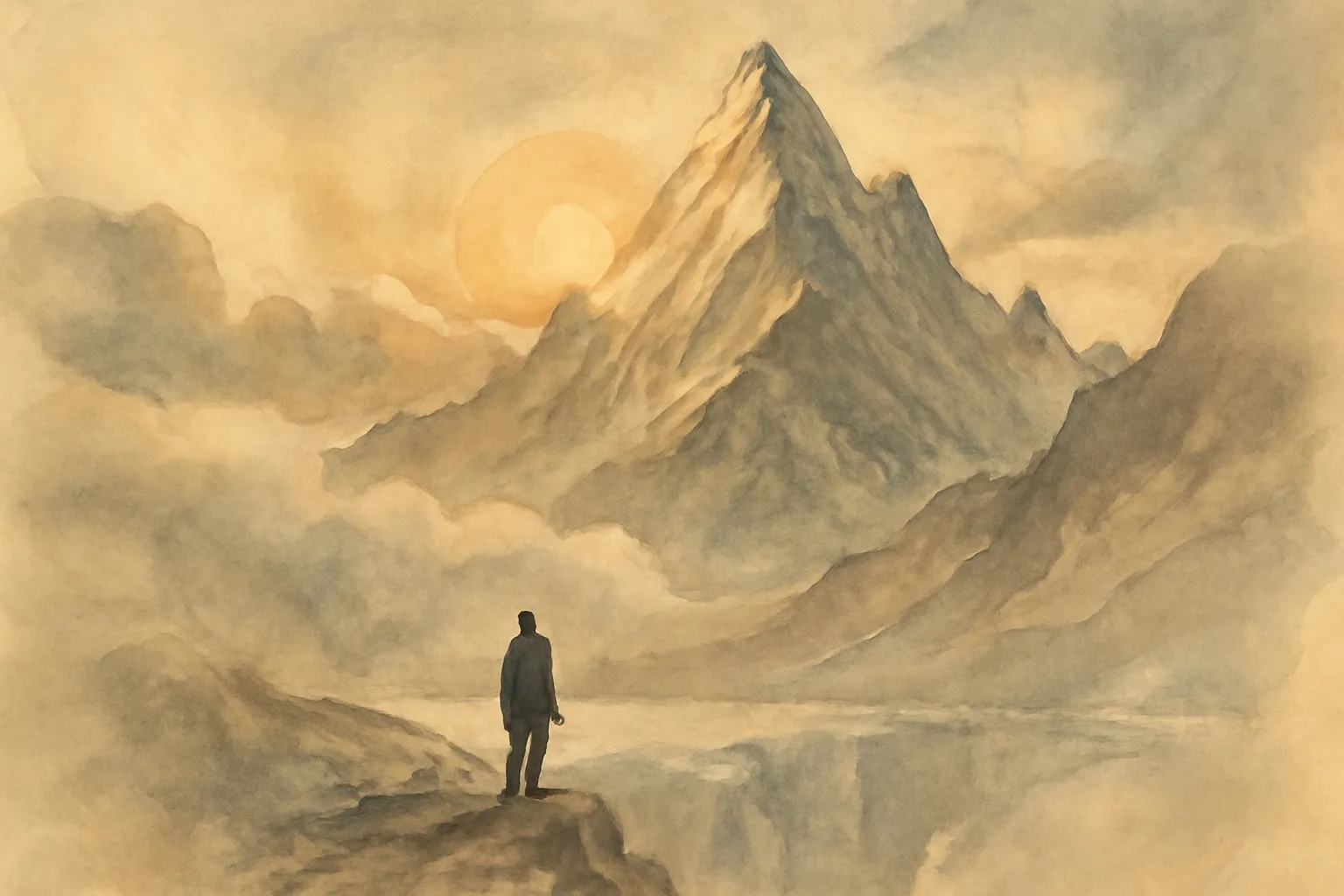
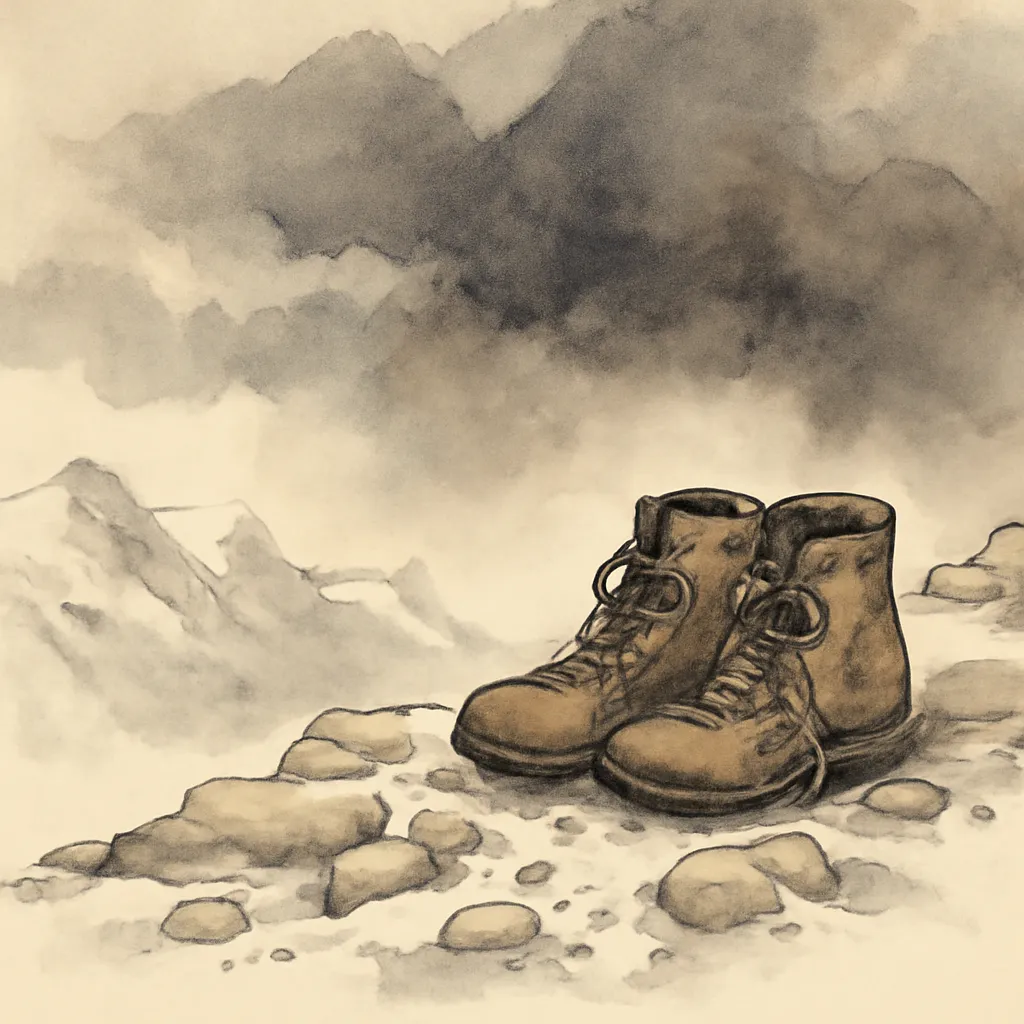
Messner’s solo ascent is more than a feat of physical endurance—it’s an exploration of what it means to be truly alone. He delves into the psychological effects of isolation at extreme altitude, where every decision and emotion is magnified. The book examines how solitude strips away social constructs, forcing the climber to confront his own fears, motivations, and limitations. Messner’s reflections reveal that solitude on Everest is both a crucible and a mirror, shaping and exposing the deepest parts of the self.
2.Redefining Human Limits
By climbing Everest solo and without supplemental oxygen, Messner challenges long-held beliefs about what is possible for the human body and mind. He meticulously describes the physical suffering, the mental clarity and hallucinations, and the razor-thin margin between life and death. The narrative pushes readers to consider how much of our perceived limits are self-imposed, and how extreme environments can unlock previously unimagined reserves of strength and resilience.
3.The Ethics and Philosophy of Adventure
Messner grapples with the meaning and morality of extreme adventure. He questions the value of risk, the allure of records, and the responsibilities climbers hold—to themselves, to their loved ones, and to the mountain itself. The book is laced with philosophical musings about why humans seek out danger and what, if anything, is gained from pushing so close to the edge. Messner’s honest self-examination invites readers to reflect on their own motivations for pursuing challenge.
4.The Mountain as a Living Presence
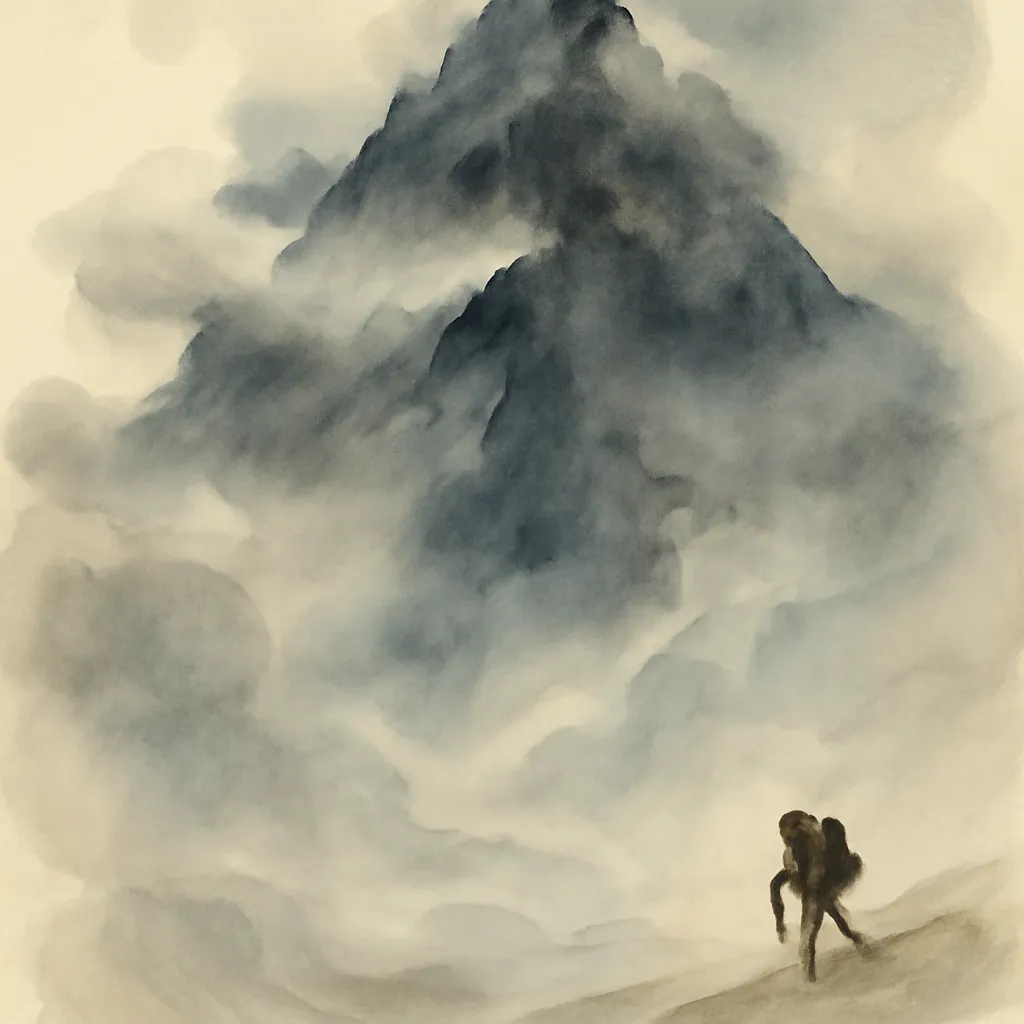
Everest is not just a backdrop but a powerful character in Messner’s narrative. He describes the mountain’s moods, dangers, and beauty with reverence and awe, emphasizing its indifference to human ambition. This perspective challenges the notion of conquest and instead frames climbing as a negotiation or dialogue with nature. Messner’s respect for the mountain underscores a broader environmental and spiritual message about humility and coexistence.
5.The Role of Memory and Narrative
Messner is acutely aware that his story is shaped not just by what happened, but by how he remembers and recounts it. The book weaves together diary entries, retrospective analysis, and philosophical digressions, highlighting the interplay between lived experience and storytelling. This self-consciousness adds depth to the narrative, suggesting that the meaning of adventure is constructed as much in reflection as in action.
6.The Psychological Toll of Obsession
Messner’s drive to attempt the impossible is portrayed as both inspirational and deeply taxing. He acknowledges the sacrifices—personal, emotional, and physical—that come with obsession. The book candidly explores the costs of single-minded ambition, including the strain on relationships and the ever-present specter of mortality.