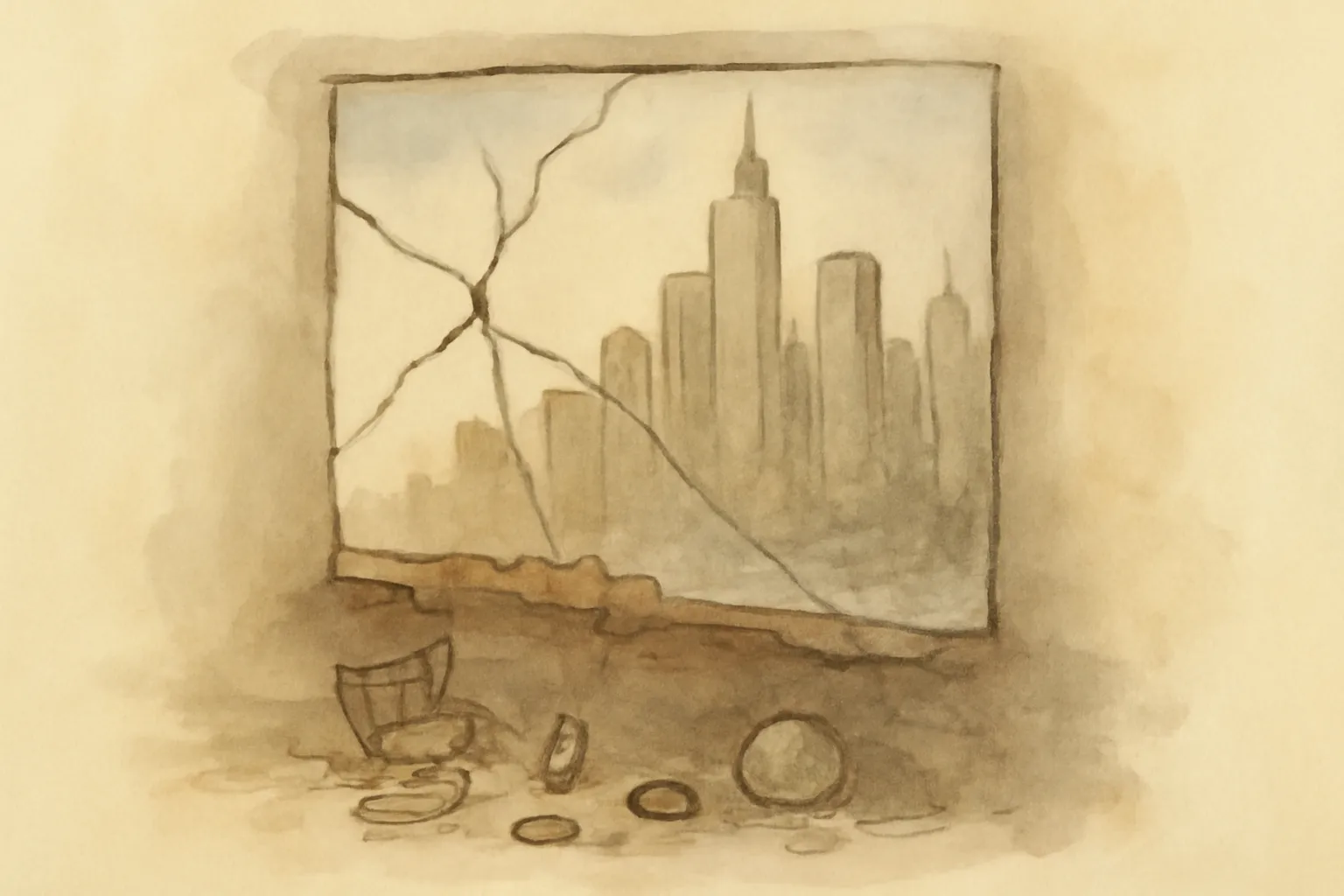
1.The Erosion of the Protestant Ethic
Bell argues that capitalism was historically grounded in the Protestant ethic—a value system emphasizing discipline, hard work, and deferred gratification. These values provided the moral foundation for rational economic behavior and social order. However, as capitalism matured, its own success undermined this ethic. The pursuit of pleasure, leisure, and instant gratification began to replace self-restraint, leading to a cultural shift that threatens the very system it once enabled.
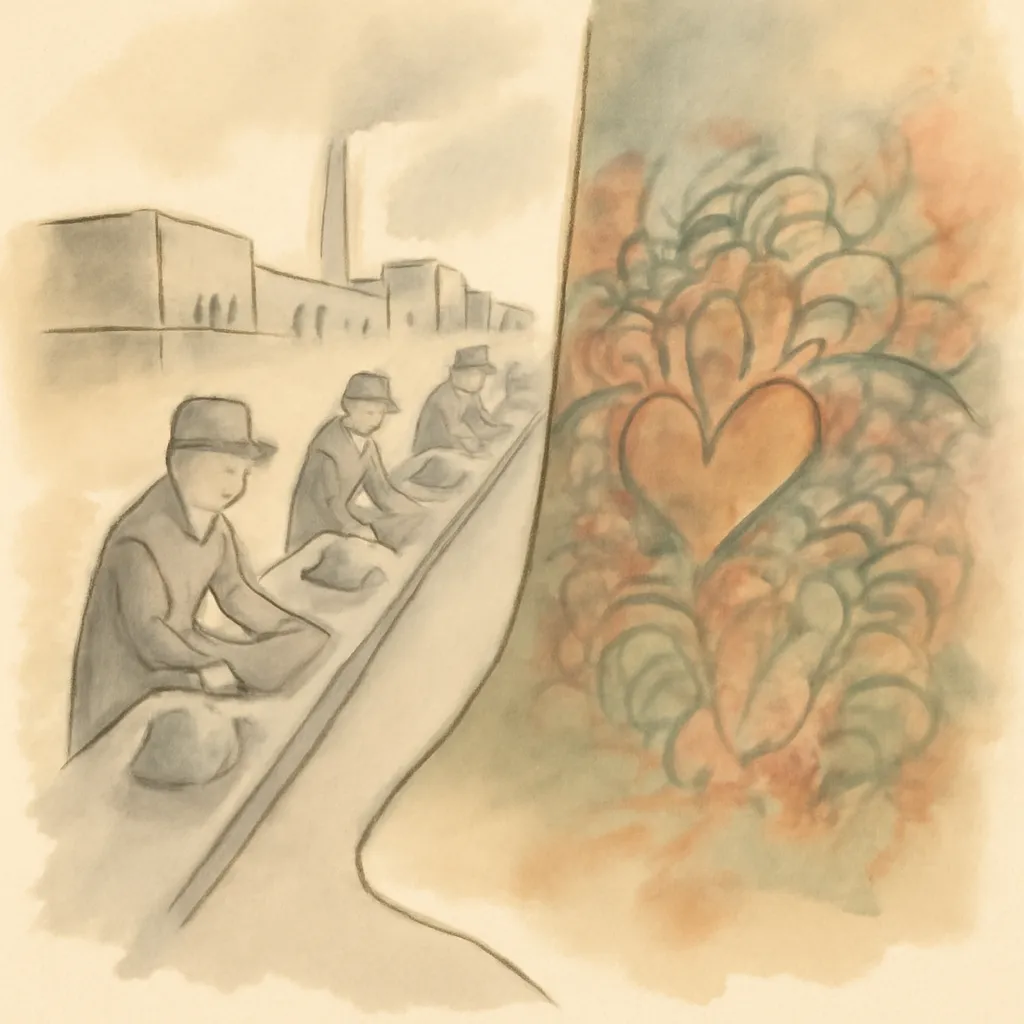
2.The Split Between Economic and Cultural Spheres
Bell identifies a growing disconnect between the economic structure of capitalism and the culture it produces. While the economy demands rationality, efficiency, and planning, the culture—especially in its postwar, consumerist form—emphasizes self-expression, individualism, and hedonism. This divergence creates social tensions and undermines the coherence necessary for stable social life.
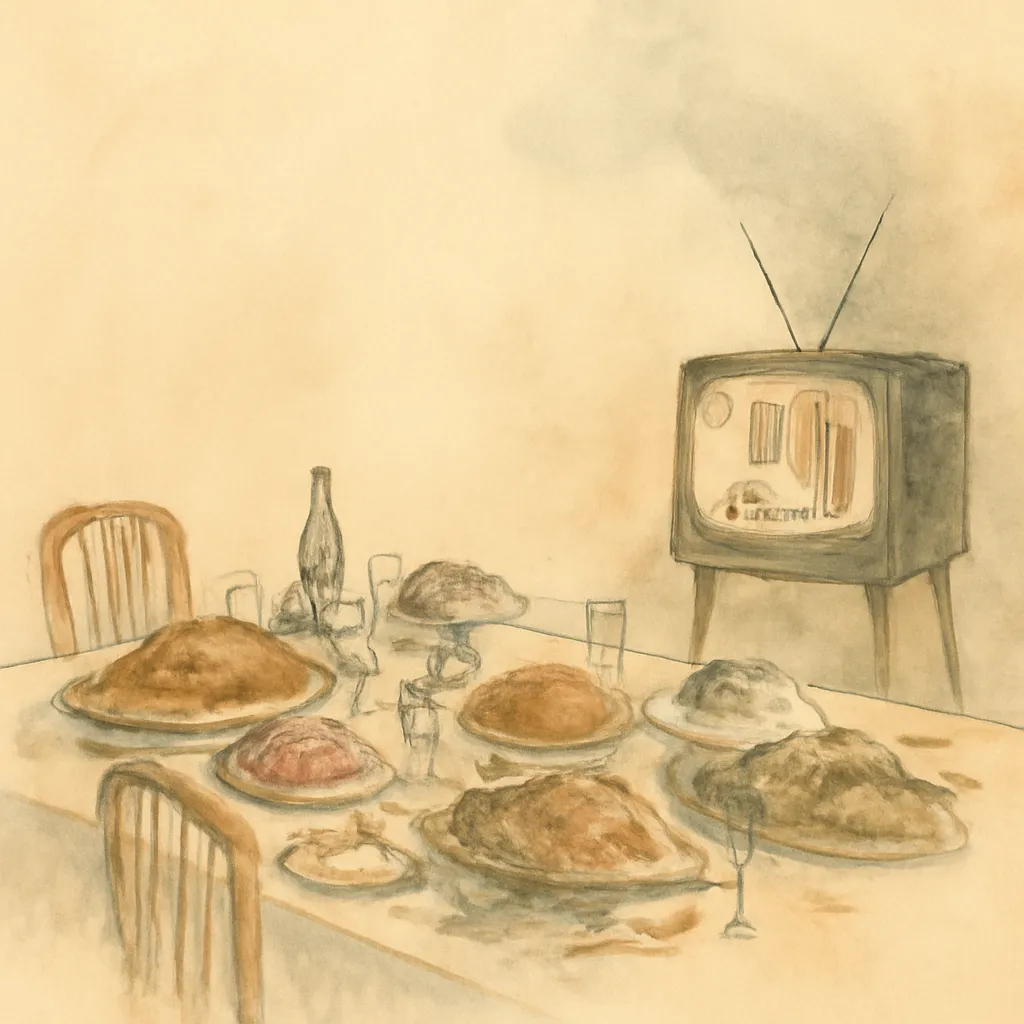
3.The Rise of Consumerism and Hedonism
The book details how postwar affluence and mass media fueled a culture of consumption, where the pursuit of novelty and pleasure became central. Advertising and entertainment industries promote endless desire, eroding traditional norms and encouraging a sense of entitlement. Bell sees this as a fundamental contradiction: capitalism’s economic engine requires discipline, but its cultural superstructure promotes indulgence.
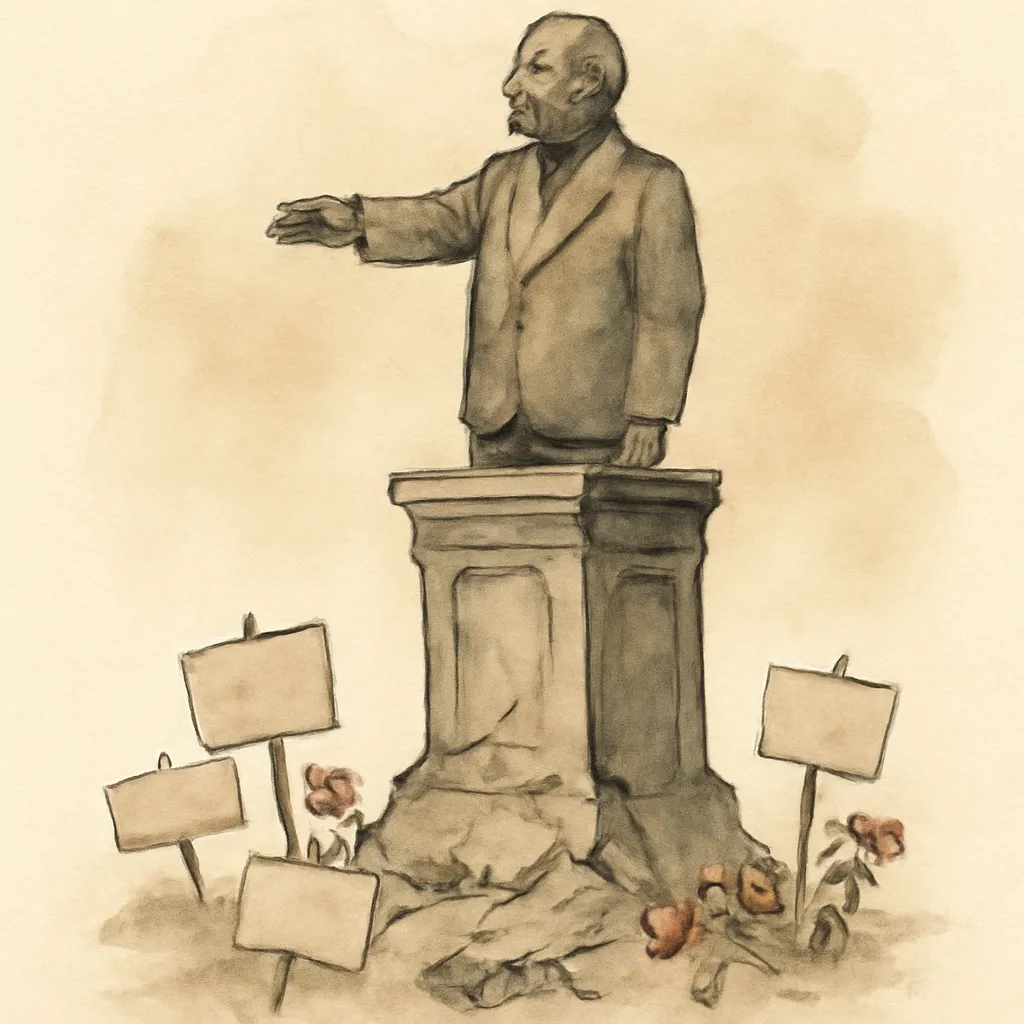
4.The Crisis of Legitimacy
As the cultural foundations of capitalism weaken, Bell warns of a legitimacy crisis. Institutions—political, economic, and social—struggle to command respect or adherence because the shared values that once bound society together are fraying. This crisis manifests in political polarization, cynicism, and a loss of faith in authority, threatening social cohesion.
5.The Role of Intellectuals and the Arts
Bell examines how intellectuals and artists, once defenders of moral order, have become critics or even adversaries of bourgeois society. Avant-garde movements and cultural radicalism challenge established norms, sometimes celebrating transgression for its own sake. This further accelerates the cultural contradictions at the heart of advanced capitalism.
6.The Limits of Technocratic Solutions
Bell is skeptical that purely technical or managerial fixes can resolve these contradictions. While economic and political systems can be adjusted, the deeper cultural tensions require a rethinking of values and purposes. Without a renewed moral vision, he suggests, capitalism risks undermining itself from within.