1.Culture as Industry, Not Art
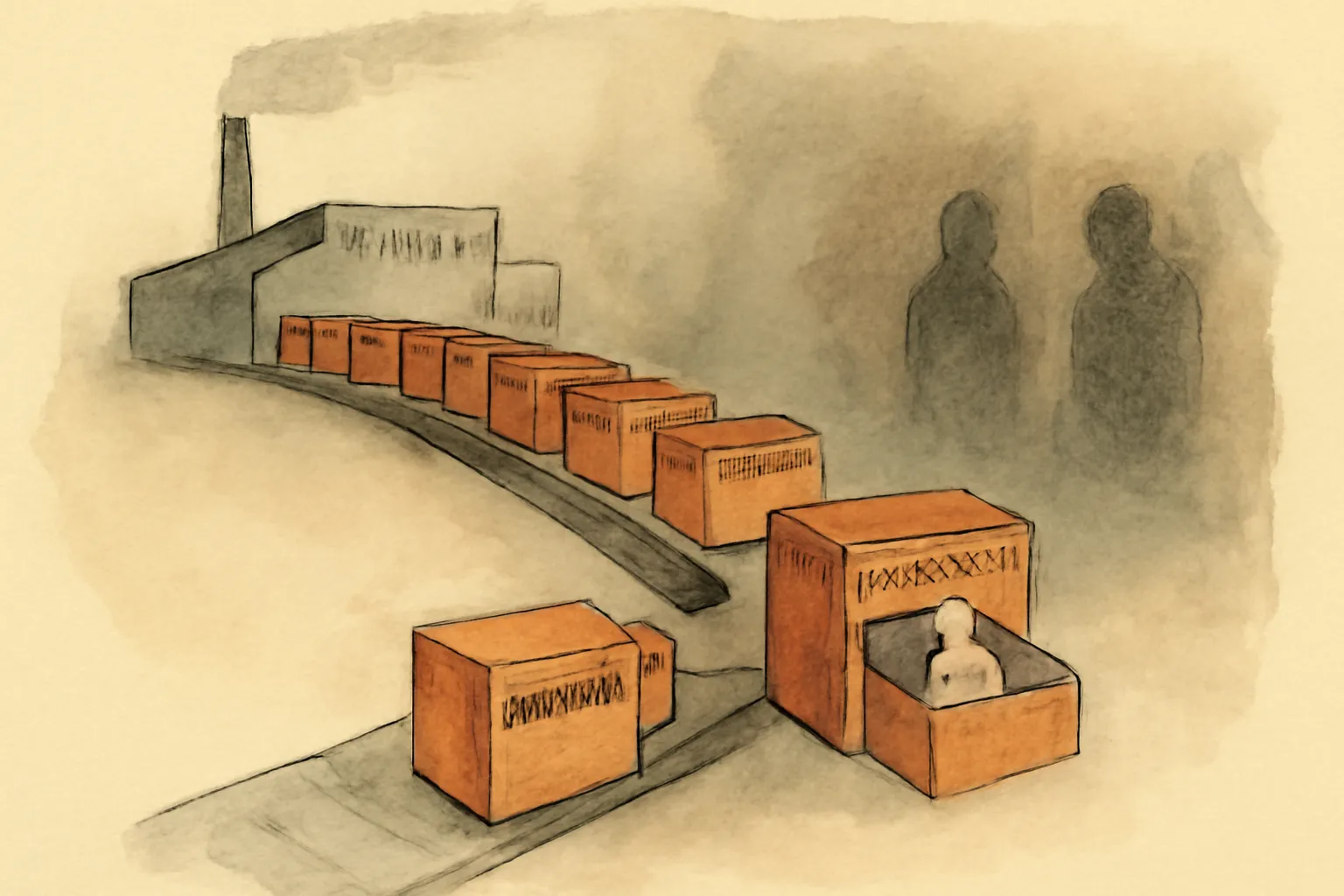
Adorno argues that what we often call 'culture'—movies, radio, pop music—is no longer the realm of independent creativity but has become an industry. This industrialization means cultural products are standardized, produced for profit, and designed to appeal to the broadest audience. As a result, culture loses its critical edge and becomes another commodity, stripped of the power to challenge or provoke real thought.
2.Standardization and Pseudo-Individuality
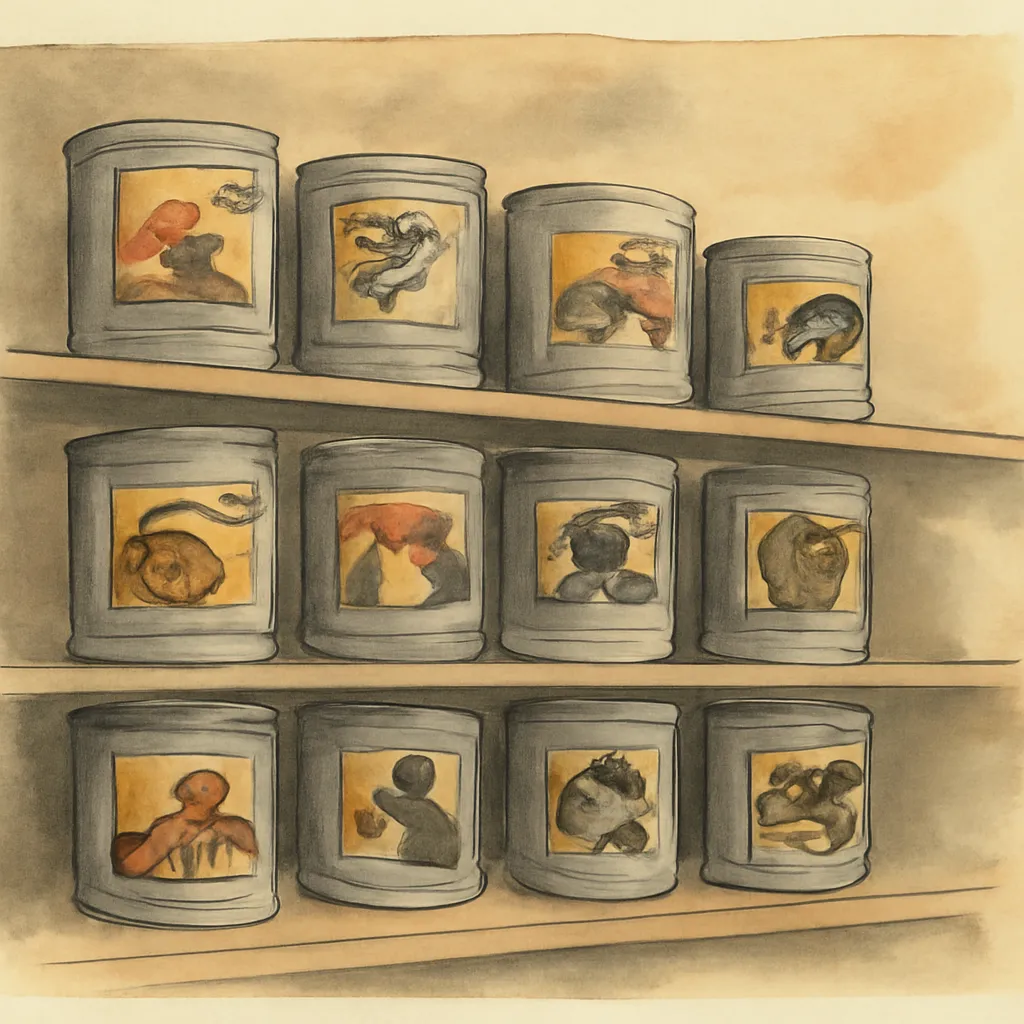
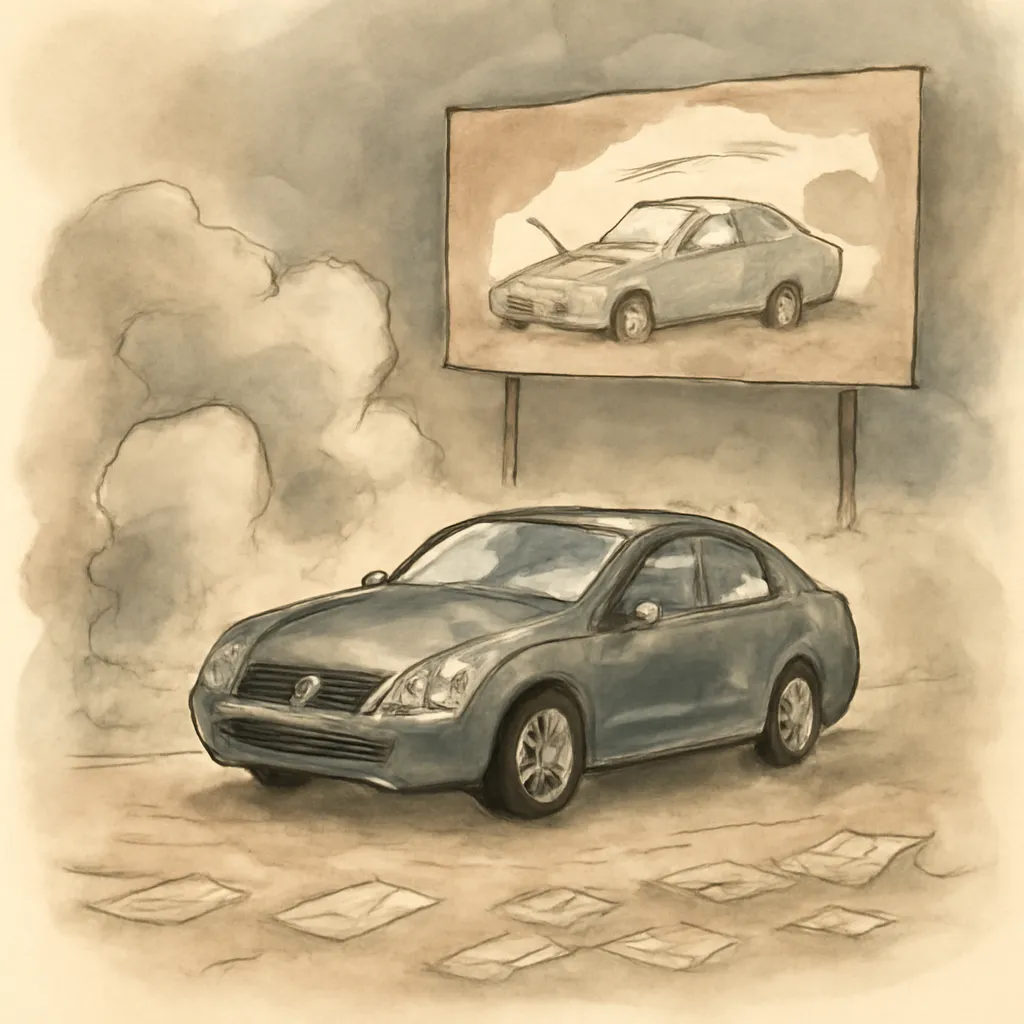
A core insight is that cultural products appear diverse but are built on the same formulas. Whether it's a pop song or a Hollywood blockbuster, the differences are superficial. Adorno calls this 'pseudo-individuality'—the illusion of choice and uniqueness, when in fact, the options are all variations on the same template. This standardization dulls our capacity for critical engagement and genuine self-expression.
3.Entertainment as Social Control
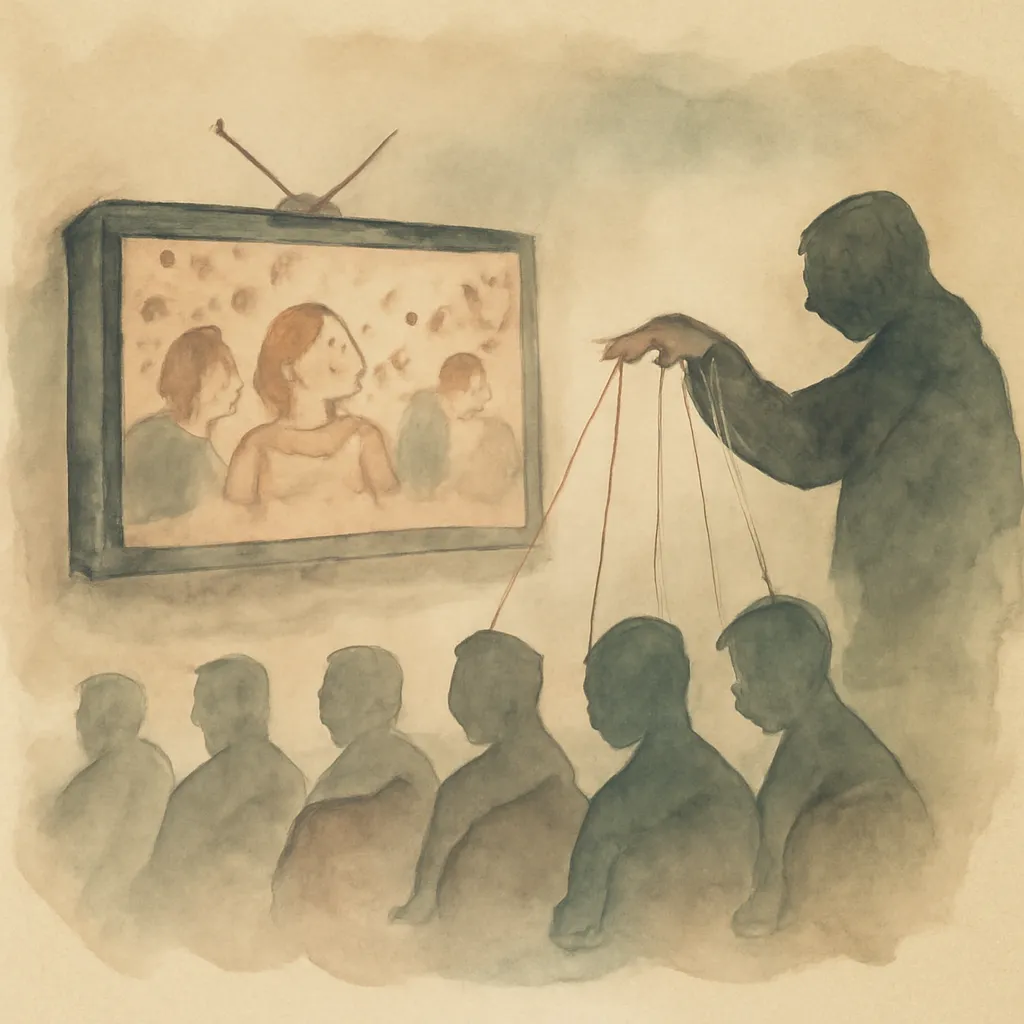
Adorno contends that the cultural industry serves as a tool for social control. By flooding society with distracting entertainment, it pacifies the masses, discouraging dissent and critical thinking. People become passive consumers rather than active participants in society, accepting the status quo because it is constantly reinforced through pleasurable distractions.
4.False Needs and Manufactured Desire
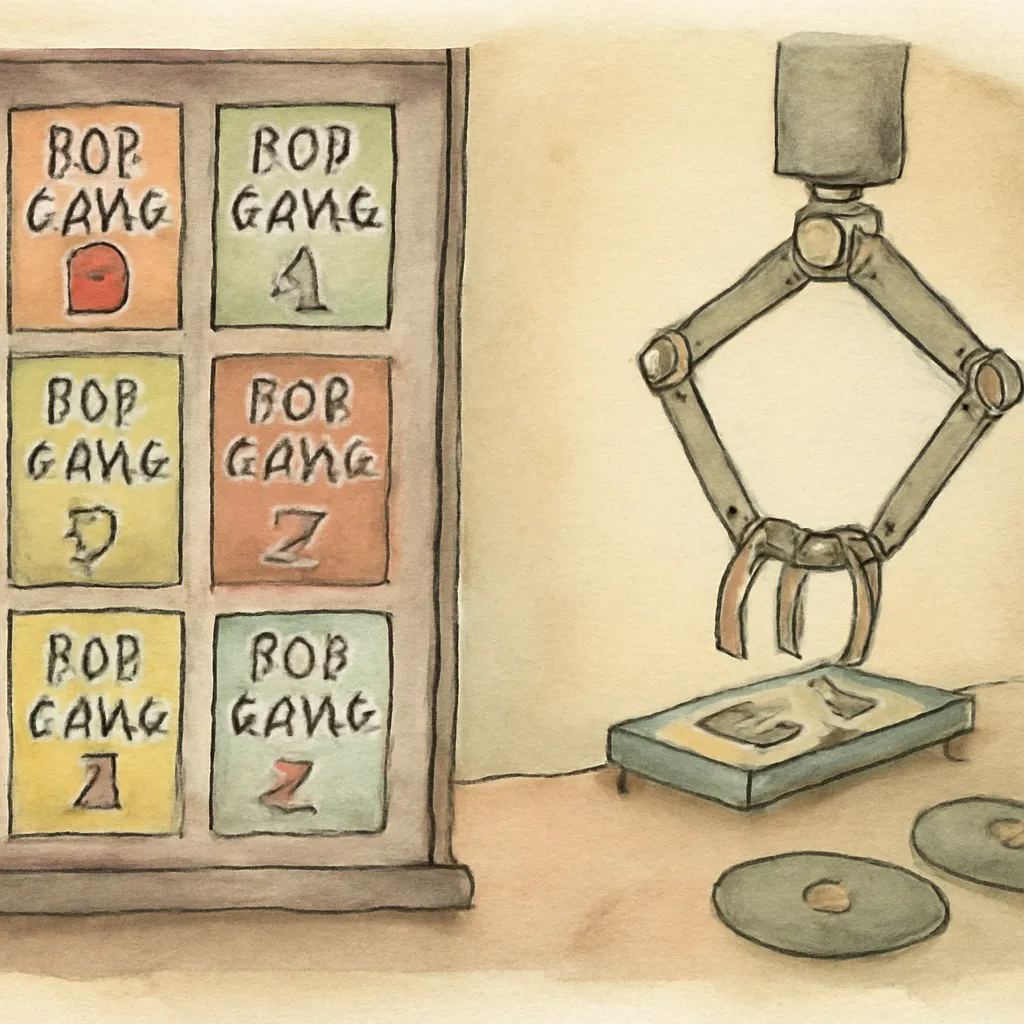
The book explores how the industry creates 'false needs'—desires implanted by advertising and media, rather than arising from real human fulfillment. By shaping what people think they want, the industry keeps them dependent on its products. This cycle of manufactured desire ensures ongoing consumption and reinforces the power of those who control cultural production.
5.Loss of Critical Distance
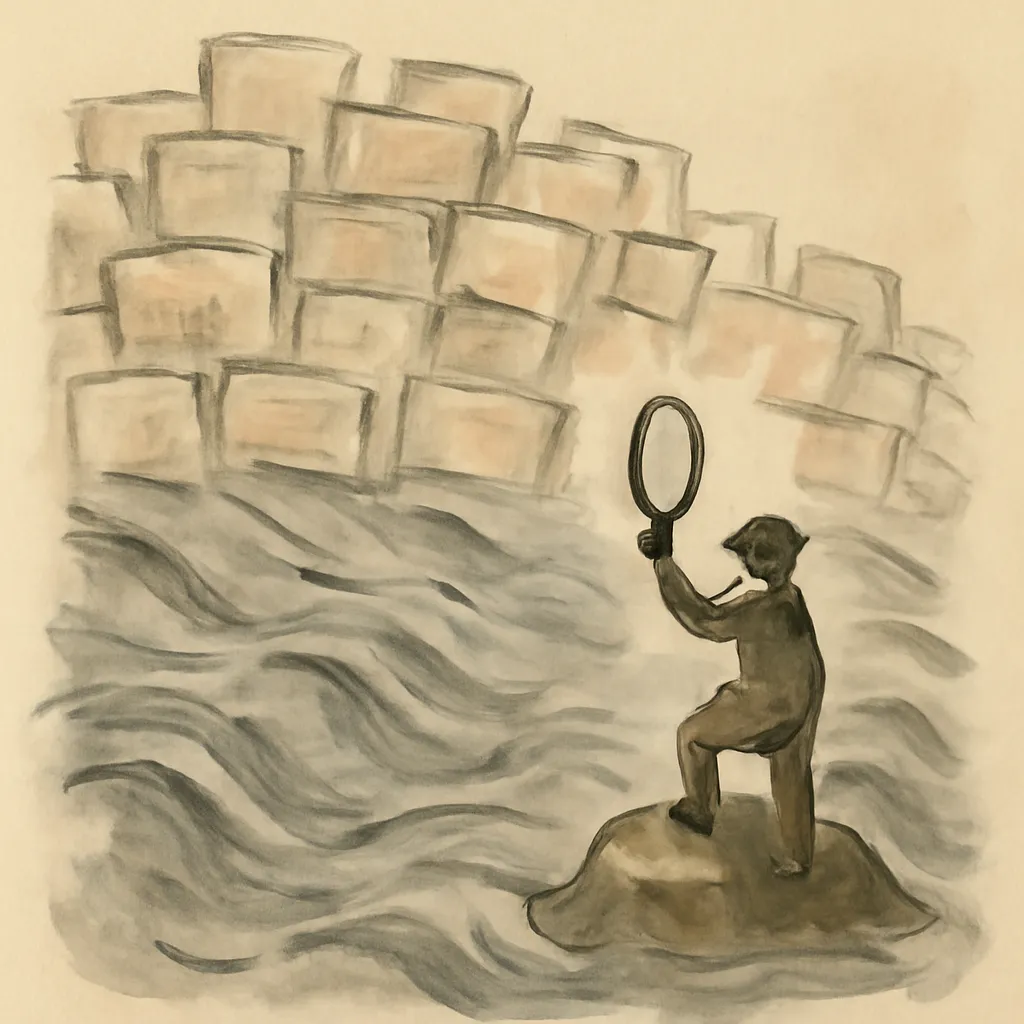
Adorno warns that the constant barrage of entertainment erodes our ability to step back and reflect critically. When culture is omnipresent and homogenized, audiences lose the distance needed to question or resist its messages. This leads to a society where people are less likely to challenge authority or imagine alternatives to the existing order.
6.Art's Potential for Emancipation
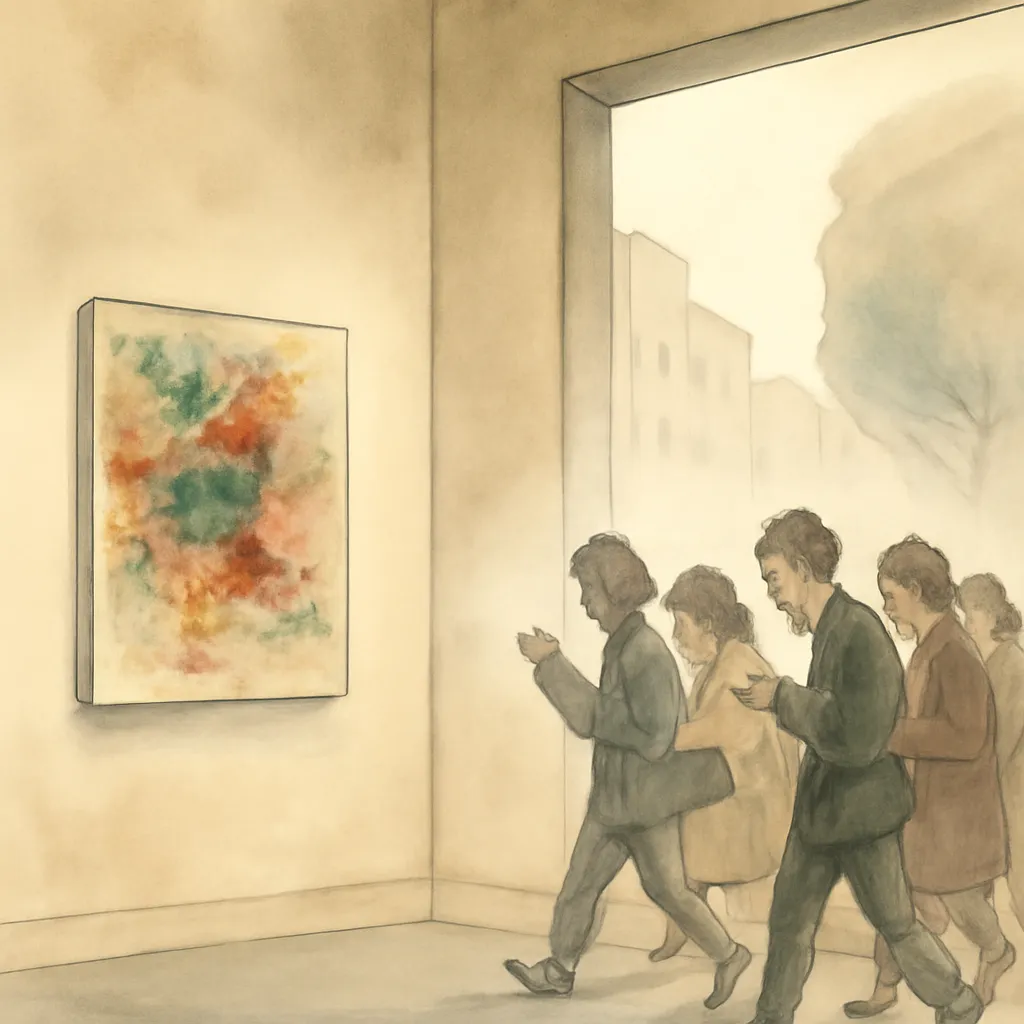
Despite his critique, Adorno believes that true art—uncompromised by commercial pressures—can still offer resistance. Authentic art disrupts expectations and provokes thought, helping individuals recognize their own alienation and imagine new possibilities. The cultural industry, however, works to neutralize this potential by assimilating even rebellious forms into its machinery.