1.The Power of Symbols and Codes
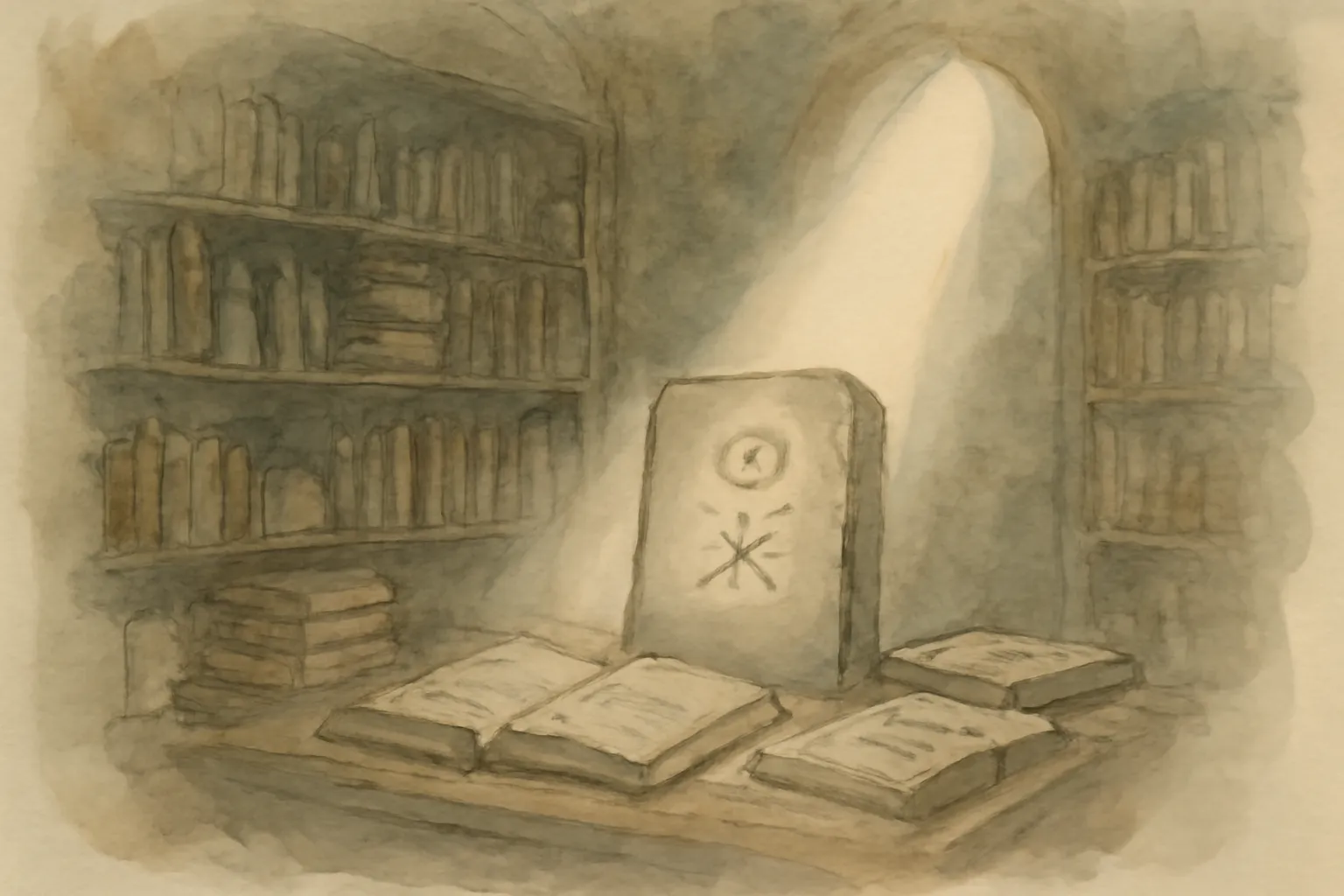
Central to the novel is the idea that symbols, codes, and hidden messages shape our understanding of history and faith. Through the protagonist Robert Langdon, a symbologist, the book explores how meaning is constructed and how those in power can use or manipulate symbols to influence belief systems. The story’s puzzles and riddles are not just plot devices; they embody the novel’s fascination with the layers of meaning beneath the surface of art, religion, and language.
2.Questioning Historical Narratives
The Da Vinci Code challenges the reader to reconsider the 'official' versions of history, especially regarding Christianity’s origins. By suggesting that powerful institutions have suppressed alternative narratives—such as the relationship between Jesus and Mary Magdalene—the book taps into a broader cultural skepticism about authority and the reliability of historical records. It asks readers to think critically about who writes history and whose interests are served.
3.Faith Versus Evidence
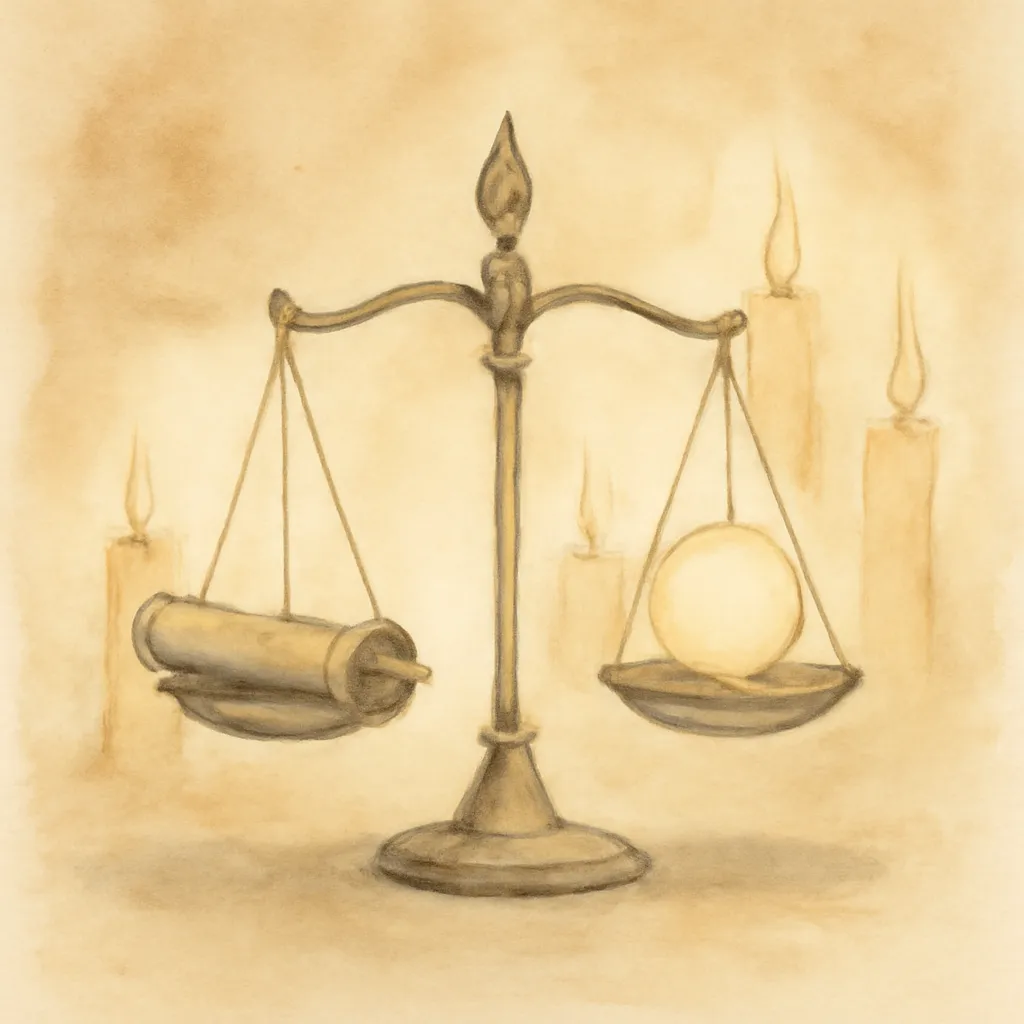
Throughout the novel, characters grapple with the tension between faith and empirical evidence. The plot’s central mystery blurs the line between spiritual belief and historical fact, forcing both the characters and readers to confront uncomfortable questions about the foundations of faith. The story suggests that belief and skepticism are not mutually exclusive, and that questioning can be a path to deeper understanding.
4.The Allure of Secret Societies
Secret societies like the Priory of Sion and Opus Dei provide the engine for much of the novel’s intrigue. Brown uses these shadowy organizations to explore humanity’s fascination with the hidden and the forbidden, as well as the lengths to which people will go to protect or uncover secrets. This theme resonates with readers’ curiosity about what lies beneath the surface of accepted reality.
5.Women and the Sacred Feminine
A significant thread in the novel is the idea that the sacred feminine has been marginalized by patriarchal institutions. Through the character of Sophie Neveu and the reinterpretation of Mary Magdalene’s role, the book highlights the erasure of women’s influence in religious history. This theme invites readers to reconsider the gender dynamics at play in both historical and contemporary faith traditions.
6.The Intersection of Art and Mystery
Art, especially the works of Leonardo da Vinci, is not just a backdrop but a key player in the narrative. The novel’s puzzles are often embedded in famous artworks, underscoring the idea that art can be both a repository of hidden truths and a catalyst for revelation. This interplay between visual art and narrative mystery adds depth and texture to the reading experience.