1.The Faustian Bargain Reimagined
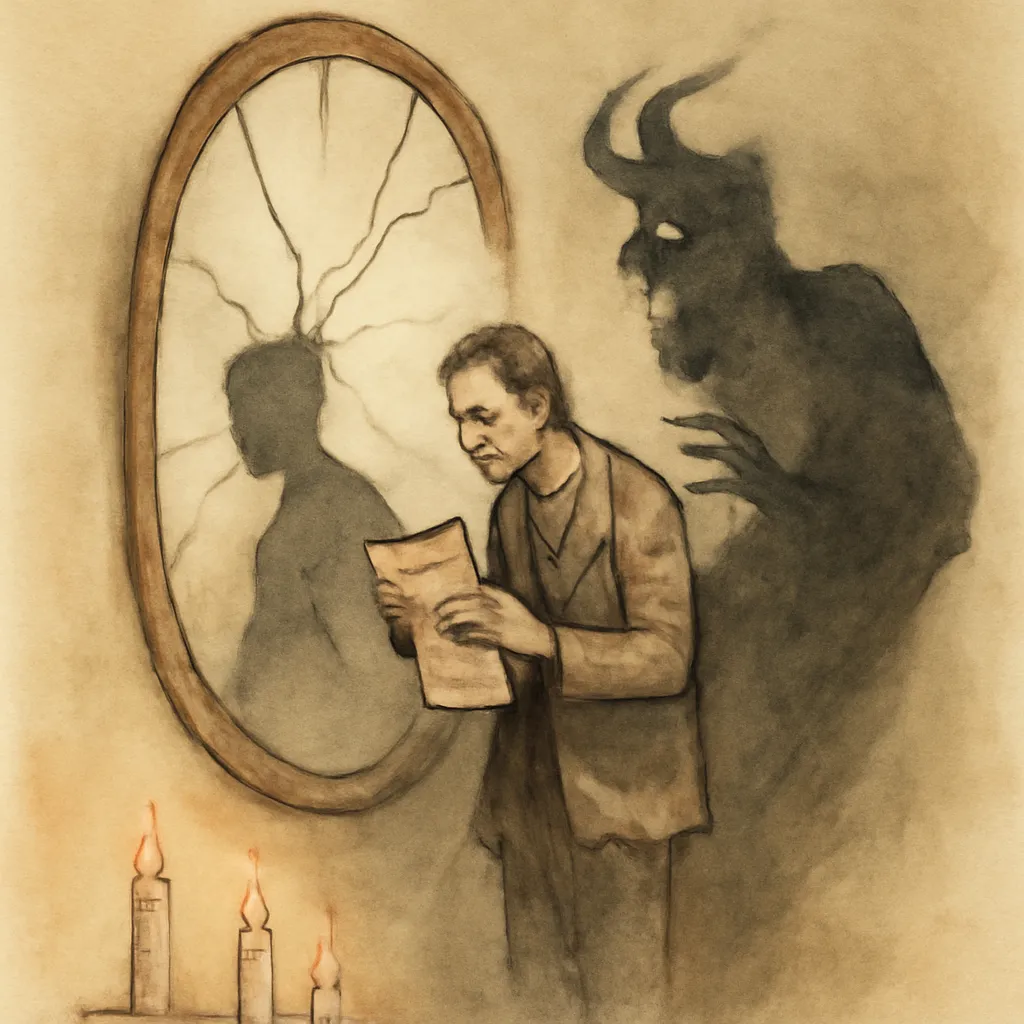
At its core, The Damnation Game is Barker’s modern take on the Faustian legend—what happens when someone trades their soul for earthly gain. The novel explores the consequences of such a bargain not just for the individual who makes it, but for everyone drawn into its orbit. Barker complicates the familiar trope by delving into the psychology of both the tempter and the tempted, showing how damnation is a contagion that spreads through relationships, power, and desire.
2.Addiction and Self-Destruction
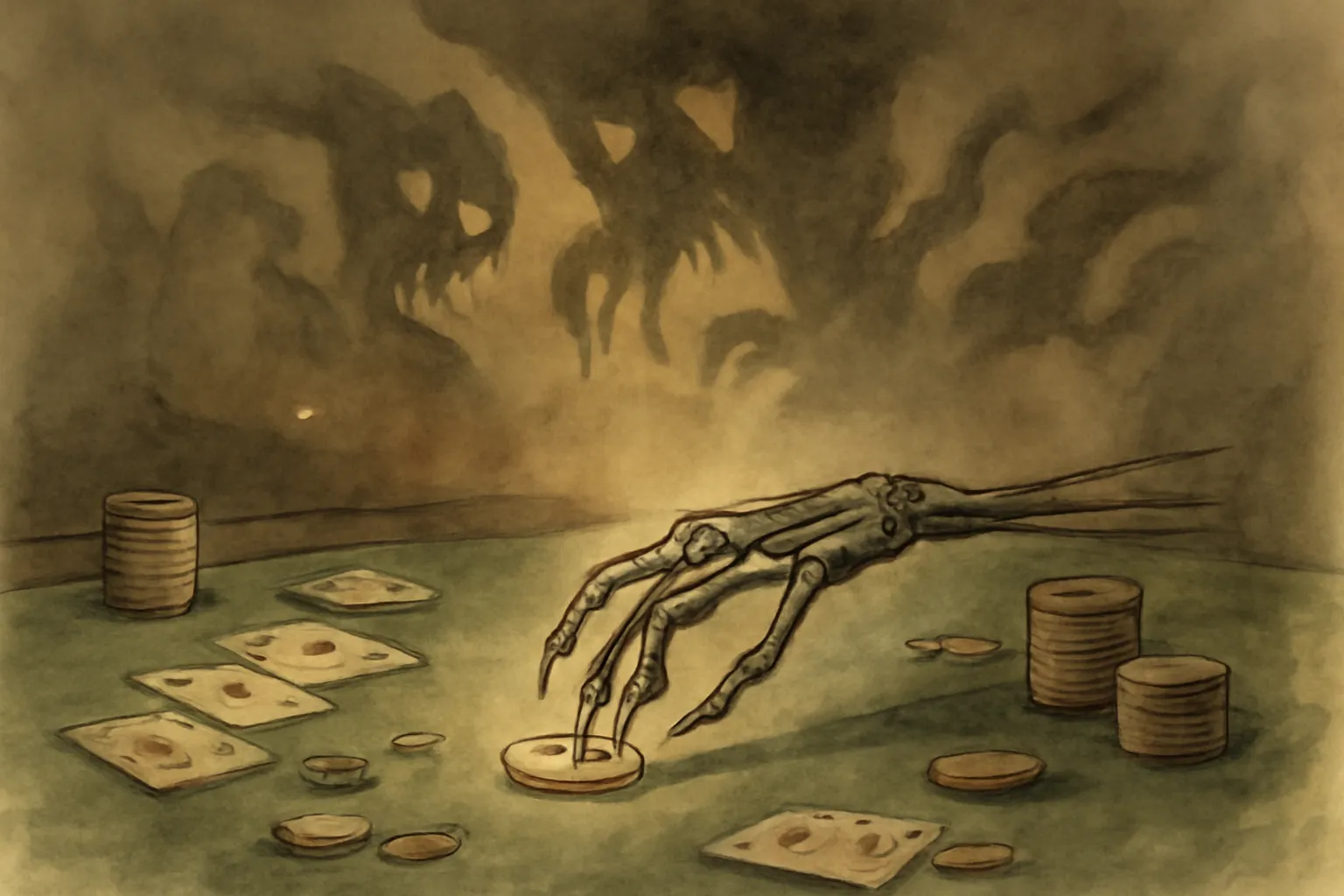
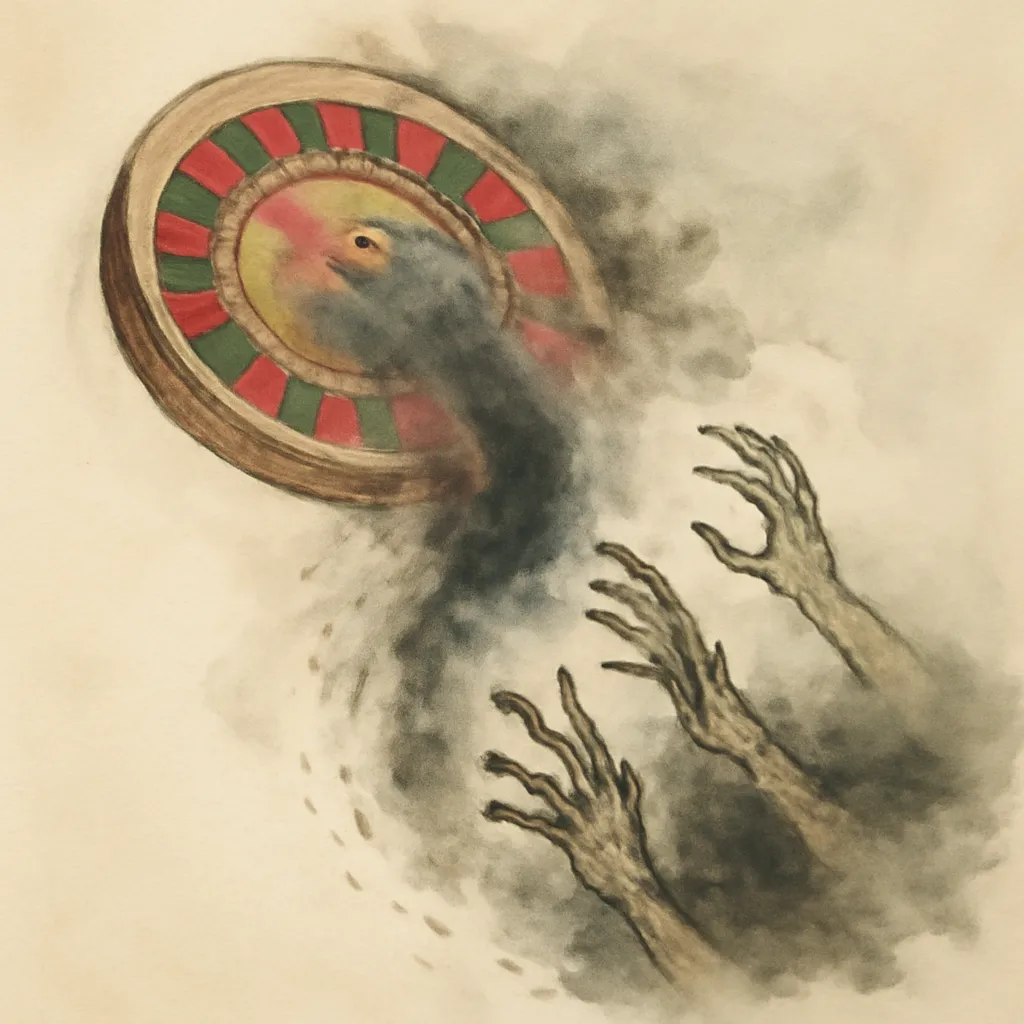
Barker’s protagonist, Marty Strauss, is a gambling addict whose personal demons mirror the larger supernatural evils at play. The novel draws strong parallels between addiction and the lure of forbidden knowledge or power, suggesting that self-destruction is both a personal failing and a societal curse. Barker uses addiction as a metaphor for the ways people become complicit in their own downfall, making the horror deeply intimate.
3.The Nature of Evil
Rather than presenting evil as a simple, external force, Barker’s narrative probes its origins within human desire and frailty. The antagonist, Mamoulian, is not just a supernatural villain, but an embodiment of temptation, decay, and the refusal to accept mortality. The book asks whether evil is a cosmic principle or a reflection of human weakness, and whether redemption is ever truly possible.
4.Body Horror and the Limits of Flesh
The Damnation Game is notable for its graphic, transgressive imagery. Barker uses body horror not just for shock, but to explore the limits of the flesh and the terror of transformation. The grotesque acts as a metaphor for the corruption of the soul and the inescapability of physical decay, making the horror both literal and existential.
5.Redemption and Sacrifice
Despite its bleakness, the novel offers glimpses of hope through the possibility of sacrifice and redemption. Characters are forced to confront their past actions and make choices that may allow them to reclaim some measure of humanity. Barker suggests that even in a world saturated with evil, moments of grace and selflessness can still matter.
6.Atmosphere and Setting as Character
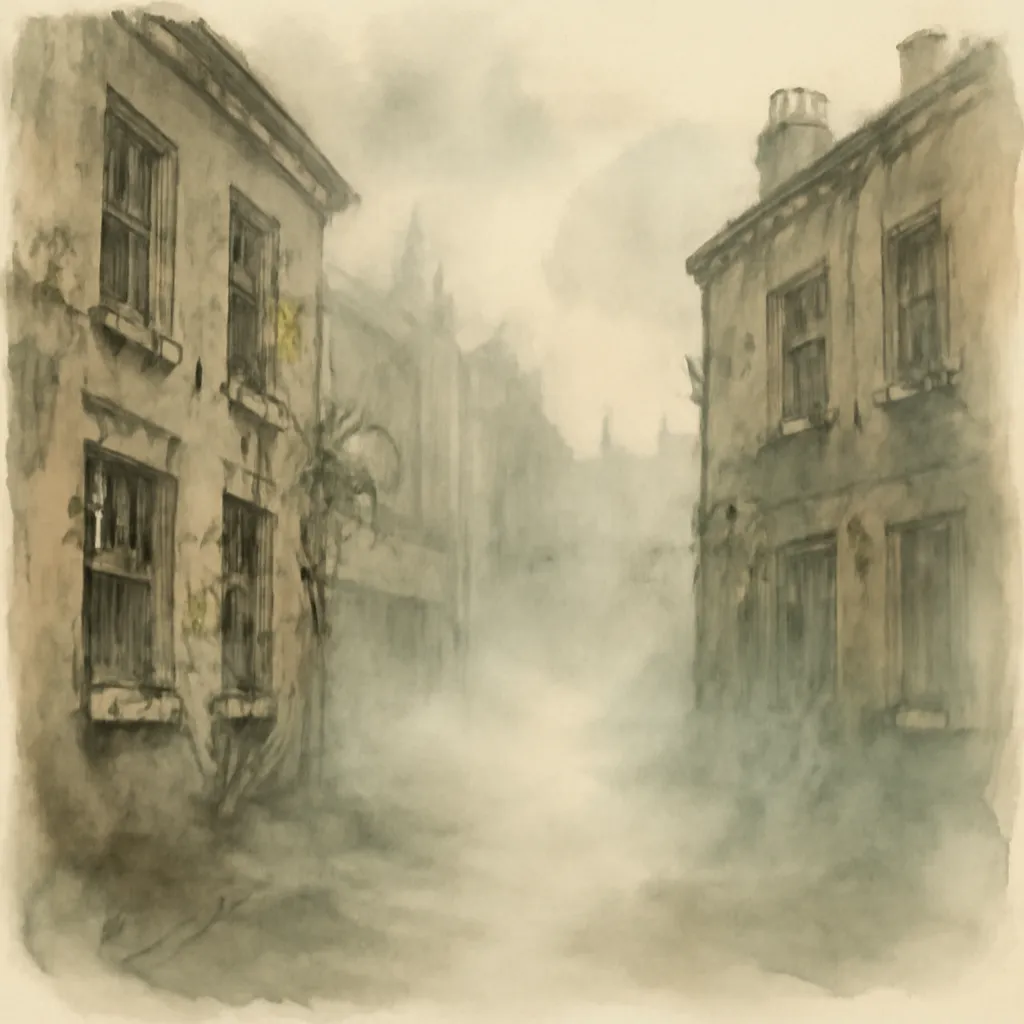
Barker’s London is a landscape of decay, luxury, and menace, reflecting the inner states of the characters. The setting is not just a backdrop, but an active participant in the story’s mood and meaning. The sense of claustrophobia, rot, and faded grandeur amplifies the novel’s themes of corruption and lost innocence.