1.Batman as a Flawed, Aging Antihero
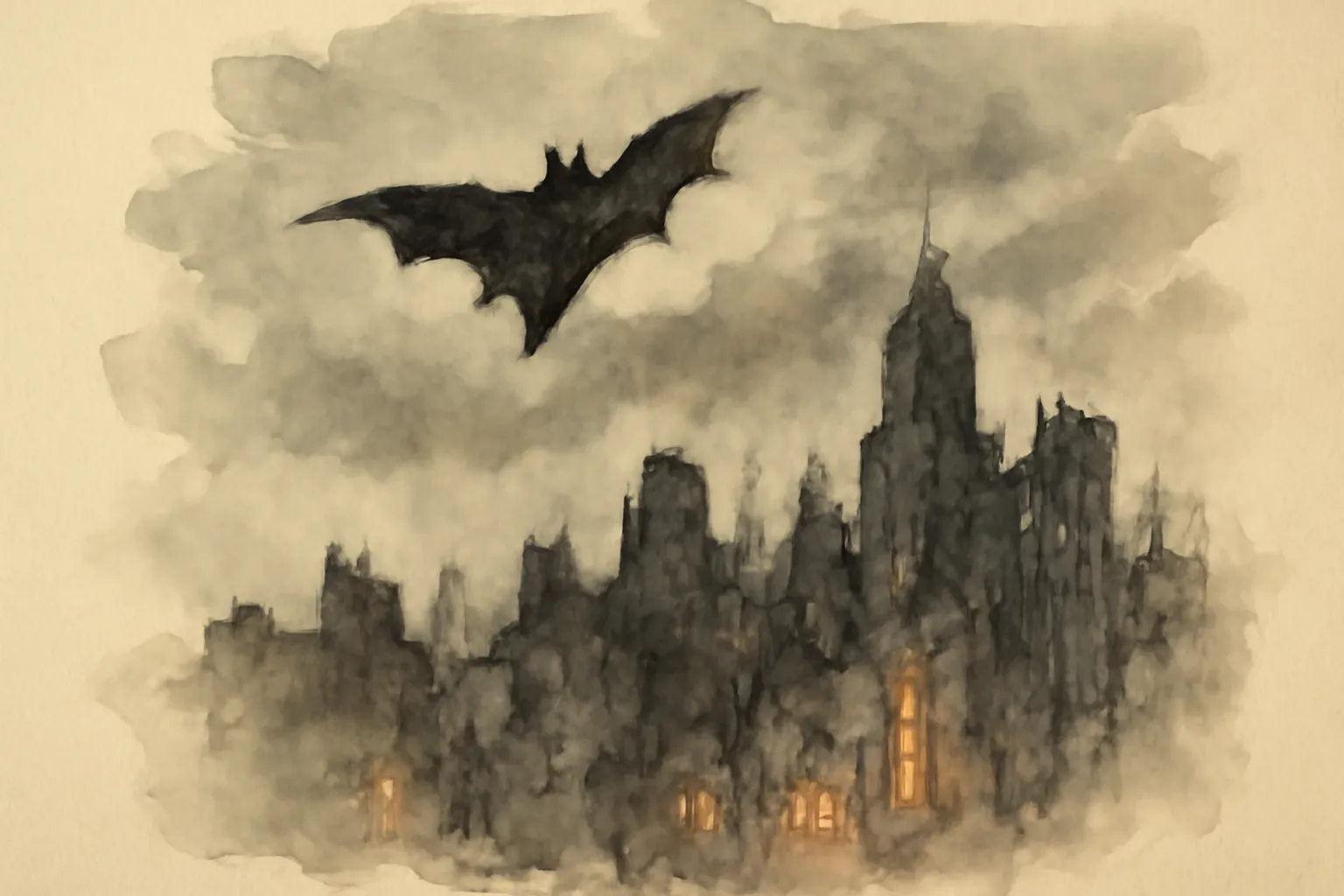
Miller’s Batman is no longer the youthful, infallible hero of earlier comics. Instead, he is a battered, psychologically complex man grappling with age, trauma, and a sense of obsolescence. This portrayal strips away the mythic certainty of the character, exposing his vulnerabilities and obsessions, and asks whether heroism is a calling or a compulsion. The story’s emotional weight comes from Bruce Wayne’s struggle to reconcile his ideals with his limitations, making Batman more human—and more tragic—than ever before.
2.A Dystopian Gotham as Social Critique
Gotham City in The Dark Knight Returns is a grim reflection of 1980s America: rife with crime, media sensationalism, and political paralysis. The city’s decay is not just a backdrop but a commentary on society’s failures, with the Mutant gang and corrupt institutions symbolizing broader anxieties about urban decline and moral ambiguity. Miller uses Gotham to question whether traditional institutions can deliver justice, or if extraordinary measures are justified when society falls apart.
3.The Media’s Role in Shaping Reality
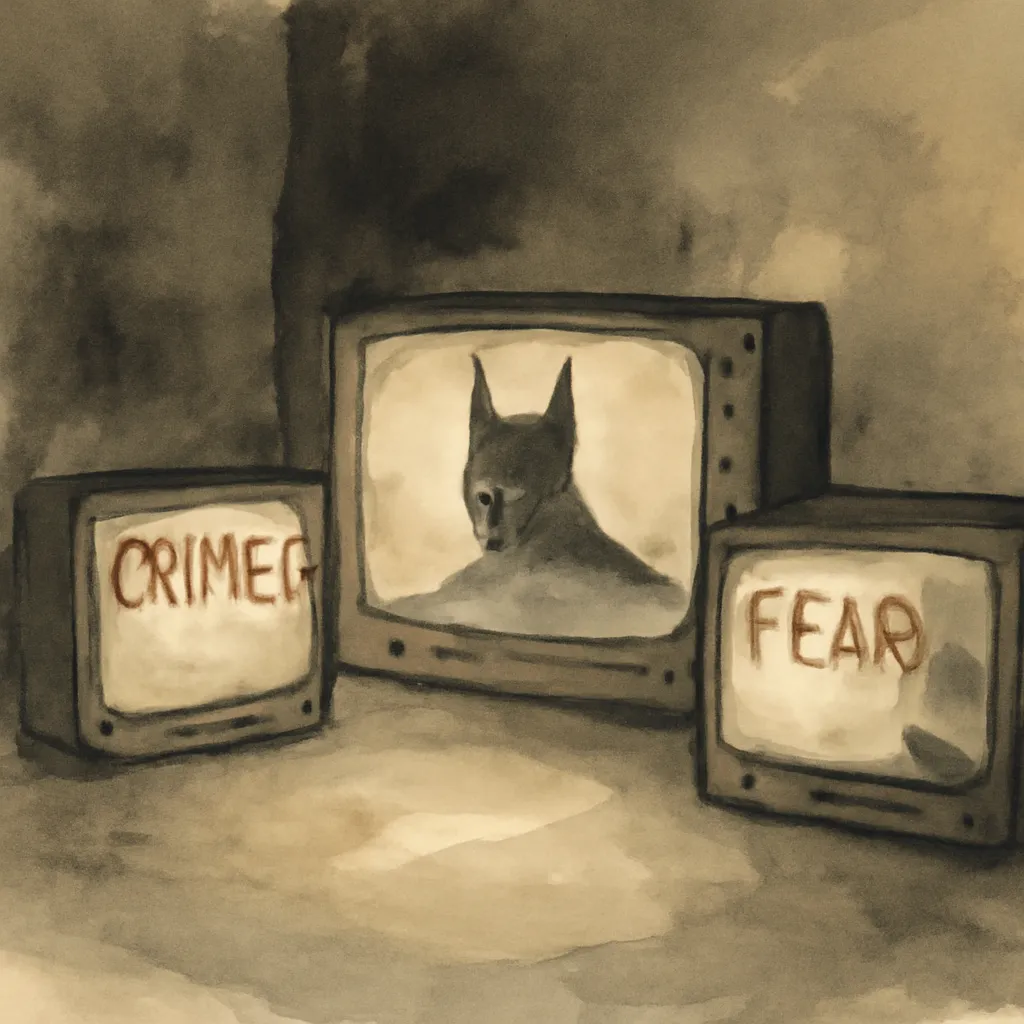
Throughout the book, television screens and pundits constantly frame the narrative, offering conflicting interpretations of Batman’s actions. This motif satirizes the media’s power to manipulate public perception and highlights the ambiguity of truth in a world saturated by opinion and spectacle. Miller’s use of media panels is both a storytelling device and a critique of how heroes and villains are constructed in the public eye.
4.Batman vs. Superman: Ideological Clash
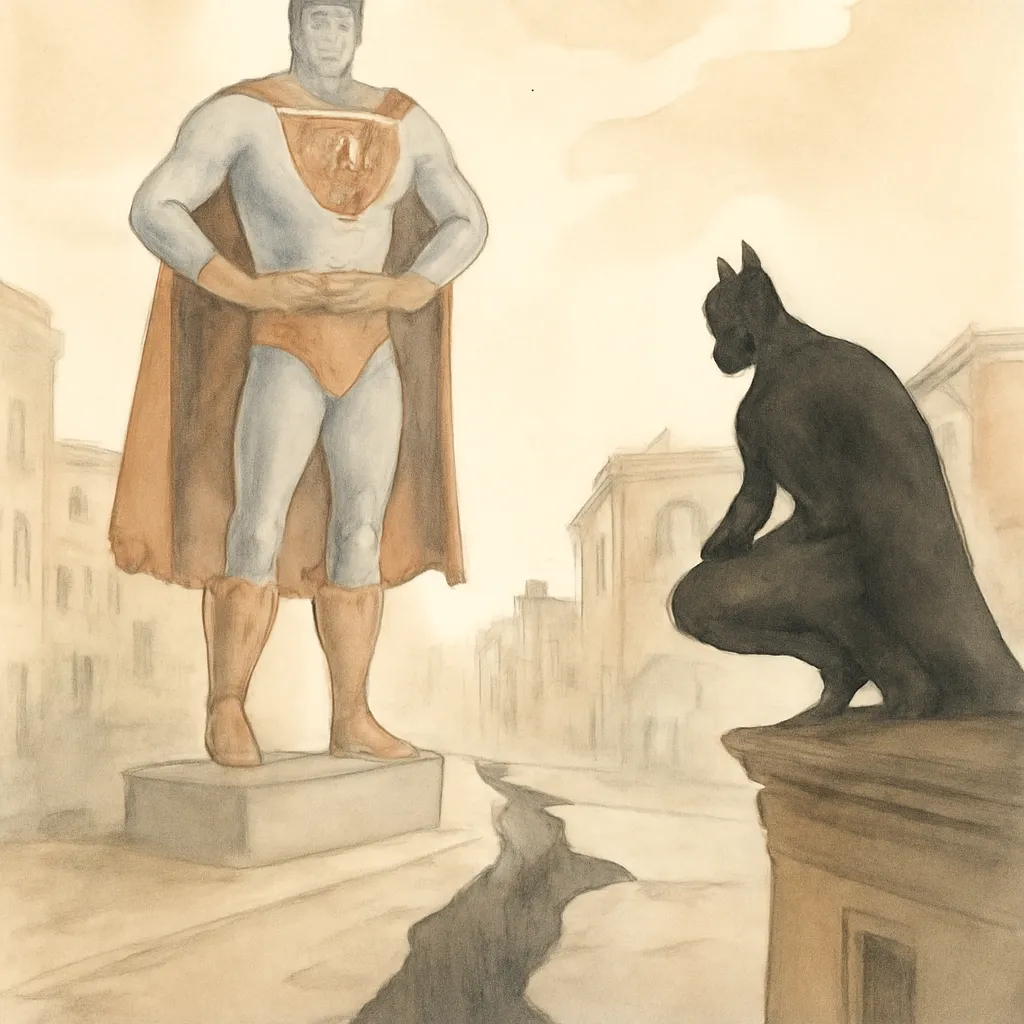
The climactic confrontation between Batman and Superman is more than a fight between icons—it’s a philosophical battle over authority, freedom, and the limits of power. Superman, depicted as a government operative, represents order and obedience, while Batman embodies rebellion and moral autonomy. Their conflict raises questions about the role of superheroes in society and whether true justice can exist within—or outside—the law.
5.Legacy, Inspiration, and the Next Generation
Carrie Kelly, the new Robin, symbolizes hope and renewal amid the darkness. Her presence challenges the notion that heroism is bound by age or tradition, suggesting that ideals can be inherited and reimagined. The book’s ending hints at a movement beyond Batman himself, emphasizing that the fight for justice is ongoing and collective.
6.Redefining the Superhero Genre
By embracing moral ambiguity, psychological depth, and a cinematic visual style, The Dark Knight Returns revolutionized how comics could tell stories. Its influence is seen in countless later works, from gritty reboots to Hollywood blockbusters. Miller’s vision expanded the possibilities of the medium, proving that superhero tales could be both artful and profound.