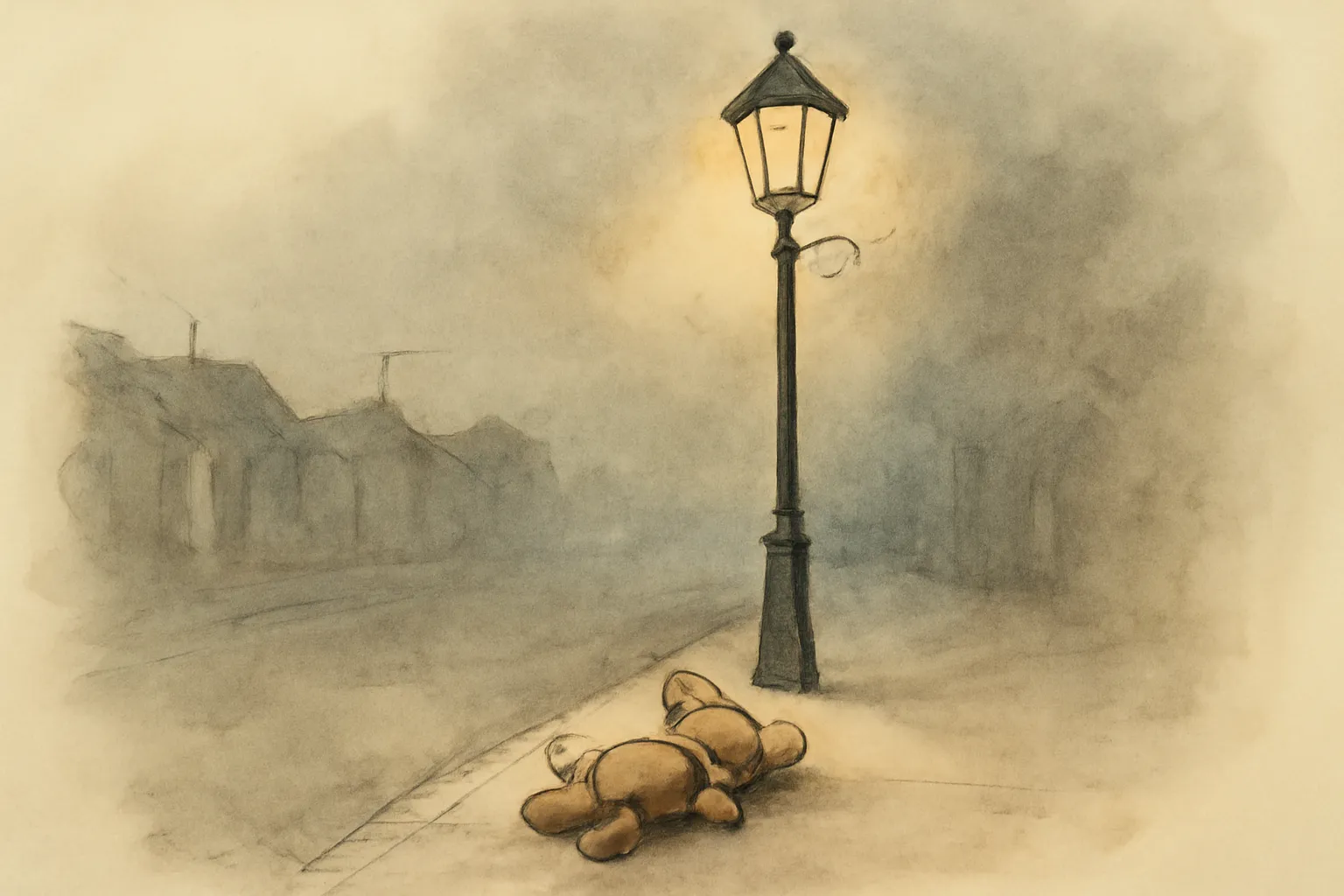
1.The Enduring Trauma of Crime
Franscell goes beyond the immediate horror of the crime to examine its lasting psychological impact on survivors, families, and the wider community. He shows how trauma lingers for decades, shaping the lives of those who experienced it directly and those who only heard about it. The book is particularly attentive to the survivor’s journey, revealing how memory, guilt, and the struggle for normalcy can define a life after tragedy.
2.The Loss of Innocence in Small-Town America
The story is set in Casper, Wyoming, a place where people once felt safe leaving doors unlocked and children roamed freely. The crime shattered this sense of security, marking a turning point for the town. Franscell uses the case to reflect on how violence can abruptly end a community’s innocence, forcing residents to confront uncomfortable truths about vulnerability and evil in their midst.
3.The Complexity of Evil
Rather than presenting the perpetrators as simple monsters, Franscell investigates their backgrounds and motivations, inviting readers to grapple with the origins of evil. He avoids sensationalism, instead probing the psychological and social factors that can lead to such acts. This nuanced approach challenges readers to consider the roots of violence and the thin line separating ordinary people from unimaginable acts.
4.The Power and Limits of Justice
The book scrutinizes the criminal justice system’s response to the crime, from the investigation and trial to the aftermath. Franscell raises questions about closure, punishment, and whether true justice is ever possible for such profound loss. He highlights both the system’s strengths and its shortcomings, reflecting the frustrations and hopes of those seeking accountability.
5.Memory, Storytelling, and Healing
Franscell, himself a childhood friend of the victims, weaves his personal memories with investigative reporting. This blending of memoir and journalism demonstrates how storytelling can be a tool for healing, both for individuals and communities. The act of revisiting and retelling the past becomes a way to make sense of senseless events and to honor those lost.
6.The Resilience of the Human Spirit
Despite its darkness, the book ultimately highlights the capacity for survival and resilience. It pays tribute to those who endured, showing how people rebuild their lives and find meaning after tragedy. The narrative underscores the importance of support, empathy, and the enduring bonds of family and community in the face of unimaginable loss.