1.The Dead Hand System: Automation of Apocalypse
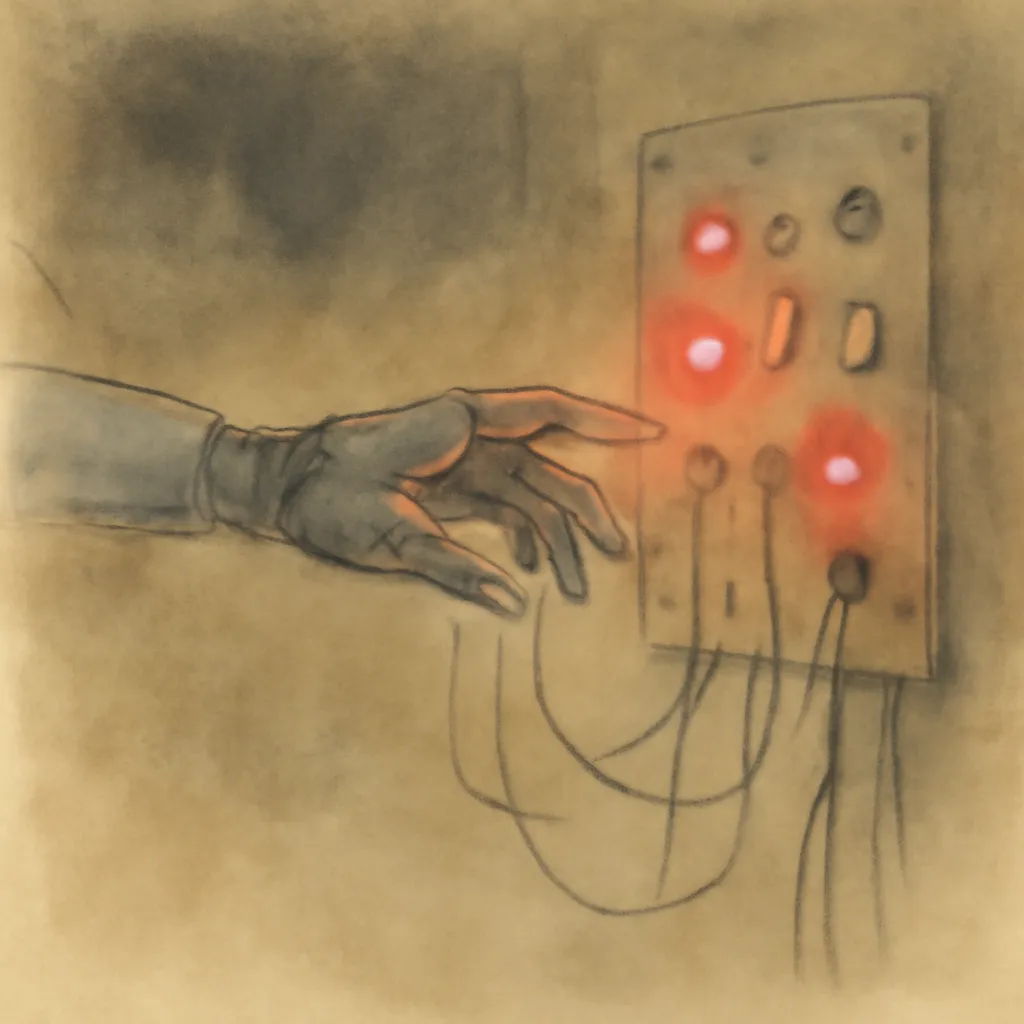
Central to Hoffman’s narrative is the revelation of the Soviet Union’s ‘Dead Hand’—an automated nuclear retaliation system designed to guarantee a counterstrike even if Soviet leadership was wiped out. This chilling apparatus illustrates the era’s logic of mutual assured destruction taken to its extreme, where machines, not humans, could trigger the end of civilization. The existence of such systems underscores how technological innovation and paranoia intertwined, creating risks that outlived the Cold War’s political actors.
2.Arms Race Escalation and Its Human Drivers
Hoffman explores the relentless escalation of nuclear, chemical, and biological weapons, driven not only by political leaders but also by scientists, military planners, and bureaucrats on both sides. The book humanizes these actors, showing how ambition, fear, and miscommunication fueled a cycle of buildup and mistrust. This perspective complicates the simplistic narrative of rational superpowers and highlights the dangers of institutional momentum in weapons development.
3.The Secret Soviet Bioweapons Program
A major revelation in the book is the scale and secrecy of the Soviet biological weapons program, which persisted even after international treaties banned such research. Hoffman details how Soviet scientists developed weaponized pathogens in violation of agreements, and how these programs remained hidden from Western intelligence and even Soviet leaders. The legacy of these programs continues to pose proliferation and biosecurity risks today.
4.Diplomacy, Trust, and the End of the Arms Race
The narrative gives significant attention to the roles of Ronald Reagan and Mikhail Gorbachev, whose evolving worldviews and willingness to negotiate were pivotal in de-escalating the arms race. Hoffman illustrates how breakthroughs in diplomacy required not just political calculation but also personal courage and the ability to overcome entrenched suspicion. The book suggests that trust and transparency, though fragile, are essential for global security.
5.Dangerous Legacy: Loose Nukes and Proliferation
Hoffman warns that the Cold War’s end did not eliminate its dangers. The collapse of the Soviet Union left a vast arsenal of nuclear, chemical, and biological weapons vulnerable to theft, neglect, or misuse. The book traces post-Cold War efforts to secure these materials, revealing both successes and alarming failures. This legacy remains a pressing challenge for contemporary policymakers.
6.The Human Cost and Moral Reckoning
Beyond geopolitics, The Dead Hand examines the ethical and human consequences of the arms race. Scientists, soldiers, and civilians suffered from secrecy, accidents, and the psychological burden of living under the threat of annihilation. Hoffman calls for a moral reckoning with this history, arguing that understanding the past is necessary to avoid repeating its mistakes.