1.Science as a Candle in the Dark
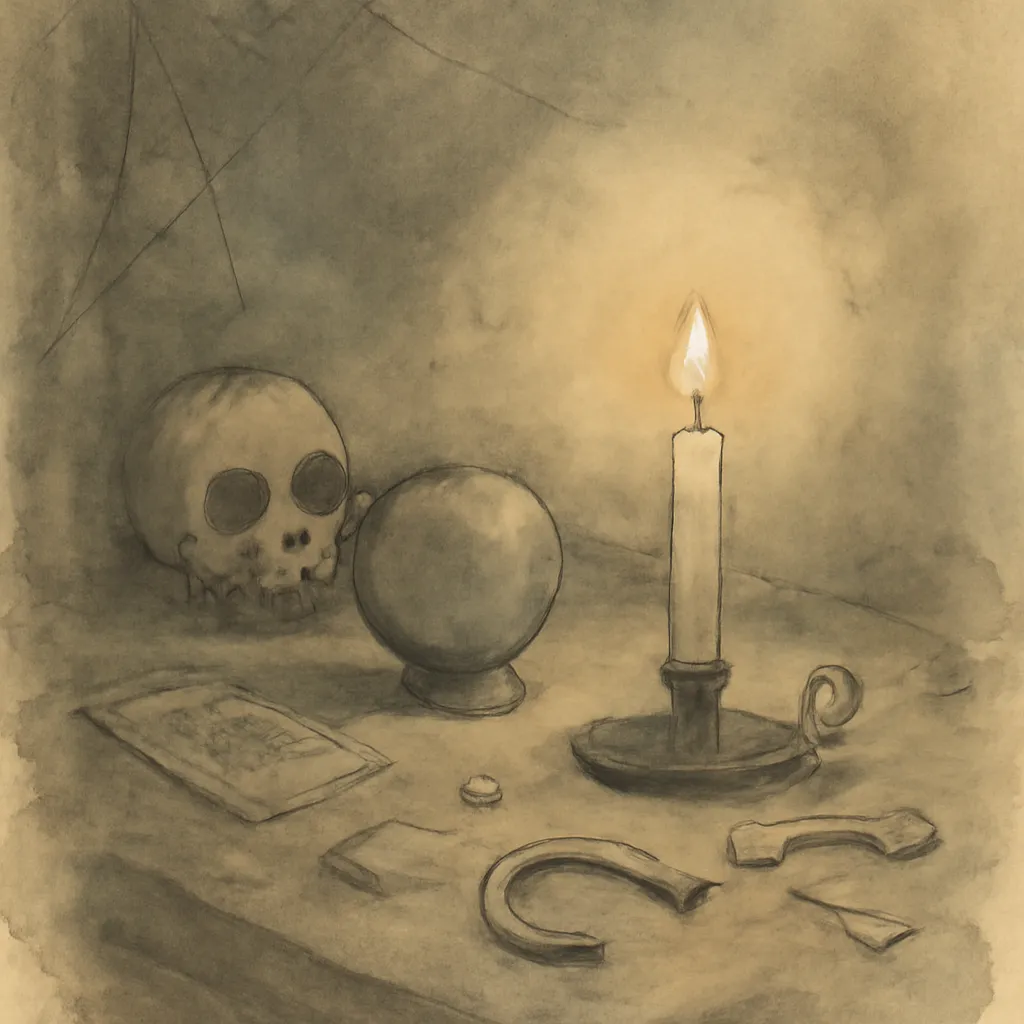
Sagan frames science as humanity’s best tool for illuminating the unknown and dispelling superstition. He argues that the scientific method—rooted in skepticism, evidence, and testable hypotheses—serves as a 'candle in the dark,' allowing us to navigate a world full of uncertainty and deception. By understanding and applying scientific thinking, individuals can better protect themselves from manipulation and error.
2.The Lure and Danger of Pseudoscience
The book explores why pseudoscientific beliefs—like astrology, alien abductions, and faith healing—are so appealing. Sagan suggests that these beliefs often offer comfort, certainty, or a sense of wonder, but warns that they can be deeply harmful, leading to wasted resources, poor decisions, and even threats to democracy. He calls for vigilance and education to counteract the seductive pull of unreason.
3.Critical Thinking as a Civic Duty
Sagan insists that skepticism and critical inquiry are not just personal virtues but essential to the health of democratic societies. Without a scientifically literate public, citizens are more susceptible to propaganda, demagoguery, and policy decisions based on fear or ignorance. He advocates for widespread science education as a safeguard for freedom and informed citizenship.
4.The Baloney Detection Kit
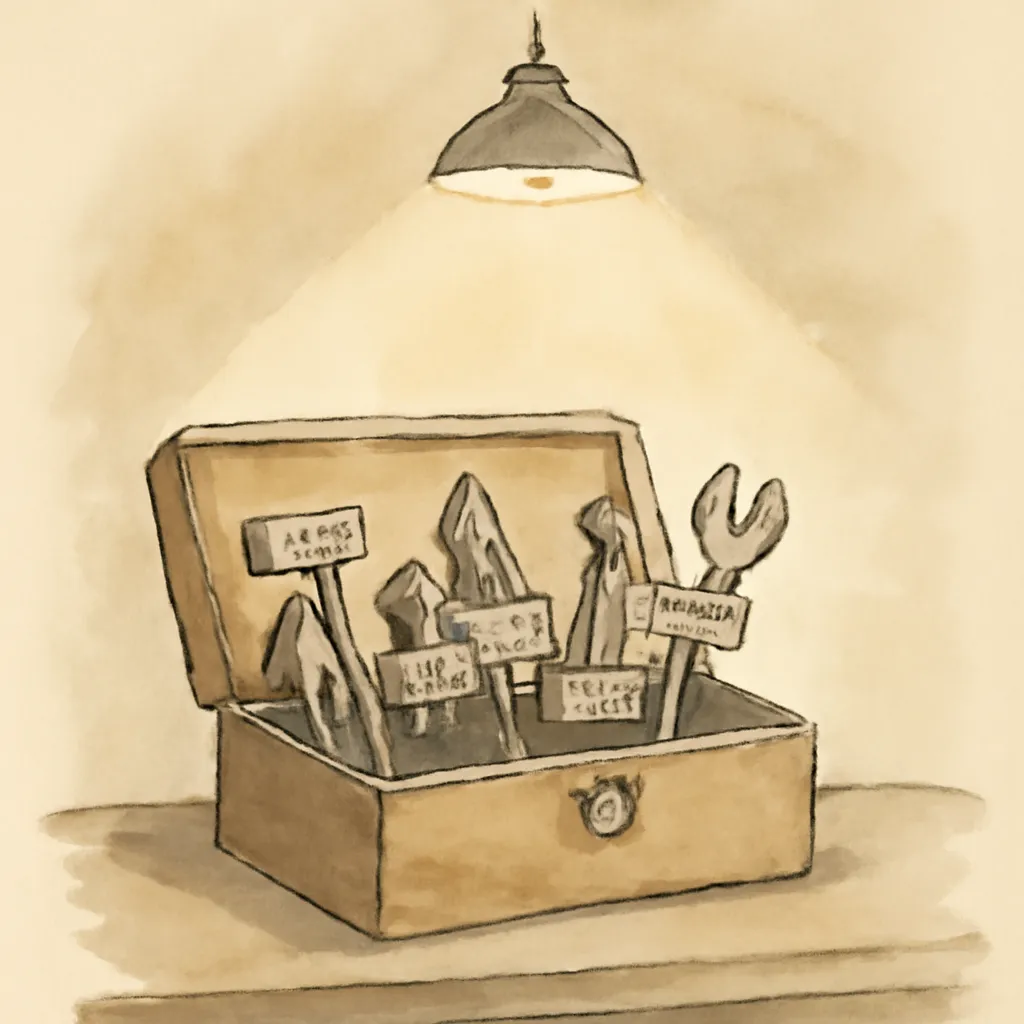
One of the book’s most practical contributions is Sagan’s 'baloney detection kit'—a set of tools and heuristics for evaluating claims. These include checking for independent confirmation, considering alternative explanations, and recognizing logical fallacies. By equipping readers with these methods, Sagan empowers them to resist deception and think more clearly.
5.Wonder Without Surrendering Reason
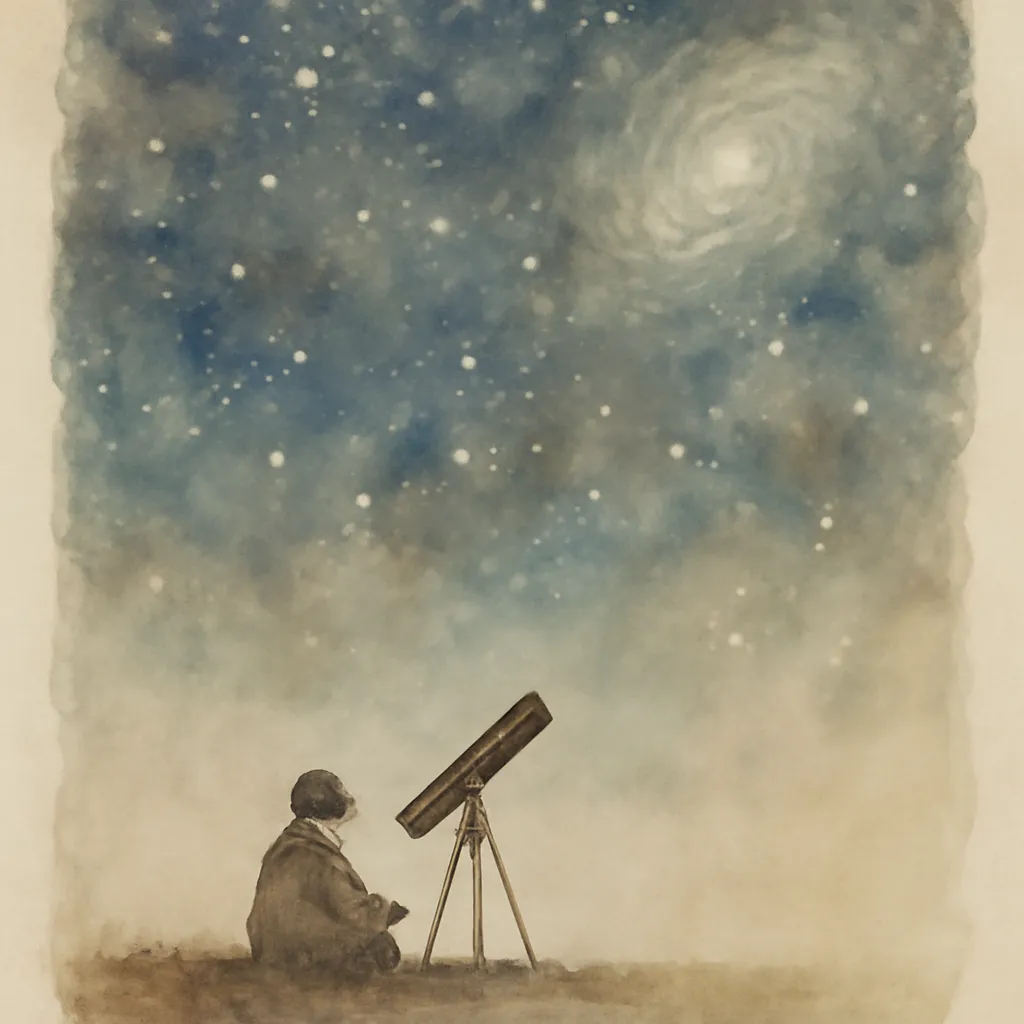
Sagan argues that embracing science does not mean giving up on wonder or imagination. In fact, he sees science as a source of profound awe and inspiration, capable of revealing the true majesty of the universe. He urges readers to cultivate curiosity and skepticism together, finding joy in discovery while remaining vigilant against falsehoods.
6.The Perils of Scientific Illiteracy
Sagan warns that a society ignorant of science is vulnerable to exploitation and poor decision-making, from public health to environmental policy. He laments the gap between scientific knowledge and public understanding, arguing that bridging this divide is crucial for progress and survival in a technological age.