1.Human Evolution and Common Ancestry
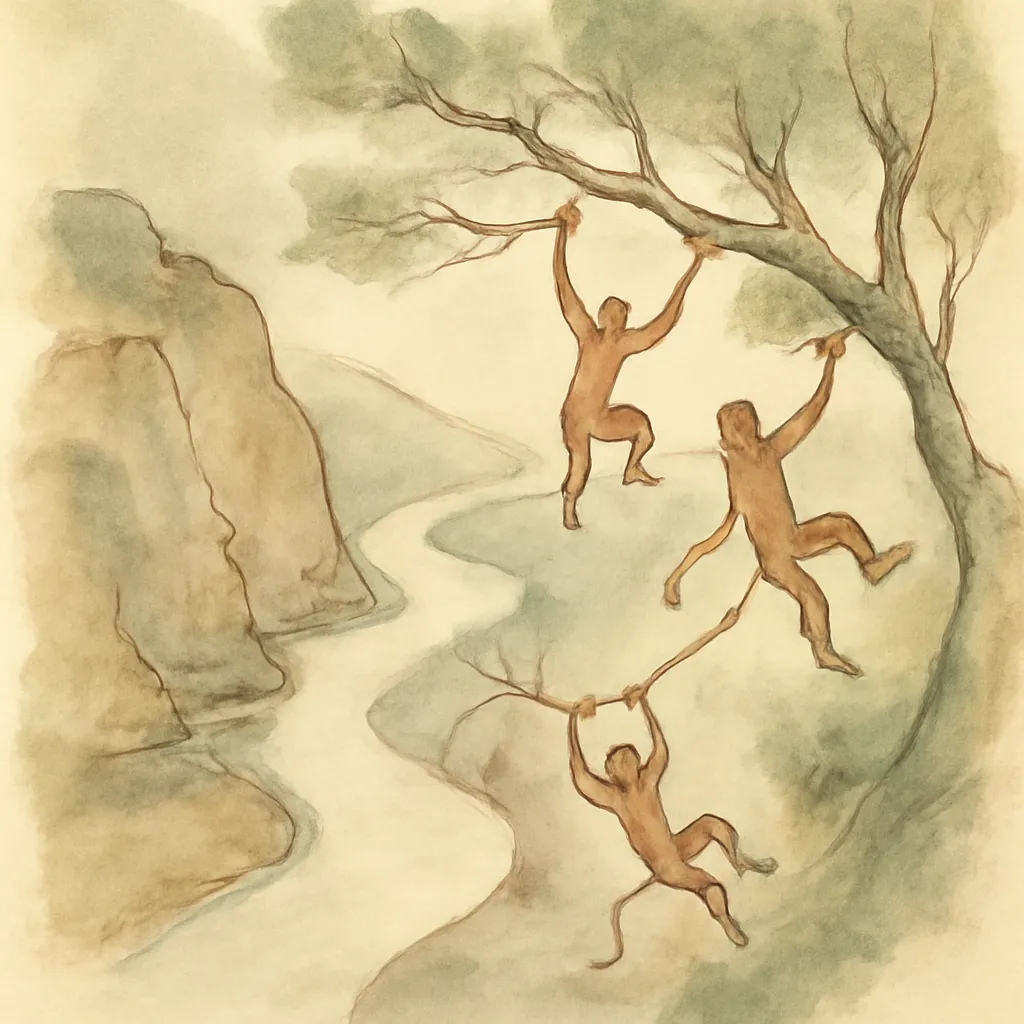
Darwin argues that humans are not separate from the natural world but share a common ancestor with other animals, especially primates. He marshals anatomical, embryological, and behavioral evidence to show the continuity between humans and other species. This idea was radical in its time, challenging prevailing beliefs about human uniqueness, and remains foundational to modern biology and anthropology.
2.Sexual Selection as a Driving Force
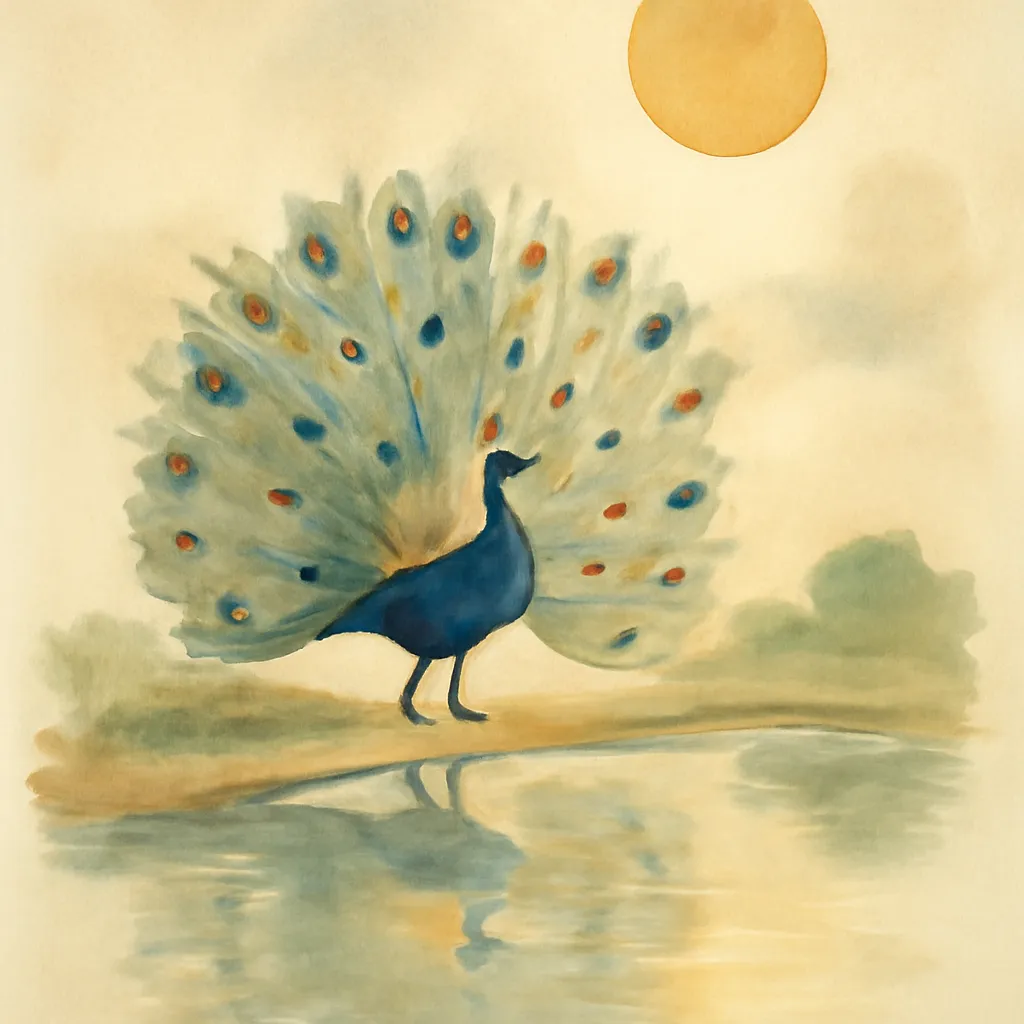
Beyond natural selection, Darwin introduces sexual selection—the idea that traits can evolve not just for survival, but for attracting mates. He explains features like the peacock’s tail or human differences in appearance as products of mate choice and competition. This concept broadens our understanding of how evolution works, especially in shaping behaviors, physical traits, and even cultural practices.
3.The Evolution of Human Intelligence and Morality
Darwin delves into the origins of human mental faculties, arguing that intelligence, emotions, and moral instincts have evolutionary roots. He suggests that qualities like sympathy and cooperation have survival value, and that our mental differences from animals are of degree, not kind. This challenges readers to reconsider the boundaries between humans and other animals.
4.Race, Variation, and Controversy
Darwin addresses human diversity and the origins of races, emphasizing the shared ancestry of all humans. While some of his language and assumptions reflect 19th-century biases, he ultimately argues for the unity of the human species. His discussion set the stage for later debates on race, genetics, and equality, and should be read critically in light of its historical context.
5.The Social Implications of Evolution
By applying evolutionary theory to humans, Darwin’s work raises profound questions about society, ethics, and progress. He cautions against simplistic or deterministic readings of evolution, recognizing the complexity of human culture and the potential for both cooperation and conflict. The book invites readers to reflect on how science can inform—but not dictate—our values and social policies.