1.The Groveland Boys Case: A Microcosm of Jim Crow Injustice
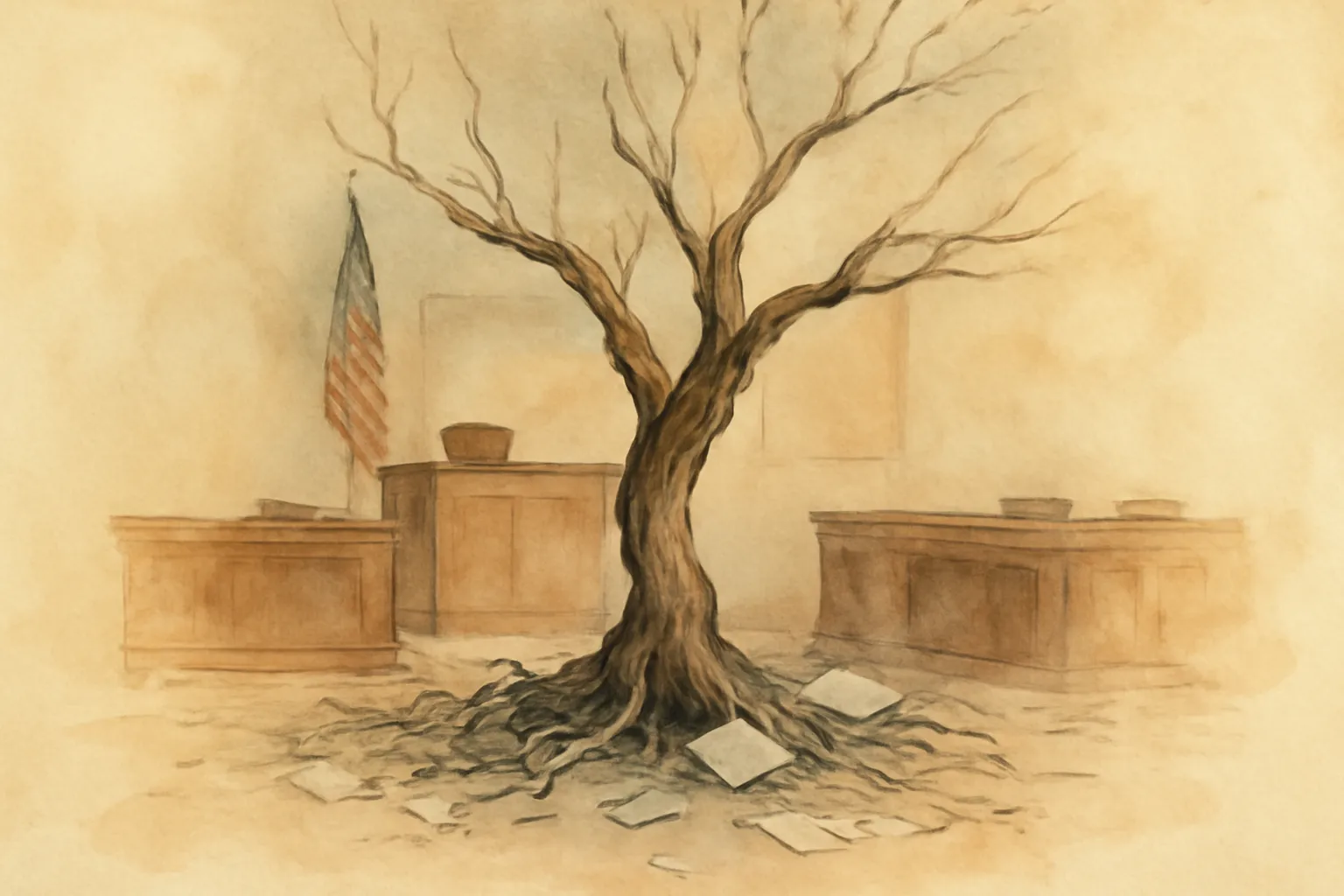
At the heart of the book is the case of four young black men in Groveland, Florida, falsely accused of raping a white woman in 1949. King meticulously reconstructs the events, showing how the case was shaped by racial hysteria, corrupt law enforcement, and mob violence. The Groveland case becomes emblematic of the systematic denial of justice to African Americans in the South, where accusations alone could mean death or lifelong imprisonment. The book exposes how local authorities, including the notorious Sheriff Willis McCall, manipulated the legal system to serve white supremacy, making the courtroom itself a battleground for civil rights.
2.Thurgood Marshall: Legal Strategist and Reluctant Hero
King’s portrait of Thurgood Marshall goes beyond hagiography, revealing a man acutely aware of the risks he faced as a black lawyer challenging Southern racism. Marshall’s involvement in the Groveland case was both professional and deeply personal, as he navigated threats to his life and the murder of colleagues. The book illustrates Marshall’s strategic brilliance, his ability to marshal legal resources, and his understanding that each case could set a precedent for the entire nation. Marshall emerges as a figure both heroic and human, driven by a sense of duty and an acute awareness of the stakes involved.
3.The NAACP Legal Defense Fund: Building a Blueprint for Change
The Devil in the Grove highlights the NAACP Legal Defense Fund’s pivotal role in the broader civil rights movement. King shows how the organization, under Marshall’s leadership, used the courts to challenge the legal foundations of segregation and racial violence. The Groveland case, while a tragedy, also became a testing ground for legal tactics and public advocacy that would later culminate in landmark victories like Brown v. Board of Education. The book demonstrates the painstaking, often dangerous, groundwork required to dismantle institutional racism.
4.Violence, Terror, and the Cost of Resistance
King does not shy away from the brutal realities faced by black communities in the Jim Crow South. The narrative details the Ku Klux Klan’s reign of terror, the burning of homes, and the ever-present threat of lynching. The book underscores the immense personal risk for anyone—black or white—who dared to challenge the racial order. Through the stories of the Groveland Boys and their families, King brings to life the psychological and physical toll of living under constant threat, and the extraordinary courage required to resist.
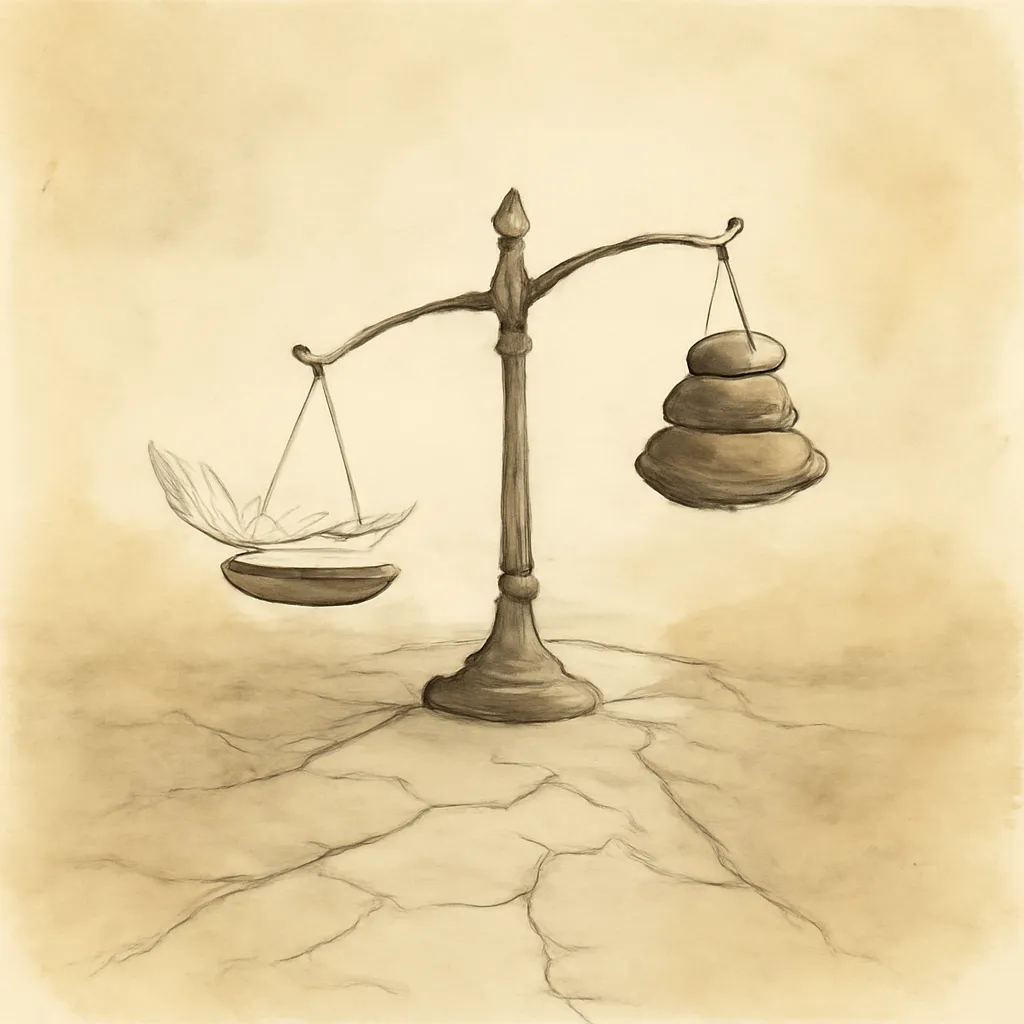
5.The Power and Limits of the Law
A recurring theme is the tension between the ideal of justice and the reality of a biased legal system. King shows how, despite the NAACP’s best efforts, the law could be twisted by those in power, and victories were often partial or pyrrhic. The Groveland case reveals both the possibility of progress through legal action and the deep roots of institutional resistance. The book invites readers to reflect on how much—and how little—has changed in the struggle for civil rights.
6.Historical Memory and the Importance of Bearing Witness
By unearthing FBI files, court transcripts, and personal testimonies, King reconstructs a forgotten chapter of American history. The book serves as a reminder that justice delayed is justice denied, and that the stories of those who suffered must be told. King’s exhaustive research and narrative skill ensure that the Groveland Boys’ ordeal is not consigned to obscurity, but instead becomes a vital part of the national conversation about race, justice, and memory.