1.The Duality of Progress
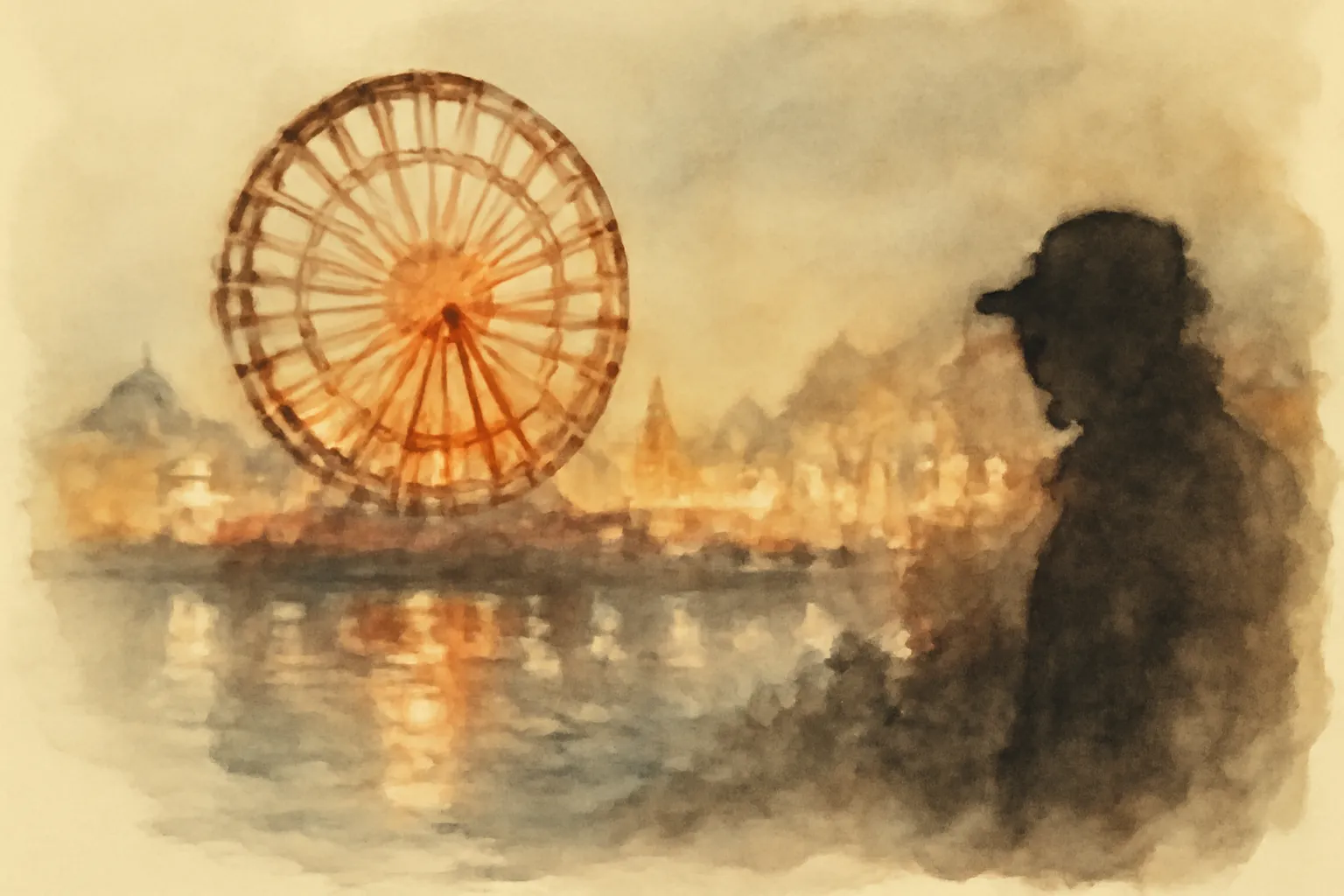
Larson’s narrative juxtaposes the monumental achievements of the World’s Fair with the horrors perpetrated by H.H. Holmes, highlighting how periods of rapid progress can mask sinister realities. The fair symbolizes hope, innovation, and America’s desire to impress the world, while Holmes’s crimes reveal the vulnerabilities and chaos lurking beneath the surface. This duality prompts readers to question the costs and blind spots of progress, especially when ambition outpaces oversight.
2.The Power of Visionary Leadership
Daniel Burnham, the fair’s chief architect, exemplifies the power—and burden—of visionary leadership. Facing impossible deadlines, political infighting, and logistical nightmares, Burnham’s determination shapes not only the fair but the future of American architecture and urban planning. Larson shows how leadership under pressure can inspire greatness, but also demands personal sacrifice and resilience.
3.The Birth of Modern Urban America
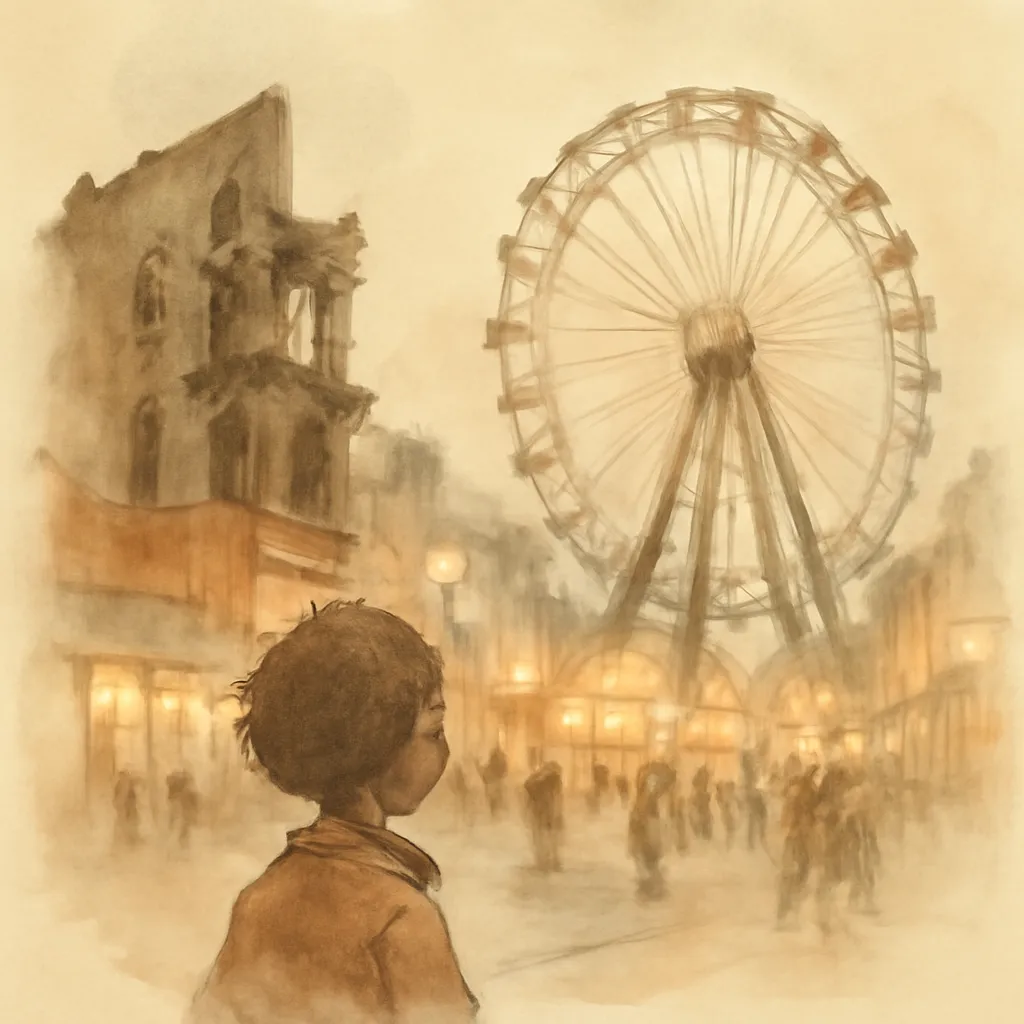
The 1893 World’s Fair was more than a spectacle—it was a catalyst for transforming Chicago and setting trends for cities nationwide. Larson details innovations such as the Ferris wheel, electric lighting, and new standards for public spaces, illustrating how the fair’s legacy influenced everything from city planning to consumer culture. The book underscores the fair’s role in defining the American city and national identity at the turn of the century.
4.The Nature of Evil and Obsession
Through the story of H.H. Holmes, Larson delves into the psychology of evil—how charm, intelligence, and opportunity can cloak monstrous intent. Holmes’s ability to exploit the fair’s chaos and anonymity exposes the dangers inherent in unchecked ambition and the seductive allure of power. Larson invites readers to confront uncomfortable questions about human nature and the darkness that can hide in plain sight.
5.The Allure and Peril of Spectacle
Both the fair and Holmes’s crimes relied on spectacle to captivate and manipulate. Larson explores how grand displays can inspire awe and progress, but also distract from underlying dangers. This theme resonates today, reminding readers to look beyond appearances and question what is hidden behind the dazzling façade of any era’s achievements.
6.The Art of Narrative Nonfiction
Larson’s meticulous research and novelistic storytelling blur the line between history and literature. By weaving together disparate threads—architecture, crime, culture—he demonstrates the power of narrative nonfiction to bring the past vividly to life, making history both accessible and urgent for modern readers.