1.Mechanical vs. Organic Solidarity
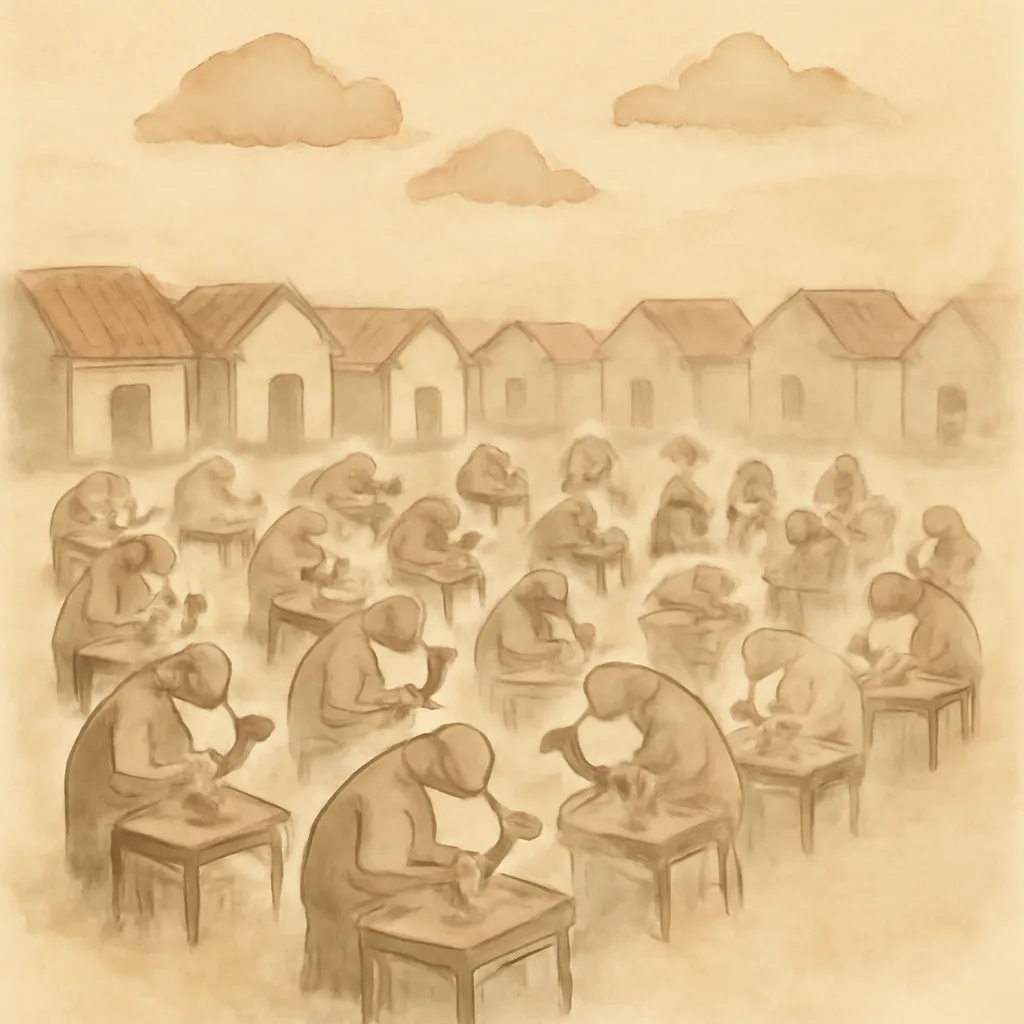
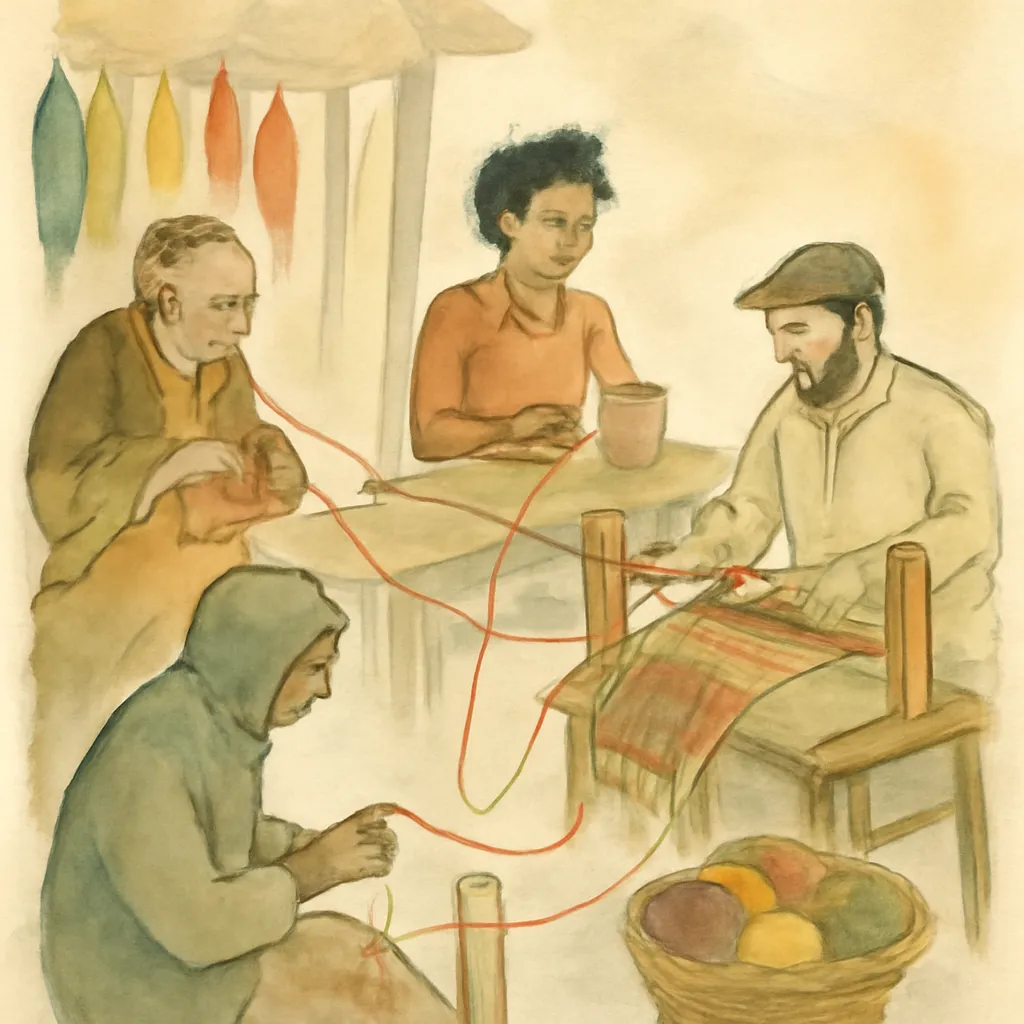
Durkheim distinguishes between two forms of social cohesion: mechanical solidarity, found in traditional societies where individuals share similar roles and values, and organic solidarity, which emerges in more complex, modern societies where people are interdependent due to specialized roles. The shift from mechanical to organic solidarity marks the evolution of society, with the division of labor creating new forms of social bonds based on difference and cooperation rather than similarity.
2.The Moral Function of the Division of Labor
For Durkheim, the division of labor is not just an economic necessity but a moral phenomenon. It creates social ties by making individuals reliant on each other’s specialized functions. This interdependence fosters a sense of collective responsibility and shared purpose, countering the idea that specialization leads only to individualism or alienation.
3.Law as a Reflection of Social Solidarity
Durkheim analyzes how types of law mirror the dominant form of solidarity in a society. Repressive law, which punishes deviations harshly, prevails in societies with mechanical solidarity. Restitutive law, focused on restoring relationships and rights, characterizes societies with organic solidarity. This legal evolution signals deeper changes in social structure and values.
4.Pathologies of Modernity: Anomie
Durkheim warns that the transition to organic solidarity can produce 'anomie'—a state of normlessness where individuals feel disconnected from the collective. When the division of labor is poorly regulated or lacks moral guidance, it can undermine social cohesion, leading to conflict, isolation, or social breakdown. Addressing anomie requires institutions that reinforce shared norms and integrate individuals into the social fabric.
5.The Division of Labor and Social Justice
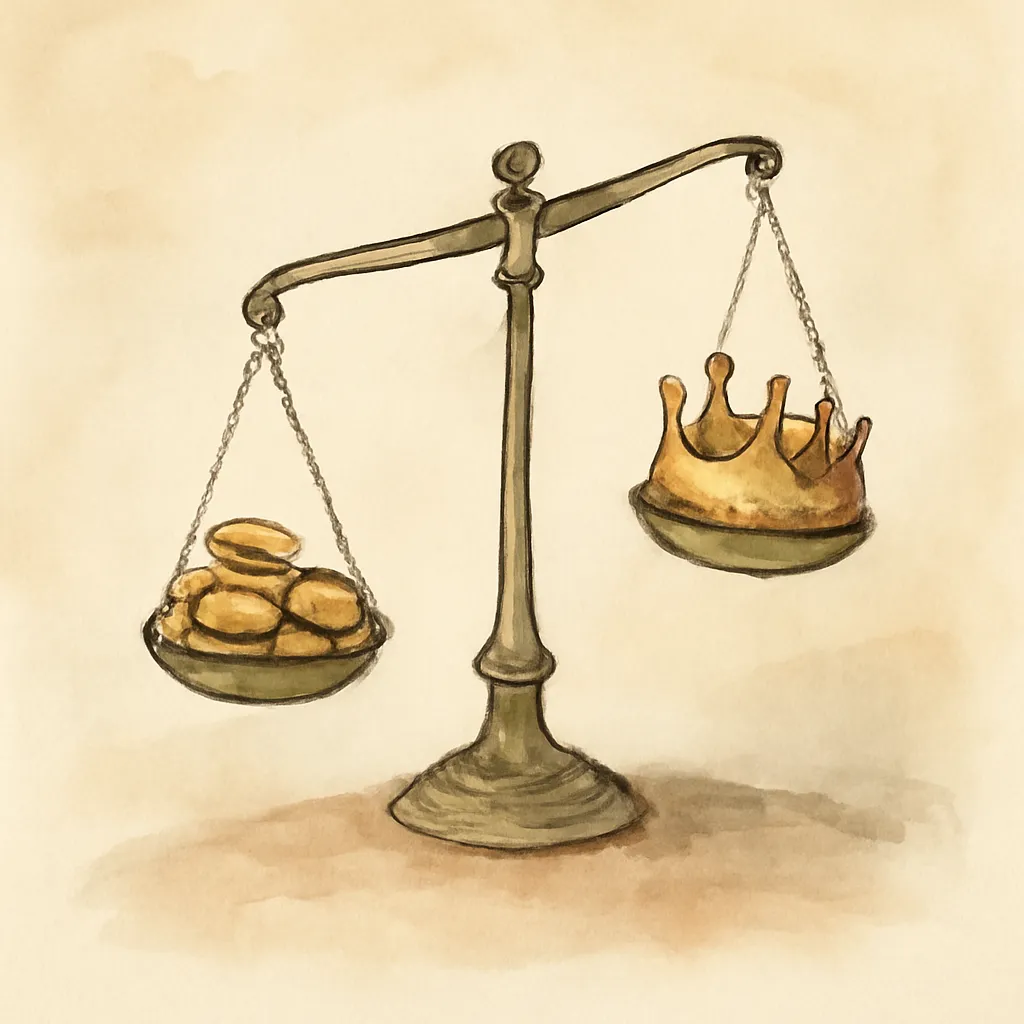
Durkheim argues that a just division of labor is one where positions are allocated based on merit and ability, not inherited privilege. He sees the fair organization of work as essential for social harmony; when the division of labor is distorted by inequality or lack of opportunity, it breeds resentment and instability.
6.Sociology as a Science of Morality
Durkheim’s analysis positions sociology as a discipline capable of uncovering the moral foundations of society. By studying how the division of labor shapes collective life, sociologists can diagnose social problems and suggest ways to strengthen solidarity in an age of rapid change.